

The trans odyssey of intervening in their bodies with home treatments
El Salvador does not provide hormone replacement therapy or surgical procedures for transgender people. How do they manage to alter their bodies according to their experiences?

Share

By Paula Rosales, from San Salvador
Until a year ago, Emily Michell Ventura had the habit of drawing eight dots around each of her breasts, including her nipples, with a marker. Then she would prepare a one-milliliter syringe and inject herself with mineral oil into each mark to make her breasts grow and give them a more feminine appearance.
Emily, a 24-year-old Salvadoran trans woman, remembers that each injection caused her deep pain, but it was a suffering she was willing to pay for to achieve the figure she had always wanted.
Lacking the financial resources to undergo her transition with a specialist doctor, Emily opted to inject herself with mineral oil, a petroleum derivative that is not suitable for this type of procedure.
The risky process, which she had learned by hearsay from other trans women, was performed three times a week for six months, until the oil began to cause itching, burning and discoloration, at which point she decided to consult a doctor.
The doctor assured her she had an allergy and only recommended applying creams and taking pills to recover. However, since Emily was working as a sex worker at the time, her clients would squeeze her breasts or ejaculate on them, which aggravated her allergy and led to a 10-day hospital stay with a severe infection.
[READ ALSO: When being trans "shows"]
At the hospital they stabilized her, but the damage to her breasts was already irreversible. The medical suggestion was to remove them, but she decided against it.
“The truth is that I ruined my body by choosing to put oil in my breasts; I would have been better off keeping the small breasts I had before,” the cosmetology apprentice, who now earns a living cleaning in a beauty salon, told Presentes.
Despite having large breasts, she often experiences headaches, fatigue, and difficulty breathing. The redness of her breasts has caused her stress and persistent insomnia.
“Sometimes we don’t consider the consequences of what can happen,” he lamented, still observing the reddish hue.
 In El Salvador, despite the fact that the Constitution recognizes that it is the State's obligation to ensure that all its inhabitants enjoy freedom, health, culture, economic well-being and social justice, in practice the rights of transgender people are not fulfilled for moral and religious reasons.
According to the report “Stop Trans Genocide” conducted in 2018, 46 percent of trans women surveyed mentioned that they were discriminated against in public hospitals, a figure higher than those committed by the police, with 36 percent, and the Army, with 6 percent.
Right to the desired body
Article 2 of the Yogyakarta Principles defines identity as the internal and individual experience of gender as each person feels it, which may or may not correspond to the sex assigned at birth and may involve modification of bodily appearance or function through pharmacological, surgical or other means.
The Yogyakarta Principles is a document prepared by a group of human rights experts that establishes principles relating to sexual orientation and gender identity and seeks to guide the interpretation and application of international human rights law norms, establishing basic standards to prevent abuses and protect the rights of LGBTI populations.
[READ ALSO: What we talk about when we talk about trans beauty]
However, gender reassignment surgery is inaccessible to most transgender people in El Salvador for economic reasons. For this reason, they must resort to unofficial, makeshift treatments, which put their health at risk.
The practice of injecting mineral oil into the body is one of the methods that hundreds of trans women have resorted to due to its low cost. Breast augmentation can cost between $2,500 and $3,000, an amount inaccessible to most of them.
The risks of artisanal application
According to research on feminization practices and their manifestations in transgender health presented at the University of El Salvador in 2009, 33 percent of a total of 81 women consulted infiltrated mineral oil into their breasts and hips.
Of this group, 60 percent suffered edema, inflammation, pain, and ulcers after applying the oil to their body.
The risks associated with applying oil to the body at home, coupled with little to no medical oversight, have led to the deaths of several transgender women, according to various human rights advocates. However, there are no official statistics on these deaths.
Many trans women may fall into depression when they cannot fulfill their right to reaffirm their identity ; others choose to undergo homemade modifications that cause damage to their skin and body, often irreversible.
“We have witnessed how an appearance that does not meet the needs of a trans woman can plunge her into a depression capable of leading her to suicide,” according to the study “Stop Trans Genocide,” conducted by the Latin American and Caribbean Network of Trans People in 2018.
The State of El Salvador does not provide hormone replacement therapies or surgical procedures, unlike other countries such as Costa Rica, Mexico, Argentina and Chile that do.
Trans men
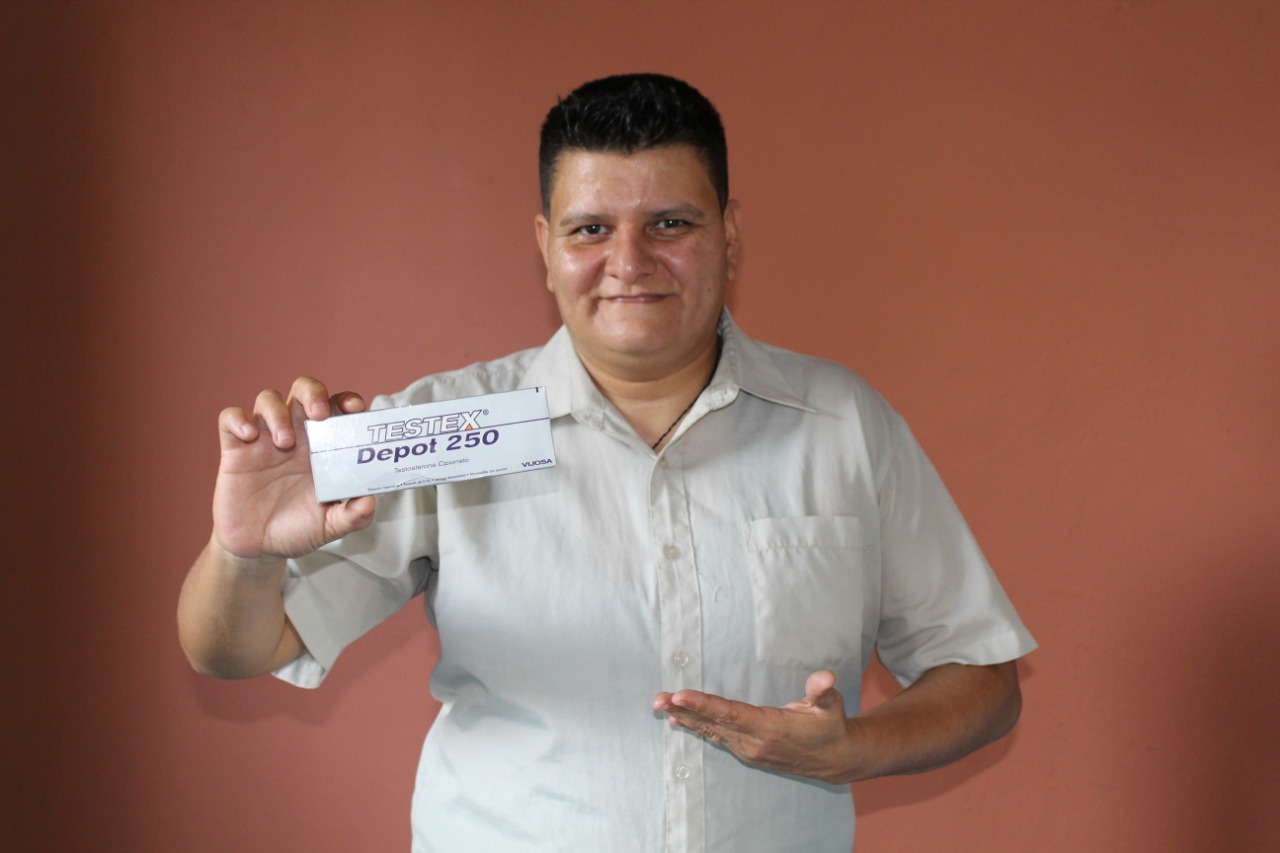
Joshua Navas is a 22-year-old trans man. He began hormone replacement therapy in the Central American country two years and three months ago. He says he went through a difficult period when he began to masculinize his body.
“When I started hormone replacement therapy, I didn’t mention it to anyone in my family because I knew they would say no. However, I had already begun the changes to have a masculine expression, and those changes generated a lot of conflict, so much so that they even resorted to physical violence to correct me,” Joshua told Presentes.
He never felt comfortable with the body and gender assigned to him at birth. Upon reaching adulthood, he decided he had to do something to align his body with his identity. He began with physical changes, such as wearing a chest binder.
“They told me not to get that, that it would ruin my breasts. When they started to see the changes, it was quite shocking because my family told me to stop, that it wasn't from God, that God had created man and woman according to the Bible,” she said.
After a year of undergoing hormone therapy, Joshua has begun to feel discomfort in his vocal cords in recent weeks. He suspects that the treatment has affected the anatomy of his larynx, causing him pain when swallowing.
She has also felt changes throughout her body; she knows something is wrong, but hopes it's nothing serious.
Hormones in pharmacies
According to the study presented at the University of El Salvador, 86 percent of the hormones self-medicated by trans people were acquired at the pharmacy and only one percent were obtained at the hospital, so there is widespread self-medication compared to patients who receive treatment with specialists.
Regarding whether they consulted a doctor about the hormone therapy process, 75 percent said they never consulted; 13 percent consulted a general practitioner; 7 percent consulted a surgeon and 1 percent consulted nurses.
According to the World Professional Association for Transgender Health (WPATH), trans populations are at risk of health damage if they do not undergo hormone replacement therapy under medical supervision.
One of the risks recorded in trans women is liver damage, because it is one of the first organs affected since female hormones make the blood thick; there is an increase in platelets that can lead to pulmonary thromboembolism, embolisms, gallstones, hypertension, cancer and even death.
Transgender women use contraceptive injections containing estrogen, progesterone, and female hormones; however, according to specialists, their treatment should consist solely of estrogen, not progesterone. They also need to use testosterone blockers to suppress male characteristics.
[READ ALSO: Trans people in El Salvador denounce hate and demand a Gender Identity Law]
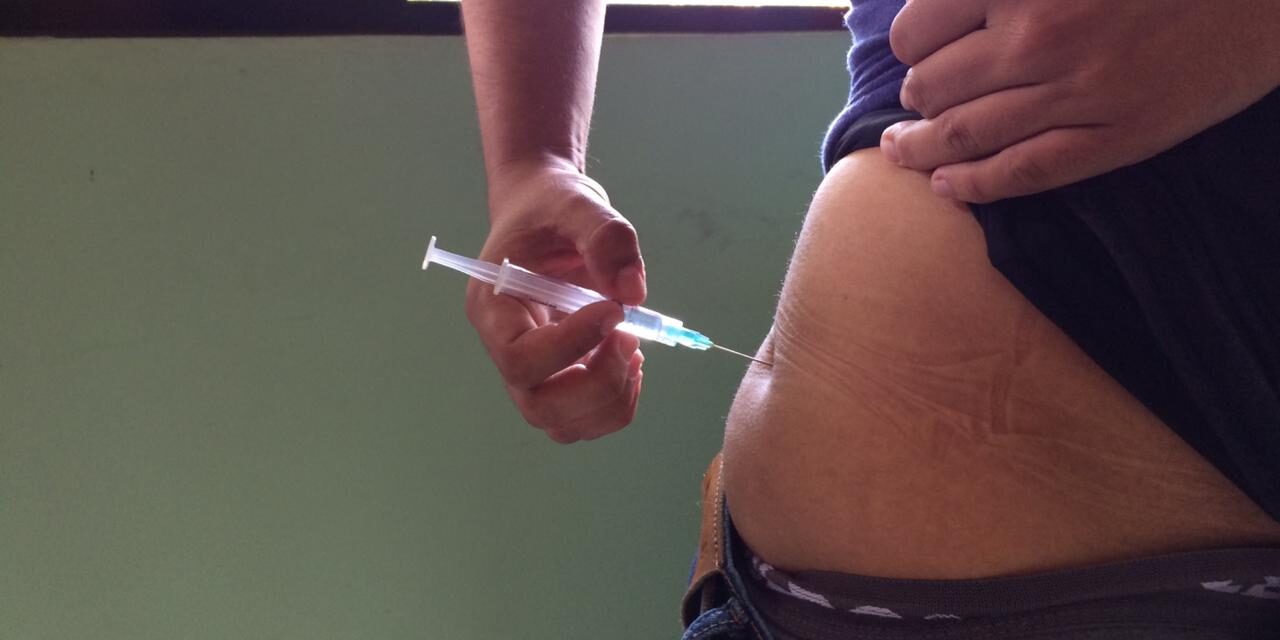
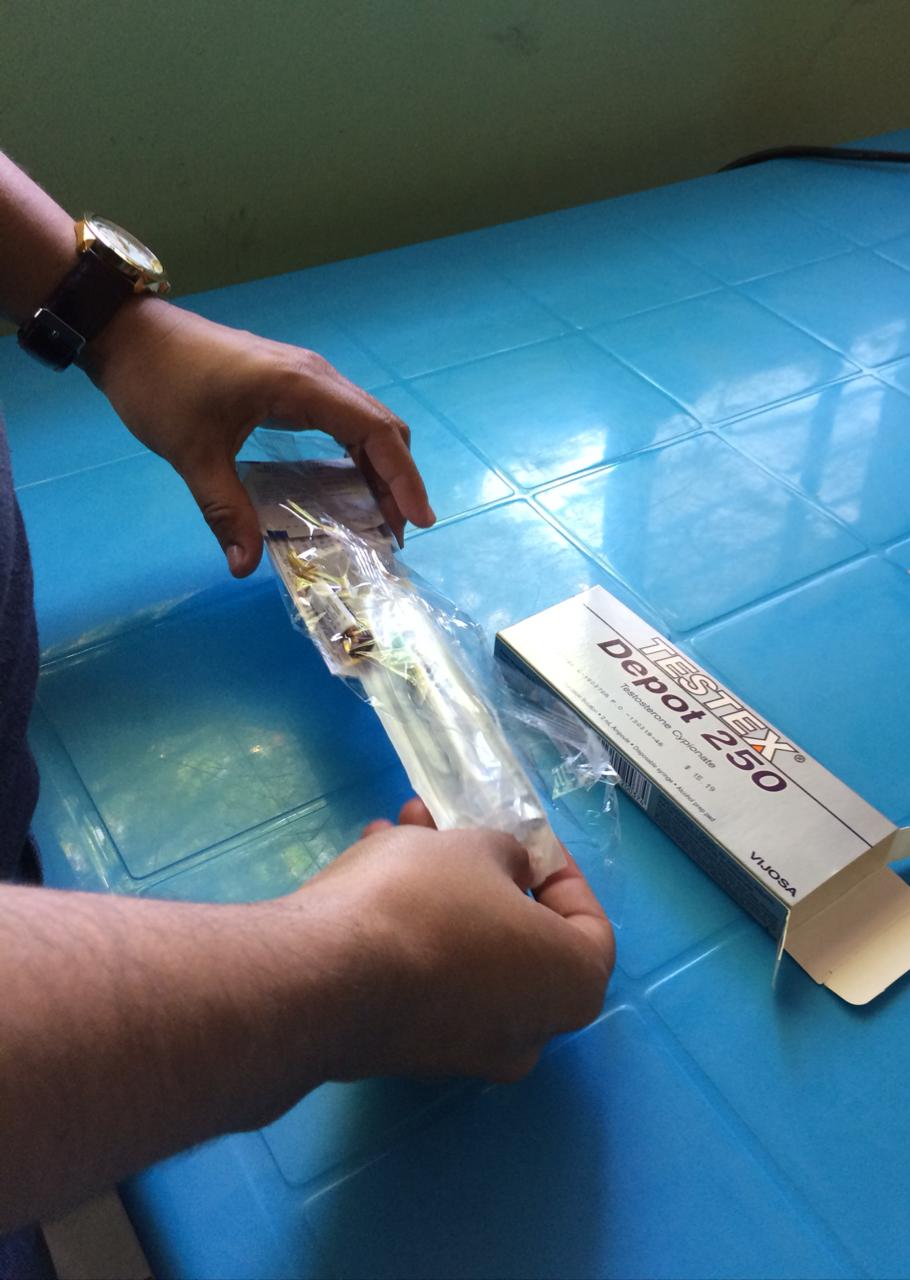
In the case of trans men, the hormone used is testosterone, and uncontrolled application could lead to hypertension, type 2 diabetes, ovarian, uterine, and breast cancer.
“The best thing to do is to see a doctor and have testosterone levels measured according to individual needs. Unfortunately, in this country we either don't have enough qualified doctors or the consultation and monitoring are too expensive and beyond our budget,” Joshua emphasized.
Change is a must.
The World Health Organization (WHO) declared in 2018 that transsexuality is not a mental illness; therefore, the demands of this population should be treated as the right to have the characteristics in accordance with their gender identity.
This decision ensures that trans women and men are not discriminated against in health systems, and establishes that it is a condition related to a person's sexual health.
Presentes repeatedly requested an interview with a representative of the Ministry of Health, but no response was received by the time of publication.
The non-governmental organization Salvadoran Association of Transgender and Transsexual People (ASTRANS), created the Diké medical clinic in 2014, which offers transgender health services.
Currently the clinic serves 275 people, but only 43 women and 37 men have permanent hormone replacement treatment, while the rest do so irregularly.
“There are people who work with sex hormones or endocrinologists who, because of their morals, refuse to treat trans people because they think they will go to hell. They believe that trans people are like that because of the devil, and if they help them, they are with the devil and will be condemned. So religion and morality have a lot to do with these decisions,” Dr. Modesto Mendizábal, coordinator of Diké programs, told Presentes.
The dosages vary from case to case. Diké administers the doses suggested by WPATH and the Endocrine Society of America, which recommends a standard of 5 milligrams every 15 days. Meanwhile, transgender women and men interviewed by Presentes reported using 10 milligrams every week or twice a month.
Public system debt
The Latin American and Caribbean Network of Trans People (REDLACTRANS) pointed out that in 2017 the Ministry of Health suggested suppressing the fundamental right of trans people to receive hormonal treatments, because the State does not have sufficient financial resources.
They also argued that this treatment only sought to improve appearance and was not considered a necessity.
“They think that gender identity has more to do with expression or aesthetics, they think that being a trans woman is about wearing makeup and looking like a woman, or that men are about having a beard, when what actually happens is that it is a change in the core of the person, in the very existence of the person,” Mendizábal emphasized.
In El Salvador there are no official statistics on the total trans population.
We are present
We are committed to journalism that delves into the territories and conducts thorough investigations, combined with new technologies and narrative formats. We want the protagonists, their stories, and their struggles to be present.
SUPPORT US

FOLLOW US
Related notes
We are present
This and other stories are not usually on the media agenda. Together we can bring them to light.