

Living on the streets in Buenos Aires: trans people, the most discriminated against
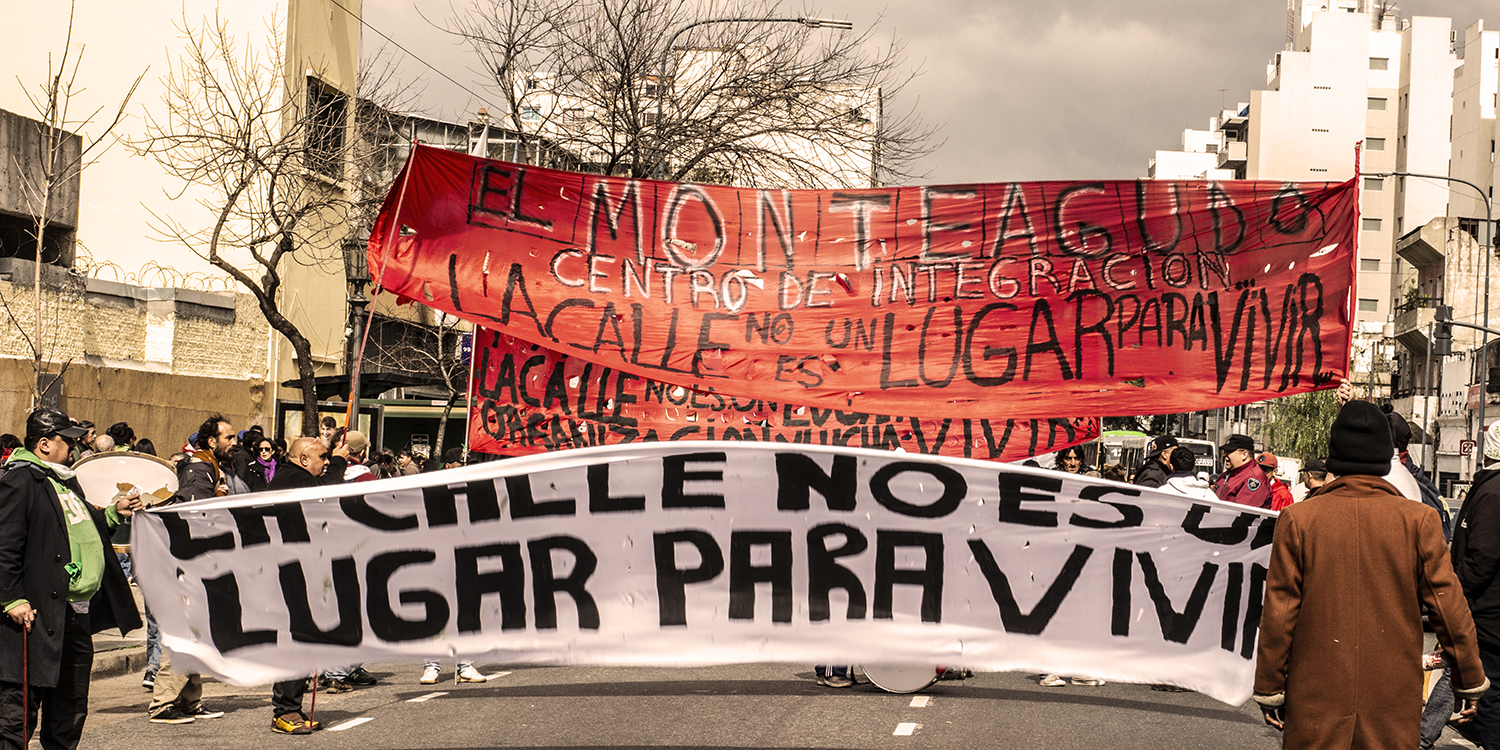
The Second People's Census of Homeless People in the City of Buenos Aires highlighted the specific problems faced by 42 transvestite and trans people.

Share

By Cecilia González. The Second People's Census of Homeless Individuals in the City of Buenos Aires brought to light the specific problems faced by 42 transgender and transvestite individuals and highlighted the need for a shelter for this community, stated Marcela Tobaldi, president of La Rosa Naranja, a civil association that defends the rights of transgender, transsexual, and transvestite communities. Tobaldi, who participated in the census, considered it "highly symbolic" that during the presentation of the results, transgender and transvestite individuals experiencing homelessness were only mentioned once and that the fact did not attract media attention, since, in general, only men, women, and children were discussed. "It is alarming that there are 42 transgender and transvestite individuals living on the streets and that they are not being talked about. Not being named is a form of violence because they are in this situation as a result of constant discrimination in all areas, including marginalized communities," she pointed out.
[READ ALSO: Being trans and living on the street: a reality that multiplies violence]
Last week, amidst a debate about the increase in the number of people experiencing homelessness in the city, the Second Census, conducted by more than 40 social organizations, including La Rosa Naranja and 100% Diversity and Rights, was released. According to the results, there are currently 7,251 people experiencing homelessness in the capital, representing a 23.5 percent increase compared to the First Census conducted in 2017. Eighty percent of those surveyed identified as male, 19 percent as female, and 1 percent as trans or travesti. Tobaldi explained that, in reality, the trans and travesti population is underrepresented, as they are difficult to find because they migrate frequently.The street also discriminates.
“They also suffer exclusion and discrimination on the streets. They aren't allowed to join the makeshift shelters formed by groups of men or families; they aren't given a place, so they have to keep moving. One night they sleep in a plaza, the next in a hotel where a friend drops them off, and the day after that they end up in the provinces. They're constantly on the move, so it's very difficult to identify them and have a more accurate count,” she stated. If more transvestite and trans people don't appear in the census, she said, it's because they aren't welcome among those who sleep under bridges or in other parts of the city where people who have lost their homes often share mattresses on the ground. “It has to do with the marginalization with which society has always treated us. We aren't included in any social hierarchy, and this discrimination is replicated in the context of homelessness,” she lamented. The activist added that the resources provided by the Buenos Aires city government are insufficient because the number of spaces for transvestite and trans people in shelters is minimal.[READ ALSO: Trans activist attacked in Buenos Aires and the police did not respect her identity]
“At the Azucena Villaflor shelter in San Telmo, they don't allow more than three or four trans people because there's a lot of violence from women with children. They also don't allow people who haven't legally changed their gender identity and don't have an ID with a female name to stay. It's the same at the Frida Kahlo shelter near the Garrahan Hospital. At El Hogar de Cristo in Flores, there are several trans women, but what we want, what we're working towards, is a shelter specifically for transvestite and trans people,” she said. The need isn't just for people experiencing homelessness, she clarified, “but also because many women are released from prison and have nowhere to go, or many have to stay inside because they're under house arrest but have nowhere to serve it. That's why we need a specific shelter. All the other groups have one: there are shelters for women who suffer gender-based violence, for children, for the elderly—they're support spaces that we also need.” Tobaldi pointed out that, while the census made transvestites and trans people visible, it did not identify gays and lesbians, which shows that there is still much work to be done to encompass gender diversity.Trans people, underrepresented in the census
On the other hand, Yahajaira Falcón, a human rights activist and official with the Public Defender's Office of the City of Buenos Aires, agreed that the trans and travesti population experiencing homelessness is underrepresented in the census and that, furthermore, they suffer constant institutional violence from the security forces and aggression in general. “There are many more trans women on the streets than the census indicates. Just in the makeshift shelter at Garrahan Hospital, there are about 15, and in the old Caseros prison, there are around 20. It's very common for them to be beaten, raped without condoms, and infected with HIV, and for police officers to force them to sell drugs or otherwise prevent them from engaging in prostitution or sleeping in certain areas. There are loopholes that force them to cook for the police in order to be allowed to sleep in a safe place,” she stated. Martín Canevaro, an activist with 100% Diversity and Rights, stated that “the inclusion of the trans variable in the People's Census represents progress in the type of articulation with other social movements that have traditionally held a heteronormative view. Furthermore, the gender identity variable will also be included in the upcoming census in Mar del Plata. This allows us to make visible a reality that requires a specific state response, through targeted public policies that we continue to demand in a context of austerity and increased poverty that exacerbate the conditions of violence against the LGBTI+ population, especially transvestites and trans people.”We are present
We are committed to journalism that delves into the territories and conducts thorough investigations, combined with new technologies and narrative formats. We want the protagonists, their stories, and their struggles to be present.
SUPPORT US

FOLLOW US
Related notes


We are present
This and other stories are not usually on the media agenda. Together we can bring them to light.