

El Salvador: 23 years marching for LGBTI rights
The march, which in 2019 celebrated 23 years of uninterrupted service, is the oldest in Central America; the first one was in 1997, five years after the signing of the peace agreement that ended the armed conflict in the Central American country.

Share

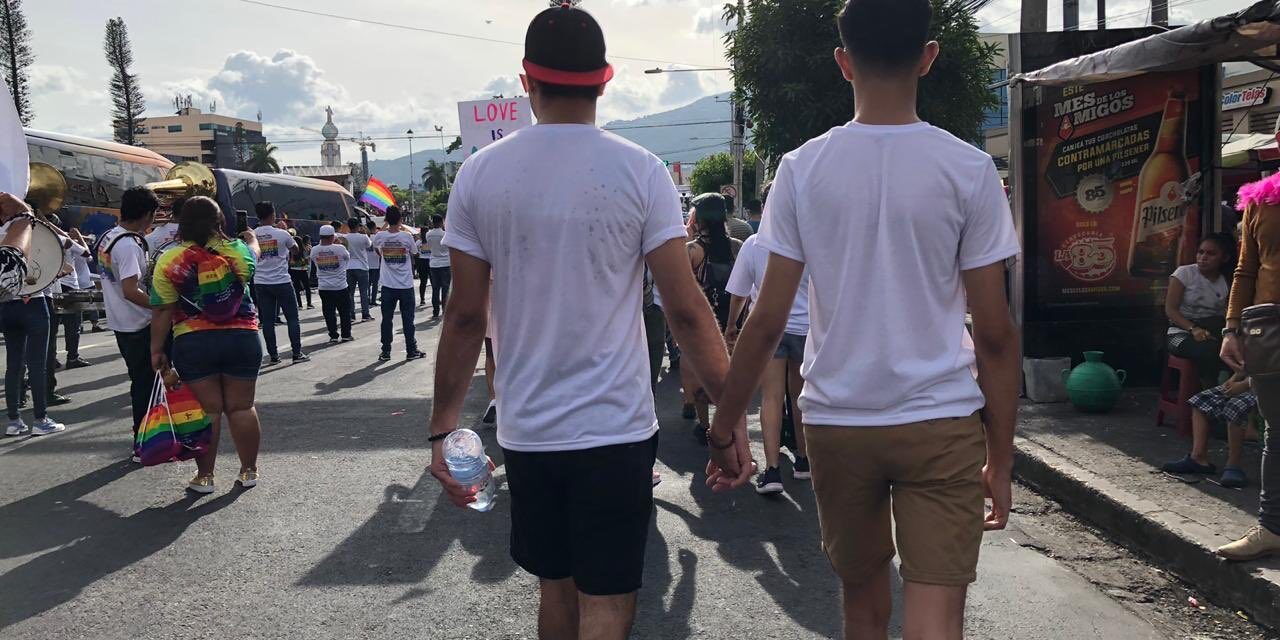
By Paula Rosales, from San Salvador. Darayana Navarrete chose a striking blue dress to march through the streets of the Salvadoran capital. As organizers finished preparations, people approached Darayana to ask for a photograph; she smiled and enjoyed the public attention. “This is a day when we can express ourselves as human beings; it’s also a day to demand our rights and for everyone to understand that we have the same rights as all Salvadorans,” Darayana told Presentes. The march, which in 2019 celebrated its 23rd consecutive year, is the oldest in Central America. The first one was in 1997, five years after the signing of the peace accords that ended the armed conflict in the Central American country. That year, a group of trans women organized to demand their rights in a country still reeling from the ravages of war.
 “We are victims of both social and institutional violence, because the State is also complicit in these hate crimes, complicit in denying LGBTI people access to justice and reparations. These crimes continue to go unpunished,” Bianka Rodríguez, director of COMCAVIS Trans, told Presentes.
 Twenty-three years have passed since they decided to take to the streets to make their demands visible, but also to demand that the State legislate to eradicate discrimination, attacks, and murders: from 1992 to 2019, it is estimated that more than 600 LGBTI people have been murdered. “It is necessary to make visible the alarming situation we are experiencing, which is why hundreds of LGBTI people have to leave El Salvador every year, they have to leave their homes because of the persecution they suffer from criminal groups and also from State security agents,” Bianka pointed out.
 This year, the LGBTI community decided that they will not take “one step back” in the fight for their rights enshrined in the constitution and human rights frameworks. According to organizers, an estimated 15,000 people participated in the march.
 “We will not take one step back in the fight for our rights, we will not take one step back in the progress we have already made in terms of public policy, we will not take one step back on the issue of the gender identity law, which is a historical debt that the Salvadoran state owes to the transgender population,” said Bianka.
 As the march took place, hundreds of onlookers came out to take photos and videos, applauded, honked their car horns, and showed their support. “Now we march to show these anti-rights groups that we exist and that we are not a minority as they call us. Today we are joined by mothers, fathers, cousins, nephews, and neighbors of LGBTI people. They cannot operate under the so-called ideology of hate, because that hate takes the lives of other LGBTI people.”
 According to estimates from the Salvadoran LGBTI Federation, there is an unofficial figure of 5,000 trans men and women in a nation of more than six million inhabitants. The trans community does not have a law protecting them or guaranteeing their access to employment, so many people must work in the informal sector, engage in sex work, or are unemployed. “We hope that the new government will maintain the progress made. The immediate opening of the Directorate of Sexual Diversity is fundamental because it had achieved important components such as measuring the workplace climate against homophobia. No organization can do that; only the State can,” William Hernández, director of the Entre Amigos association, told Presentes.
Share
We are present
We are committed to journalism that delves into the territories and conducts thorough investigations, combined with new technologies and narrative formats. We want the protagonists, their stories, and their struggles to be present.
SUPPORT US

FOLLOW US
Related notes


We are present
This and other stories are not usually on the media agenda. Together we can bring them to light.