

A new comprehensive HIV project was presented in the City of Buenos Aires
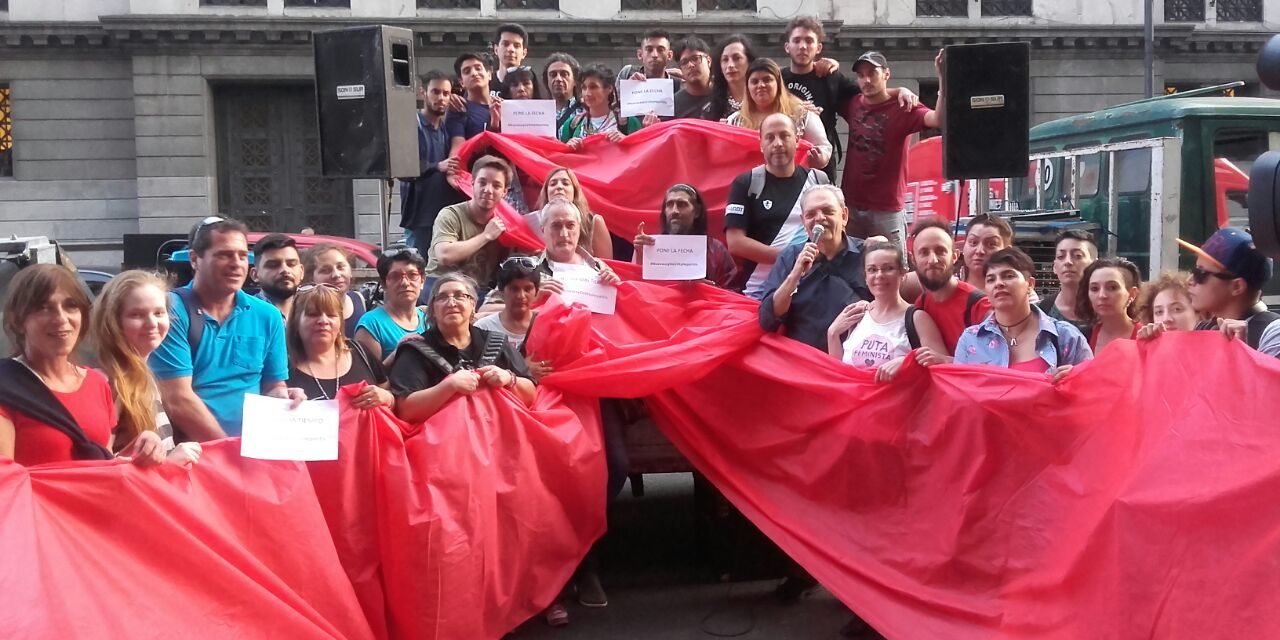
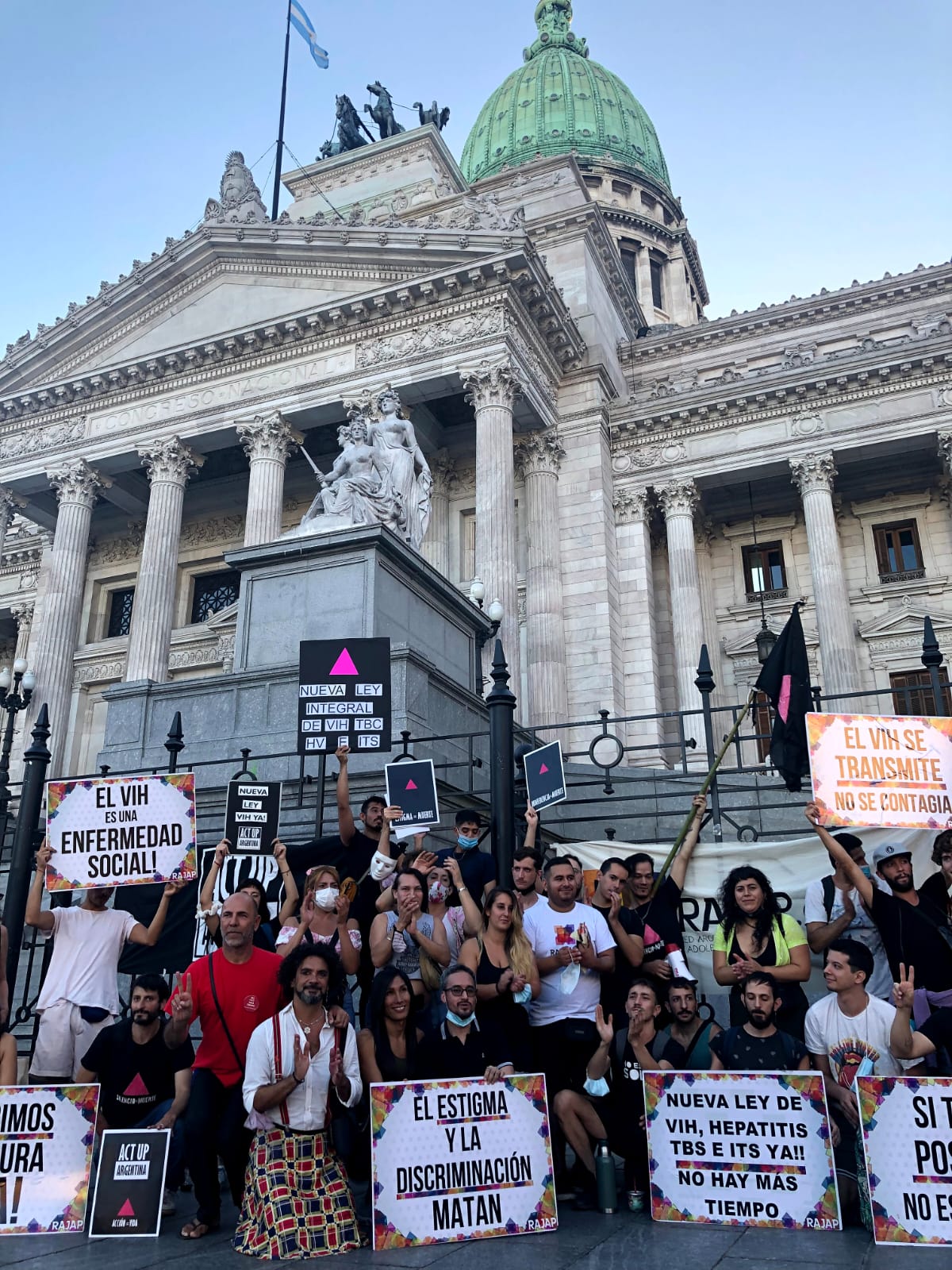
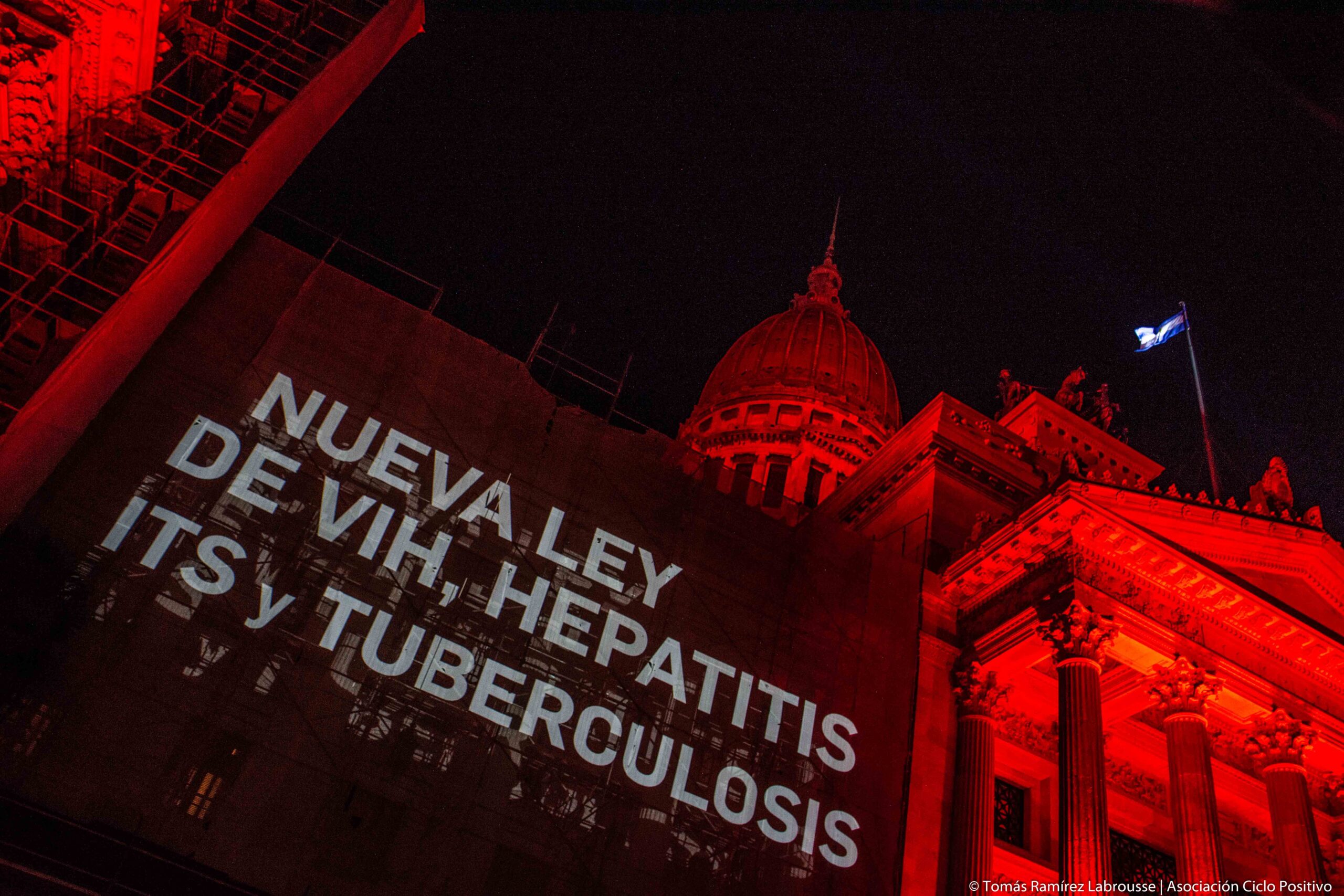
On Tuesday, the Comprehensive Bill on HIV, AIDS, viral hepatitis and STIs was presented in the Legislature of the Autonomous City of Buenos Aires, seeking to replace City Ordinance No. 45381.

Share

By Lucas Gutiérrez
On Tuesday, the Comprehensive Bill on HIV, AIDS, Viral Hepatitis, and STIs was presented in the Buenos Aires City Legislature, seeking to replace City Ordinance No. 45381. “We need to update the previous regulations. They are outdated, with stigmatizing content and concepts. We are taking advantage of this review to incorporate situations that the current law does not cover,” Max Sandoval, national coordinator of the Argentine Network of Positive Youth and Adolescents (RAJAP), told Presentes.
At the speakers' table alongside Sandoval were activist José María Di Bello, congresswoman Victoria Montenegro, and legislator and congressman for Unidad Ciudadana Javier Andrade, who presented the project.
“Concepts such as eliminating stigma and discrimination through strategies and campaigns have been added,” explains Max Sandoval. During the presentation, it was emphasized that there haven't been any information campaigns for years. “We seek to influence the City's Comprehensive Sex Education Law so that our sexual and reproductive rights are taken into account. Campaigns that inform people that an undetectable HIV status means untransmittable HIV can lead to the elimination of stigma,” says Sandoval.
[READ ALSO: #LivingWithHIV My little bug and I: What does it mean that the virus is undetectable?]
Another important point of the comprehensive bill concerns the shortage of antiretroviral medication. “Last year, when the national government withdrew its responsibility for purchasing ARVs, the provinces had to step in to sustain and maintain treatments. What we've included in this bill is that in the event of a shortage, the City of Buenos Aires is obligated to make purchases if the national government fails to do so,” added the RAJAP coordinator.
Paola Acuña, an activist with RAP+30, added that it is important for this to be “a project with a focus on human rights and gender.” Sandoval explained that among the proposals is the inclusion of psychological counseling after diagnosis, if needed. All the proposals urge the inclusion of people living with the virus in the actions taken.
[READ ALSO: Complaints filed about pension cuts for people living with HIV in Argentina]
During the project's presentation, activist José María Di Bello expressed his concern about the shortage of reagents for HIV testing in the country's hospitals. "This is a project that comes late, but it's welcome, arriving more than 37 years after the emergence of HIV worldwide and 29 years after the national HIV law," he said, adding his concern that the national bill on HIV, AIDS, viral hepatitis, and STIs failed to pass last year.
[READ ALSO: Congress halted new law on HIV, viral hepatitis and STIs: it lost its parliamentary status]
The National Front for the Health of People Living with HIV+ – comprised of more than 60 organizations – ATTTA, RAP+30, Fundación Grupo Efecto Positivo, and FALGBT were among the associations that collaborated on this project and will actively participate in the modifications and suggestions for the next step: its review in committee. “This is a working meeting,” said legislator Andrade.
“The goal is for the City of Buenos Aires government to work to guarantee the right to health for people living with HIV,” Andrade added. She emphasized the comprehensive nature of the project, noting that for a person living with HIV to adhere to their treatment, they must consider factors such as poverty, discrimination, access to employment, housing, and more.
We are present
We are committed to journalism that delves into the territories and conducts thorough investigations, combined with new technologies and narrative formats. We want the protagonists, their stories, and their struggles to be present.
SUPPORT US

FOLLOW US
Related notes
We are present
This and other stories are not usually on the media agenda. Together we can bring them to light.