

Lima passed a landmark ordinance against discrimination
Today at 4:00 PM, the Municipality of Lima approved the ordinance that promotes equality and prevents and punishes discrimination. It passed with 38 votes in favor and one abstention.

Share

By Vero Ferrari, from Lima
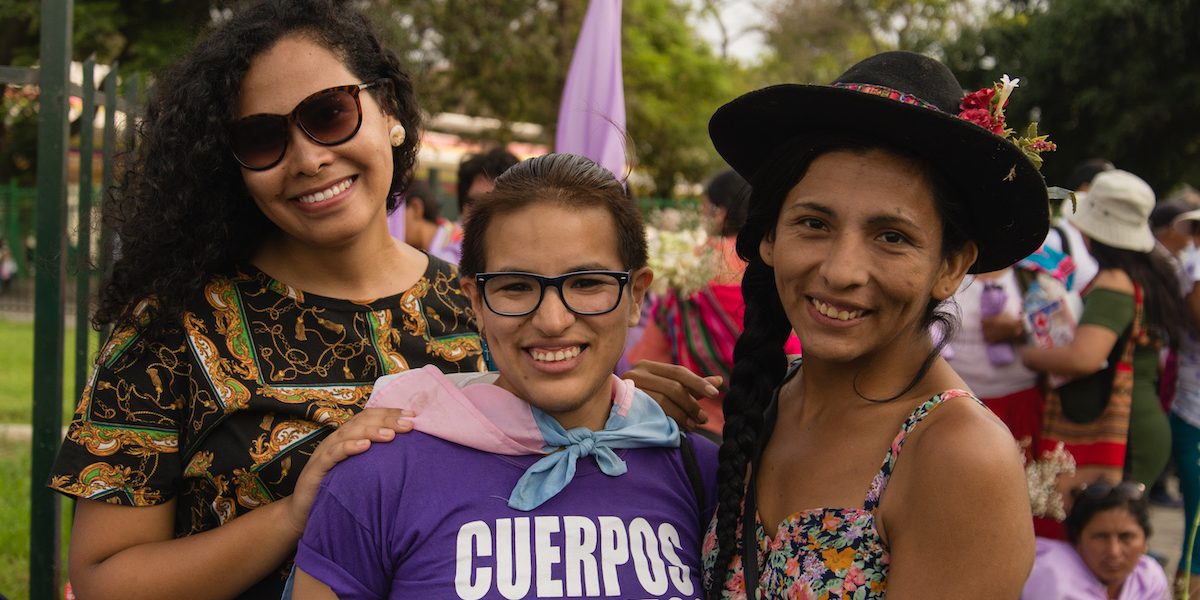
Photo: Esteban Marchand
Today at 4:00 PM, the Municipality of Lima approved an ordinance promoting equality and preventing and punishing discrimination. It passed with 38 votes in favor and one abstention from evangelical councilman Orestes Sánchez of Podemos Perú.
The new regulations require all public and private services to display a sign stating that no one can be discriminated against for any reason, and especially not for categories protected from discrimination.
Failure to comply with this rule will result in a fine of up to 1 UIT (3000 soles).
This ordinance was an electoral promise of the mayor of Lima, Jorge Muñoz, who stated that it would be approved within 100 days of his administration.
[READ ALSO: The Peruvian Court ruled in favor of the gender approach in schools]
“The ordinance is important because it identifies vulnerable populations. It was a victory for civil society that the categories of sexual orientation and gender identity were included. Representatives of Afro-Peruvians and Indigenous people joined the movement, along with a leader of people with disabilities. They came together as a bloc, and it was successful,” Manuel Siccha, an LGBTI councilman in Lima, told Presentes.
Furthermore, the activists announced the creation of a Pro-LGBTQ+ Caucus, which has already garnered the support of 27 of the 39 council members. This majority will allow them to enact more legislation in favor of the LGBTI community.

Sansy Susel, Manuel Siccha, Marco Ramirez and Barbara Ventura
[READ ALSO: 2018: The trans population, the main victims of violence in Peru]
Pamela Moreno, an activist with the trans organization Féminas, told Presentes, “This is a very important ordinance for trans people because it establishes gender identity as a category to be protected against discrimination. It will greatly improve the daily lives of trans people. Municipal workers and security guards will have to learn to respect us more, especially the women who live downtown. And the general population as well. That’s what’s needed here in the city.”
We are present
We are committed to journalism that delves into the territories and conducts thorough investigations, combined with new technologies and narrative formats. We want the protagonists, their stories, and their struggles to be present.
SUPPORT US

FOLLOW US
Related notes


We are present
This and other stories are not usually on the media agenda. Together we can bring them to light.