

PARAGUAY: Diverse House, first home for LGBT+ victims of violence
By Juliana Quintana, from Asunción. Photos: Jessie Insfrán. “We demand the depathologization of trans identity.” “We demand the right to non-discrimination.” “We demand the right to identity.” These are some of the slogans hanging on the walls of Casa Diversa, a temporary shelter for LGBTQ+ people who are victims of violence…

Share

By Juliana Quintana, from Asunción
Photos: Jessie Insfrán
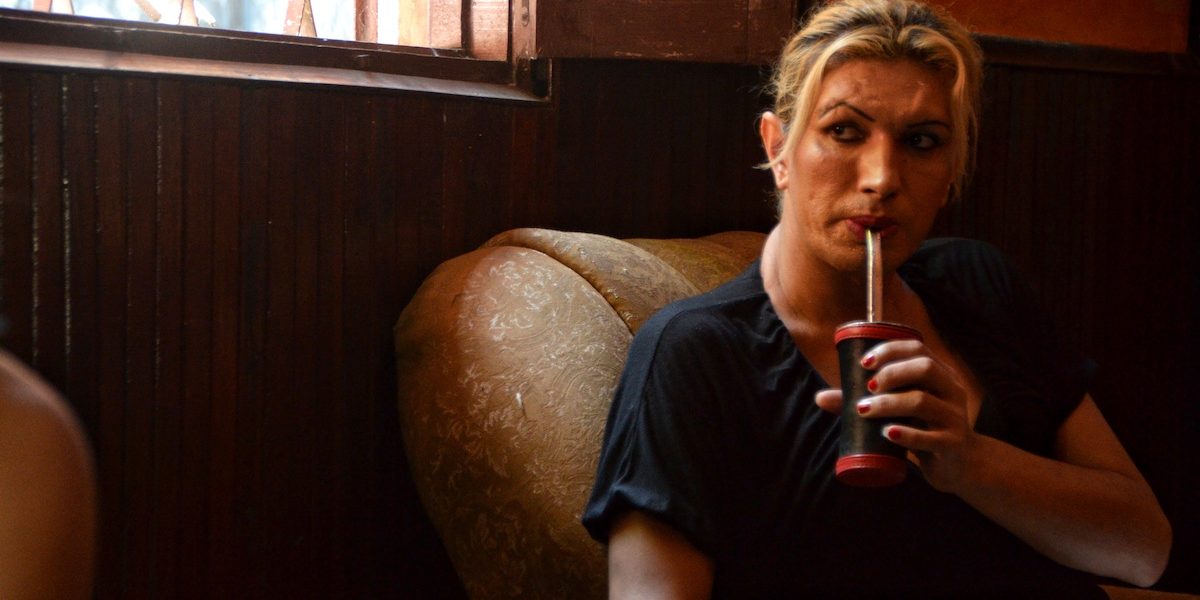
“We demand the depathologization of trans identity.” “We demand the right to non-discrimination.” “We demand the right to identity.” These are some of the slogans hanging on the walls of Casa Diversa, a temporary shelter for LGBTQ+ people who are victims of violence or experiencing homelessness. Located in the city of San Lorenzo—13 kilometers from Asunción—it is the first trans shelter in the country .
This is a self-managed project run by people who understand the need for support in the face of violence and discrimination from their own families or partners. “With the other organizers, Mónica, Liz Paola, and Tami Tozzy, we know what it’s like to live on the streets. We know what it’s like to be a teenager, to be kicked out of your home, and to be in a situation of prostitution,” activist and founder of Casa Diversa, Yren Rotela, Presentes

Why was Casa Diversa created?
“I was a trans girl and teenager. It wasn't easy for me to accept my gender identity, to face an entire society with a patriarchal culture that discriminated against me and abused me at the same time. Many men who spoke ill of trans people in front of their families and considered themselves great gentlemen were the same ones who also sought me out. At 13 or 14 years old, I only wanted to be who I am, and I wasn't allowed to. The street was the worst hell for me. For these reasons and many more, Casa Diversa was born. I will fight against all odds so that LGBTI people have the opportunities that many of us didn't have,” Rotela stated.
The first residents of the trans house
Currently, three transgender girls under the age of 18 live at Casa Diversa: A, N, and S. They all share their stories with sadness. A is 14 years old and has many siblings; when she grows up, she wants to be an actress. She recounts that at age five, she “dressed in women’s clothing.” The day she decided to come out to her family, her brother beat and abused her.

“I arrived at my sister’s house around ten o’clock at night. Everyone was there. I went dressed up, in heels and all, but I had a feeling that something was going to happen there. When I arrived, my older sister greeted me warmly, then called me by my name. I greeted them and said, ‘I’m a trans girl,’ and that’s when my brother slapped me,” A. recalls.
[READ ALSO: This is how Peru's first Trans House works]
From that day on, her mother refused to accept her identity. She abused her. Neighbors reported her to the Codeni (Municipal Council for the Rights of Children and Adolescents), and today she is imprisoned for domestic abuse.
“I come from the streets, where I smoked crack and worked as a prostitute. I suddenly came across the Panambí organization. Yren Rotela invited me to a meeting. She told me about Casa Diversa and I wanted to come. Tamara (Tozzy) took me in for three months and then I moved here,” A. said.
 N wants to be a lawyer. She wrote it on one of the signs at the back of the house, where the support teacher asked them to write down their life plans. “My life was chaotic before coming to Casa Diversa. A friend told me about Yren, about the house, and I wanted to come, but at that time they didn't yet have enough equipment to support us.”
[READ ALSO: A home to provide shelter and support to LGBTI people]
The word “accept” is repeated throughout the narratives. For N, her family's acceptance isn't enough if it means living under conditions that don't reflect who she is. “I'm much better off here now. I'm no longer in that prostitution ring where men abused me,” she said.
 S is an actress and wants to be a dancer. She participated in the play “Drag Art II: Paraguay… Dreams and Nightmares,” directed by Omar Mareco at the Alliance Française, which ended last weekend. “People in my community in Caaguazú think I came here to prostitute myself,” S says. Actually, she came to rehearse the play. “When I was eleven, I ran away from home. I grabbed my mom’s clothes and makeup and went to a friend’s house. We went out dancing,” she recounts, laughing. “Many people discriminated against me and called me a faggot, which made me feel terrible. Then people started gossiping and told my mom I was gay. She was okay with it and didn’t say anything; she accepted me later because I have trans relatives. My grandmother and my mother are religious, and maybe that’s why they accepted me so quickly.”
Activism, donations, and summer workshops
The Casa Diversa project—led by activists from Panambí—carries out activities to raise funds and support the home. These include makeup courses (Mondays) and theater and visual arts workshops (Saturdays). They also plan to expand to include baking and manicure courses. “We want to give our fellow activists an opportunity. The training programs aim to promote their economic independence through social inclusion,” Liz Paola told Presentes.
[READ ALSO: Argentina: an LGBTI house opens in the city of Santa Fe]
The house has two bedrooms, a bathroom, a living room, a kitchen, and a patio. They still need basic necessities such as a refrigerator, beds, mattresses, fans, clothing, and non-perishable food. Therefore, they post appeals on social media almost daily, appealing to the community's solidarity.
All the items currently in the trans house were donated. The five organizers cover the living expenses. “Sometimes there isn’t enough for food, sometimes we need cleaning supplies. This is clearly not a mansion, and there are no luxuries. But what we don’t lack here is love, support, and understanding, which, for me, is paramount,” Rotela said.
 Extravaganza: Casa Diversa Inauguration
On February 1st, to mark its opening, Casa Diversa will organize a parade-show with a performance directed by Sandra Show.
Tickets cost 30,000 guaraníes and can be purchased on the day of the show at Weekend Disco & Pub (25 de mayo 760) or through Casa Diversa by calling +595 982 601 004. All proceeds will go to the trans house.
“Extravaganza is the brainchild of a trans friend who lived in Italy for 20 years, her name is Sandra Torres. She’s a friend; we’ve known her for many years. She started with the first trans group in Paraguay. In Lazos , she put on shows to raise funds for people who were dying of AIDS or were sick at that time,” Yren explained. She added, “If I have to wait for the State to respond, they’re going to keep killing us, hurting us, and violating our human rights. I’m very grateful to the people who trust me and who are helping me with this dream of creating a safe and different space.”
We are present
We are committed to journalism that delves into the territories and conducts thorough investigations, combined with new technologies and narrative formats. We want the protagonists, their stories, and their struggles to be present.
SUPPORT US

FOLLOW US
Related notes


We are present
This and other stories are not usually on the media agenda. Together we can bring them to light.