

#PHOTOS "Tell me who you hang out with": intimacy as a political act
With this unmissable photographic essay on sexual diversity, Paula Acunzo won the first prize in Small Format from the Association of Graphic Reporters of Argentina (ARGRA).

Share

Photos: Paula Acunzo
Text: María Eugenia Ludueña and Ana Fornaro (prologue to the book Tell Me Who You're With)
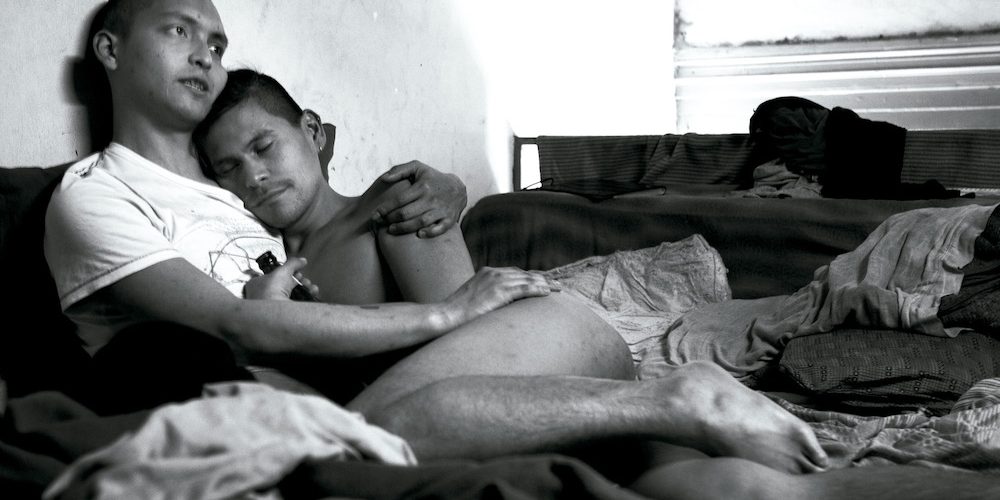
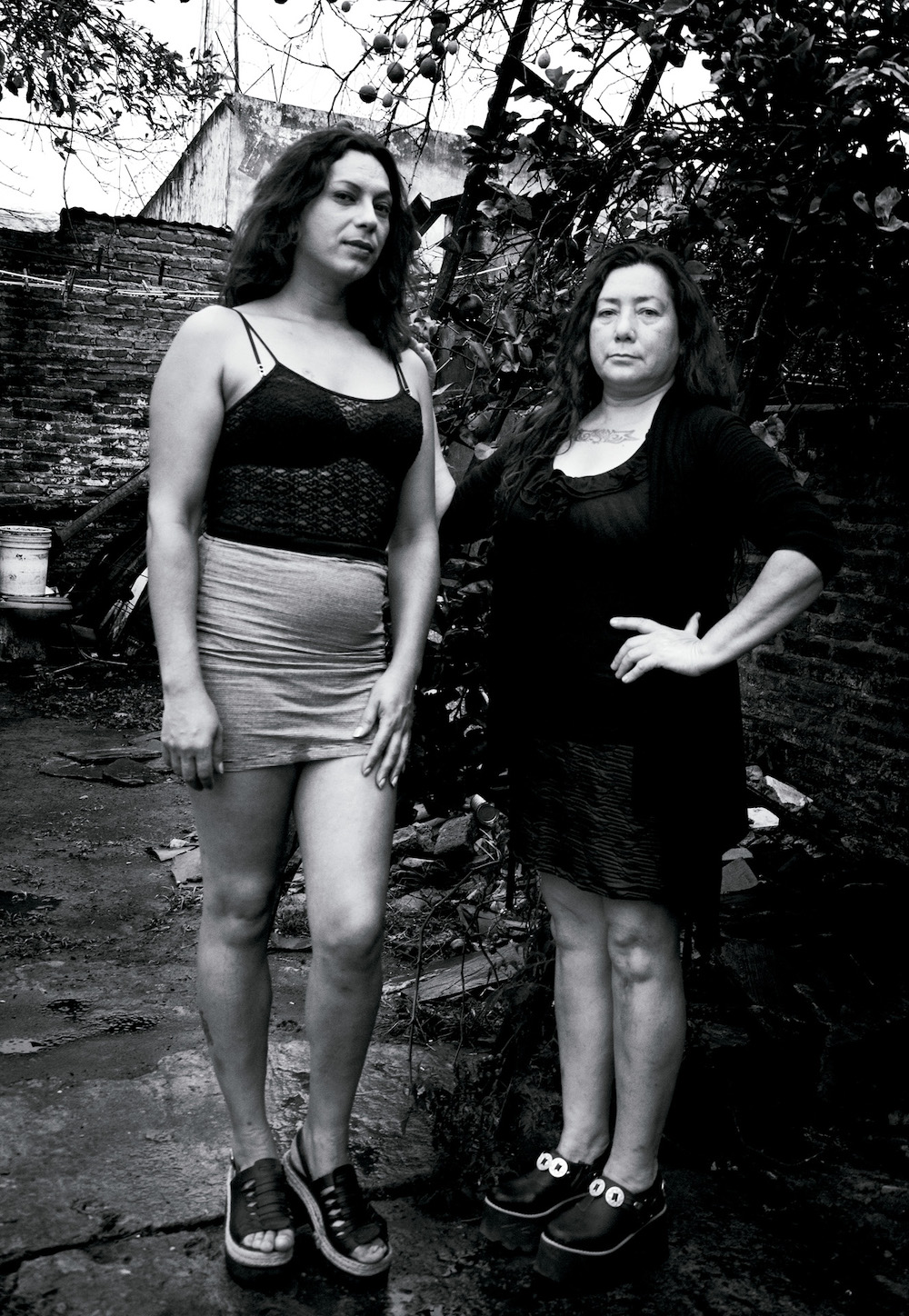
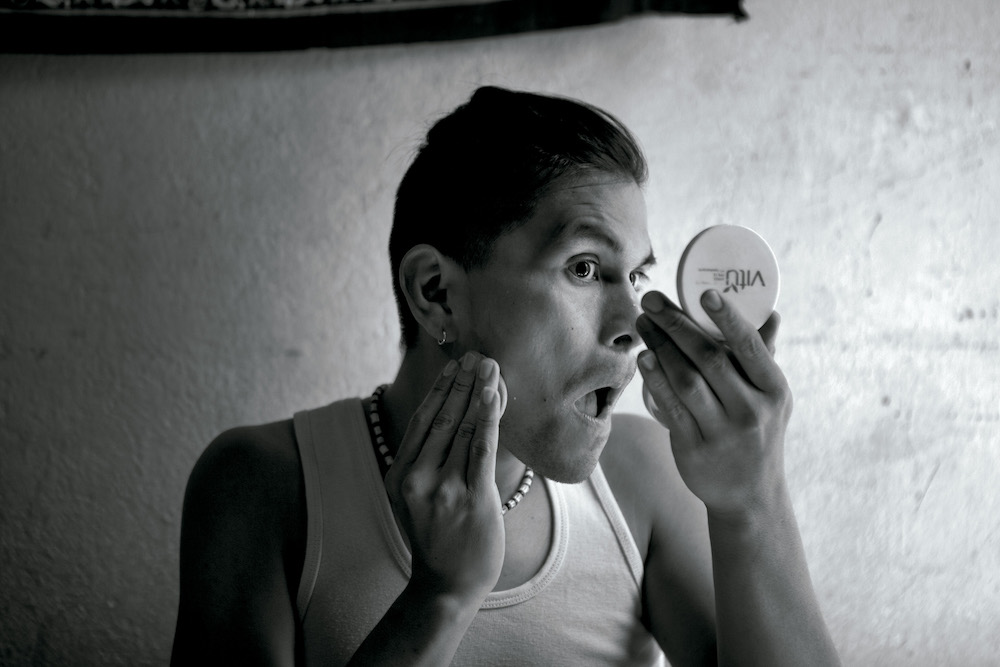
With this photographic work on three LGBTQ+ activists, Paula Acunzo won first prize in the Small Format category of the Argentine Association of Graphic Reporters (ARGRA ) in 2017. The book , "Tell Me Who You're With," compiles images of the lives of Sol, Irvin, and Marcos. It reminds us that in some countries, being LGBTQ+ means, if not death, having to flee and migrate to live with bodily autonomy.
From a journalistic perspective, we could group the ways of telling stories about LGBTIQ+ people (an acronym that includes Lesbian, Gay, Bisexual, Transgender, Intersex, Queer, and all those identities not perceived as represented by the former) into two groups: those narratives that exalt the category of the “phenomenon,” where dissident identities continue to be subjected to sensationalism (and to ever-present morbid curiosity, in both good and bad news). And those that focus on making visible both the human rights violations against these people and the gains and progress achieved through the struggles of sexual diversity collectives.
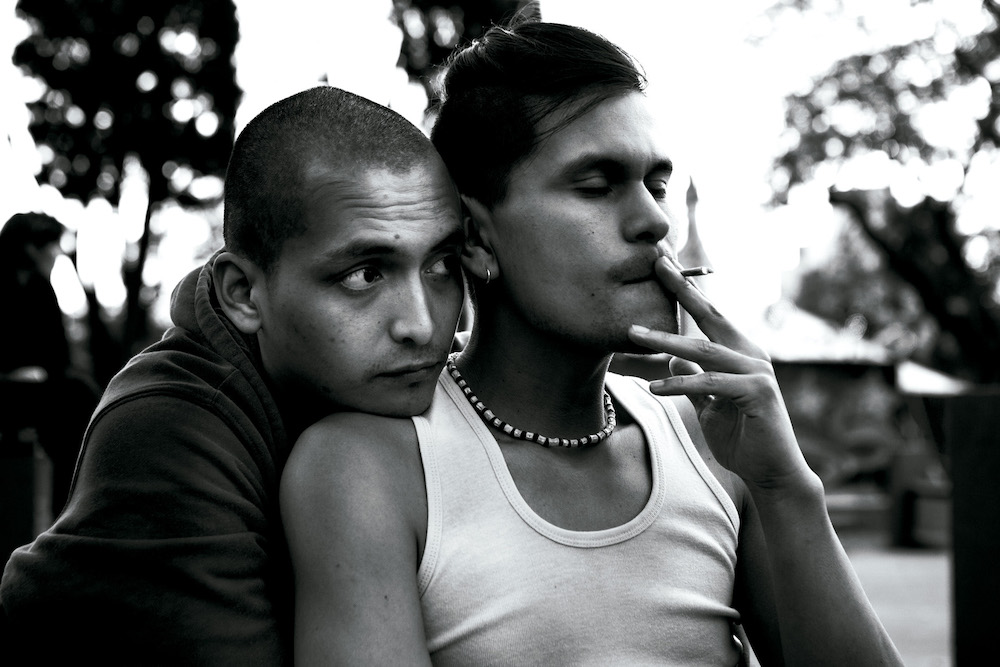
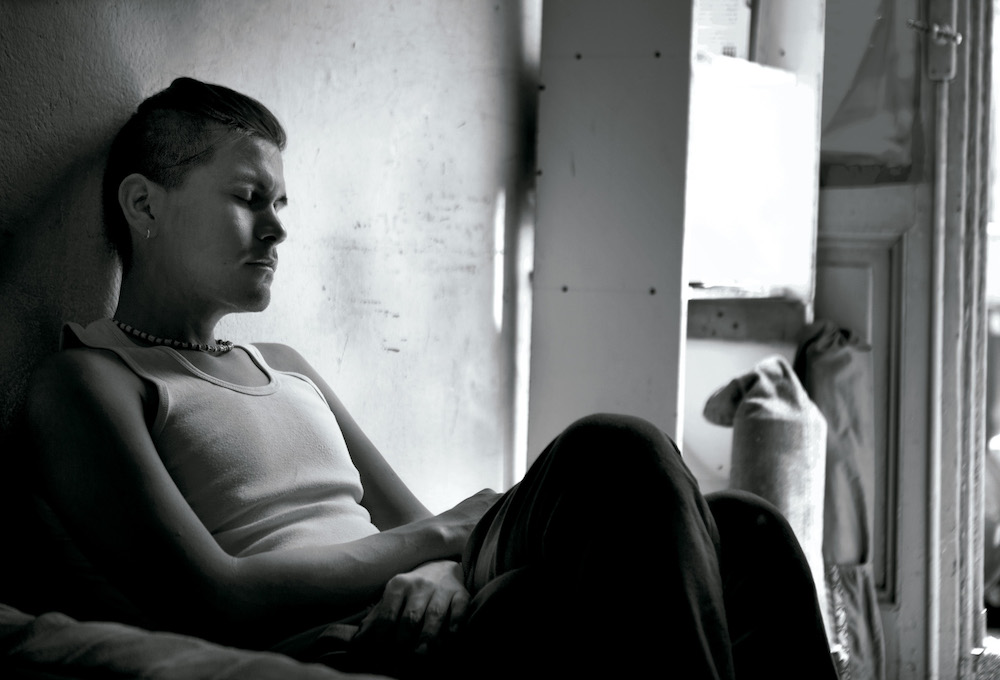
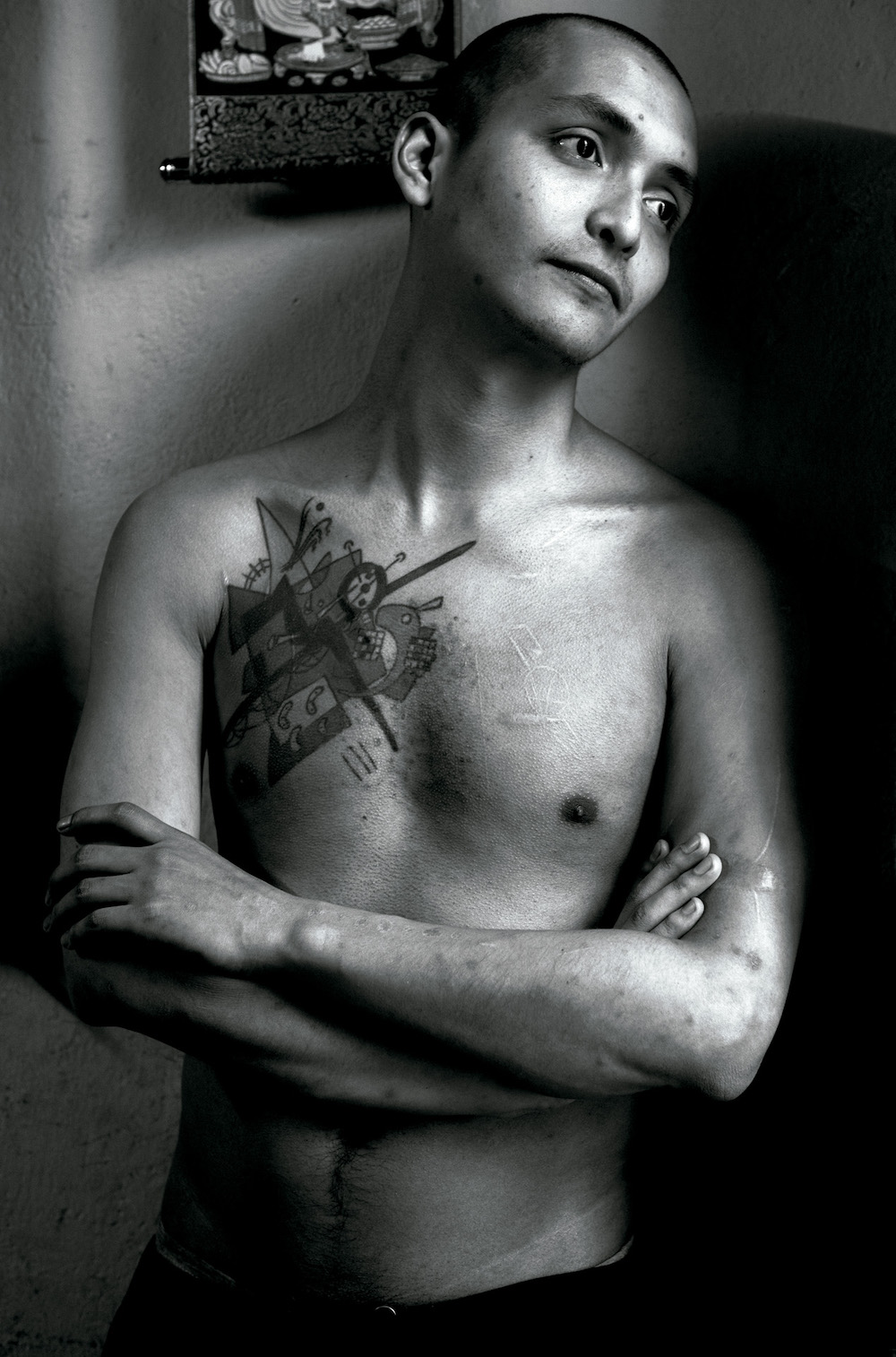 Paula Acunzo's photos glide along a third track, that of documentary photography, which invites us to observe Sol, Marcos, and Irvin in their intimacy, where the personal becomes political.
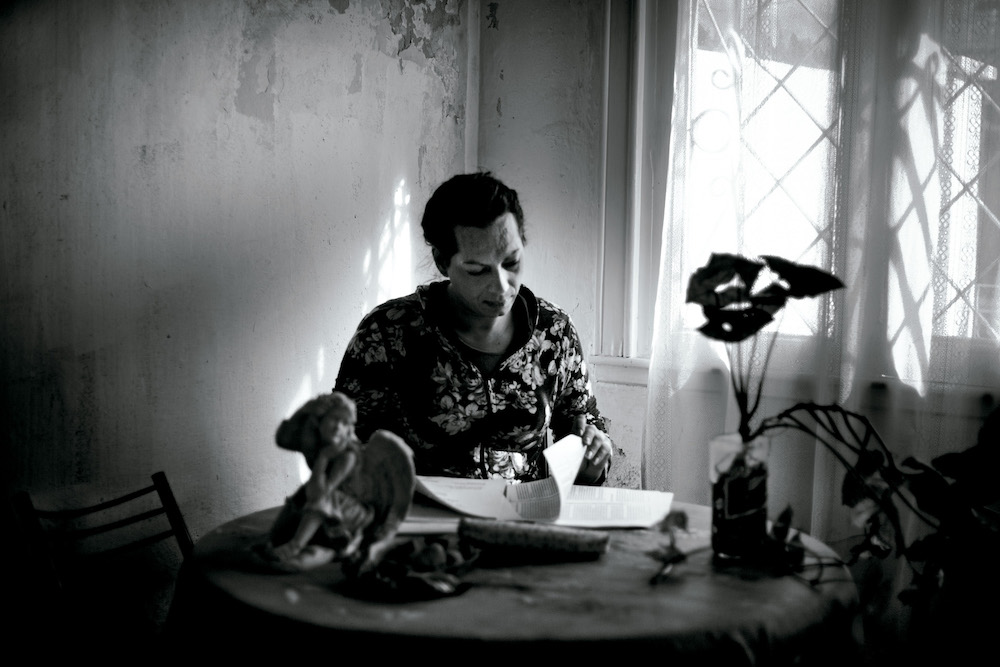
Observing them invites us to share in the joy of bodily freedom, in the game of pursuing a desire beyond who it may be directed toward, constructing a gender that transgresses the binary. But we also perceive a trace of the pain inscribed in those collective Latin American struggles for sexual diversity. Because although these images show us the other side, being an LGBTQ+ person in Latin America means, among many other things, growing up in fear.
Despite some progress and even though in January 2018 the Inter-American Court of Human Rights (IACHR) stated -in a historic decision- that the rights of trans people and same-sex couples are protected by the Human Rights Convention and ordered the States that sign it to guarantee their full exercise, Latin America is a dangerous place for LGBTQ people.

Every week, nine people are murdered in the region because of their gender identity or sexual orientation , according to the Inter-American Commission on Human Rights report published in 2015.
In some countries, being an LGBTIQ person means, if not death, hiding, or living at night – as happens to many transvestite and trans people – having to escape to another city, to another country, to live the autonomy of one's own body.
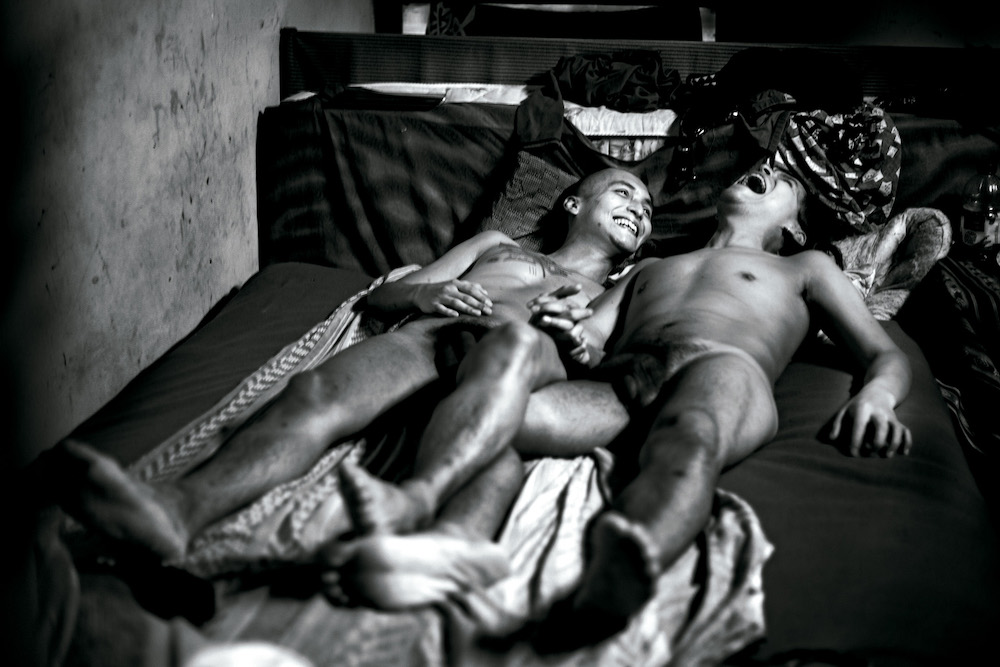
In Paula Acunzo's photographs, we meet Sol, Marcos, and Irvin in broad daylight. The camera captures them engaged in their loved ones, their routines, their surroundings. They don't care what others think. They have escaped, among many other things, prejudice; they are free, they know it, and it shows. They have escaped gender binarism, heterosexuality as the norm, and patriarchy.
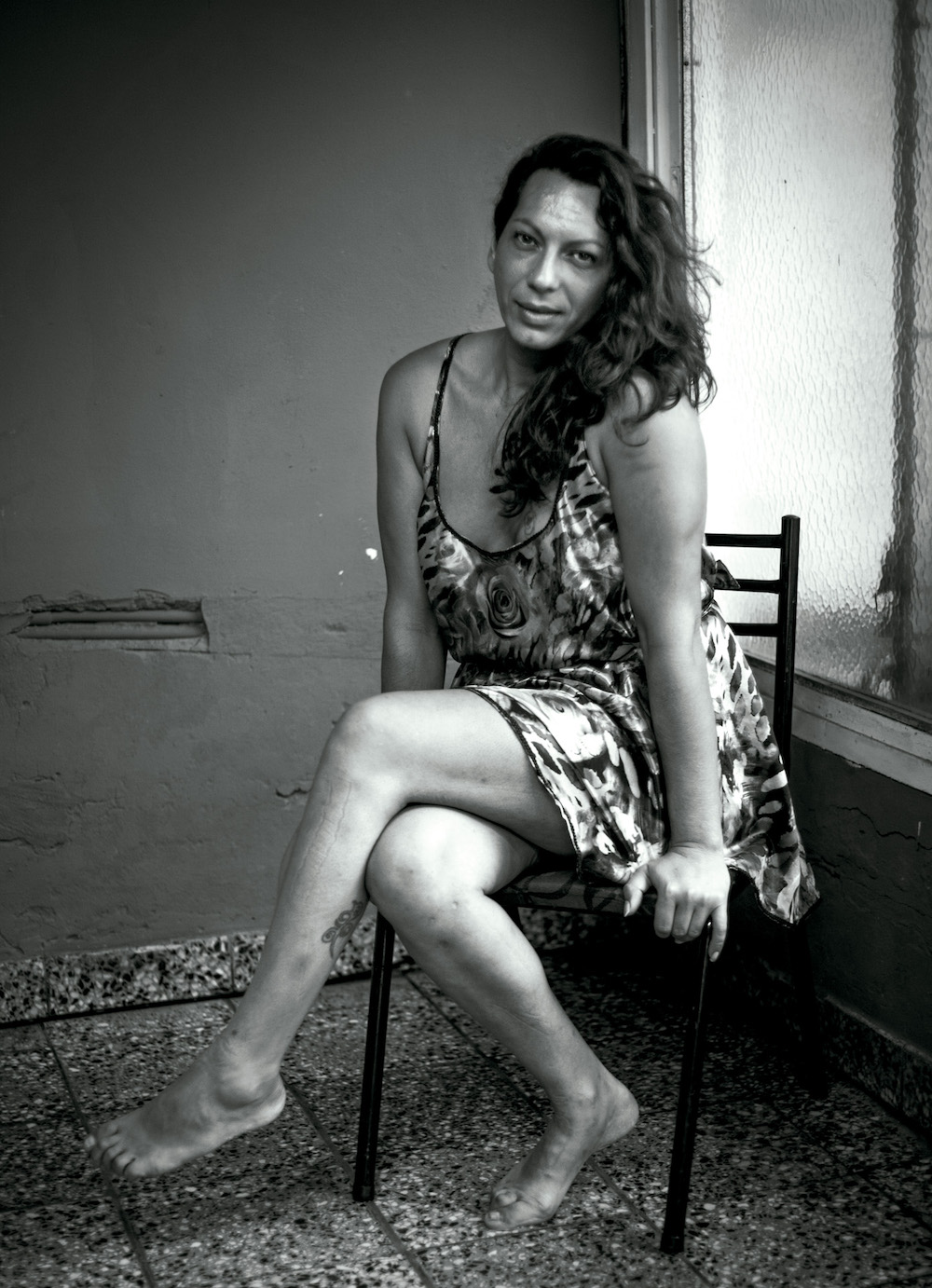
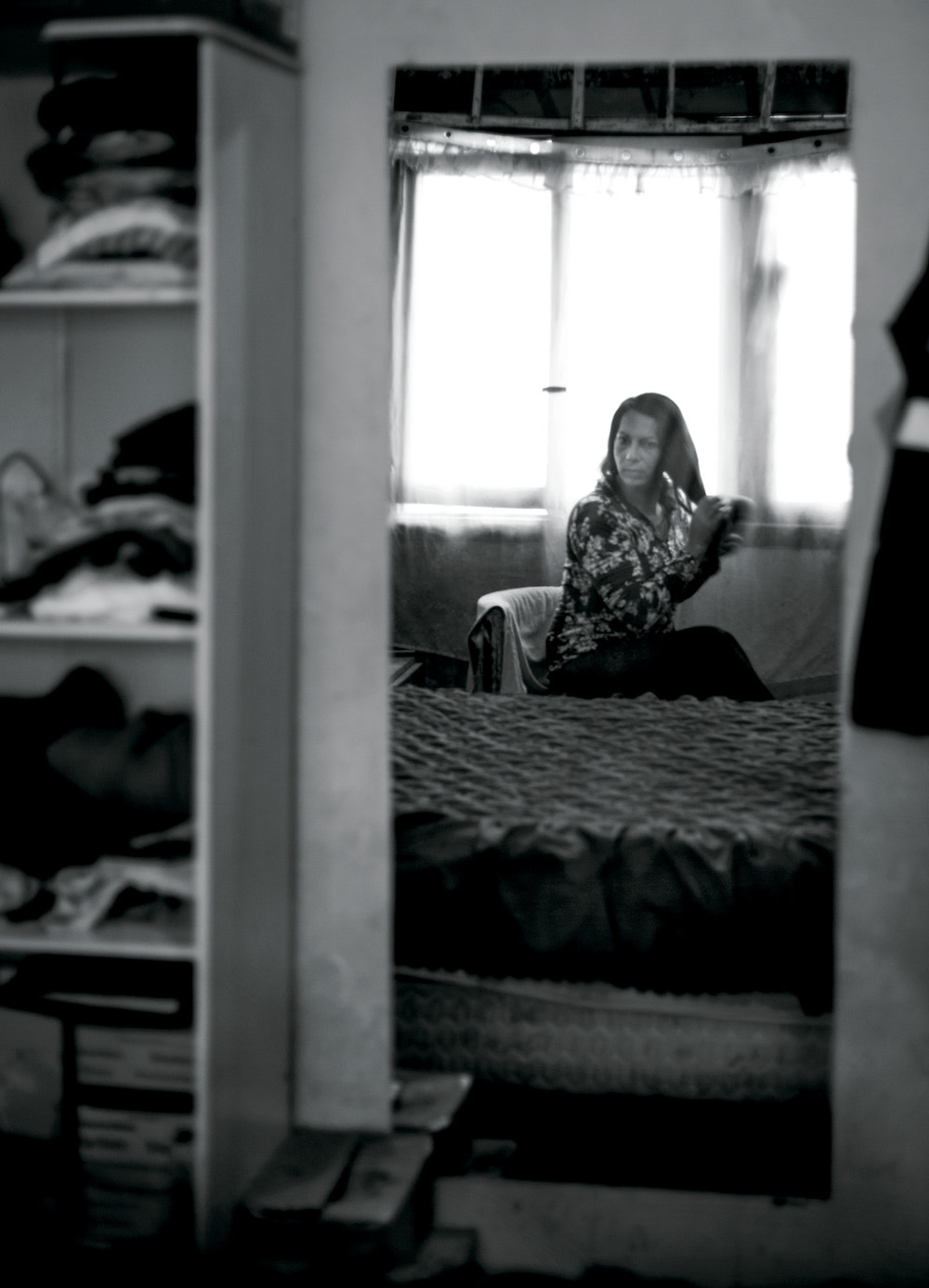
We don't see Sol dressed as a transvestite, nor in the places where the lack of public policies confines women, disguised as destiny. We see her in the neighborhood or within the four walls of her bedroom, under the protection of Evita, a declaration of principles and rights in one of the few countries that has a pioneering gender identity law in the world.
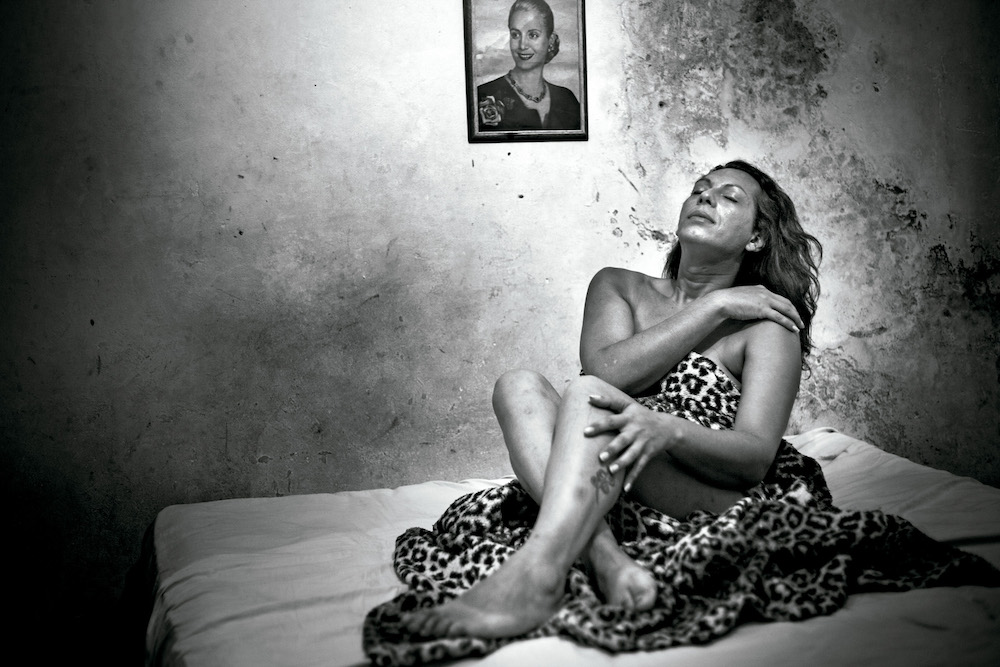 And yet, despite specific legislative victories, violence and discrimination against this community have not ceased. The bedroom, the home, seem like safe havens, territories of their own, although they offer no guarantees either: for a trans woman or transvestite, the average life expectancy in Argentina is 35 years.
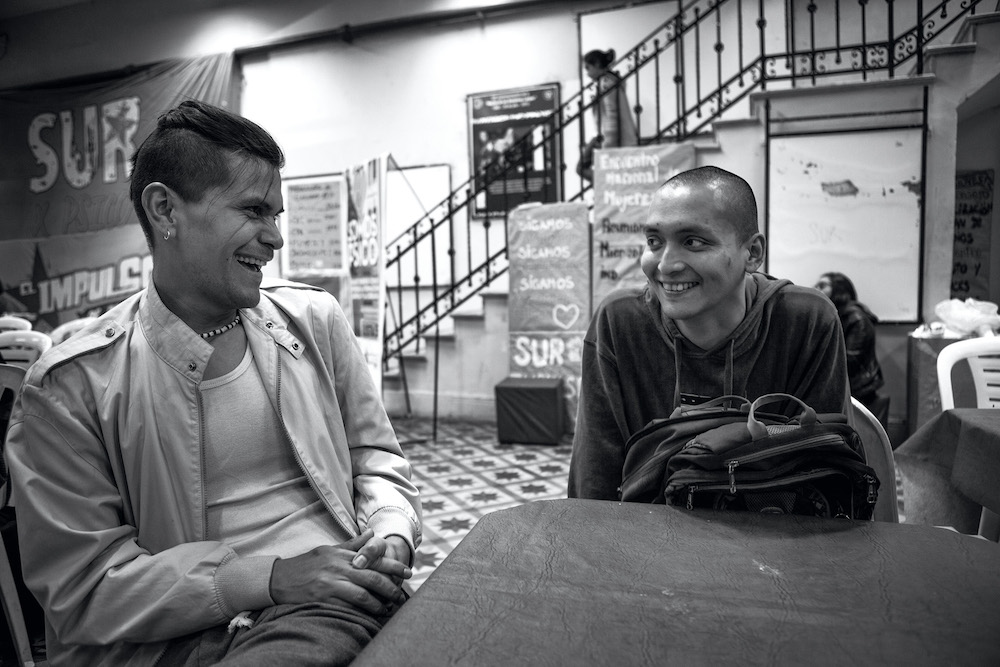
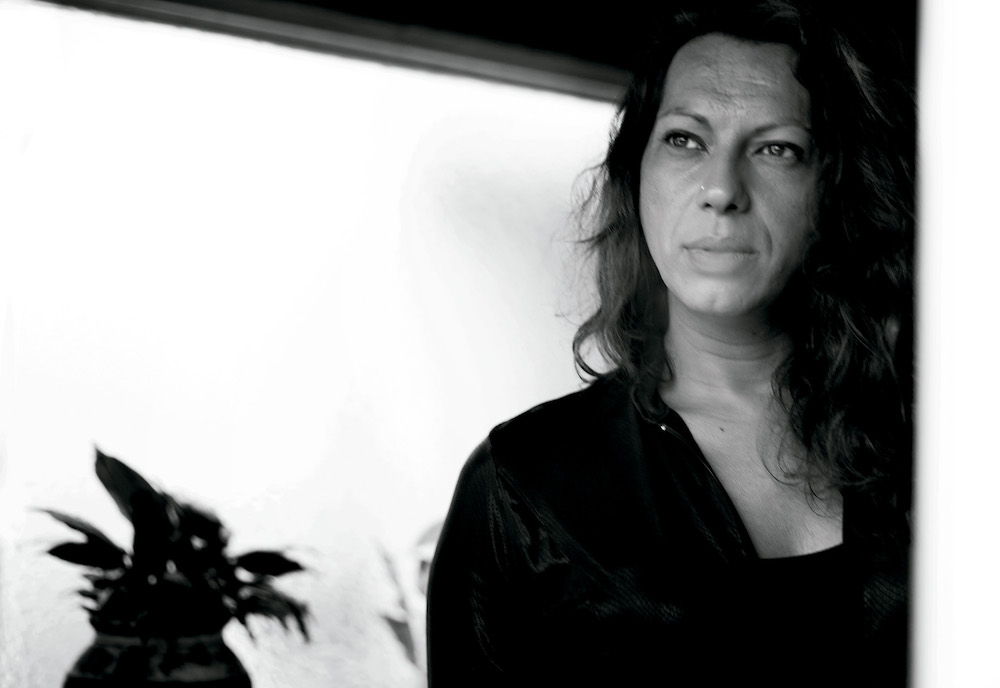 We don't see Irvin and Marcos fleeing the guerrillas in Colombia or neoliberal policies in Chile. We see them in the most intimate repose, where prejudiced violence seems like something out of a science fiction film.
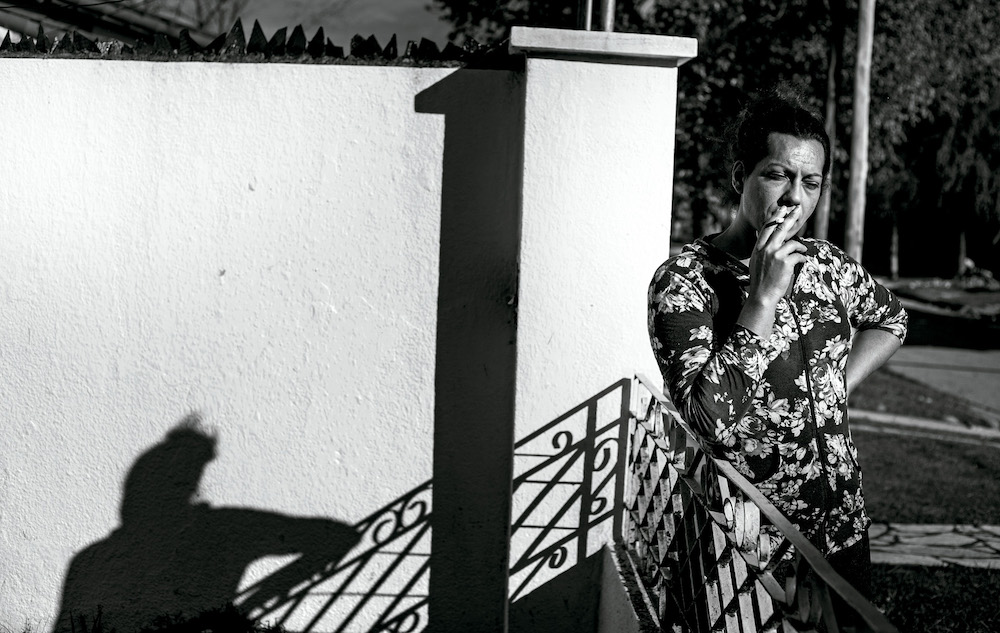 We see Sol, Irvin, and Marcos navigating the folds of everyday life, that space where bodies rest and strengthen themselves for the struggles to come. We see them and know that the battle, though not yet won, is already a small victory, and we are witnesses to it.
 The book Tell Me Who You're With, with photographs by Paula Acunzo (ARGRA, 2018), can be purchased here.
We are present
We are committed to journalism that delves into the territories and conducts thorough investigations, combined with new technologies and narrative formats. We want the protagonists, their stories, and their struggles to be present.
SUPPORT US

FOLLOW US
Related notes


We are present
This and other stories are not usually on the media agenda. Together we can bring them to light.