

Honduran court rejects appeal for same-sex marriage
The spokesman for the Judiciary in Tegucigalpa, Melvin Duarte, told the EFE news agency this weekend that the Supreme Court "declared inadmissible" an appeal filed by members of the LGBT community to reform the constitution and legalize same-sex marriage.

Share

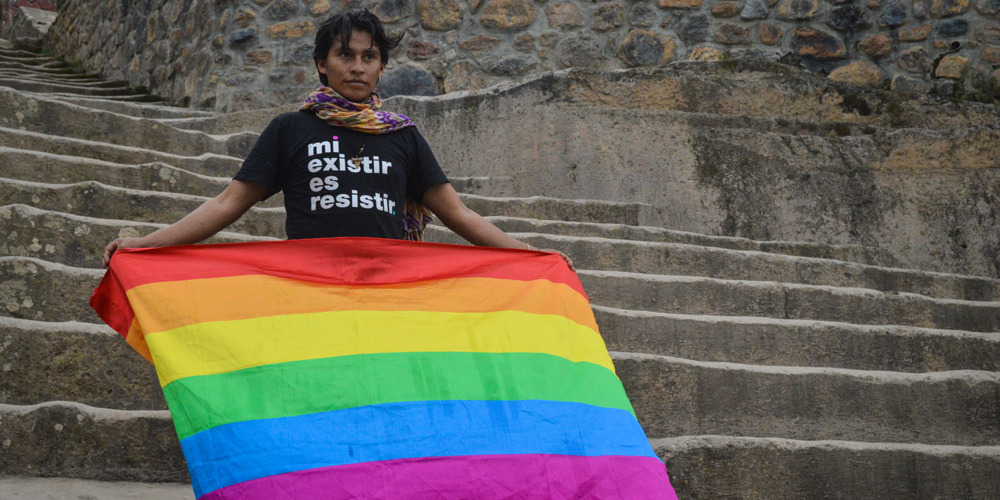
Photo: Jennifer Ávalos
The spokesman for the Judiciary in Tegucigalpa, Melvin Duarte, told the EFE news agency this weekend that the Supreme Court "declared inadmissible" an appeal filed by members of the LGBT community to reform the Constitution and legalize same-sex marriage.
The appeal was filed by the lesbian organization Cattrachas following the advisory opinion requested by Costa Rica and issued by the Inter-American Court of Human Rights (IACHR) in early 2018. It established that member countries must adopt binding measures in favor of the rights of people of sexual diversity, including marriage equality and gender identity.
[READ ALSO: Honduras: The trans candidate fighting against discrimination and violence]
Spokesperson Duarte argues that Cattrachas failed to present its legal accreditation as an organization. Duarte added that the Supreme Court is processing a second appeal on which it has not yet ruled.
[READ ALSO: Why Honduras is one of the most dangerous places to be LGBTI]
José Zambrano, a sexual diversity activist, told Presentes that the appeals were filed to exhaust domestic law and then turn to international bodies.
According to a Cidd-Gallup poll published last May, 70% of Hondurans rejected same-sex marriage.
Religious groups and resistance
In Honduras, the actions of fundamentalist Catholic and evangelical religious groups have made progress in maintaining restricted access and disinformation on topics considered "progressive or Western agendas" in the country, even going so far as to prohibit emergency contraception, abortion, same-sex marriage and adoption.
[READ ALSO: Being indigenous and LGBT in Honduras: the two flags of Gaspar Sánchez]
In response to the IACHR's advisory opinion, various politicians from different branches of government expressed their refusal to facilitate the process in Honduras. Media reactions focused on the constitutional nature of the prohibition against marriage and adoption in Articles 112 and 116, as well as asserting the country's autonomy regarding future binding actions, including the Court's advisory opinion .
Among Honduran sexual diversity organizations, not all consider same-sex marriage a priority, as they believe that the risk to the lives of LGBTI people is more important.
We are present
We are committed to journalism that delves into the territories and conducts thorough investigations, combined with new technologies and narrative formats. We want the protagonists, their stories, and their struggles to be present.
SUPPORT US

FOLLOW US
Related notes



We are present
This and other stories are not usually on the media agenda. Together we can bring them to light.