

A Psychology course from a transvestite and trans perspective
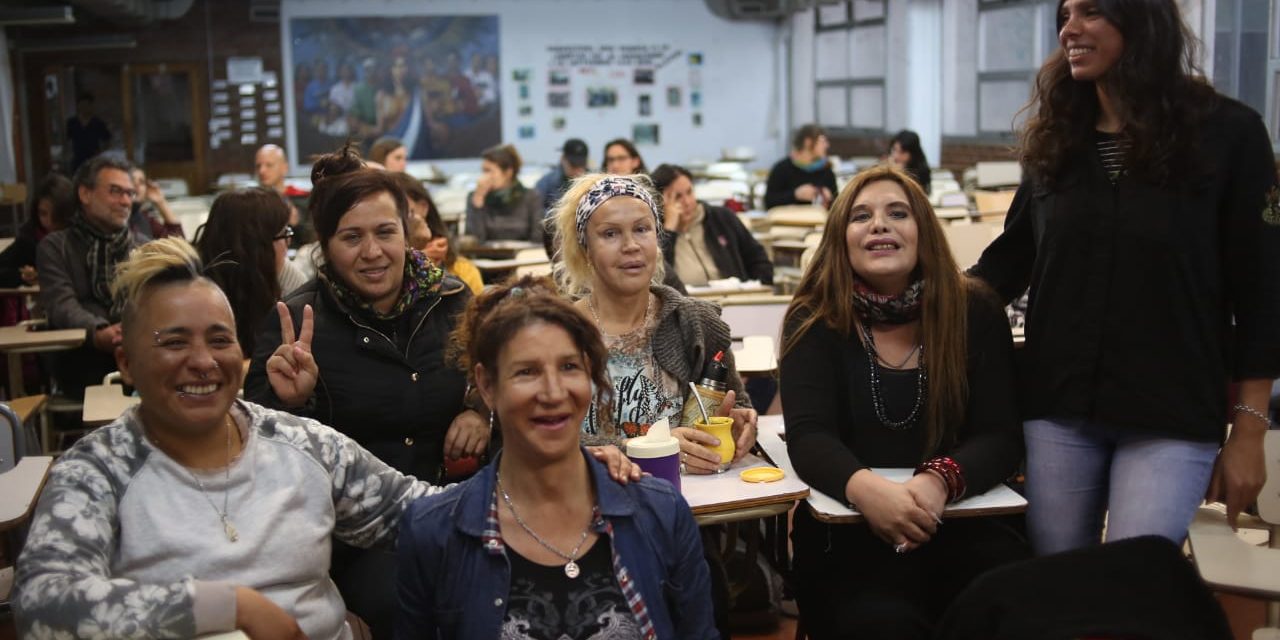
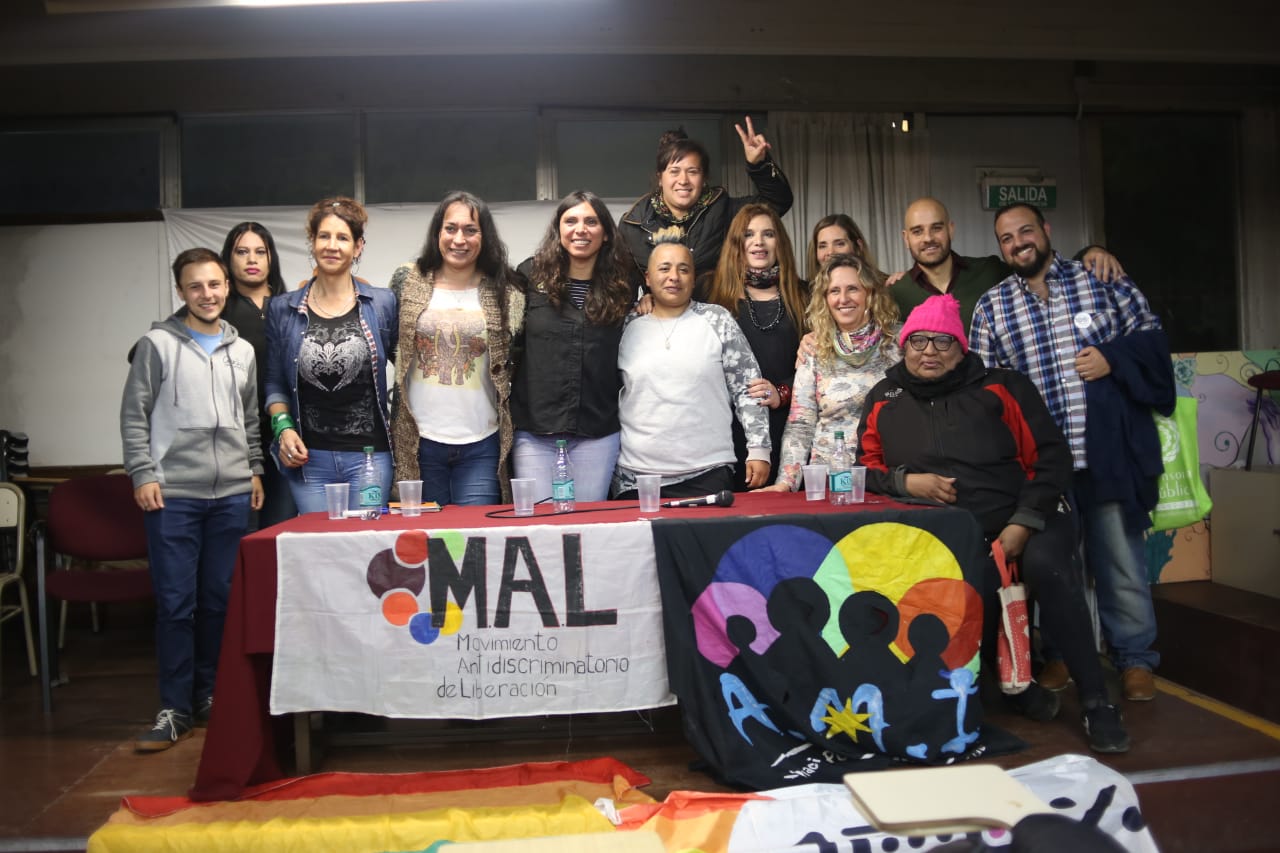
Two hundred people are participating in the Diana Sacayán Open Chair, which was launched on Friday, November 2nd at the Faculty of Psychology of the National University of Mar del Plata (UNMDP).

Share

Photos: Rodrigo Guantay, from Mar del Plata
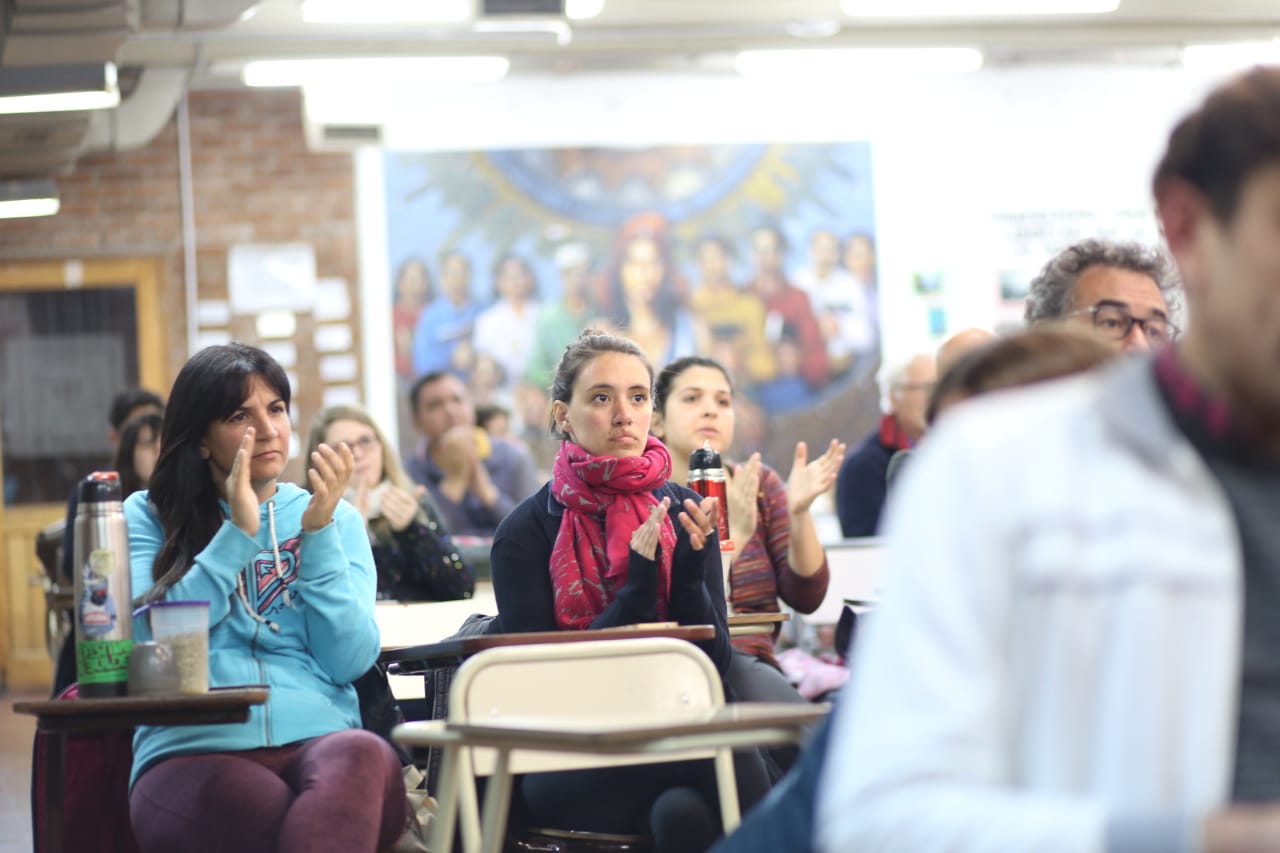
Two hundred people are participating in the Diana Sacayán Open Chair, which was launched on Friday, November 2nd, at the Faculty of Psychology of the National University of Mar del Plata (UNMDP). The participants are diverse: they include doctors and other healthcare professionals, faculty members, students, and mothers of trans children. The goal is to hold interdisciplinary meetings to depathologize trans and travesti identities. The initiative runs until December.
[READ ALSO: University of Mar del Plata already has its first employees through the #TransWorkQuota]
“Psychology is a significant bastion of the healthcare system that hegemonizes our identities by pathologizing them through binary discourse. It is important that the faculty has this openness, understanding the demands we make as an organization. Naming a chair after Diana is a way of vindicating her struggle, a way to honor her and continue winning rights,” says Agustina Ponce, a trans activist with Asociación Mundo Igualitario (AMI) and a law student.
Fernando Lozada, a member of HIJOS, a freethinking activist, and a militant for a secular state, explains that he attends the lecture to participate in a process of ongoing training. “Dissident identities are constantly developing theory and practice, and it is important that universities participate in these processes. Academia must be in constant contact with the protagonists,” he says. He adds, “Often, people speak from outside the movement, but it is essential that the university be a source of knowledge and that it also draw on activists to develop that knowledge. Both this discipline and Psychiatry have treated dissident identities as pathologies or anomalies that must be corrected. While homosexuality has been removed from textbooks for some time, it is important that this academic space be enriched by those who work for the recognition of rights and the construction of their own identity, and that this construction be synergistic.”
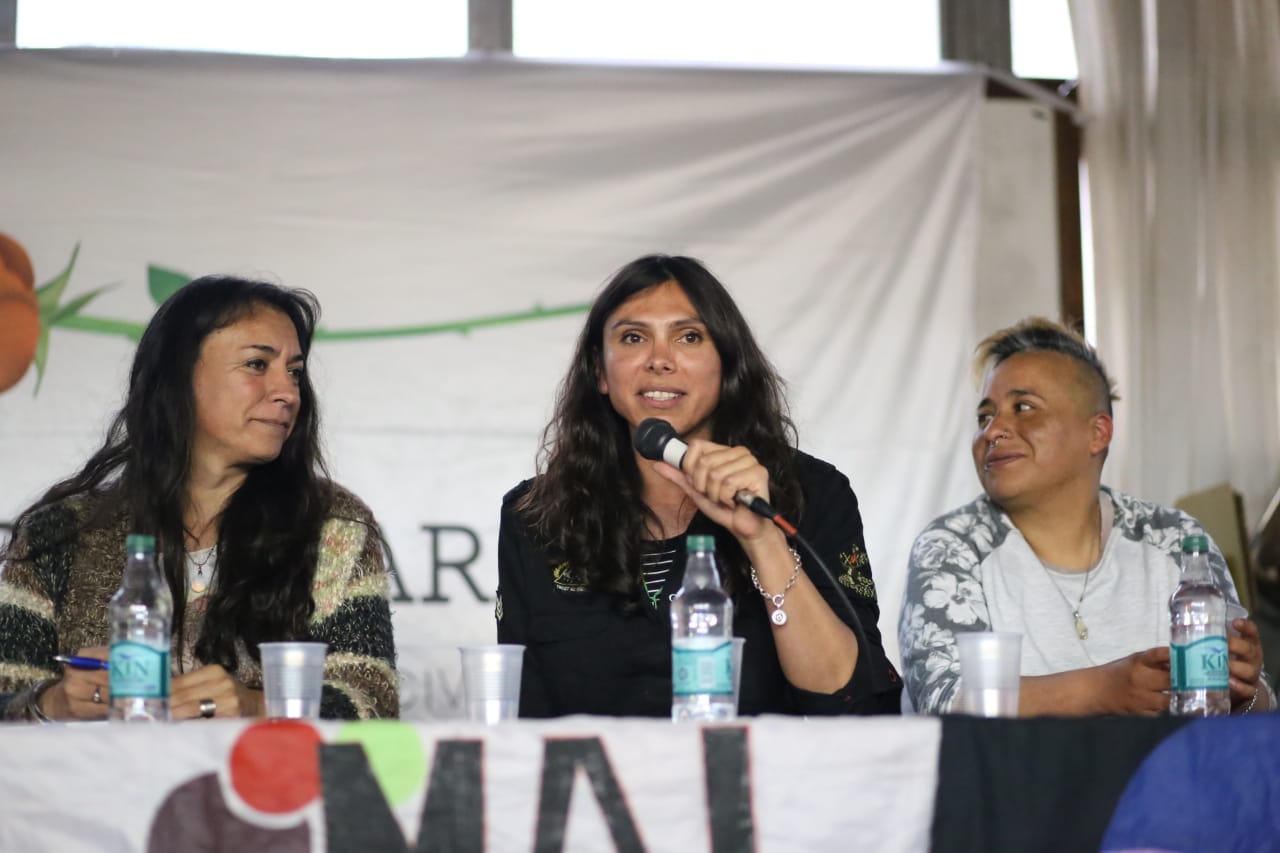
The chair is an initiative of the Extension Secretariat, the program, and AMI. Activist Say Sacayán, co-founder of the Anti-Discrimination Liberation Movement (MAL), was in charge of opening the chair.
Work
Claudia Vega, president of AMI, explains that the first meeting addressed the issue of the transvestite and trans job quota and what it means to have a decent job "which can lead to the desire to start a family, to access social security and decent housing. These are the problems faced by a trans person who has a life expectancy of 40 years compared to 75 for a non-trans person."
“It’s incredibly important that educators and students understand the struggle of the trans community. And the fact that this topic is being addressed in academic settings is directly related to that struggle, because we have to change our reality,” says Say Sacayán. She continues: “Diana left us her legacy, and we are carrying it forward every time a trans job quota is approved in a municipality, and with this course.”
[READ ALSO: University of Mar del Plata, first in Latin America with a trans job quota]
The project replicates the experience of the Lohana Berkins chair, which began to be taught at the Faculty of Health Sciences and Social Work of the UNMDP months after the death of the trans activist, in February 2016. That academic experience was the trigger for the implementation of the transvestite trans job quota at the National University of Mar del Plata.
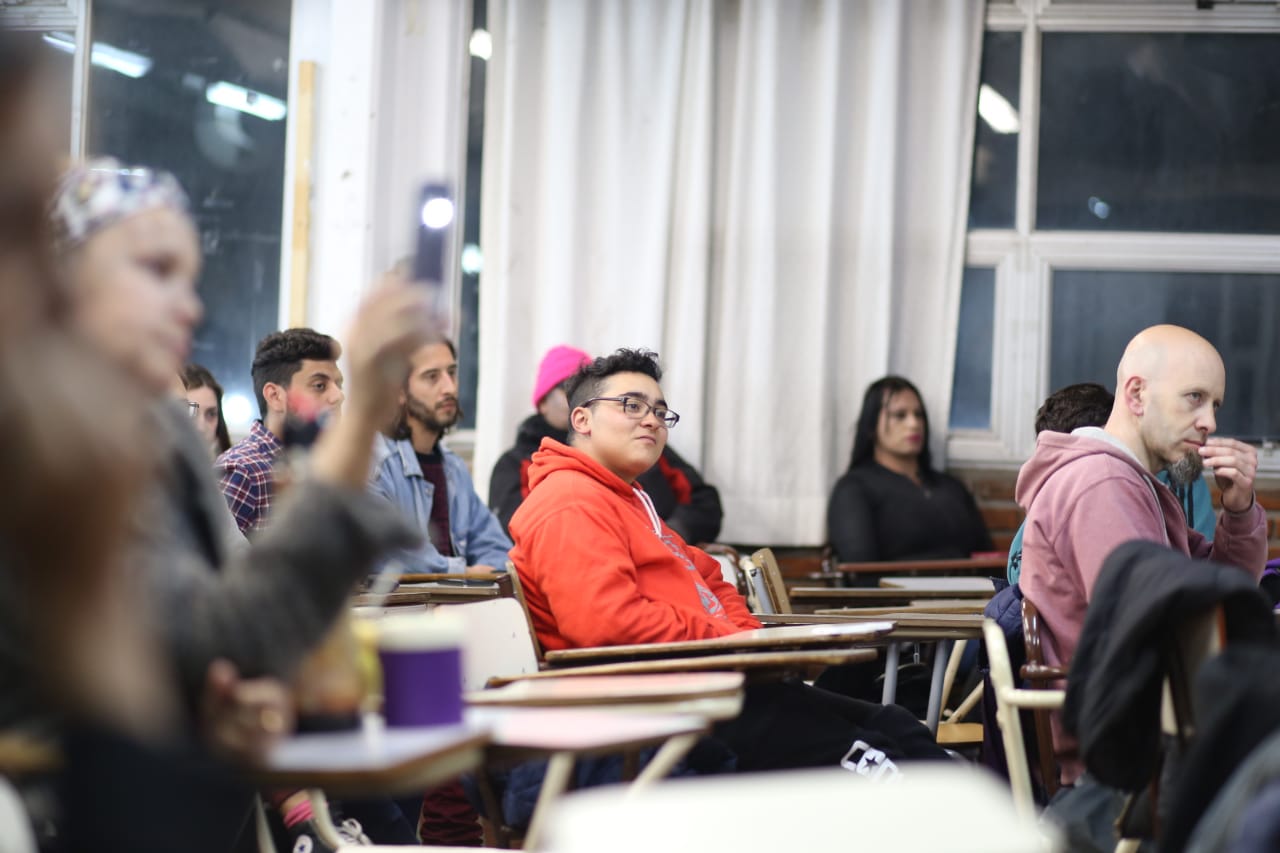
The focus of the next meeting, to be held on December 7, will be trans children and adolescents, and on the last day of the lecture series, on December 14, trans adulthood and the need for the Recognition is Repair law to be approved will be addressed.
We are present
We are committed to journalism that delves into the territories and conducts thorough investigations, combined with new technologies and narrative formats. We want the protagonists, their stories, and their struggles to be present.
SUPPORT US

FOLLOW US
Related notes



We are present
This and other stories are not usually on the media agenda. Together we can bring them to light.