

#DiverseFamilies "We are not a minority, we fight for a better world for our children"
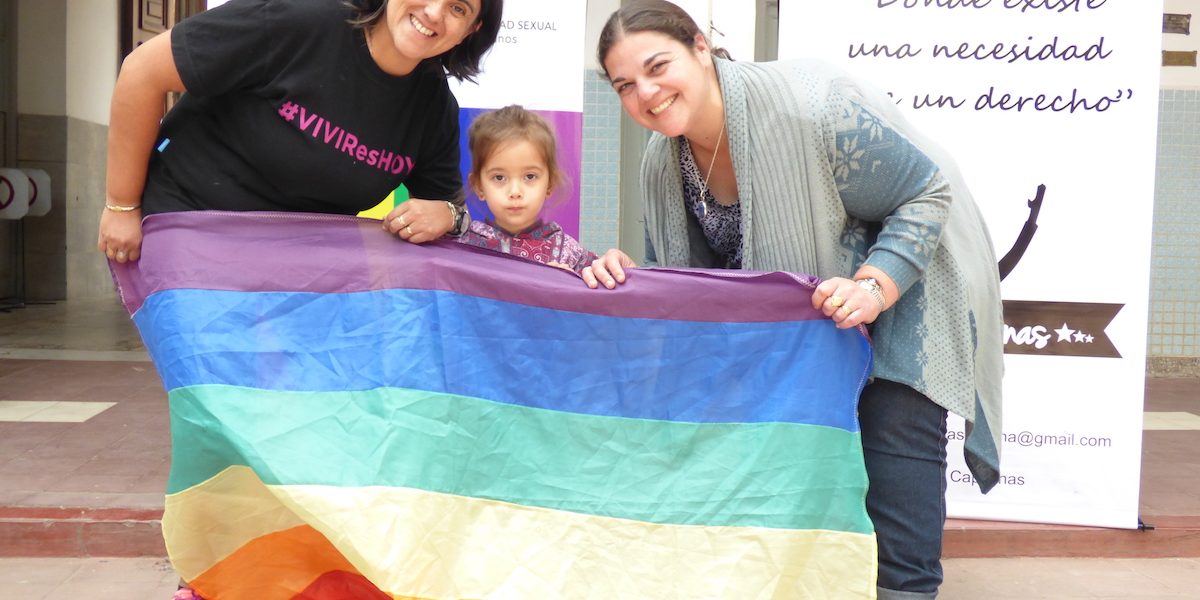
For the second year in a row, LGBTQ+ and diverse families from Entre Ríos gathered over the weekend in the city of Concepción del Uruguay. The event was organized by Las Capitanas and the LGBTIQ+ League of the Provinces. The aim was to listen to one another, share experiences, and recount personal stories, “and come together in a single embrace,” the organizers explained.

Share

By Gisela Romero, from Paraná
Photos: Courtesy of Luis Brossard and the Undersecretariat of Human Rights of Entre Ríos
This is the third time Ivana Marsilli, mother of Lucas, a trans child, has attended a gathering of diverse families. The first time, it helped her move forward with the process of legally recognizing her son's gender identity. The second time, she strengthened ties and forged closer bonds with others. This time, she travels to Concepción del Uruguay from Colón—where she lives—to renew her commitment as a visible family, she explains. “From each gathering, beyond having a good time, the four of us take something positive away. We meet other people, and it gives me great satisfaction to be able to accompany Lucas and have him participate in this movement,” she says.
“Families formed by two mothers, two fathers, or by trans people are no longer a minority as we were before the Equal Marriage, Gender Identity, and Assisted Reproductive Technology laws were passed. We understand that it is necessary to make visible the rights we have won and to continue working. The State must guarantee each of the rights that we, as members of the LGBTIQ+ community, still lack,” says Alejandra Elcura, one of the organizers of the event.
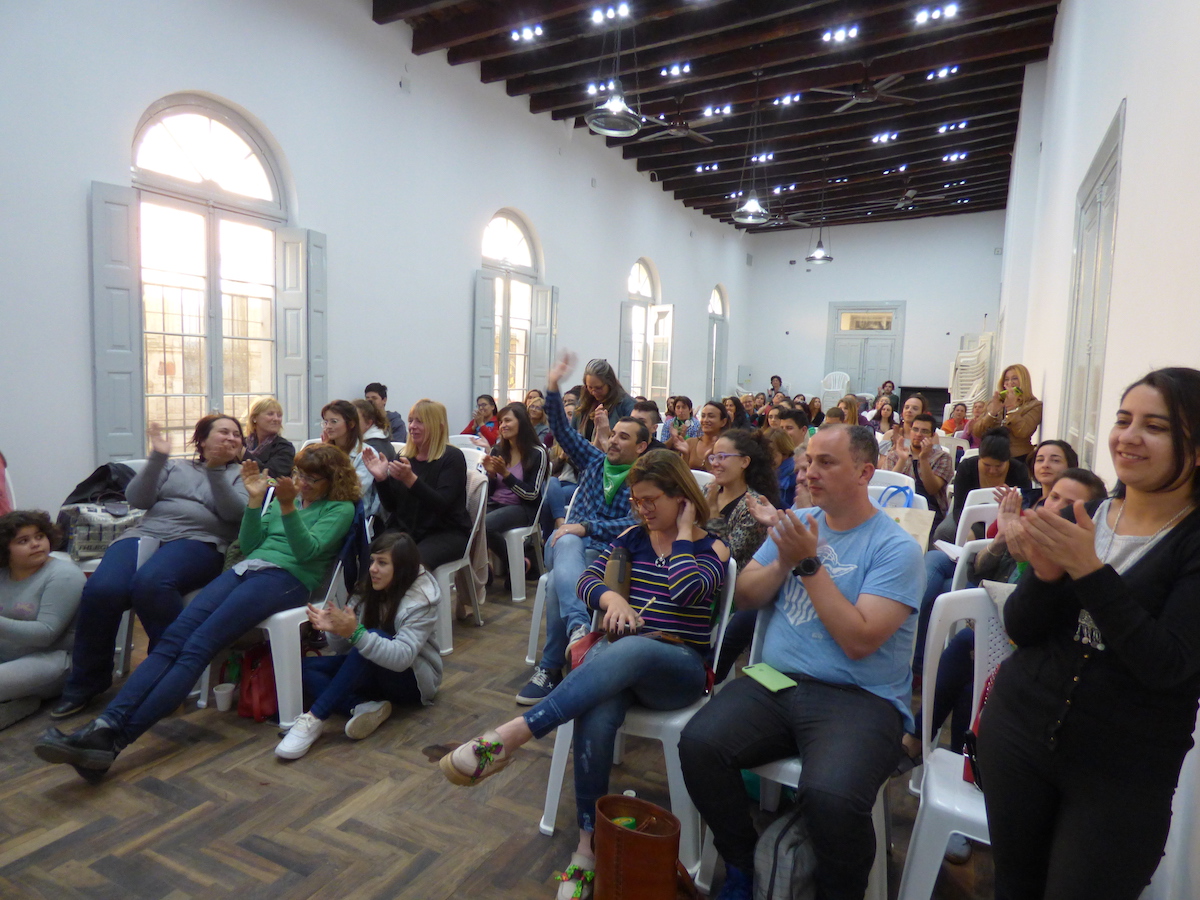
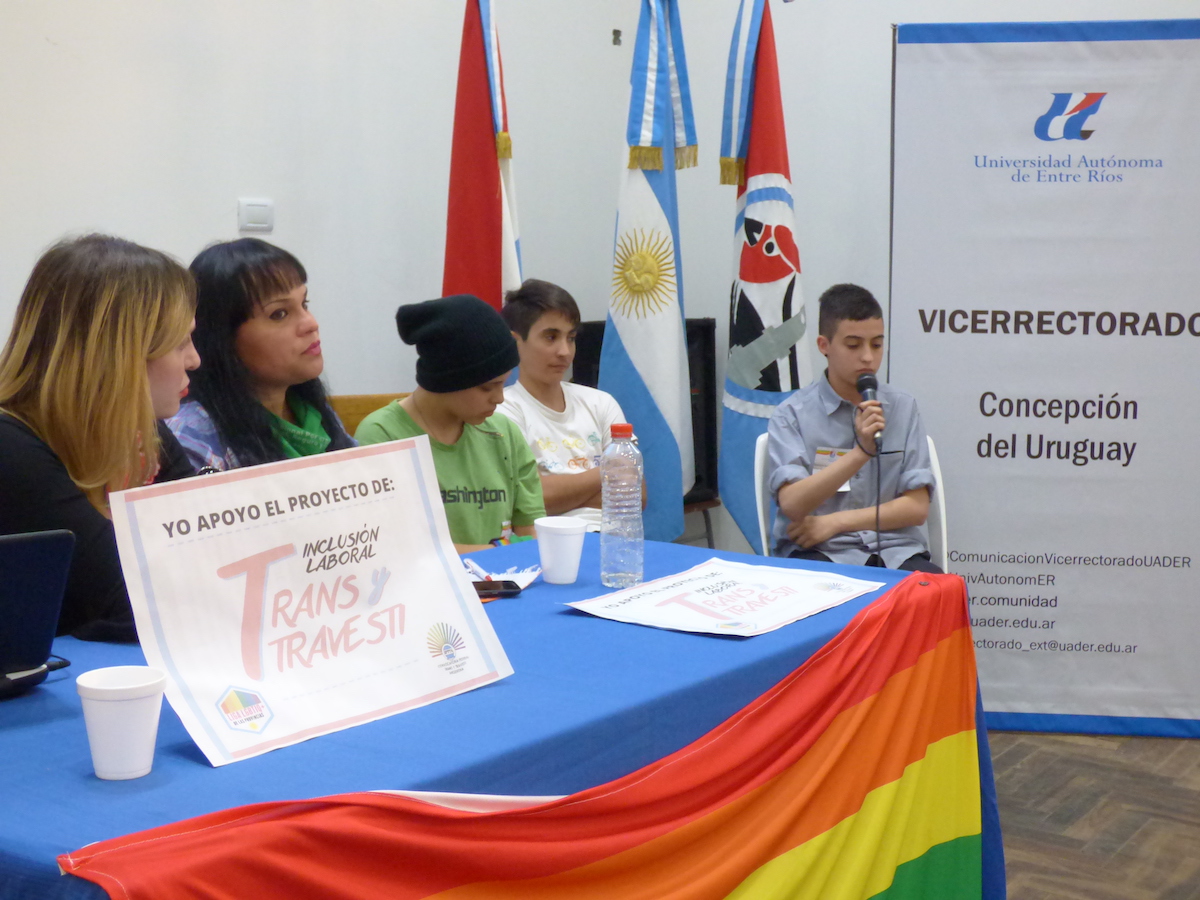
For the second time, LGBTQ+ and diverse families from Entre Ríos gathered over the weekend in the city of Concepción del Uruguay. On Saturday, families began arriving early at the Ana Urquiza Technical Education School No. 1 in Victorica, where they met. They traveled from Chajarí, Gualeguaychú, Concordia, Victoria, Diamante, Rosario del Tala, Cerrito, Paraná, San José, and Colón.
The gathering was organized by Las Capitanas and the LGBTIQ+ League of the Provinces. The aim was to listen to one another, exchange experiences, and share personal stories, “and come together in a single embrace,” the organizers explained.
The Second Meeting of LGBTIQ+ and Diverse Families of Entre Ríos began to take shape in 2017, after they first met in Paraná. Next year they plan to meet in Gualeguaychú.
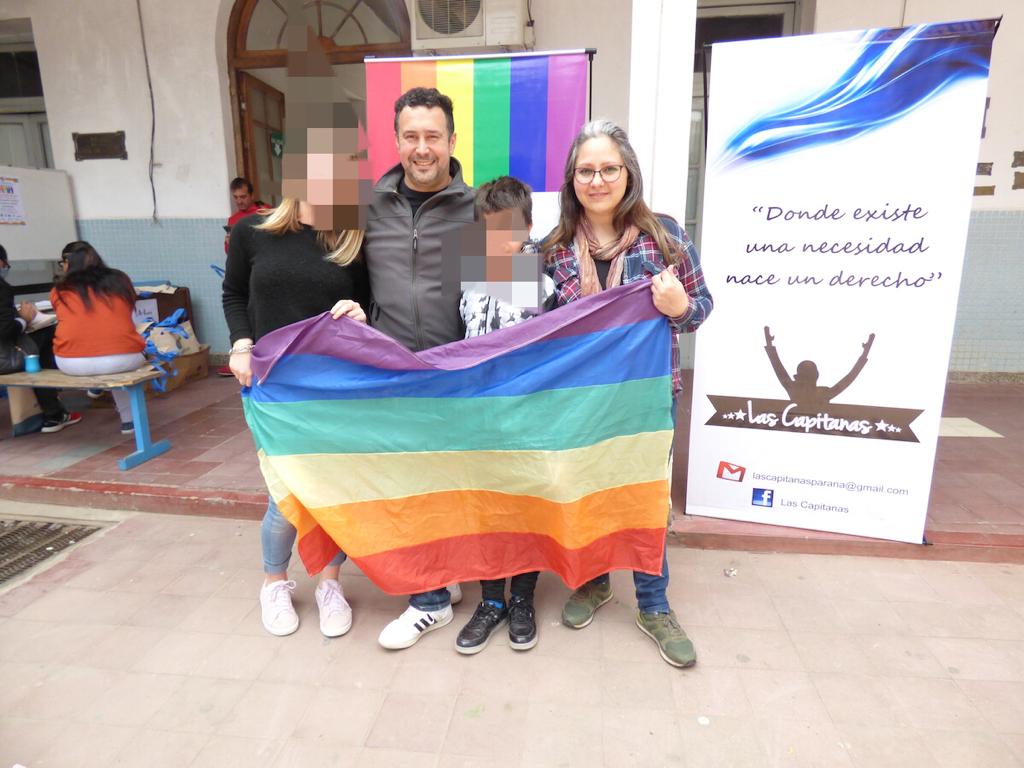
The organizers aimed to include people from communities that had never participated before, and they succeeded. More than 150 people traveled to Concepción del Uruguay, some hundreds of kilometers away, to share and raise awareness of their experiences. Others, due to the poor economic and social conditions they face, were unable to attend.
“To meet and embrace”
“Our expectation for the gathering was to embrace people we already know and meet new ones. And with all the experience we have, to contribute to helping others. This is a natural way of life, a way to keep moving forward . The joy is in meeting and embracing each other,” says Ivana Marsili, mother of Lucas, the first trans child registered in Entre Ríos under Law No. 26,743 on Gender Identity.
[READ ALSO: #DiverseFamilies “We are already visible: there are open minds, we need to open hearts”]
Separated from Luqui's biological father, she tells Presentes , "A very loving bond has formed between those of us who have met over the years . I've found many people who have helped me from afar. And every time we see each other, the gratitude we feel is incredibly important and very strong. That's how I feel. Seeing each other, thanking each other with a hug, is what I long for every time we meet," she adds.
An “activist, open and independent” family
“Luqui was five years old when she told me she wanted to be a boy. It was pretty crazy for all of us because we didn't know the meaning of the word transgender,” Ivana recalls. “She told me she wanted to be a boy after a lot of things she'd been doing for a while. She'd cut her hair, she didn't want to go to dance class anymore, she was realizing she didn't belong there, and she started to distance herself from the gender she didn't identify with. We had a lot of messages during her early childhood because she gave a lot of indications that she didn't feel like herself. The logical answer she gave me when I asked her what was wrong was: 'I'm a boy.'”
In the conversations he had with his mother, Lucas didn't hesitate, he didn't give any indication that he was playing around. So the same night she heard him, Ivana sat down at the computer and began to investigate. “I discovered the meaning and understood what was happening to him. The next day I gathered the family inside the shelter, I told each of them that we might have a trans child, and in that same conversation I asked him if he had another name and yes, his name was Lucas. He had another name and it was true. I didn't doubt it or feel scared by what he was telling me. I believed him. We all took it seriously and when we understood that we were with the same person, it became easy for us to adapt,” she recalls.
Nevertheless, Ivana admits that she had to adapt to the anguish caused by the loss. “As a mother, I experienced a pseudo-mourning. I felt the loss of something important, but at the same time, he was still there, by my side. This caused me a lot of stress about what things would be like outside and what would happen. That's how the first few months went,” she says.
Today Lucas is 9 years old. “He’s happy, he’s always jumping and dancing. Since we’re separated from his dad, he spends half the day with him and half the day with me. But if he gets bored, he rides around on his bike. He has a super active life,” Ivana says.
“I think the transition was amazing because we had to make a mental shift in how we were going to cope,” she admits. “And over time, as Lucas went through the change in clothing and name, the family adapted quickly; it was harder in his father’s circle. But with friends and acquaintances, it was super accepted. We didn’t have any obstacles in that sense. We felt like everyone else.”
Ivana defines her family structure as open and as independent activists. “We are driven by the cause. We teach about the life of a trans person and how to respect it. Our activism consists of sharing how things happened and how the ID change came about. We feel committed to the collective because we contribute our part. Lucas changed our lives in the sense that he strengthened us as a family.”
Military for a better world for the children
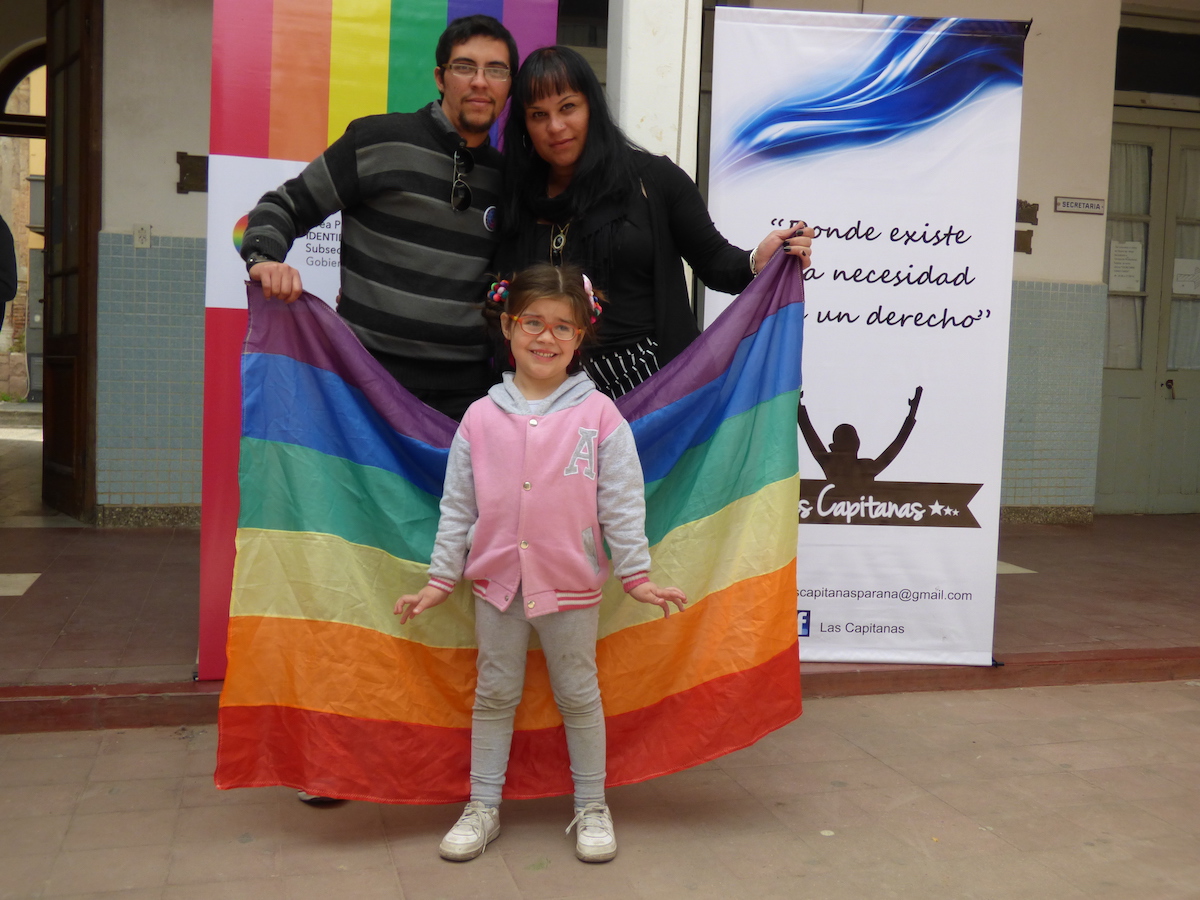
In December, Alejandra Elcura and Pamela Portela will celebrate their eighth wedding anniversary and have been together for 15 years. Three years ago, through assisted reproductive technology, they became mothers to Paloma, the first baby in Entre Ríos province to be registered by two mothers under the new Civil Code.
Alejandra and Pamela were also among the first to join in organizing the gatherings. “When we were fortunate enough to become pregnant, we were overcome with fear, wondering: What do we do now? How do we carry out this family project in a society that isn’t prepared? And we understood that beyond our struggle to form our family, it was also a social commitment to try to make visible not only our story but all the others as well. Because of this, we began to participate in different gatherings in Buenos Aires and Córdoba, and we asked ourselves, why not create the same initiative in Entre Ríos?” Elcura recalls to Presentes.
[READ ALSO: Lucas, the trans boy from Entre Ríos who asked to change his ID]
“Our families are now friends. Our sons and daughters play together whenever we see each other, and that was precisely the idea: to continue raising awareness, motivating others, and redoubling our commitment to help others realize their family projects,” she also emphasizes. “Participating in these gatherings means connecting with other peers in a space of struggle and activism, and we experience very emotional moments. Being at a family gathering and sharing experiences, joys, sorrows, and exchanges is what touches us and fills us up to keep fighting, facing challenges, and moving forward.”
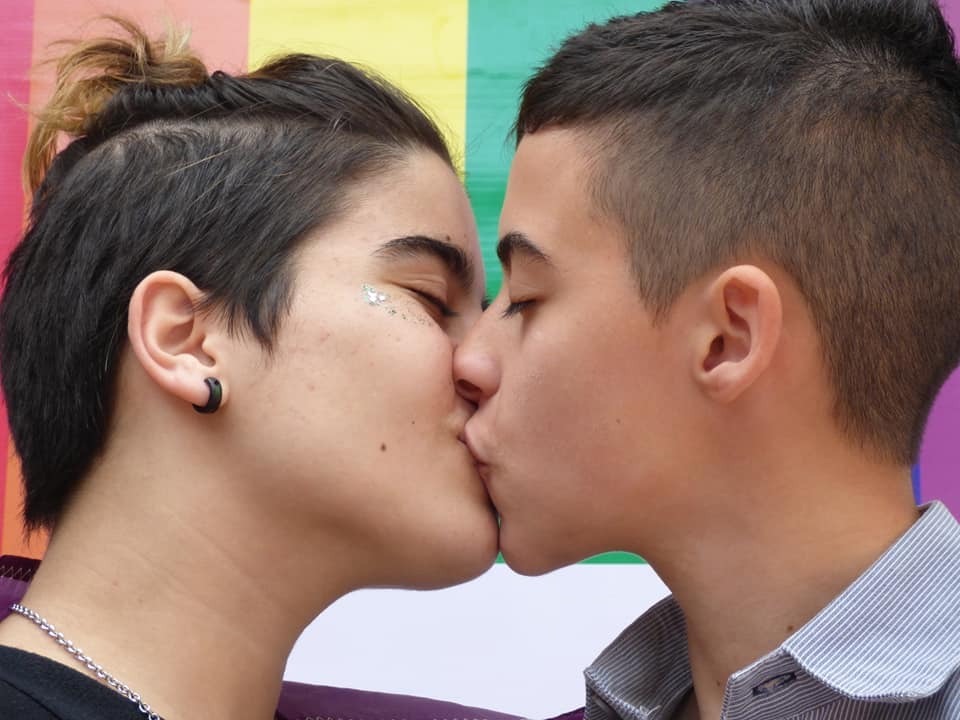
Paloma will turn three in December. Her birth was a reflection of the struggle of both women, who chose the name dreaming that she would be a free girl, capable of deciding the life she wants to have.
“Paloma has been participating in family gatherings since she was in the womb, so when she’s older she’ll have a wonderful experience to share,” Alejandra reflects. “Our children are the driving force in our lives. At least Paloma is. My wife and I always think that she’s the reason we do everything we do. From the moment we wake up until we go to bed, every movement and every action is done thinking of her, trying to leave her a better world and a better society. And that’s what we have in common with all other couples. It’s what motivates us to get together and to keep going.”
LGBTIQ+ Family Rights
Making the reality of diverse families visible, and doing so this year from the Uruguayan coast, was one of the organizers' goals. And they succeeded. They obtained the support of other civil society organizations, the municipality, the State, and even the National Senate and the Provincial Legislature declared it of legislative interest.
Two days were used to reflect on assisted human reproduction techniques, adoption, and surrogacy; to analyze the scope of the Gender Identity Law and to address gender alignment, fertility, and medical-surgical treatments for trans/transvestite people; to exchange experiences in a workshop on comprehensive sexual education and education free from violence and discrimination for LGBTIQ people; and to discuss the labor inclusion of transvestites and trans people in light of the presentation of bills at the national and provincial levels, and psychological aspects in transvestite and trans youth.
[READ ALSO: The story behind a viral tweet: “I’m having a 12-year-old son”]
The children also shared recreational activities during the two-day gathering. Stories, games, movies, and dancing were among the offerings, which concluded on Sunday with a family outing through the historic city of Entre Ríos.
“We drew several conclusions that will guide our work. A network will be formed with the professionals and speakers who participated so that activities can be replicated in every town in the province; and we will also make arrangements for families who cannot afford to travel,” confirmed one of the organizers. “It was a meeting that exceeded all our expectations.”
We are present
We are committed to journalism that delves into the territories and conducts thorough investigations, combined with new technologies and narrative formats. We want the protagonists, their stories, and their struggles to be present.
SUPPORT US

FOLLOW US
Related notes
We are present
This and other stories are not usually on the media agenda. Together we can bring them to light.