

Montevideo marched for diversity with the slogan "Trans Law Now"
In Uruguay, it's called the "March of Diversity" and not the LGBT Pride March (as in other countries) since 2006, when it sought to unite other struggles with the mobilization. In Montevideo, LGBT groups began marching in 1993.

Share

By Mariana Cianelli* from Montevideo
Photos: Mariana Greif and Coordinator of the March for Diversity
On Friday at 6:30 p.m., half an hour before the scheduled start of the Diversity March, the stand for the national campaign “Trans Law Now” had run out of yellow bandanas: the small strips of fabric adorned the bodies, bicycles, and backpacks of people preparing to walk down 18 de Julio Avenue. In Uruguay, it has been called the “March for Diversity” and not the LGBT Pride March (as in other countries) since 2006, when it sought to incorporate other struggles into the mobilization. In Montevideo, LGBT groups began marching in 1993.
 “Have you signed yet?” trans activist Daniela Buffa asked a teenager walking along the street surrounding Plaza Independencia, holding up the form. “I’ve collected 14 forms in just a short time,” she said, satisfied, adding, “That’s a good average.” The signature drive and the green scarf protest are part of the initiatives developed by the national campaign to get the comprehensive bill for transgender people passed into law as soon as possible. “Transgender people are marginalized; we’ve been through so much, that’s why we want it approved now,” Buffa said.
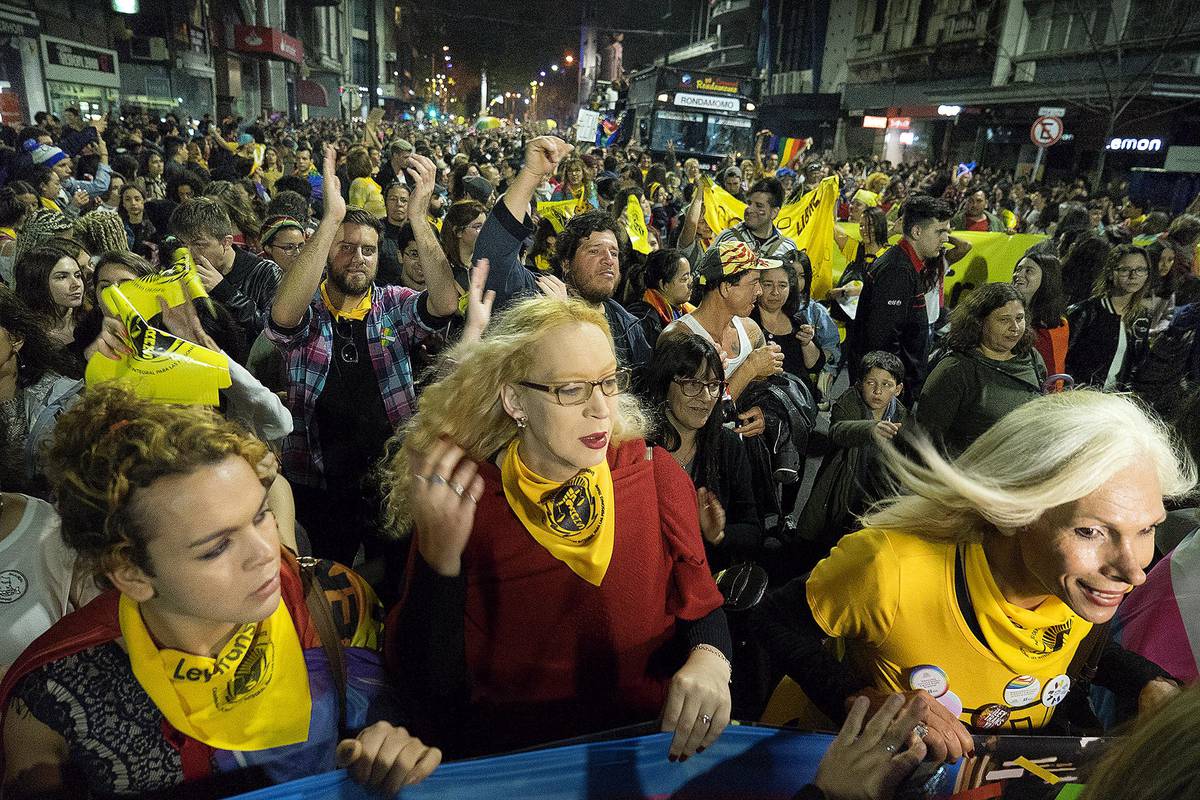
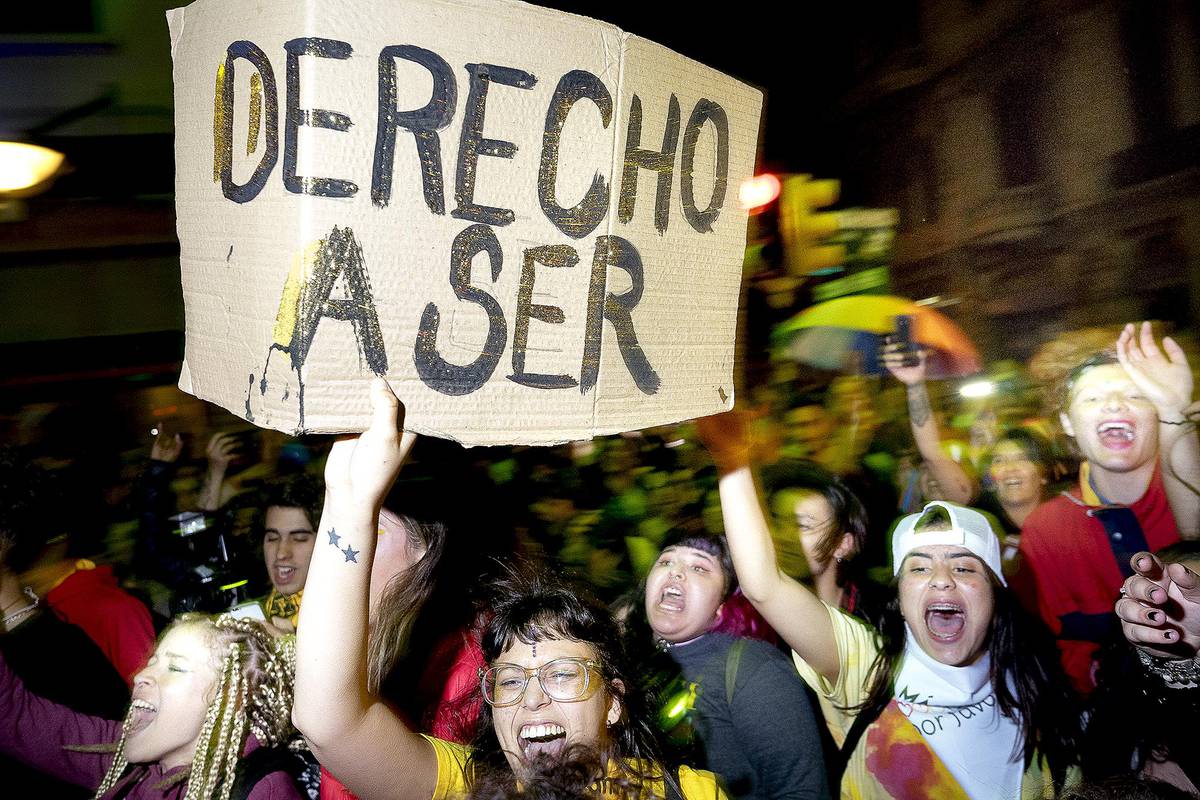
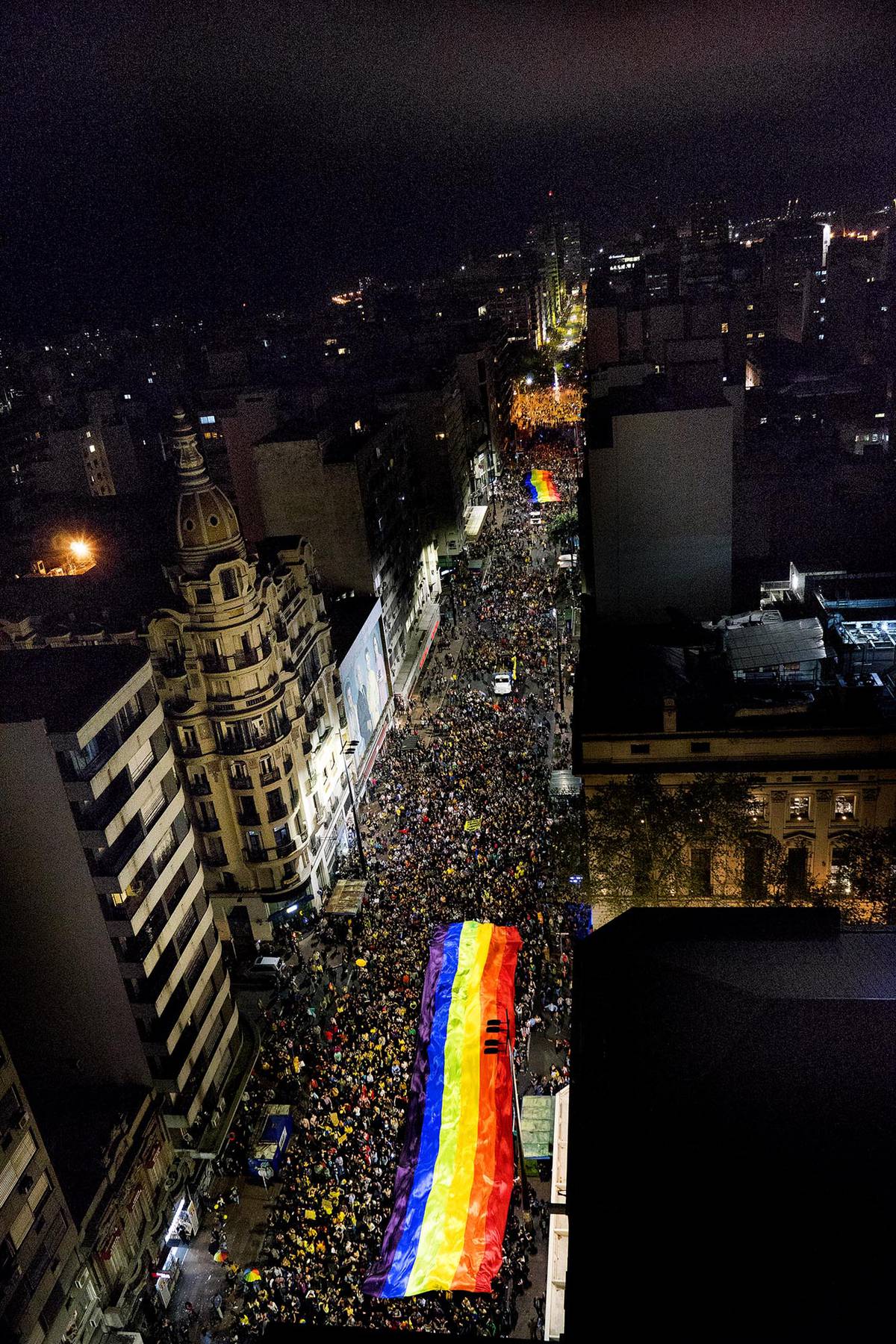
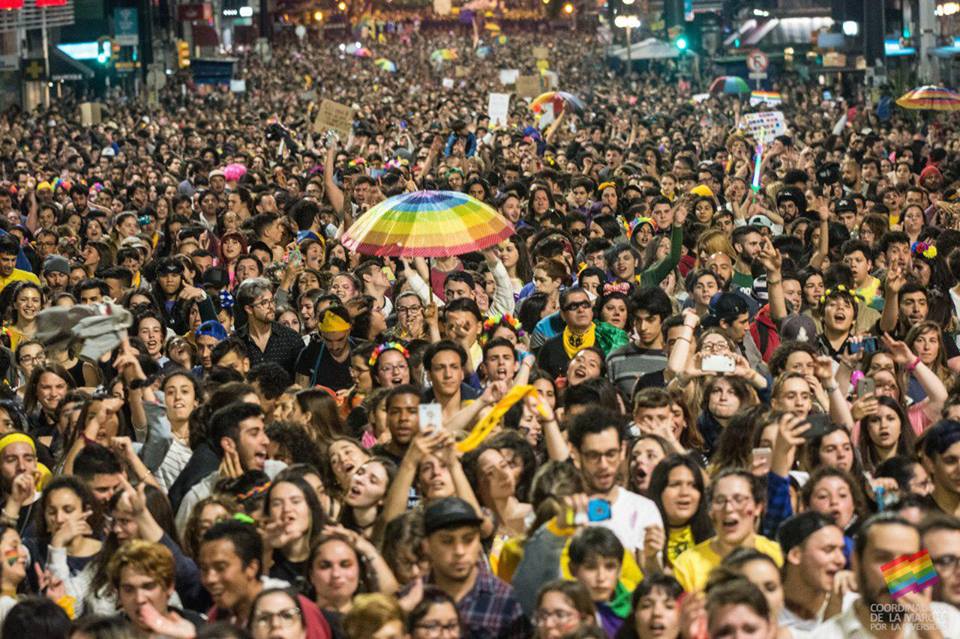
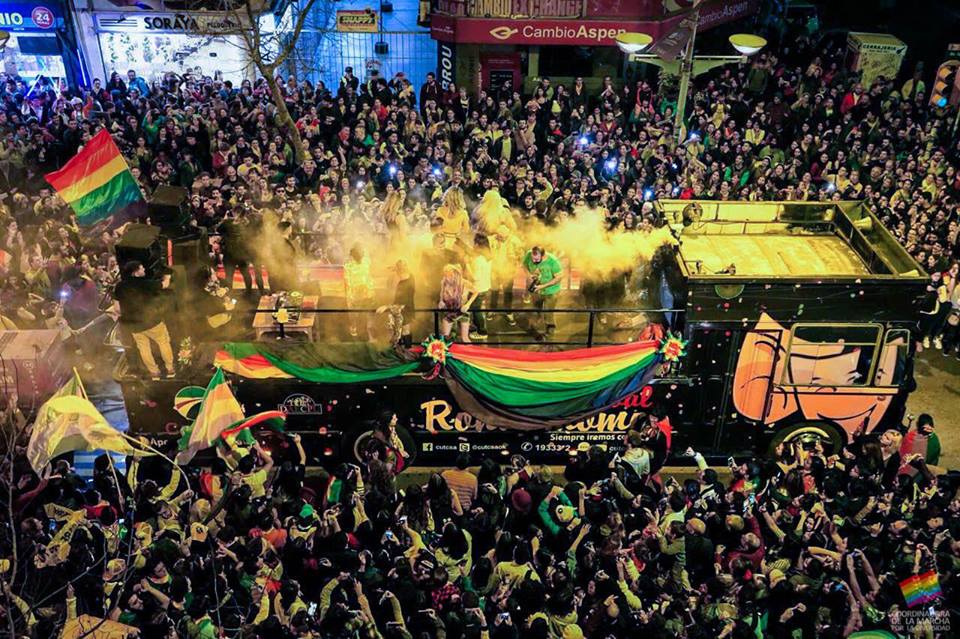
The crowd swells in the street, leaving almost no room to move. At the front, the LGBTQ+ community begins to march, raising glittery letters that spell out the slogan of this march: “Trans Law Now.” Other hands hold up signs that read: “In time, our love will prevail”; “To be able to be”; “Trans Fury.” In the middle, the mobile stage makes its way forward as songs by Gloria Trevi, Madonna, Thalía, and Lady Gaga blast.
[READ ALSO: Uruguayan Senate discusses comprehensive trans bill]
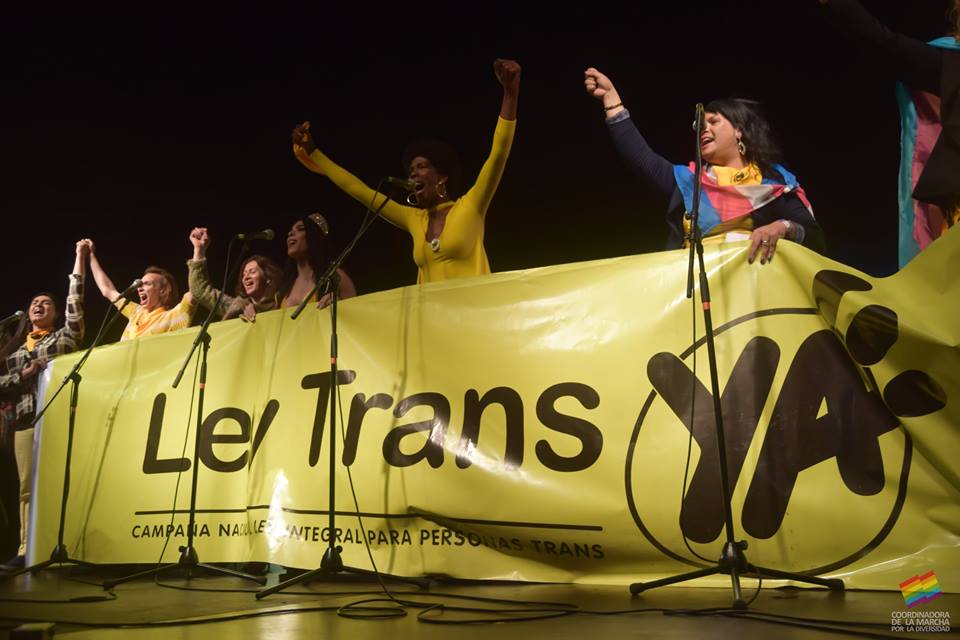
On the way to the esplanade of the University of the Republic, there is dancing, jumping, waving rainbow flags, glitter, and confetti. There are also some chants that, at times, are sung loudly: “Trans / consciousness / memory / and resistance,” as well as a chorus calling for the approval of the trans law.
 Signatures to Parliament
 Signatures to Parliament
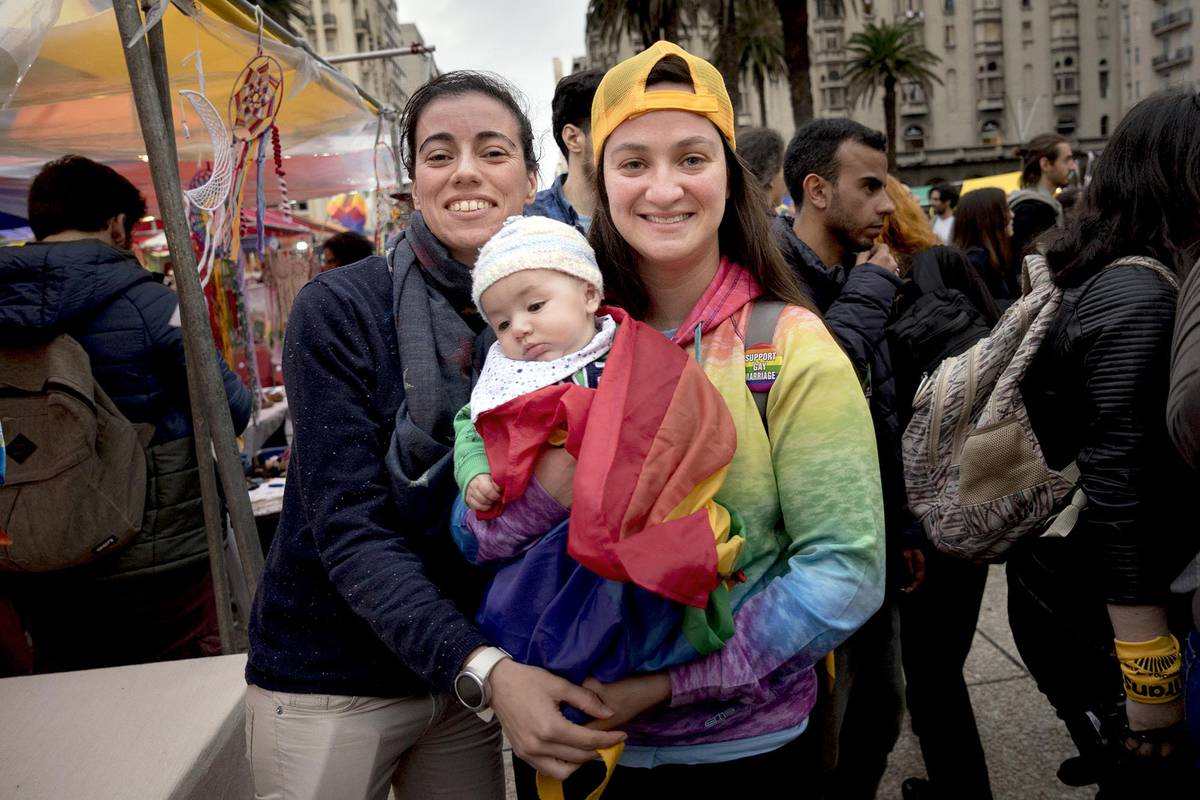
Josefina González, spokesperson for the national campaign for the trans law, explains that during the first week of October they will go to Parliament to deliver the signatures they have collected over the past few months. This is intended to demonstrate that it is a “political action” and to generate “social pressure” that will “lead to the proper handling of the law.” The trans activist feels they have managed to create an “effect” and an “impact” that “makes us realize we are not alone. We were alone in the past, but today we are raising more social awareness.” She also emphasizes that for the first time in the history of our country, “trans people are speaking in the first person, we are reclaiming our voice, and we are leading a discursive front. This has empowered us immensely.”
 Upon reaching the end of the route, the social organizations that make up the Coordinating Committee of the March for Diversity read the proclamation. It demands the swift approval of the comprehensive law for transgender people, access to "decent work" not only in the public sector but also in the private sector; that name and gender change procedures cease to be judicial and become administrative, and that "every person can have the name and surname they choose." It asserts the "right to be" and calls for a fight for an environment free of racism. It maintains that the March for Diversity is there to defend what has been achieved against the reactionary voices that are rising up these days. "The march is a profoundly political act," they say. The celebration continues; from the stage, they encourage everyone to hug the person next to them, kiss them, and take a selfie . Cell phones are raised to record these hugs and kisses.
 This article is published in partnership with the Uruguayan media outlet La Diaria .
We are present
We are committed to journalism that delves into the territories and conducts thorough investigations, combined with new technologies and narrative formats. We want the protagonists, their stories, and their struggles to be present.
SUPPORT US

FOLLOW US
Related notes



We are present
This and other stories are not usually on the media agenda. Together we can bring them to light.