

Elections in Brazil with a record number of transvestite and trans candidates
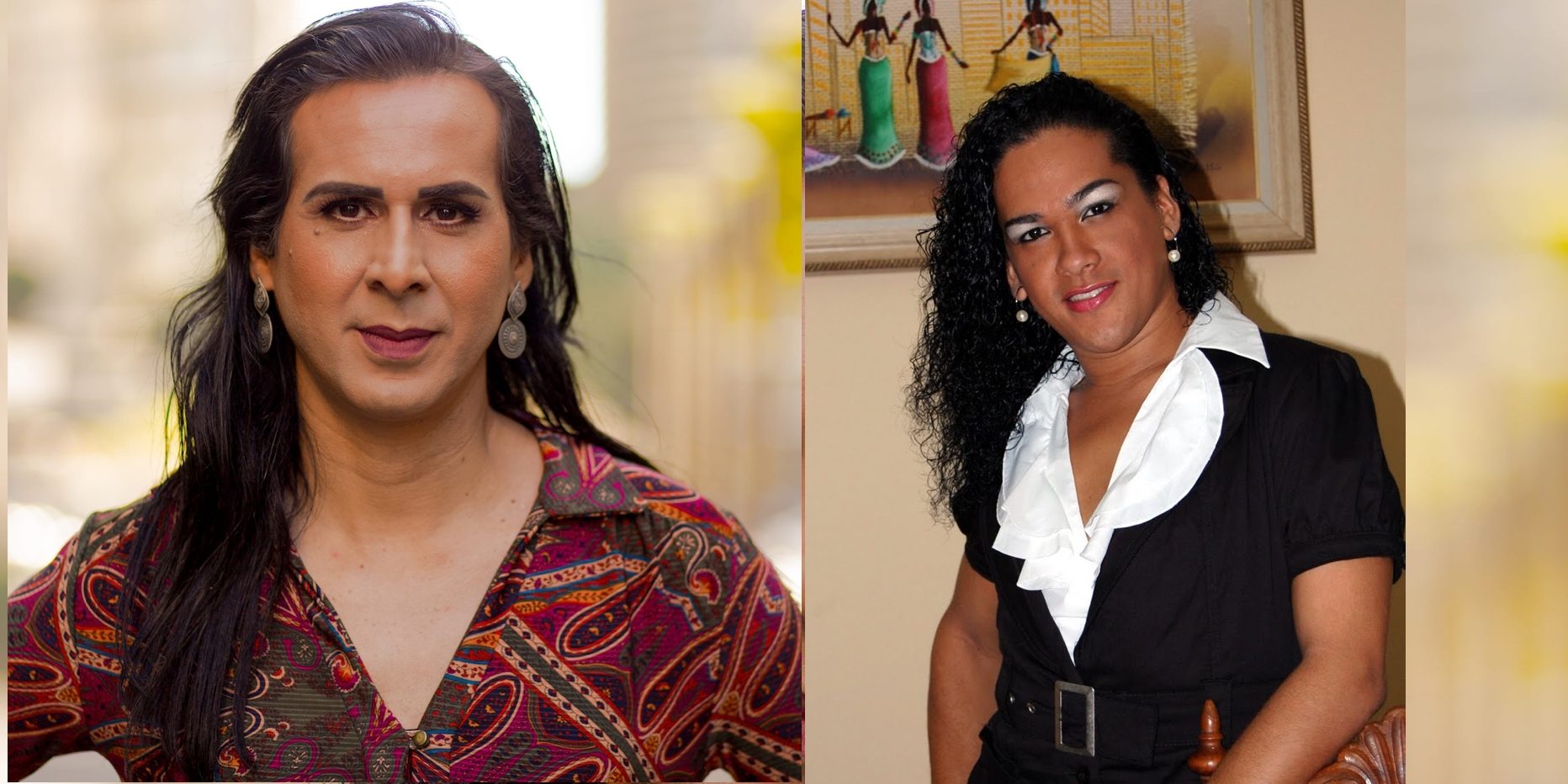
On October 7, Brazil holds elections in 2018 with a record number of transvestite and transgender candidates.

Share

News updated on October 6
On October 7, Brazil held its 2018 elections with a record number of transgender and transvestite candidates. According to a count by the Folha de Sao Paulo newspaper, 45 LGBT candidates were running for seats in the legislature. In 2010, there were only five. The publication Sul24 reported 52 LGBT candidates .
Despite the record number of LGBT candidates, the electoral observatory of the International Lesbian, Gay, Bisexual, Trans and Intersex Association for Latin America and the Caribbean (ILGALAC) identified that only seven of the thirteen presidential electoral proposals promote the rights of the LGBTI community. Two of them “are openly discriminatory and exclusionary, and the rest either omit them or contain contradictory messages .
Policies and inclusion for LGBTI people
According to ILGALAC, “the candidates who most support policies for the visibility, recognition, and inclusion of LGBTI people are Fernando Haddad (PT), Ciro Gomes (PDT), Guilherme Boulos (PSOL), and Vera Lucía (PSTU).” According to the same source, the candidates “openly anti-LGBTI rights are Jair Bolsonaro (PSL) and Cabo Daciolo (PATRI), both political and religious fundamentalists, misogynists, homophobic, transphobic, biphobic, and xenophobic. This is combined with pro-market economic policy proposals that will generate more poverty and exclusion among Brazilians and a serious threat to democratic freedoms.”
One day before the elections, ILGALAC released this information on its website. It called on the people of the Federative Republic of Brazil to decisively defeat fascist and anti-rights proposals in the presidential elections on Sunday, October 7. “All of Latin America and the Caribbean stands with the Brazilian people, and we are convinced that love will triumph over hatred and violence, respect for human rights will prevail over barbarism, and social justice will triumph over the idea of a country for the few,” said Darío Arias, co-secretary, in a statement distributed by the organization.
Record number of transvestite and trans candidacies
The National Association of Transvestites and Transsexuals (Antra) says this is the largest number of transvestite and transgender candidates in Brazilian history for a national election. “If one sector of society is moving to the right and toward conservatism, another is reacting,” Keila Simpson, president of Antra, told Folha.
Most of these candidates are from left-wing parties, but there are also some from the right. Like Leo Kret, a former city councilor from Bahia, who is running for federal deputy (Democrats) in these 2018 elections. “For one of us to actually sit there would be a symbol of visibility, resistance, and struggle,” she told Folha.
Most of the candidates are running for federal and state congressional seats. Duda Salabert (PSOL, Socialism and Liberty Party), president of the organization Transvest, is the only one running for senator. For two out of every three candidates, this will be their first election.
The increase in trans and gender-diverse candidates began a couple of years ago. In the 2016 municipal elections, there were more than 100 trans and gender-diverse candidates , and nine of them were elected.
Analysts explain this increase in political participation for two reasons. On the one hand, the strengthening of LGBT organizations. On the other, the increase in violence against LGBTQ+ communities in Brazil, which urgently motivates many activists to engage in political action to transform the living conditions of these communities.
In 2017, according to figures from Antra, 179 transvestite and transgender people were murdered: one every 48 hours. Ninety-four percent of them were trans women, whose life expectancy does not exceed 35 years, as in the rest of the region. “We are reacting to the violence and transphobia with candidacies,” said Bruna Benevides, political coordinator for Antraa Sul24.
Some are already dreaming of forming a rainbow bloc. “Our candidates’ proposals go beyond LGBT issues, addressing human rights, employment, inclusion, and security,” the president of Antra told Folha. “Unlike the right wing, whose candidates tend to represent the interests of individuals, we want our parliamentary groups to represent collective projects, not just those of LGBTI people, but of the entire community.”
In the case of transgender candidates, in these elections they are counted as part of the 30 percent female quota.
Share
We are present
We are committed to journalism that delves into the territories and conducts thorough investigations, combined with new technologies and narrative formats. We want the protagonists, their stories, and their struggles to be present.
SUPPORT US

FOLLOW US
Related notes



We are present
This and other stories are not usually on the media agenda. Together we can bring them to light.