

The challenges of the gender identity law in Chile
While the passage of a gender identity law in Chile is a historic event, this motion is not without its critics. It fails to address the regulation of the economic, social, and cultural rights of transgender people, nor does it tackle the structural discrimination that the transgender population has historically suffered.

Share

By Constanza Valdés*, from Santiago, Chile
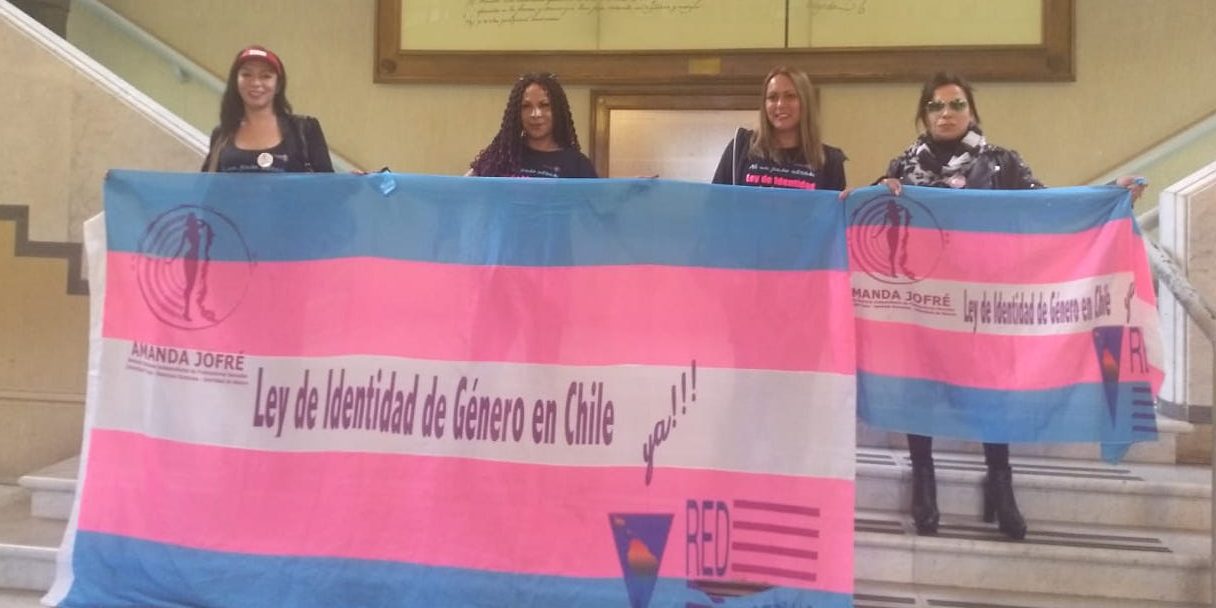
On September 12, the Chamber of Deputies approved the report from the joint committee on the bill that recognizes and protects the right to gender identity, thus concluding the legislative process for this initiative after five years. The vote was hailed as historic because it was the first time in Chile that a bill recognizing the gender identity of transgender people as a right and regulating a procedure for changing one's name and registered sex to formally recognize that identity was passed. With this, Chile joins the list of countries that expressly recognize the right to gender identity for transgender people and have created specific legislation on this matter.
[READ ALSO: #Chile Deputies approved gender identity law: it's law]
The bill approved in both chambers is structured according to the following points: 1) The incorporation of the right to self-perceived gender identity; 2) the inclusion of principles and guarantees applicable to the right to gender identity; 3) the regulation of procedures for changing the name and registered sex of individuals over 18 years of age, as well as adolescents and individuals with an undissolved marriage (before the Civil Registry and Family Courts, respectively); 4) articles relating to equality and non-discrimination based on gender identity and expression; and 5) the regulation of multidisciplinary professional support programs for children and adolescents. Unfortunately, due to the lack of a quorum required for the inclusion of children in the initiative, all provisions regarding their legal name and sex changes are considered rejected.
“A minimum standard of living for trans people”
While the passage of a gender identity law in Chile is a historic event, this motion is not without its critics . In this regard, the bill: simplifies the right to gender identity to a mere change of legal gender marker; excludes the right to access hormonal treatments and surgical interventions with informed consent; requires the presentation of two witnesses who can attest that the applicant understands the legal implications of the request; excludes children from exercising the right to gender identity; and establishes a very broad procedure for changing the name and legal gender marker of adolescents, without allowing them to personally request rectification in accordance with their evolving autonomy . These are just some of the main criticisms we can level against the bill.
[READ ALSO: Being trans and living in Chile: 10 things you need to know]
From the foregoing, it is clear that the bill has two main objectives: first, to regulate the right to gender identity and a procedure for changing one's name and registered sex; and second, to eradicate the discrimination and exclusion suffered by transgender people as a result of the non-recognition of their identity. Consequently, it does not delve into the regulation of the economic, social, and cultural rights of transgender people, nor does it address the structural discrimination that the transgender population has historically endured. Therefore, this law establishes a minimum standard for the transgender population and constitutes the starting point for legislative discussion on the remaining rights of transgender people.
Training on diversity and gender in the State
This law presents numerous challenges, not only in its implementation but also in the future. Regarding the former, training and education on sexual and gender diversity are vital for the Civil Registry and Family Courts, which will be the competent bodies to handle name and gender marker changes. It is contradictory that the initiative regulates the right to self-perceived gender identity and then requires that this procedure be carried out before a Family Court. Therefore, it is important that Family Court Judges reconcile this with the powers granted to them by the law, taking into consideration the importance of gender identity recognition for adolescents.
[READ ALSO: #LIG They protest the exclusion of children under 14 before the IACHR and the UN]
The role of the Government
Looking ahead, the discussion must focus on the challenges that come with recognizing the gender identity of transgender people. This recognition is not only related to their economic, social, cultural, and political rights, but also to our understanding of family and family relationships in society. Social security and access to employment for transgender people are other realities that can no longer be ignored, and the Chilean State must begin to address them. Legislative debate cannot solve all the problems facing the transgender population in Chile, and this directly calls upon the Government to develop the necessary public policies to advance the substantive equality that the transgender population is still far from achieving. Let us hope that the approval of this law is indeed the first step.
*lawyer, trans activist and gender advisor,
We are present
We are committed to journalism that delves into the territories and conducts thorough investigations, combined with new technologies and narrative formats. We want the protagonists, their stories, and their struggles to be present.
SUPPORT US

FOLLOW US
Related notes


We are present
This and other stories are not usually on the media agenda. Together we can bring them to light.