

"Waiting for death": how trans people live and die in Paraguay
The trans population of Paraguay suffers violence, discrimination and lack of access to work, health and education, says the report “Waiting for Death”.


Share

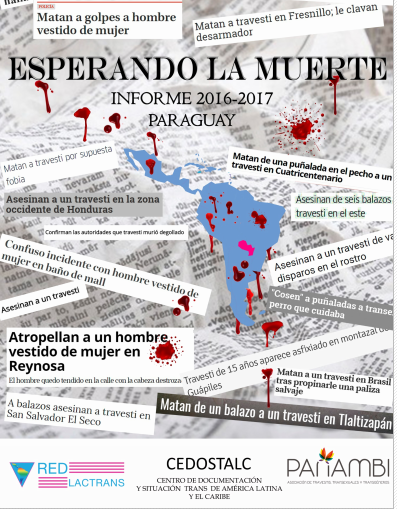
The trans population of Paraguay suffers violence, discrimination and lack of access to rights such as work, health or education, according to the report “Waiting for Death” , prepared by the Center for Documentation and Trans Situation of Latin America and the Caribbean (Cedostalc) , the Latin American and Caribbean Network of trans people ( RedLactrans ), and the organization Panambí , which brings together trans, transvestites and transgender people in Paraguay.
The report, which was presented this Thursday in Asunción, includes some cases of rights violations recorded between 2016 and 2017, and draws attention to the violence and discrimination to which trans people in Paraguay continue to be exposed.
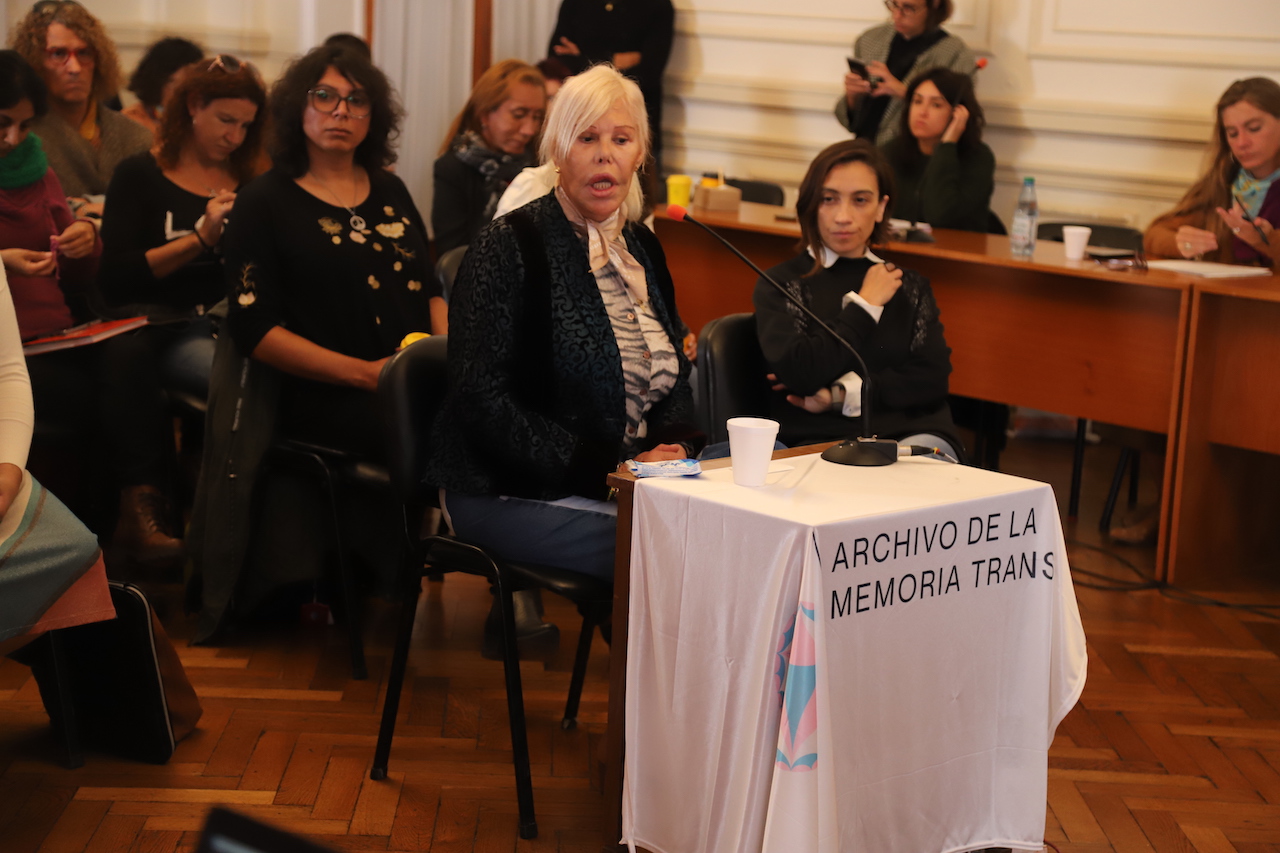
Marcela Romero, regional coordinator of RedLactrans, recalled in the presentation that the different forms of violence and the living conditions of trans people in the region mean that the average life expectancy of a trans person in Latin America is 35 years: half of what a cisgender person is expected to live.
 “There is a death penalty against trans people; there is a trans genocide in our region,” Romero said. The trans activist went into exile in Paraguay in the 1990s and lived for five years in Asunción, where she arrived “escaping repression, state persecution, and institutional violence against trans people in Argentina,” she explained.
Trans people also demanded access to economic, social and cultural rights, and justice, clarification and reparation for hate crimes against them, including the 60 murders that have been recorded in Paraguay since the end of the dictatorship in 1989, and which remain unpunished.
The report cites another document by Panambí, "Forgotten Even in Death," which documents more than 54 murders of trans women in Paraguay from 1989 to 2013. "I think there are more deaths than those 60. Cases we don't even know about, and the State itself, since there's no gender identity law, identifies them as men, so it's just another man who died, a homeless person. There are trans bodies in morgues that have been there for years, and their families haven't come to claim them. Many of my friends die in hospital emergency rooms because they don't receive care, and I know trans women in Paraguay who have died at home because they didn't want to go to the hospital, due to the poor treatment," Marcela Romero told Presentes.
Violence within the prison system against trans people
The report indicates that institutional violence remains prevalent in Paraguay. In 35% of documented cases, this state violence is perpetrated by prison system personnel. Several transgender women are incarcerated in male-only prisons, despite identifying as female.
In prisons, female inmates are housed in a separate pavilion, but they do not have access to the prison yard, training courses, or work workshops, because they are physically and verbally assaulted every time they leave the pavilion.
Furthermore, they are not allowed to wear makeup or clothing considered feminine, and their hair is frequently cut short. For people living with HIV or AIDS, access to antiretroviral drugs is irregular or delayed, which worsens their health.
Police brutality
Outside the prison system, “most of the aggression and intimidation suffered by trans women stems from police brutality, manifested in arbitrary arrests and injuries inflicted while on duty, as well as physical assaults solely because of their gender identity,” the document states. It emphasizes that those most vulnerable are women who, excluded from the labor market due to their gender identity, engage in sex work on the street.
Lack of access to work, education, and health
Sex work is the primary economic activity for 86% of transgender people in Paraguay. It is not illegal in Paraguay, but it is neither recognized nor regulated by law. “Access to employment is hindered by discrimination based on having a different gender identity, since private entities do not hire transgender people, except in hair salons or for volunteer work in the health sector,” the document states.
Working life is further complicated by the fact that more than half (52%) of trans people did not complete primary education and ended up dropping out of school due to the “teasing, harassment, physical punishment and degrading treatment” they received from other students and teachers.
Trans people encounter the same degrading treatment when they go to health services, "where they are subjected to psychological aggression and humiliation when they require health care in general, and especially when they go to obtain treatment and care for HIV and AIDS," the report describes.
Yren Rotela, a representative of Panambí and president of the Paraguayan Network of Sexual Diversity (Repadis), highlighted that this lack of access to health also includes the fact that trans people cannot access hormonal treatments or surgeries when they wish to adapt their bodies to the way they perceive themselves.
This leads many trans people to resort to self-medication with hormones, such as those in injectable contraceptives, which they consume without any medical control, since there are no endocrinologists specializing in hormonal transitions in Paraguay, Rotela told Presentes.
It also leads some trans people to modify their bodies with substances like industrial silicone, known as "airplane oil." These are procedures, generally clandestine, in which liquid silicone biopolymers, a substance used for cleaning machinery, are injected into different parts of the body, posing a serious health risk.
A trans woman died from clandestine surgery
Last week, one of these clandestine surgeries ended the life of Yanina, a 30-year-old trans woman, who died after undergoing a procedure in which industrial silicone was injected into her hips. One of the injections reached her arteries, and the liquid entered her bloodstream, eventually reaching her lungs. On Saturday, five days after the procedure, Yanina vomited blood and was taken to a hospital, where she was denied access to intensive care and died, Rotela explained.
The trans activist added that most trans women resort to surgery due to the pressure they face regarding how their bodies should look, especially if they are sex workers. However, these operations cause problems in the medium term, such as pain when sitting or lying down for long periods, and even lung infections.
Lack of laws and public policies
Given the situation described in the report, trans organizations are calling on the Paraguayan Parliament to approve two fundamental laws: the law against all forms of discrimination , and the gender identity law.
“ Chile just passed its gender identity law yesterday , and there are already laws in Bolivia, Argentina, and Uruguay. Paraguay is the last country in the Southern Cone that doesn't have this law. I think it needs to start debating it, that parliamentarians need to put morality aside and start thinking about the quality of life for people,” Marcela Romero told Presentes.
We are present
We are committed to journalism that delves into the territories and conducts thorough investigations, combined with new technologies and narrative formats. We want the protagonists, their stories, and their struggles to be present.
SUPPORT US

FOLLOW US
Related notes
We are present
This and other stories are not usually on the media agenda. Together we can bring them to light.