

Being trans and living in Chile: 10 things you need to know
1- Parliament approved the gender identity bill: excluding minors under 14. The bill was approved in the Senate during the first week of September 2018 and passed today in the Chamber of Deputies, becoming law. This law does not include minors under 14, which has generated discontent…

Share

1- Parliament approved the gender identity bill: no minors under 14 years of age
The bill was approved in the Senate during the first week of September 2018 and passed today in the Chamber of Deputies, becoming law . This law does not include children under 14, which has generated discontent among activists and prompted complaints to the UN . The bill has been under discussion since 2013. Over the years, it has undergone many modifications to its original version.
2- Transvestites and trans people: pioneers of the Chilean LGBT struggle
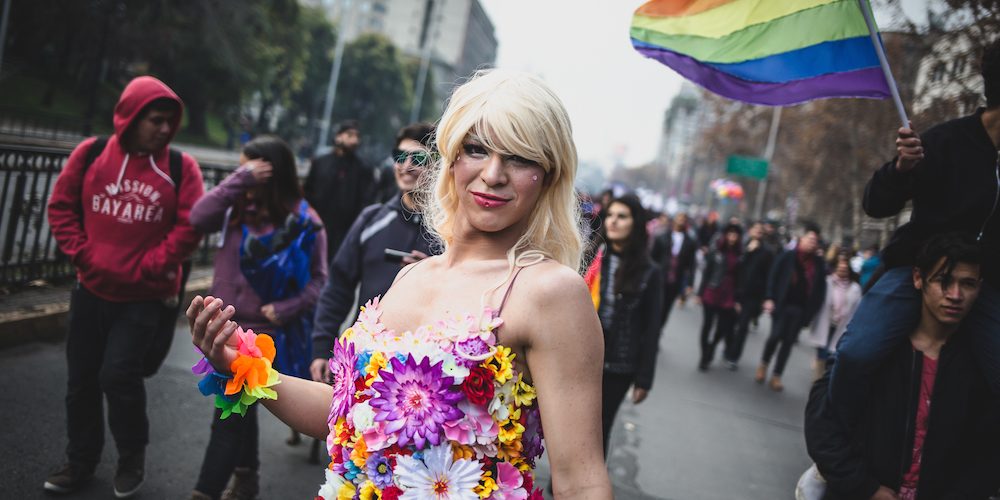
Chile has a long-standing trans and travesti activism movement, which held its first march almost 45 years ago, on April 22, 1973. The protagonists of that historic event — La Raquel, La Eva, La Larguero, La Romané, La José Caballo, La Vanesa, La Fresia Soto, La Confort, La Natacha, La Peggy Cordero, and La Gitana —gathered to talk in Santiago's Plaza de Armas, imagining a desired yet uncertain future. “Changes have only come at the cost of putting our bodies on the line, making ourselves visible, and standing tall. Legal and institutional changes are minimal in Chile today,” says trans activist Niki Raveau.
[READ ALSO: “I am Claudia Rodríguez, activist, transvestite, poor and resentful”]
3- Santiago has the first trans mausoleum in Latin America
It is a groundbreaking project spearheaded by the TravesChile association that seeks to provide a dignified end for transgender people, most of whom are without family and living in poverty. “The bodies of our trans sisters are sometimes held in morgues for months because their immediate family members do not claim them. Our community has had to rebuild its emotional connections among its own members, with transgender people becoming their family,” Katty Fontey, president of TravesChile, told Presentes.
4- Torture in prisons by the Gendarmerie
In less than two years, the courts issued nine rulings demonstrating beatings, insults, and lack of access to healthcare for transgender, bisexual, and lesbian women in Chilean prisons. This was reported to the UN this year .
5- 97% of Chilean trans people were discriminated against by their families
This is according to the first trans survey conducted by the organization OTD.
6- Trans children are the most visible in the region
It's a decision made by activists who work with trans children and adolescents. Selenna was the youngest trans child ever recorded in Chile. At eight years old, and with the support of her family, she is an emblematic figure in the fight for the rights of trans people, particularly children.
[READ ALSO: Selenna, the Chilean trans girl who became a symbol of pride]
7- 55.2% of trans people attempted suicide, most between the ages of 11 and 18
This is according to the first trans survey conducted by the organization OTD.
8- The daughter of the leader of the “Hate Bus” is a trans girl.
Carla González Aranda is trans and is the daughter of Marcela Aranda, a parliamentary advisor for the UDI (Independent Democratic Union), known for promoting the "Freedom Bus" in Chile, a bus that traveled the country carrying a transphobic message and against what they call "gender ideology." Carla announced that she will begin the legal process to officially change her gender.
[READ ALSO: Alejandra González, the trans councilwoman who won a historic legal battle against discrimination]
9- Some municipalities and study centers recognize the social names of trans people.
This is the case of the Municipality of Provincia , Santiago de Chile and the University of Chile, the University of Santiago, the Diego Portales University and the Academic University of Christian Humanism.
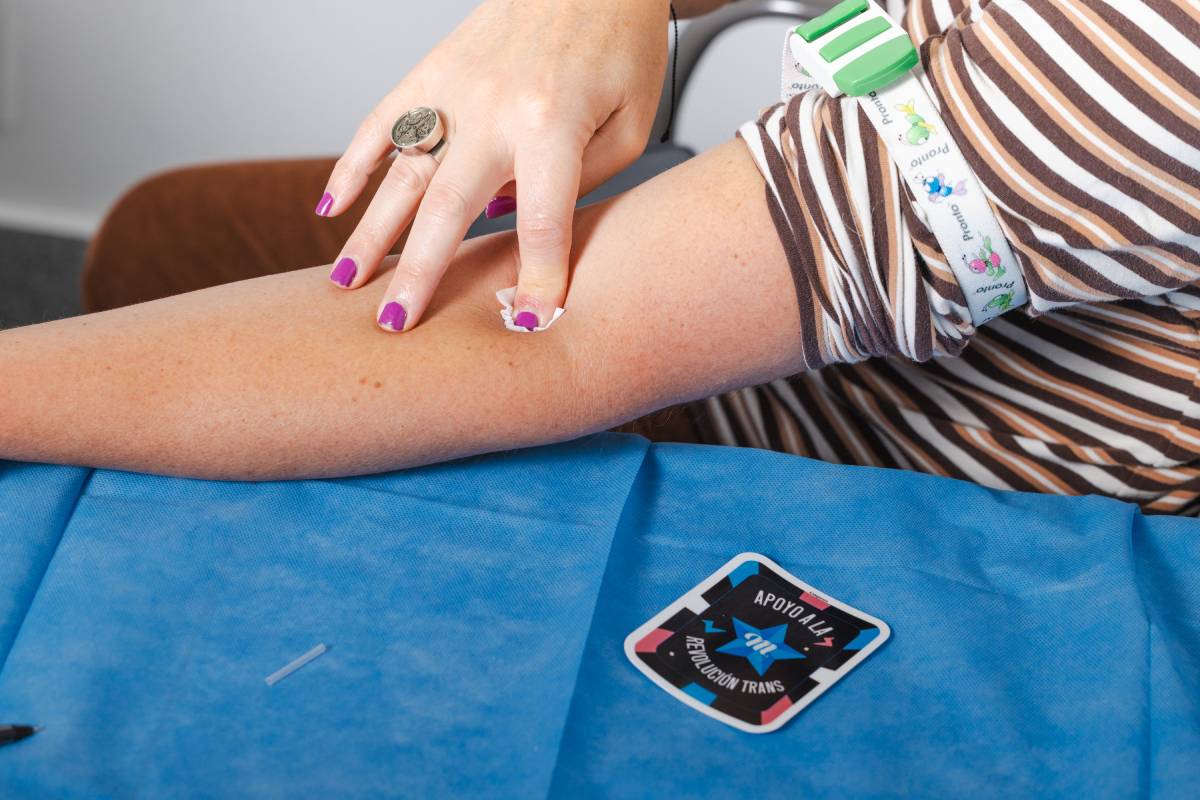
10- In Santiago there is the first “Poli-trans”, a polyclinic that provides free care to trans people.
It was an initiative by the workers at the Sótero del Río Hospital, located in Puente Alto, one of Santiago's most populous neighborhoods. The first gender reassignment surgery will be performed in March.
We are present
We are committed to journalism that delves into the territories and conducts thorough investigations, combined with new technologies and narrative formats. We want the protagonists, their stories, and their struggles to be present.
SUPPORT US

FOLLOW US
Related notes

We are present
This and other stories are not usually on the media agenda. Together we can bring them to light.