

Being trans in '100 Days to Fall in Love': "What is shown is illusory, I wish it were so"
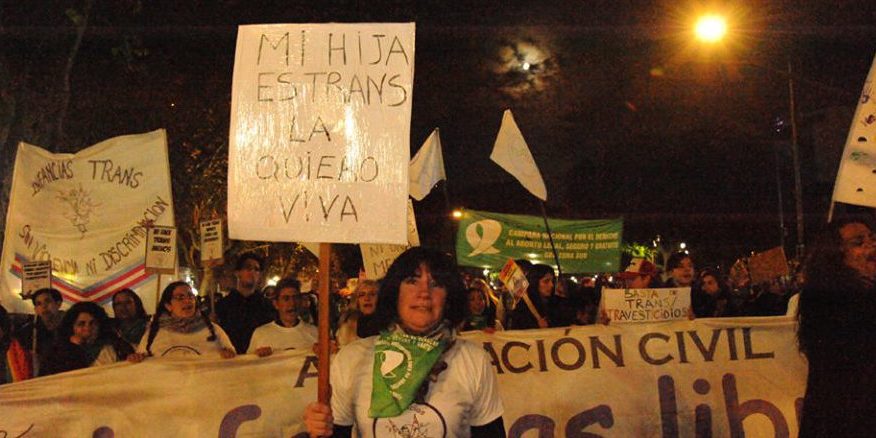
Gabriela Mansilla, Luana's mother and a member of the Free Childhoods Association (which brings together 60 families of transgender children and adolescents), reflects on the representation of a transgender boy in the Argentine daily series "100 Days to Fall in Love." By Gabriela Mansilla: It's good that transgender identities are being shown on TV…

Share

Gabriela Mansilla, Luana's mother and a member of the Free Childhoods Association (which brings together 60 families of trans children and adolescents) reflects on the representation of a trans boy in the Argentine daily series "100 days to fall in love".
By Gabriela Mansilla
It's good that trans identities are being represented on TV, but the issue is how it's being done. Because in "100 Days to Fall in Love," there's a reality that isn't being shown, a reality that society isn't addressing. They paint a fairy tale, and the truth is that our reality—at least the reality for families of transgender children and teenagers—isn't like that.
Why do we keep fighting so hard? We know we need Diana Sacayán's law for a national trans employment quota to be passed because trans people don't have access to jobs. And trans people are experiencing a life expectancy that has dropped from 35 to 32 years. We've had about 40 transvestites and trans people killed so far this year. The suicide rate isn't decreasing; it's at 40%. Furthermore, the education system isn't addressing this. It's not discussed in schools. The Comprehensive Sex Education (CSE) law doesn't cover it.
[READ ALSO: Gabriela Mansilla: “The battle for trans children doesn't end with the document”]
There is no diversity of bodies; we're still stuck in the binary system. And suddenly all the families were happy because the trans issue was going to be visible in such a mainstream medium, at a time when many people watch, but the reality is not like that. I see that the mother understands as soon as her child explains it, nothing happens, she gets a specialist psychologist when we know it's very difficult to find psychologists in this country who won't repress your child and treat us like we're crazy, telling us that if they're trans it's because of our unconscious desires, that we're trying to force these children into our reality.
In the novel, all of this is accepted in a very loving way, when reality is quite different. The prettiest girl in the class falls in love with him. Before the transition and after, she's still in love. He has the courage to face the class and say, "Call me Juan," and everyone applauds him. I wish this would happen.
We, the Free Childhoods family, are deeply saddened. We are saddened because we need the truth to be revealed, because this society must change. If teachers don't take responsibility, they will continue to do so. School is the second most common place of expulsion; the first is their own home .
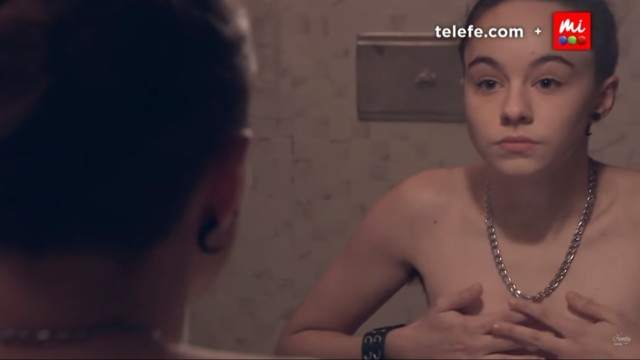
We need this topic discussed so much that we end up being grateful for this illusory portrayal. This isn't real, and society will believe what it sees on television. No one will say, "They're making it look so rosy," but it's not like that, and no one will say it. On the contrary, they'll call us crazy and overreact because, according to what's shown, transitioning is very easy: society accepts it, and the family supports and embraces it.
[READ ALSO: Television and trans identity: the five forms of violence we face every day]
I interviewed over 100 families of transgender children and teenagers who touched my heart, and it's not true that it's accepted so quickly and with such understanding. Psychologists are terrible. The violence inflicted on our children is appalling. The gender identity law is not respected. We have children under 13 who are being denied legal gender changes in the province of Buenos Aires.
In “100 Days to Fall in Love,” everything is sugarcoated and idealized. I understand it's fiction, but people are very unfair to the trans community. We're fighting for visibility and open discussion about childhood and adolescence, and this kind of portrayal fills us with anguish because it's not reality.
It would be good if they approached this with more awareness, respect, and responsibility. Society needs to change, and if we paint a picture of a wonderful world, no one will understand and no one will take responsibility.
We are present
We are committed to journalism that delves into the territories and conducts thorough investigations, combined with new technologies and narrative formats. We want the protagonists, their stories, and their struggles to be present.
SUPPORT US

FOLLOW US
Related notes



We are present
This and other stories are not usually on the media agenda. Together we can bring them to light.