

#LGBTProtocol: "Better prisoner than heterosexual again"
What is the impact of a protocol that once again identifies the LGBTQ+ community as dangerous and criminal? These kinds of tools are undoubtedly part of the culture war. OPINION: LULI SÁNCHEZ

Share

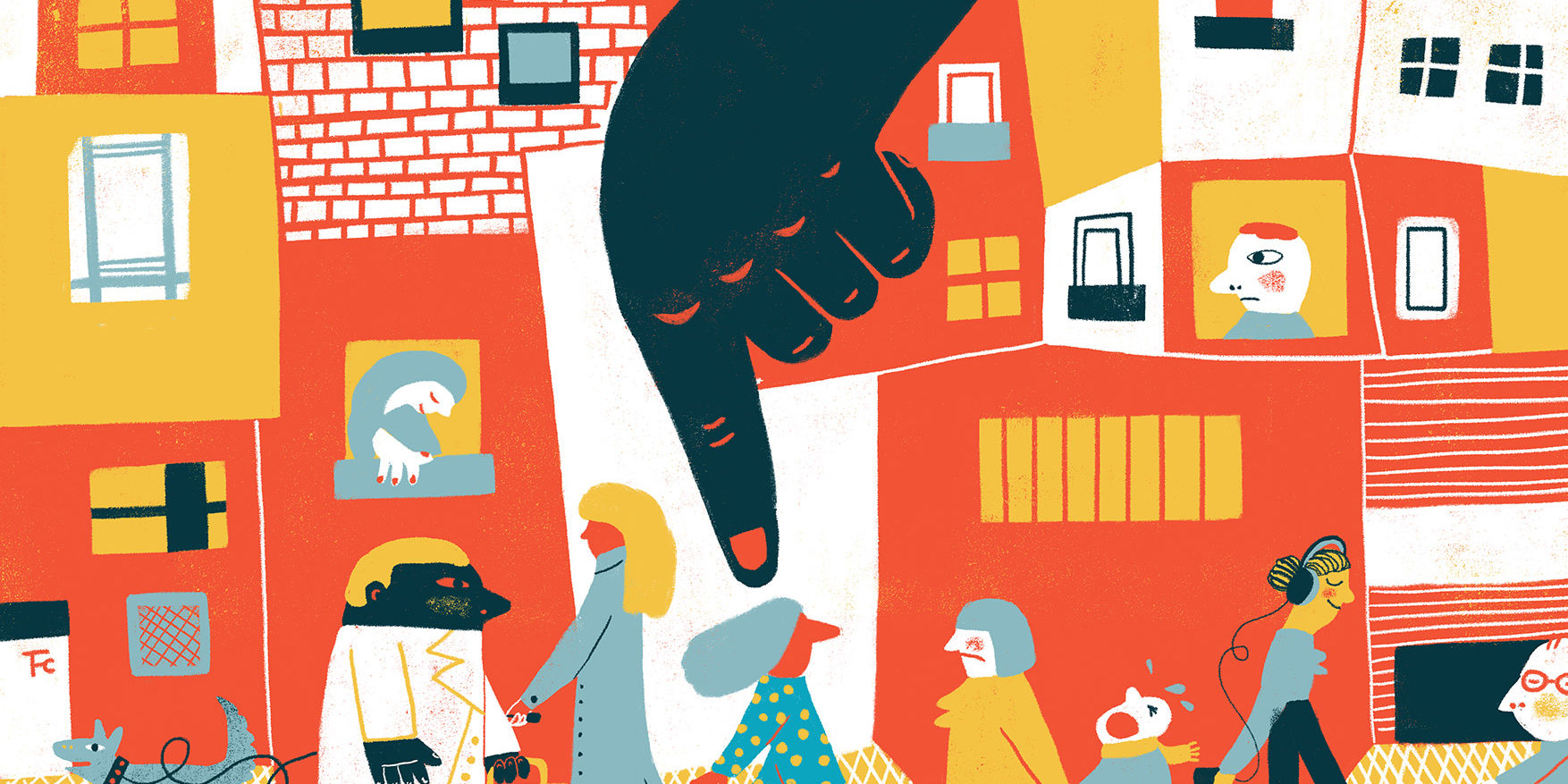
By Luli Sánchez* What is the impact of a protocol that once again identifies the LGBTIQ community as a dangerous, criminal subject ? These kinds of tools are undoubtedly part of the culture war. In this case, it is a device that directly aims to counteract the symbolic, cultural, and material effects—the social imaginary—constructed from the enactment of the laws on same-sex marriage, gender identity, and the reform of the nation's Civil and Commercial Code.
[READ ALSO: Organizations and activists condemn the detention protocol for LGBT people]
And why not, if Mauricio Macri was against such recognitions? I remember the absurd taxi-colored poster plastered all over the blocks around Congress, showing two sperm cells bumping their "heads," expressing on behalf of the PRO party that love between two men "is not natural."To endorse the repression of sexual dissidence
This protocol, which, despite repeating familiar formulas, is aimed at endorsing the repression of sexual dissidence and normatively equating it with crime, also forcefully reinstates the "they must have done something" mentality within the LGBT community. There will be no shortage of leaders who assert that "if you don't commit crimes, there's nothing to fear." But when are we not committing a crime? One only needs to look at the prison population and police statistics, along with the news of recent months, to understand that, for this administration, the LGBTIQ community is the crime itself.[READ ALSO: A policewoman in Tucumán assaulted her for being trans: she recorded it with her cell phone]
All our forms of survival are criminal. Our forms of recreation and sociability are criminal. Our kisses are criminal, and our resistance is criminal. Madam, where is your gay son now?The public and the private
Not being heterosexual in private is not the same as not being heterosexual in public. In this sense, the line of repression most strongly enabled by the protocol is the repression of sexual dissident visibility and its expressions. This becomes clear when we analyze who has been repressed in these two years, under what circumstances, and why. It is possible to identify three scenarios where police repression occurs most frequently: survival (criminalization of prostitution and drug use and dealing), protest (repression on March 8th, the National Women's Meetings, which are concerning in light of the LGBTIQ marches in November), and sociability (closure of LGBT spaces, repression of public displays of affection). All of these scenarios take place in public spaces.victimized state
Another common denominator is that the alleged crimes involve the State as the victim, and the protected legal interest affected is a mere abstraction: “public health,” “authority,” or “public morality.” These crimes do not infringe upon the human rights of specific individuals, a fundamental principle of democratic criminal law.[READ ALSO: Lesbian arrested and beaten for kissing his wife: police must be held accountable]
Regarding those who have been repressed: transvestites and trans women, mostly Peruvian and Ecuadorian, lesbians, particularly trans women, trans men, and people who do not conform to the gender binary. The meticulousness of the protocol regarding this group is surprising, as it is considered particularly suspicious. *Lawyer and lesbian feminist activist. Member of the Collective for Diversity (COPADI) ]]>We are present
We are committed to journalism that delves into the territories and conducts thorough investigations, combined with new technologies and narrative formats. We want the protagonists, their stories, and their struggles to be present.
SUPPORT US

FOLLOW US
Related notes


We are present
This and other stories are not usually on the media agenda. Together we can bring them to light.