

Television: Violence against LGBTI people was not news in 2016
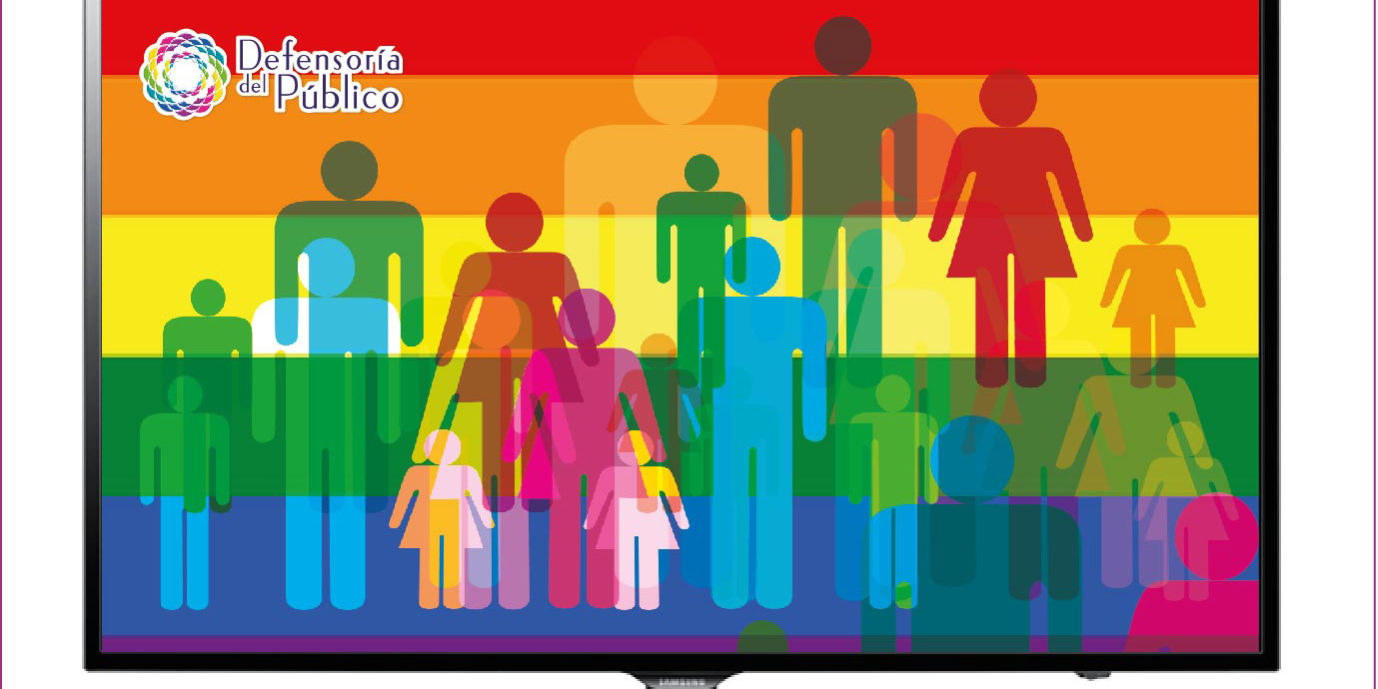
Of the 17,197 news stories monitored in 2016, only thirteen mentioned the LGBT community, and just five cited sources. None reported on the increase in transphobic murders, which, according to figures recorded by LGBTQ+ organizations, reached 16 that year. This is revealed in a report by the Ombudsman for Audiovisual Communication Services.

Share

According to figures recorded by LGBTQ+ organizations, there were at least 16 such incidents that year. This is revealed in a report by the Ombudsman for Audiovisual Communication Services.
[READ MORE: In 2016, reports of attacks and violations against LGBTI people increased]
The monitoring, which has been conducted since 2013, analyzed the news programs of the five broadcast channels in the City of Buenos Aires: América, Canal 9, Canal 13, TV Pública, and Telefé. While the number of reports is “very low,” according to Lucía Ariza, co-coordinator of the News Monitoring Program of the Autonomous City of Buenos Aires, those who carried out this work emphasize that, in general, the news stories had positive approaches. “They are brief and somewhat intimate news stories, in which there are mentions of the LGBT community and the Gender Identity and Equal Marriage laws.” The monitoring covered four time slots during the first week of even-numbered months in 2016. The study was based on 25 topics that group different themes, sources, and actors in the reports. News stories about sexual and gender diversity are included under the topic of “gender.” Violence against LGBT people, without air Since monitoring began in 2013, "the vast majority of news stories included in the Gender section focus on cases of violence against women: sexual abuse, femicide, physical violence; presented in a highly sensationalist way, where crime stories are used to cater to what are considered audience preferences in news consumption," Ariza explained. News about cases of violence or discrimination against LGBTQ+ people—often reported by independent media outlets or activists from LGBTQ+ communities—is almost nonexistent in the agendas of major news programs. "For news outlets, gender violence is almost exclusively a matter of violence against women." those who conform to a heteronormative model. There is a strong tendency to make violence against the LGBT community invisible."Ariza says. This comes in a context where organizations recorded at least 16 transphobic murders across the country in 2016." Transitions: poor journalistic treatment
Within the LGBT community, trans identities are the most represented in news reports. This is generally through stories related to the entertainment industry, and especially to celebrity "transitions." According to observations, these news reports tend to emphasize the transition itself rather than the individuals' identities. Headlines frequently focus on the before and after, such as "He, who is now she" or "From girl to boy." "These are not recommended conceptualizations. Because what should actually be recognized is the person's identity as they perceive themselves," explained the Ombudsman's Office. Other errors in media coverage include referring to the Gender Identity Law as a "sex change law," when the essence of the law is the legal change of name and access to therapies and interventions necessary to align the body with the self-perceived identity.

No news from bisexuals and intersex people
The monitoring shows that lesbians appear in news stories about lesbian motherhood and same-sex marriage. News about bisexuality and intersexuality is nonexistent. Another finding of the monitoring is the strong centralization of news in the City of Buenos Aires and the province of Buenos AiresThis is more pronounced than in other places. There is very little news coverage of issues related to sexual and gender diversity in the other provinces of the country.What happened to LGBT news from 2013 to today
So far, 2016 was the year with the lowest presence of LGBT news in the monitoring, according to this data from the Ombudsman's Office:
What were the LGBT news stories in 2016?
In February, the death of Lohana Berkins She burst onto television with two reports that highlighted her career and personal history. The same-sex marriage of Romina Charur and Victoria Escobar, performed according to Jewish rites, was covered in five news reports in April 2016. That month, news programs echoed the Twitter campaign #RepudioALaHomobofia (Repudiation of Homophobia), which countered the hashtag #SiEresGayDebisteSerAbortado (If You Are Gay You Should Have Been Aborted). April also saw coverage of the legalization of same-sex marriage in Colombia. A report presented by journalist Pedro Brieguer, with a political slant, highlighted that it had been achieved despite the opposition of President Álvaro Uribe. The Buenos Aires Diversa festival made headlines in August. In October, only one news program reported on the request made by the Archbishop of La Plata. Monsignor Hector Aguer to President Mauricio Macri to repeal the Gender Identity Law. Another news story that made the news: that of a lesbian couple who had a baby through sperm donation, but were not allowed to register her with both their surnames, until a judge ruled in their favor.Here you can download the Guide for the responsible journalistic treatment of gender identities, sexual orientation and intersexuality
The Ombudsman's Office receives and processes inquiries, complaints, and reports from the public to ensure their rights as media consumers are respected. If your rights have been violated, you can file a complaint online at http://defensadelpublico.gob.ar/ or by calling 0800-999-3333. ]]>We are present
We are committed to journalism that delves into the territories and conducts thorough investigations, combined with new technologies and narrative formats. We want the protagonists, their stories, and their struggles to be present.
SUPPORT US

FOLLOW US
Related notes


We are present
This and other stories are not usually on the media agenda. Together we can bring them to light.