

This is how the first Trans House in Peru works
Casa Trans Zuleymi in Lima (Peru) is a transit center where trans people who are homeless, migrants or victims of violence can find guidance, information and a shoulder to lean on.

Share

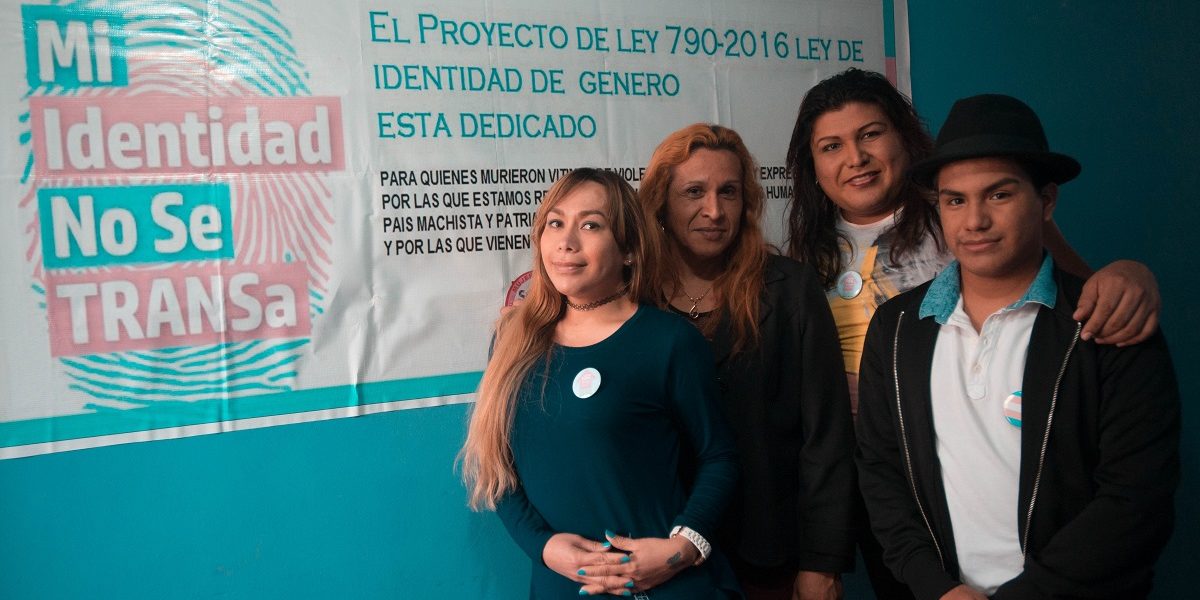
Text and photos: Esteban Marchand, from Lima. Casa Trans Zuleymi is a shelter where trans people experiencing homelessness, migrants, or victims of violence can find guidance, information, and a shoulder to lean on. A friendly and confidant shoulder. The shoulder of a trans person who understands their problems because they have been through similar situations. On the border of the Lima districts of Surquillo and San Borja, Casa Trans Zuleymi is on the third floor of a blue-fronted building. Climbing the cement stairs, you'll find the first trans shelter in the country.
Who was Zuleimy?
Zuleimy Aylen Sánchez Cárdenas is one of the teenagers on that tragic list. She was only 14 years old, lived in Trujillo, and was a trans girl. She was murdered in May 2016. She was shot four times at her front door. Exact details of the murder are unknown, but some witnesses say two people arrived on a motorcycle and shot her. Others say it was her friends who shot her while they were drinking. Casa Trans (Trans House) bears Zuleimy's name to remind the State that it is not doing enough to protect trans girls, or the trans population in general. “This house was founded by trans women, girls, and teenagers. Many of them are migrants from the Peruvian jungle, who arrive in Lima via what we call 'the critical route,'” Miluska Luzquiños, activist and founder of Casa Trans, told Agencia Presentes. This path, Luzquiños explains, is steeped in violence. It begins when girls are forced to leave their homes because their families do not accept their gender identity. It continues with institutional violence, as they have nowhere to find refuge. Finally, in Peru's capital, with no alternatives, they live crammed together in downtown Lima and survive by prostituting themselves. Having left home as minors, many do not have a national identity document (DNI). Acquiring citizenship, even if it does not reflect their correct gender identity, is the first barrier they overcome. Therefore, Casa Trans Zuleymi also "seeks to connect and support trans people without DNIs, linking them with the Identity Restoration Management of the National Registry of Identification and Civil Status (Reniec)," explains Sandy Sussel Ruiz, the center's coordinator. According to the 2016 Annual Report of the LGBT Rights Observatory, 191 cases of human rights violations against transgender women and 19 against transgender men were reported that year. Furthermore, according to the same source, there were 7 homicides of transgender women in Peru last year.
A regional trans violence registry
If a person arrives having suffered any type of violence, they are registered in the database of the Center for Documentation and Trans Situation in Latin America and the Caribbean (CEDOSTAL). “Most cases of violence are robberies, or violence perpetrated by police officers who throw water on them while they are at work. There are also trans femicides committed by their own partners; families who abandon them; and violence related to prostitution,” says Edgar Padilla, a non-binary person in charge of the CEDOSTAL registry. In the first month, they registered 30 cases of violence: that is, one case per day. Padilla points out that it is not easy for trans women to provide information. Many are afraid. Or they simply feel too inhibited to speak because they carry a history of discrimination. A friendly approach is necessary, creating a safe and trusting environment, Padilla explains. This registry aims to present a report on the problems faced by trans women in terms of social, economic, political, civil, and cultural rights to the Congress of the Republic in December, Luzquiños specifies.HIV tests
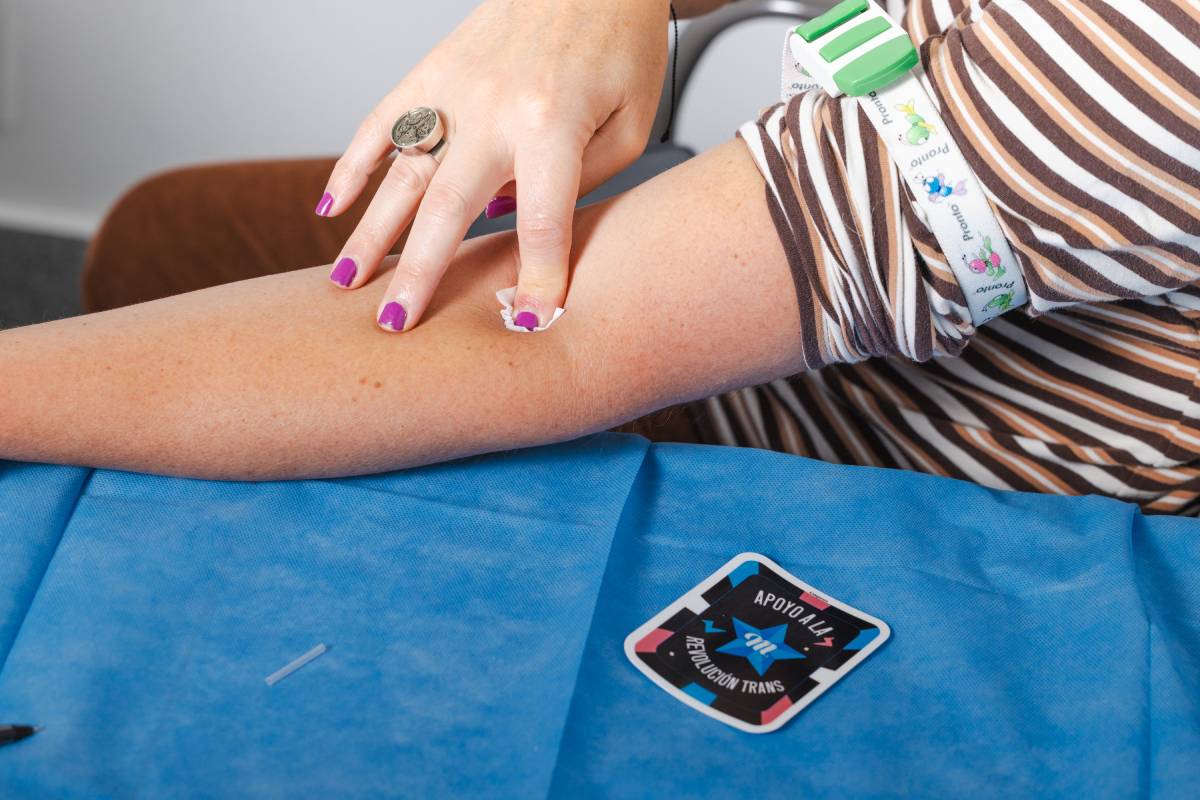
Sandy Sussel Ruiz, coordinator of the Zuleymi trans shelter, explains that another service they offer is HIV screening and rapid testing. Trans women are among the most vulnerable groups to contracting the virus. Furthermore, due to a lack of awareness and access to treatment, they are also an extremely vulnerable group when living with HIV. In the first month, 18 trans women have already been linked to health services after testing positive. Additionally, in collaboration with the Ministry of Women and Vulnerable Populations, they located seven trans girls living on the streets and placed them in shelters. Psychological counseling is also provided to women who have experienced violence. A professional visits the shelter once a week. On Saturdays and Sundays, writing and reading workshops are offered to combat the high rate of illiteracy among trans women in Peru.Empowering trans women
“Education is the only tool that will lift us out of poverty. The more empowered trans women are, the more they know about their rights, the less likely they are to let officials, family members, or partners trample on them,” Luzquiños says. She adds that only a trans population with access to culture, information, and education will be able to fight for their gender identity and all their other rights. For Sol Luisiana Espinoza, administrator of the trans shelter, “there were many projects where the people involved were cisgender, and they didn't have very good results. What we do is look for people who are equals, who treat each other as equals, who understand each other's experiences, and find ways to reach our own population.” Miluska Luzquiños acknowledges that some officials have a complete lack of knowledge about how to treat a trans woman or know nothing about gender identity. “From the moment they start stigmatizing trans women, there's a rejection of the service by those who use it.”
The future of the Trans House
For the time being, the funding for this trans house and shelter comes from Synergia, Initiatives for Human Rights. They provide the financial support. Casa Trans Zuleymi plans to have the first trans community kitchen and the first trans shelter focused on education. They hope to implement these initiatives in the first two quarters of 2018. “Far from a population group wanting to change their name, they also need food and medicine,” says Luzquiños. “These are basic needs that we must meet. Initially, we will do it ourselves, and then we will seek sustainability from the State.”We are present
We are committed to journalism that delves into the territories and conducts thorough investigations, combined with new technologies and narrative formats. We want the protagonists, their stories, and their struggles to be present.
SUPPORT US

FOLLOW US
Related notes

We are present
This and other stories are not usually on the media agenda. Together we can bring them to light.