

Mar del Plata approved the trans employment quota
The ordinance was unanimously approved, and 1% of the more than 8,000 positions in the Municipality of Mar del Plata will be reserved for transgender people over 18 years of age who have completed primary school. It was also established that the rainbow flag will be flown at public buildings four times a year.

Share

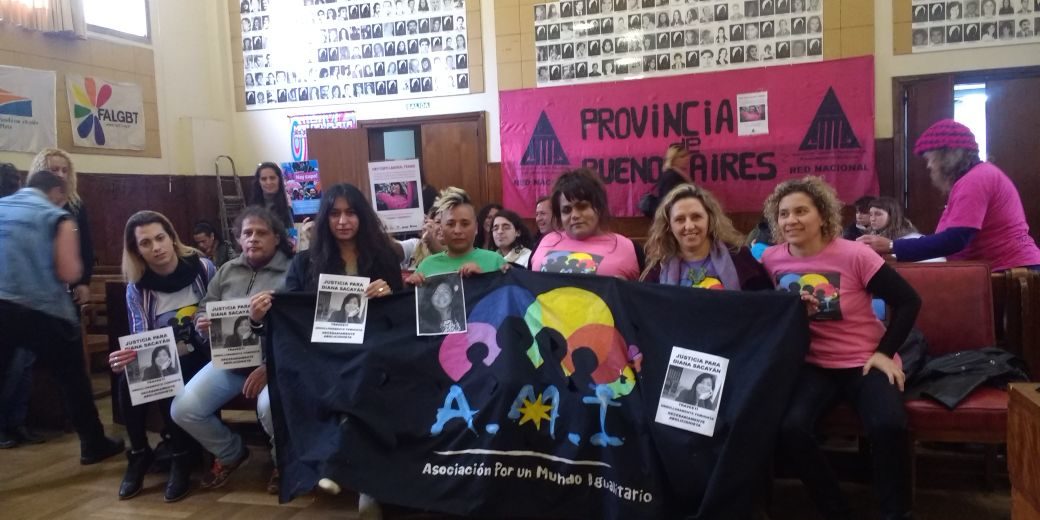
The ordinance was unanimously approved, and 1% of the more than 8,000 positions in the Municipality of Mar del Plata will be reserved for transgender people over 18 years of age who have completed primary school. It was also established that the rainbow flag will be raised four times a year at public offices. Amid applause and celebrations, the Honorable Deliberative Council approved two important projects for the LGBTI community. First, the ordinance establishing a 1% quota for transgender workers in municipal positions—where there are more than 8,000 employees—adhering to Provincial Law 14783 Diana Sacayán. Second, the project stipulating that the rainbow flag be raised at all municipal offices on significant dates (May 9 and 17, June 28, and July 15). “We are overjoyed, we are still euphoric,” Claudia Vega of the Equal World Association (AMI) Presentes
[READ MORE: This is the map of trans employment quotas in Argentina]
“We had been working on these projects in all the committees. We feel this is more than just a task accomplished. In addition to honoring Diana Sacayán's memory with the quota, we have another cutting-edge project: raising the rainbow flag four times a year at public offices. Educational institutions will take advantage of this to discuss the issue, explaining to the children why the flag is being raised. Only through education will discrimination end. These laws come to redress rights that were denied to us, rights that should already exist. Now we are working on the reparations law for trans and gender-diverse people,” added Vega, who also highlighted the contrast between these ordinances and the increase in state violence against the LGBTI community in Mar del Plata. The following were announced yesterday: Two people who were selected to work at the National University of Mar del Plata (UNMP) In compliance with the trans quota promoted by the Lohana Berkins Chair and sexual diversity organizations such as MAL and AMI, UNMP became the first university in Latin America to have a trans quota for non-teaching positions.
“It is to continue Diana’s fight”
LGBTI activists such as Say Sacayán, Diana's brother and a leader of the Anti-Discrimination Liberation Movement (MAL); Alma Fernández from the Mocha Celis Travesti-Trans High School; Daniela Castro, former trans official of the Secretariat of Human Rights of the Province of Buenos Aires; Cintia Pili, coordinator of the first trans textile cooperative; and other organizations of the collective such as ATTTA, AMADI, Network of People Living with HIV and GYM, among others, were present at the vote. “We are very happy, celebrating,” Say Sacayán told PresentWe work together with AMI. We came representing Diana and what this law means. It's a necessity and a source of pride because it means continuing the fight that Diana left us. It's about doing justice for Diana. Many of our trans sisters are interested. Just for the university, 30 applied; imagine how many would apply for the municipal quota, which is more comprehensive. This law is crucial. Diana realized through her struggles that the trans job quota was the most important thing for our sisters to be able to change their lives. Having other rights but not having the right to work is condemning oneself to prostitution,” Sacayán added. Starting tomorrow, council members and activists will meet to create the registration registry. Social organizations will form an oversight committee to ensure compliance with the law. “This is just the beginning of a process that we hope won't be too long. This right truly begins when trans people are registered, receive a salary for their work, and can have a dignified life project,” Vega said.We are present
We are committed to journalism that delves into the territories and conducts thorough investigations, combined with new technologies and narrative formats. We want the protagonists, their stories, and their struggles to be present.
SUPPORT US

FOLLOW US
Related notes



We are present
This and other stories are not usually on the media agenda. Together we can bring them to light.