

#HIVInArgentina: Official information requested regarding medication delivery
The organizations united in the People's Health Front will meet tomorrow with officials from the Ministry of Health to address several urgent requests. These include a specific date for the regularization of medication deliveries and information regarding changes in suppliers. Representatives from more than 30 organizations that make up the People's Health Front…

Share

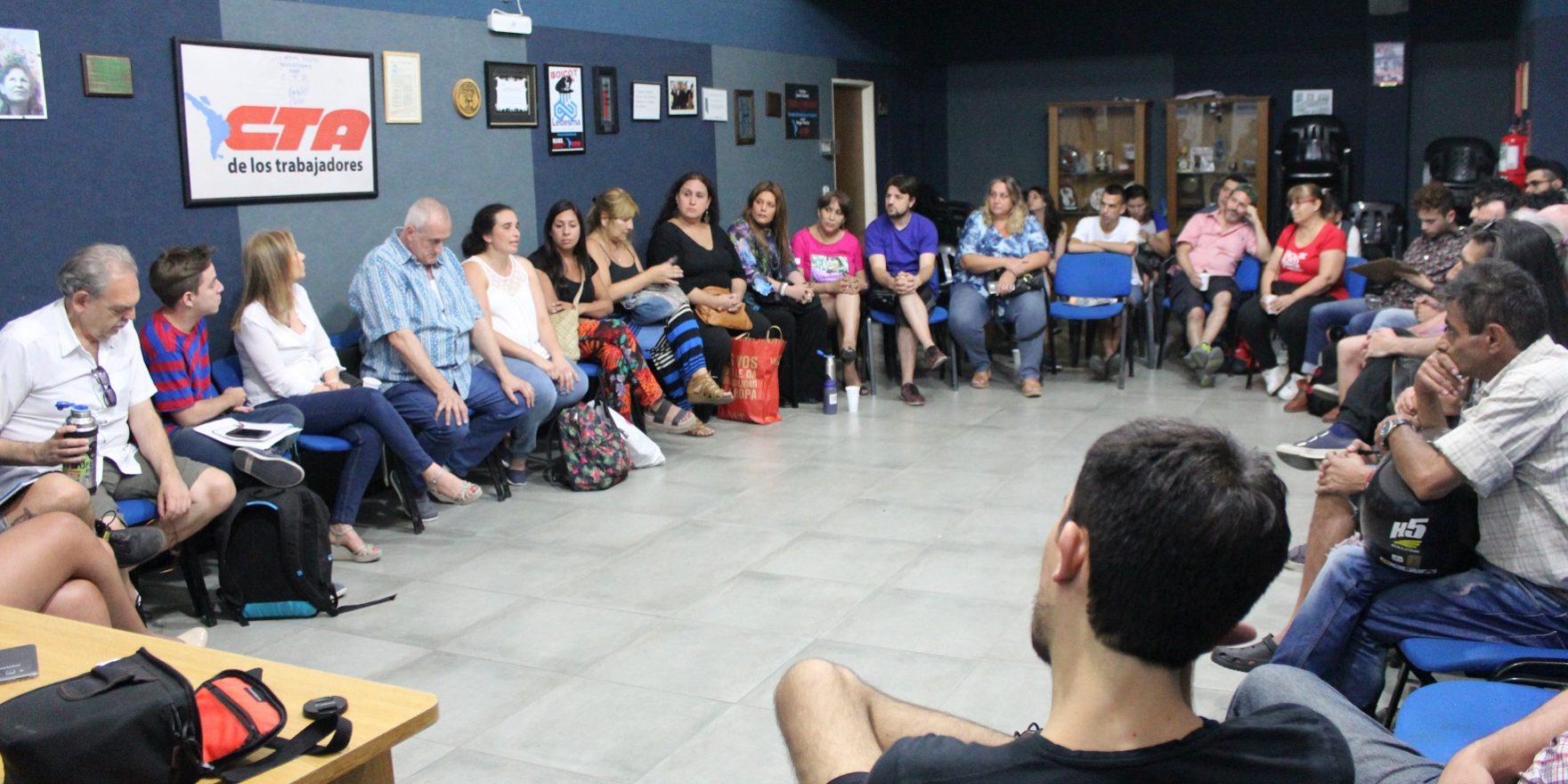
The organizations united in the Front for People's Health will meet tomorrow with officials from the Ministry of Health to address several urgent requests. These include a specific date for the regularization of medication deliveries and information regarding changes in suppliers. Representatives from more than 30 organizations that make up the Front for the Health of People with HIV met on Friday to agree on an agenda of issues to present at tomorrow's meeting with Ministry of Health authorities. As agreed, they will request a specific date for the regularization of medication deliveries, information on changes in suppliers, and a strategic HIV response plan for the next three years. They will also demand mass prevention campaigns and access to testing, as well as updated information on the provision of treatments and reagents for hepatitis C and tuberculosis. Among the actions agreed upon is a request for information on HIV medication, which will be submitted through the Ombudsman's Office of the Autonomous City of Buenos Aires. The aim is to accurately determine the delivery status of medications, reagents, and preventative materials in 2016, as well as the 2017 forecast for health centers in the Autonomous City of Buenos Aires. Tomorrow's meeting will be the second between the Frente and officials from the National Ministry of Health. The first was in December, following a public assembly held in front of the Ministry of Health headquarters in downtown Buenos Aires, which was attended by more than 200 people.
National emergency
He The Front was formed on December 1, International HIV/AIDS Day. As a first step, they declared a national emergency due to the State's absence of public policies for HIV/AIDS prevention and treatment and took to the streets. Currently, there are 120,000 people living with HIV in the country, 30% of whom are unaware of their diagnosis, according to figures from the National Ministry of Health. “The Front is expanding its focus. We initially came together because of the emergency caused by the shortages and the frustration of not being received by the authorities. In our second meeting, the need arose to broaden our scope to include the quality of life of people living with HIV. We demand medication now and in the days to come. But we also feel the need to address poverty, labor rights, access to decent housing, and comprehensive sexual health for all,” said Lucas Gutiérrez, a member of the Front. “The path forward regarding HIV cannot be limited to just a pill, to medication that the State must provide. We need to talk about how to develop tools and opportunities. We are largely stigmatized people, subjected to many prejudices and paternalistic attitudes. We are people with a voice and the power to act, and we make it count. Ensuring a dignified quality of life for people living with HIV is urgent and an obligation that rests with both HIV-positive and HIV-negative individuals. And of course, with the State,” Gutiérrez added. Other topics agreed upon at the meeting included taking an active role in monitoring allocated budget items, their execution, and the availability of resources in health services.Follow Presentes:
Twitter @PresentesTLGBI Instagram: PresentesTLGBI Facebook: https://web.facebook.com/presentesTLGBI]]>We are present
We are committed to journalism that delves into the territories and conducts thorough investigations, combined with new technologies and narrative formats. We want the protagonists, their stories, and their struggles to be present.
SUPPORT US

FOLLOW US
Related notes



We are present
This and other stories are not usually on the media agenda. Together we can bring them to light.