

#Buenos Aires: Raiza, the missing trans woman, has been found
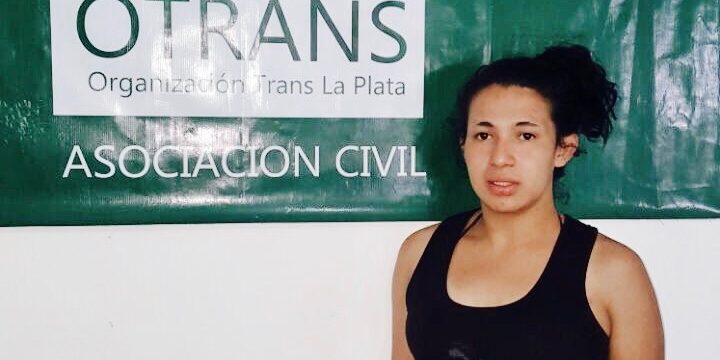
She was last seen on Wednesday night, December 21st. After an extensive search, her colleagues from OTRANS Argentina found her asking for food at a bakery in the Congreso neighborhood of Buenos Aires yesterday at noon. #BUENOS AIRES# After four days of intense searching by members of the OTRANS organization…

Share

She was last seen on Wednesday night, December 21st. After a long search, her colleagues from OTRANS Argentina found her asking for food at a bakery in the Congreso neighborhood of Buenos Aires yesterday at noon. #BUENOS AIRES# After four days of intense searching by members of the OTRANS Argentina organization, Raiza, the 20-year-old who had disappeared on December 21st , was found asking for food at a bakery in the Congreso neighborhood. Raiza is Ecuadorian, homeless, and works as a prostitute; she has no family in Argentina. A few weeks ago, she was stabbed for the second time this year in the Once neighborhood. When she went to the emergency room at Ramón Mejía Hospital, they refused to treat her. After she didn't return to the shelter where she slept last Wednesday, her colleagues began searching for her day and night: they walked the streets of Once, posted flyers with the young woman's face, and shared the information on social media. At the time of her disappearance, a habeas corpus petition was filed, which was rejected by the 46th Investigating Court. “The situation is very serious. Neither the Justice system nor the National Council for Women, which sent her to the shelter and then failed to take responsibility, provided any answers,” Claudia Vásquez Haro of the organization OTRANS Argentina told Presentes. “We need public policies that comprehensively address the trans community's problems and for the State to comply with the UN recommendations,” she added. Vásquez Haro, who is demanding an “urgent” meeting with the head of the Council for Women, Fabiana Tuñez, complained about the lack of sensitivity and the ineffectiveness of that agency. She explained that Raiza left the shelter because of the discrimination she felt. “They had promised her a psychologist, who never arrived. She needs comprehensive support. She is extremely vulnerable socially, being a trans woman, a migrant, and working as a sex worker,” she pointed out.
Follow us:
In Twitter In Facebook In Instagram ]]>Share
We are present
We are committed to journalism that delves into the territories and conducts thorough investigations, combined with new technologies and narrative formats. We want the protagonists, their stories, and their struggles to be present.
SUPPORT US

FOLLOW US
Related notes

We are present
This and other stories are not usually on the media agenda. Together we can bring them to light.