

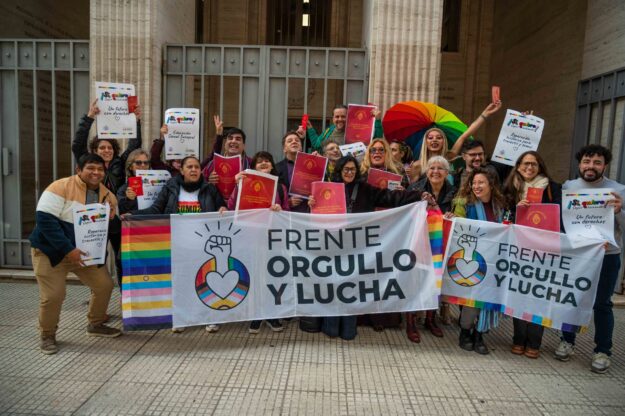
15-Year Marriage Equality Law: "We celebrate and defend this law."
In front of the Civil Registry of the City of Buenos Aires, activists for sexual diversity held a "libretazo" (a protest) to celebrate the 15th anniversary of the Equal Marriage Law.
 Support us
In front of the Civil Registry of the City of Buenos Aires, activists for sexual diversity held a "libretazo" (a protest) to celebrate the 15th anniversary of the Equal Marriage Law.
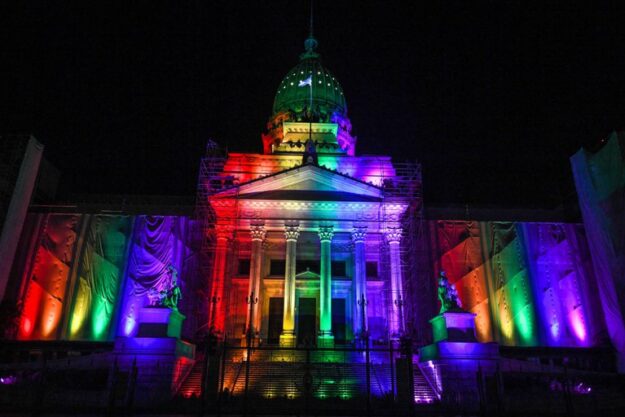
After years of struggle, the LGBT movement achieved one of its most important achievements with the approval of same-sex marriage. Argentina was the first country in Latin America to have this right and the tenth in the world. Activists share their experiences as activists and their lives after marriage.
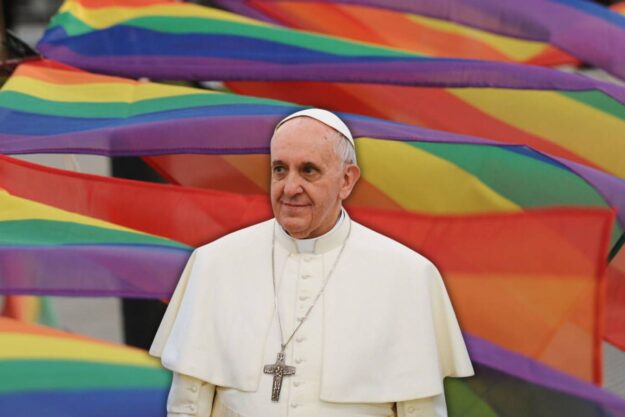
During his time at the Vatican, Pope Francis referred to LGBT people on more than one occasion.
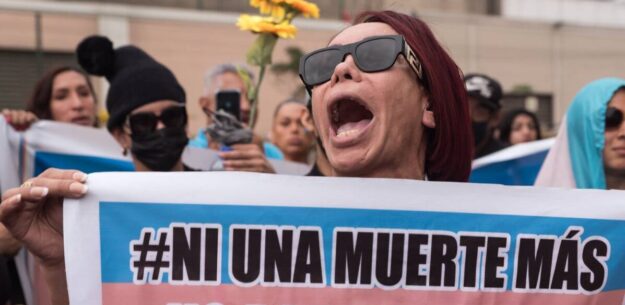
The Supreme Decree that pathologizes trans people remains in force in a year that will be remembered for its setbacks and a few victories, won through sheer LGBT persistence.

Graciela and Dayanna had to get married in Argentina and then filed a lawsuit with the courts to register their marriage. "We've been doing activism for years, but we haven't made much progress on LGBTQ+ issues."
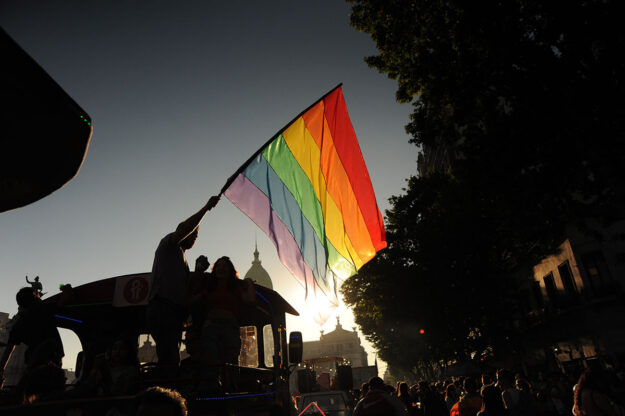
Despite some progress for LGBTI+ people in the last year, strong opposition “is spoiling the progress made towards equal rights,” says the ILGA World report.
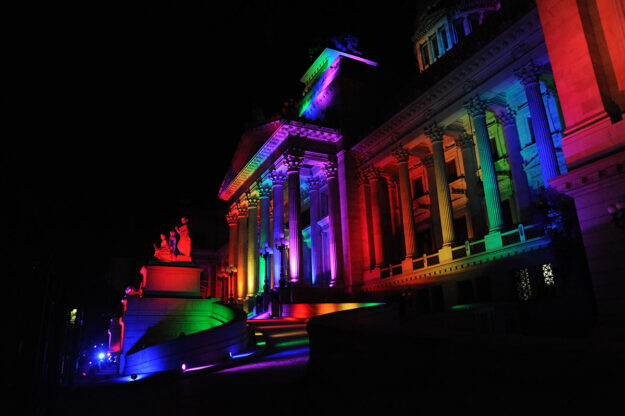
On July 15, 2010, Argentina became the first country in Latin America to legalize same-sex marriage. Here we look back at the emotion, the struggle, and the emblematic moments that marked this historic day for the human rights of sexual diversity.

Javier Milei's running mate said that same-sex marriage was already "guaranteed through civil unions." This information is deliberately false.
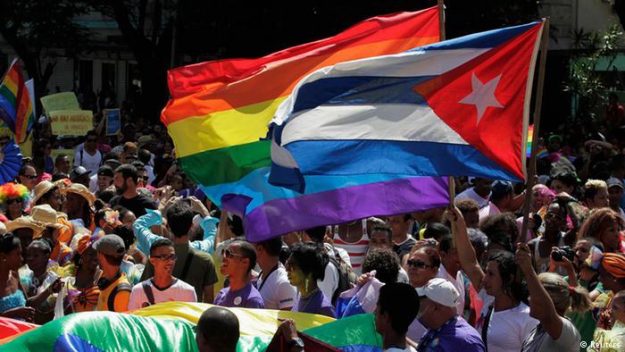
Cuba approved a new Family Code that legalizes marriage and adoptions "between two people".
It was decades of struggle and more than 15 hours of debate in the Senate with a packed square in front of Congress that erupted in celebration.