



2023 ELECTIONS LGBT Candidates: Jazmín Kinder, activism for diverse healthcare in Misiones
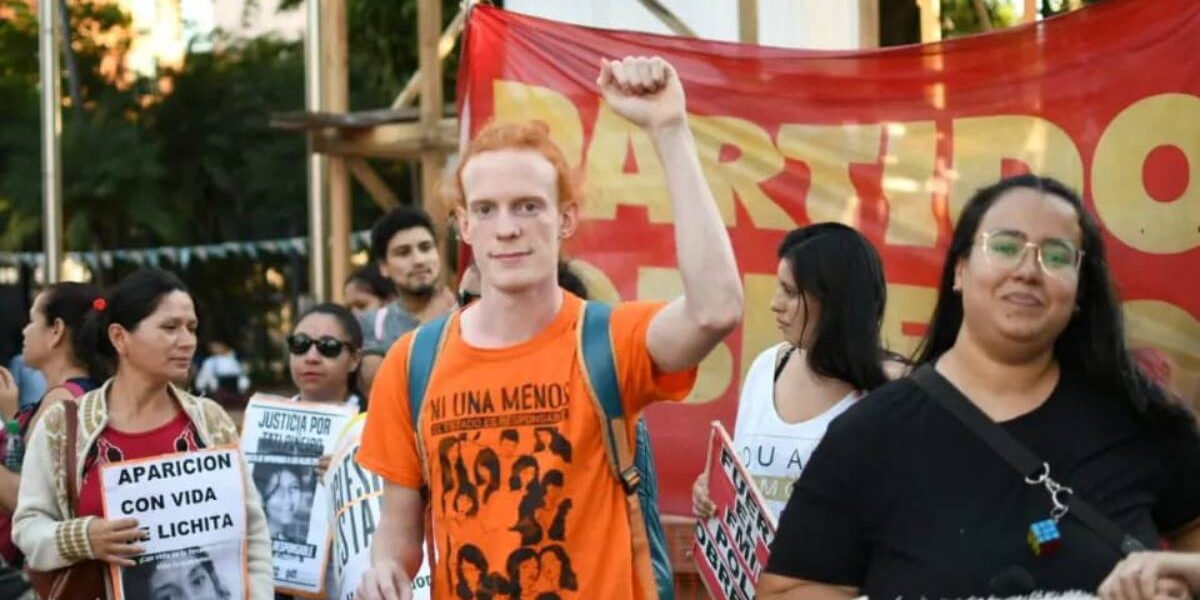
Educational psychologist Jazmín Kinder is running for deputy for Misiones on the Workers' Party list.


Share

At Agencia Presentes, we compiled a list of LGBT+ candidates running for various offices in the 2023 Argentine elections. Jazmín Kinder, who ran for mayor of Posadas, is now running for national deputy for Misiones. You can learn about her proposals in this article*.
Jazmín is an educational psychologist. She has been active in various political spheres and last year dedicated herself to organizing the provincial campaign to defend the rights of disability service providers and their fees, as a candidate for mayor. She secured both candidacies through a vote within her political party.
For Jazmín, it is urgent to have their own voice in positions of power and that dissidents who gain access must be committed to popular demands. "A dissident who votes for an austerity budget does not represent me," says the candidate.
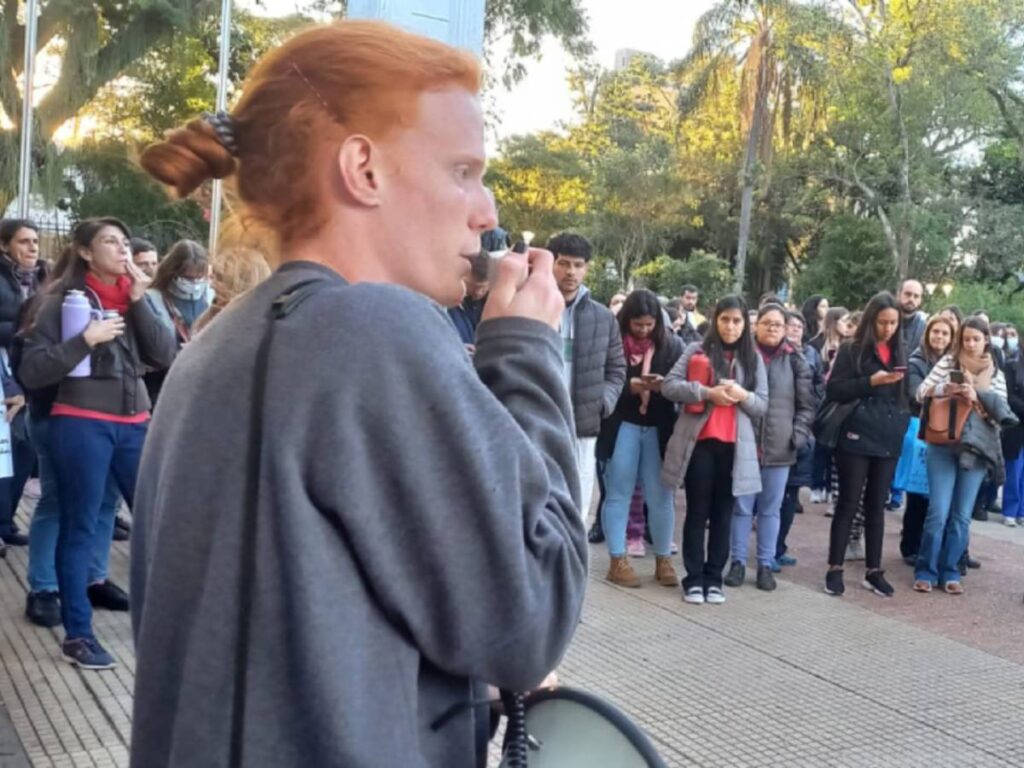
In addition to her activism, Jazmín was this year the first trans candidate for mayor in Posadas.
We are putting together a special feature on LGBT+ candidates for the 2023 elections in Argentina. If you would like to share other candidates with us, please write to contacto@agenciapresentes.org with the subject line: CANDIDATES ELECTIONS 2023 ARGENTINA. Thank you!
Name: Jazmin Kinder
Identity: Transvestite NB
Candidacy: National Deputy for Misiones
Political party: Workers' Party in the Left and Workers' Front - Unity
List: Unity of Fighters and the Left
Position on the list: First alternate
Why does a person from a diverse sexual/cultural background have to be in Congress or the Legislature?
Because we've shown we can speak for ourselves, but I don't think it's enough for dissidents to be there as a "quota"; it's a question of the interests they represent. A dissident group that votes for an austerity budget is a dissident group that is imposing austerity on the community and the rest of the working class. I no longer consider them my comrades. The women and dissidents who came to power didn't advance our rights; instead, they defended the austerity policies of previous governments.
When did you decide to run for office and why?
My colleagues voted for me in a provincial assembly. In my movement, we don't run for office based on personal decisions; these are collective and democratic decisions based on our prominent role in the struggle. Last year, I was organizing the major struggle of disability service providers in my province, as a delegate for the Precarious Health and Education Service Providers Union Assembly, and that's why they also chose me as a candidate for mayor of Posadas in the May 7th elections.
How do you think hatred can be combated through politics?
Hatred flows from the top down. Capitalist parties need this hatred to keep us oppressed and deflect social discontent. Milei, for example, channels everything into "gender ideology." Hatred is combated with an LGBT movement that builds ties with the most vulnerable populations, because we have a common enemy: the state that starves us and imposes austerity measures on us, the Church that oppresses us, and the employers who exploit us.
Did you think of any strategies to respond to the smear campaigns and disinformation against LGBT people in the media?
Strategies like the Media Law and others have failed, which is why it's so important to talk about secular, scientific, and respectful Comprehensive Sexuality Education (CSE). We need to allocate funding to CSE, repeal Article 5 of the law, and separate Church and State. An informed society is one where hate speech isn't promoted. We also question why the media gives so much airtime to those who reproduce this discourse; clearly, it's because it serves the interests of big business.
How do we prevent a decline in rights?
Organizing ourselves in the streets, independent of the State, the Churches, and employers. From the list I'm part of, headed by Gabriel Solano and including many of my comrades from the LGBTI 1969 Group, we believe in and fight to build an alternative so that tomorrow the workers and working-class dissidents will govern, and so that we won't have to go out and fight because those rights will already be guaranteed.
What is the first project you are going to present?
We need to increase the budget to implement the laws we've won, establish comprehensive centers to address violence, create a single court for gender-based violence to streamline the reporting process, repeal Article 5 of the Comprehensive Sexuality Education Law, and review the articles of the trans and travesti employment quota that allow for precarious contracts. Institutionalization has failed; we must strive for an autonomous council of women and gender dissidents with a state budget and revocable mandates.
Recommendation
A film, song, book, or cultural experience that politically influenced you?When I was in my last years of high school and was very conflicted about religion, my identity, and my sexuality, Troye Sivan's "Heaven" really helped me. Its music video has many fragments from the early years of the post-1969 struggle, and it includes the line, "If I lose a part of me, I don't think I want to go to heaven," which took away the fears about hell and eternity that were instilled in me by the evangelical church.

Share
We are present
We are committed to journalism that delves into the territories and conducts thorough investigations, combined with new technologies and narrative formats. We want the protagonists, their stories, and their struggles to be present.
SUPPORT US

FOLLOW US
We are present
This and other stories are not usually on the media agenda. Together we can bring them to light.