

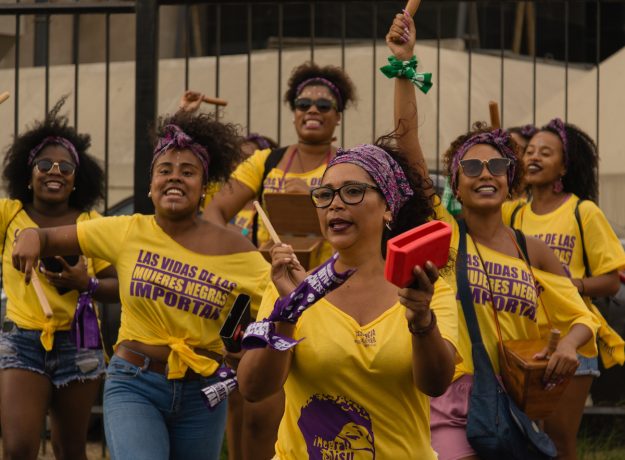
#8M in Peru: "We are not hysterical, we are historic"
About 5,000 women, trans people and lesbians marched along Avenida de la Peruanidad in Lima towards Plaza San Martín to say "We want to live."
 Support us
About 5,000 women, trans people and lesbians marched along Avenida de la Peruanidad in Lima towards Plaza San Martín to say "We want to live."
About 5,000 women, trans people and lesbians marched along Avenida de la Peruanidad in Lima towards Plaza San Martín to say "We want to live."
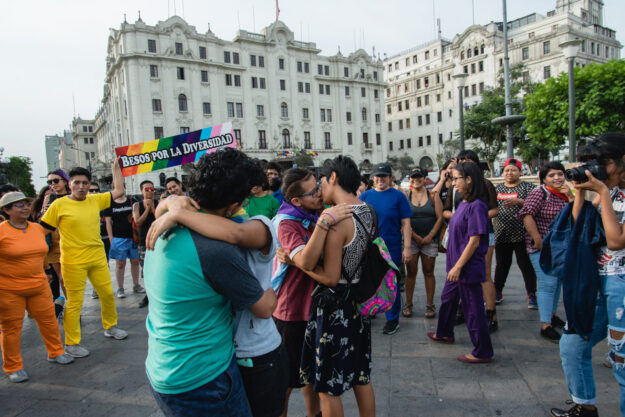
Text and photos: Esteban Marchand. Around 50 activists gathered this Saturday around Lima's Plaza de Armas for the public kiss-in 'Kisses for Diversity' in a country where there is no law on same-sex marriage or gender identity. In 2017, a bill was introduced proposing…
In 2018, violence in Peru disproportionately affected transgender people. There was no significant progress for the rights of LGBTIQ+ people.
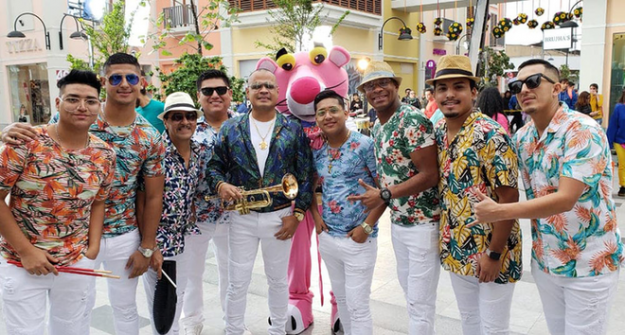
The salsa band Zaperoko mocked a young gay man at Jorge Chávez International Airport in Callao, Peru.
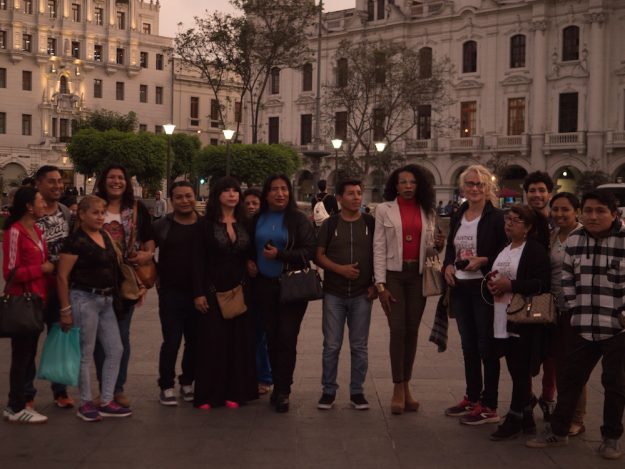
By Esteban Marchand On Transgender Day of Remembrance, Peruvian activists gathered in Plaza San Martín in downtown Lima to commemorate the trans women and men who were murdered or died due to a lack of access to basic rights such as health, work, and housing. Among the banners was…
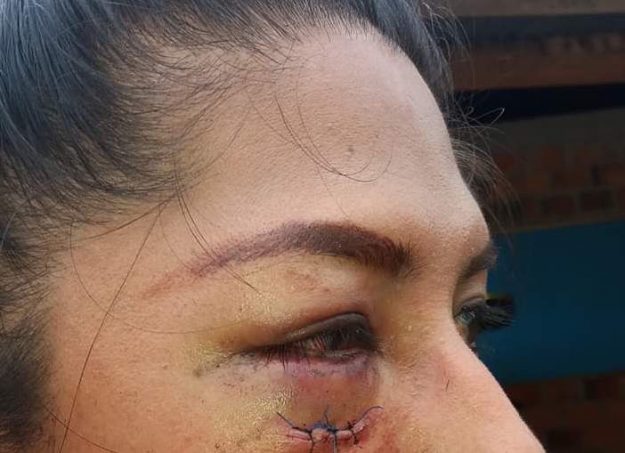
Cris Genesis del Castillo was attacked with a metal bar in October in Yurimaguas, in the San Martín region of the Peruvian jungle. Her partner is believed to have been the assailant.
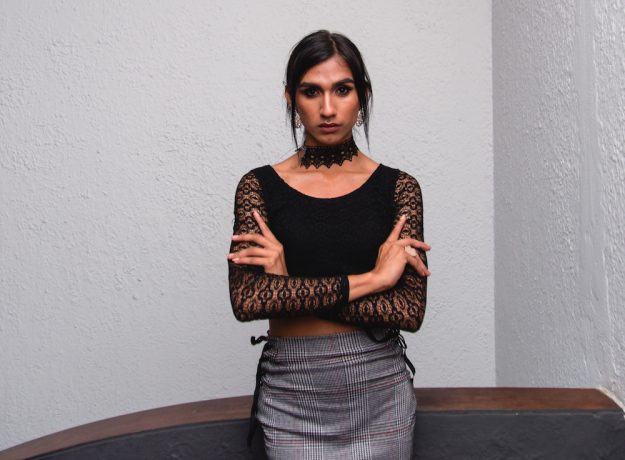
After struggling in the fashion world and creating her own modeling academy and cultural center, this year she was a finalist among 300 girls for the 2018 edition of Model of the Year Peru. On October 11, she walked the runway alongside 19 other models at Jockey Plaza. She was the only transgender woman.

Prosecutor Marcelita Gutiérrez of the Second Supraprovincial Criminal Prosecutor's Office of Lima archived the complaint of Yefri Peña Tuanama, a tortured trans woman.
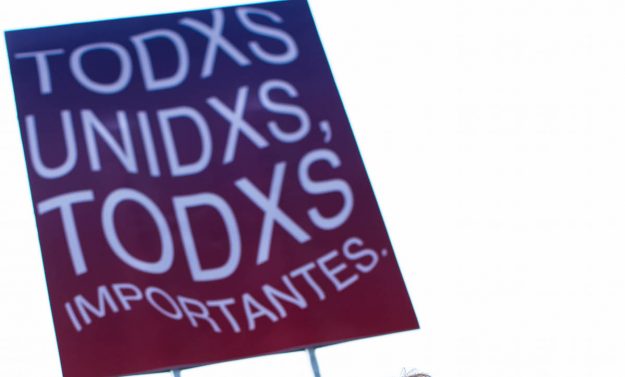
“The changes and additions made to inclusive language reflect historical moments. Initially, it was about women's independence; for example, allowing women to keep their surnames, or eliminating the distinction between 'señora' and 'señorita' based on marital status,” Juan Ernesto Cuba García, a linguist specializing in gender and a professor at New York University, tells Presentes.