

What's behind the blocking of social media for children and teenagers?
This isn't about mental health, it's about information control. How are social networks managed, and what consequences can their prohibition and control have on LGBTQ+ people?.


Share

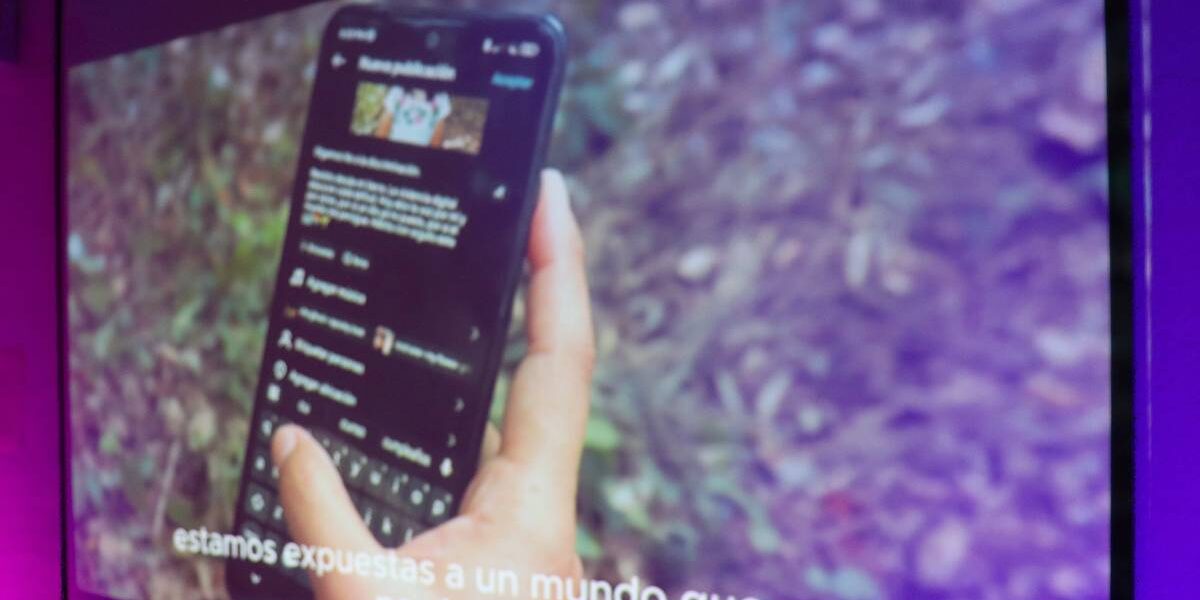
A teenager in Michoacán posted in a private Facebook group that he was about to commit femicide at his high school. A group of young people, who don't know each other in person, shared content on WhatsApp to "improve" their image, while rating photos of women taken without their consent. A 13-year-old girl developed an eating disorder "thanks" to advice she receives daily on Instagram.
It's impossible to deny that social media has become a serious problem for the physical, mental, and social health of adolescents and children in Mexico and around the world. In the 20 years that we've learned to live with and through them, these platforms have also changed radically. From showing us only the people we followed, now complex recommendation algorithms flood us with posts from brands, celebrities, and accounts we didn't know existed, all to keep us within their ecosystems, consume more content, and absorb as much information as possible about us, our contacts, and our habits.
Regulating these companies, their website architecture, and their algorithms (as well as the extraction and sale of our data and their predatory practices) is urgent. However, we are not here to discuss these regulations, but rather access, or its prohibition, for minors. The proposal, already being debated at the federal level and in at least two states—Nuevo León and Querétaro—follows recently passed laws in Spain, the United Kingdom , and Australia.
While there are interpretations that can be made about the morality of these actions by large technology companies, it is also urgent that we understand how the business models of these monopolistic giants operate, what is at stake when age and identity restrictions are imposed,and what is left out when prohibiting spaces for everyone is put on the table.
Identity verification
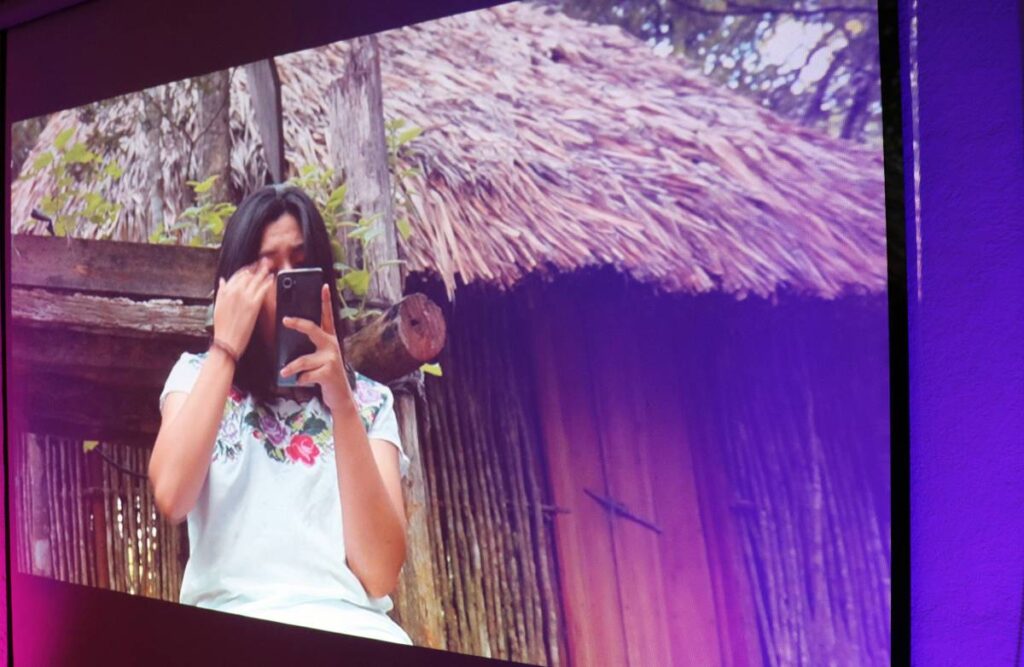
If legislation like the previous ones is passed, it will be mandatory for an authority to verify the age and identity of users of every device connected to the internet. Internet providers, telephone companies, and social media platforms will have to be responsible for handling biometric and identity data. They must "ensure" that the person entering their digital spaces is of legal age and is who they claim to be.
This is a latent security risk. But it's also a business opportunity for security companies like Palantir, NSO (creator of the Pegasus spyware), and similar firms.
Through secondary legislation, it would be necessary to determine what the identity validation mechanisms would be, who should provide them and, ideally, what obligations these verification service providers would have to fulfill.
Although legislation is designed to guarantee digital security and the proper handling of this data, there are no guarantees that the same validating companies will not use this information to feed mass surveillance AI models, as has already happened in the United Kingdom and in the states of the United States where similar legislation has already been approved.
Furthermore, it could easily become a tool for digital hyper-surveillance. Land and human rights defenders, activists, and journalists would abandon the digital security mechanisms that protect them. And all their activity could be tracked as easily as people or cars can be followed through the "security" cameras of any city.
Who gets left out
Proposals like the one under discussion suggest that social media is inherently dangerous. They argue that its use cannot be positive for anyone and that it must be regulated like addictive substances, such as tobacco, alcohol, or drugs.
This logic overlooks how adolescents and young adults use social media, as well as its enormous usefulness for vulnerable groups. According to Instagram data, those under 25 primarily use the app for instant messaging. More than 75% of LGBT+ youth have reported that their support and care networks are in these digital spaces (more than double the percentage of cisgender heterosexual youth), according to the Center for the Study of Social Policy.
Social media is also a common platform for pages about LGBT+ sex education, support groups for neurodivergent individuals or people with disabilities, and information on basic rights, as well as educational, legal, and financial assistance.
However, these spaces of resistance are constantly harassed by platforms for being considered "violators" of their community standards; their accounts are blocked and their content is limited, as multiple studies and reports have pointed out.
What can be done differently?
So far, in no country where these blanket bans have been implemented have there been improvements in the mental health of adolescents and young adults. On the contrary, young people have turned to much more unsafe spaces, without supervision and without any legal protection.
Regulations tailored to the digital crisis are urgently needed. To design such regulations, we need a government and legislators who understand how social media operates, how it is actually used, and who is harmed in the current state of affairs.
We need a society willing to listen to young people, and not just see them as a threat to themselves. We need support and resources that are up to the task. We need to move beyond the internet as a mere marketplace and start thinking about a space where, truly, everyone fits in.
We are present
We are committed to journalism that delves into the territories and conducts thorough investigations, combined with new technologies and narrative formats. We want the protagonists, their stories, and their struggles to be present.
SUPPORT US

FOLLOW US
Related notes
We are present
This and other stories are not usually on the media agenda. Together we can bring them to light.