

They are calling for the largest class-action lawsuit in history to stop the reform of the Glaciers Law
"The fight continues," reads the document that was read at the vigil while Congress approved the controversial reform to the Glaciers Law. Three organizations are calling for "the largest collective lawsuit in history" to stop the changes.


Share

BUENOS AIRES, Argentina. The Glaciers Law reform bill was passed early this morning in the Chamber of Deputies of Congress with 137 votes in favor and 111 against. Public participation in the hearings was not permitted —less than 1% of the 100,000 registered voters were able to attend. Organizations are warning that the reform is unconstitutional .
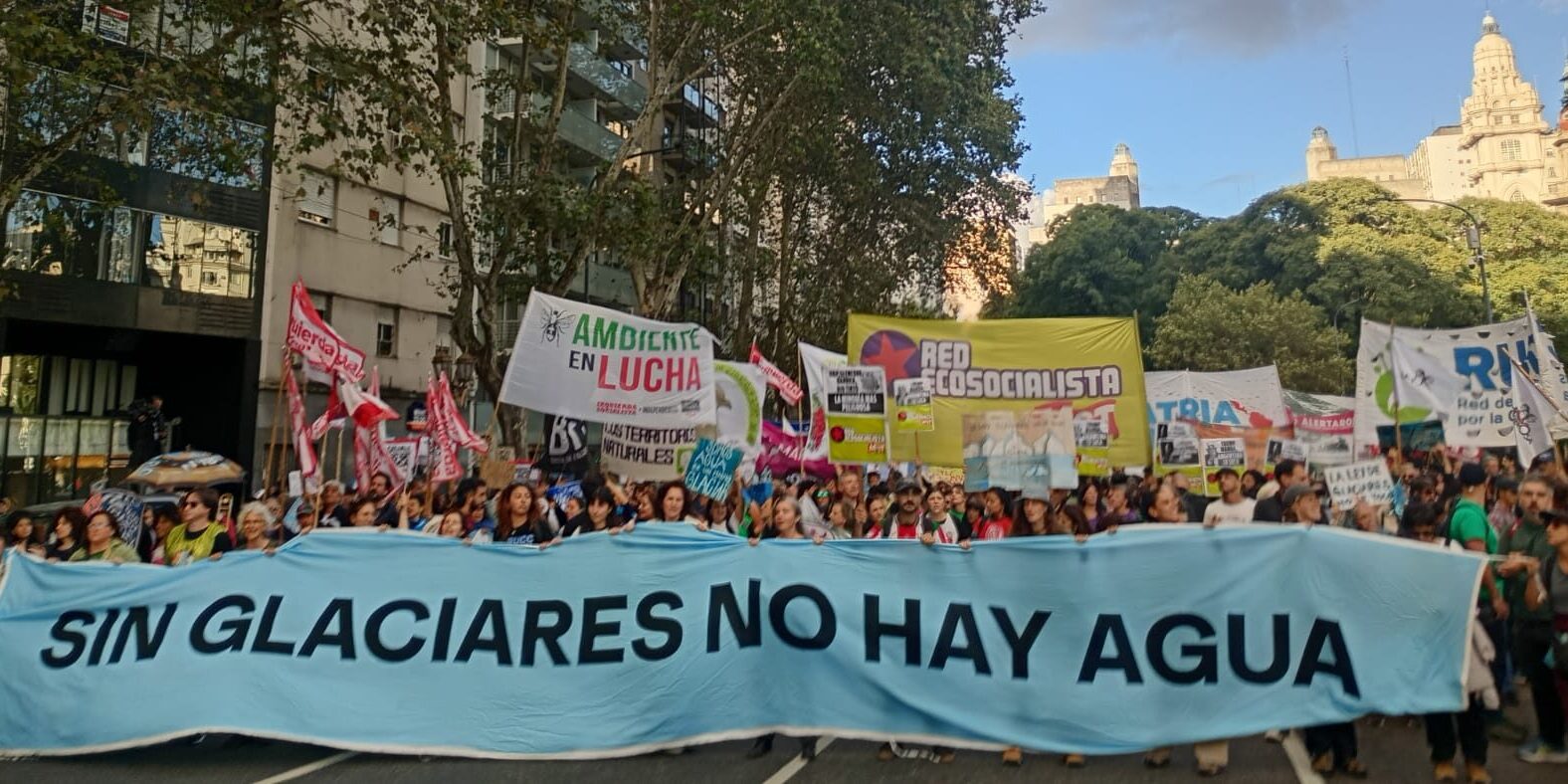
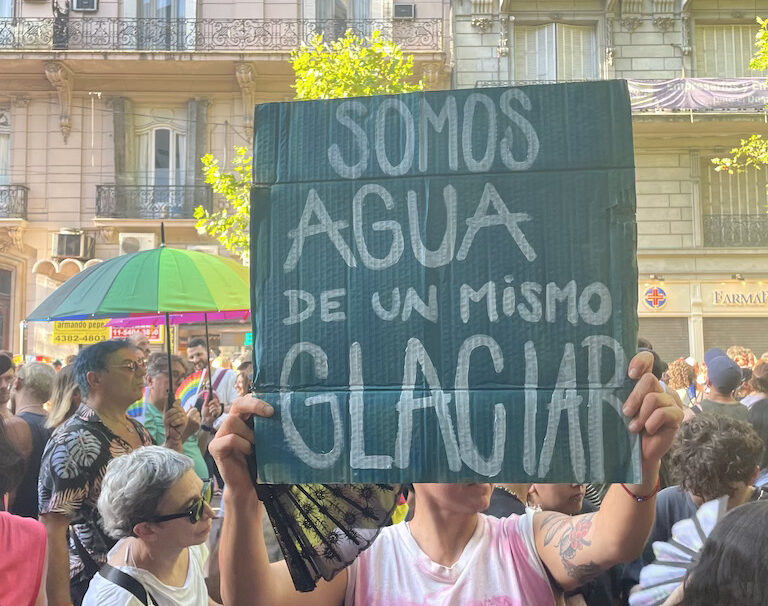
Despite the expected unfavorable outcome, marches, assemblies, and demonstrations took place across the country to demand the law's rejection. Among the various reasons cited to halt the reform were the global water crisis, warned of in January 2026 by a report from the United Nations University Institute for Water, Environment and Health (UNU-INWEH), and the negative impacts that enabling activities—including mining—that were previously prohibited would have on the country's populations, territories, and economies. Furthermore, the decision regarding which areas to protect remains with the provincial governments.
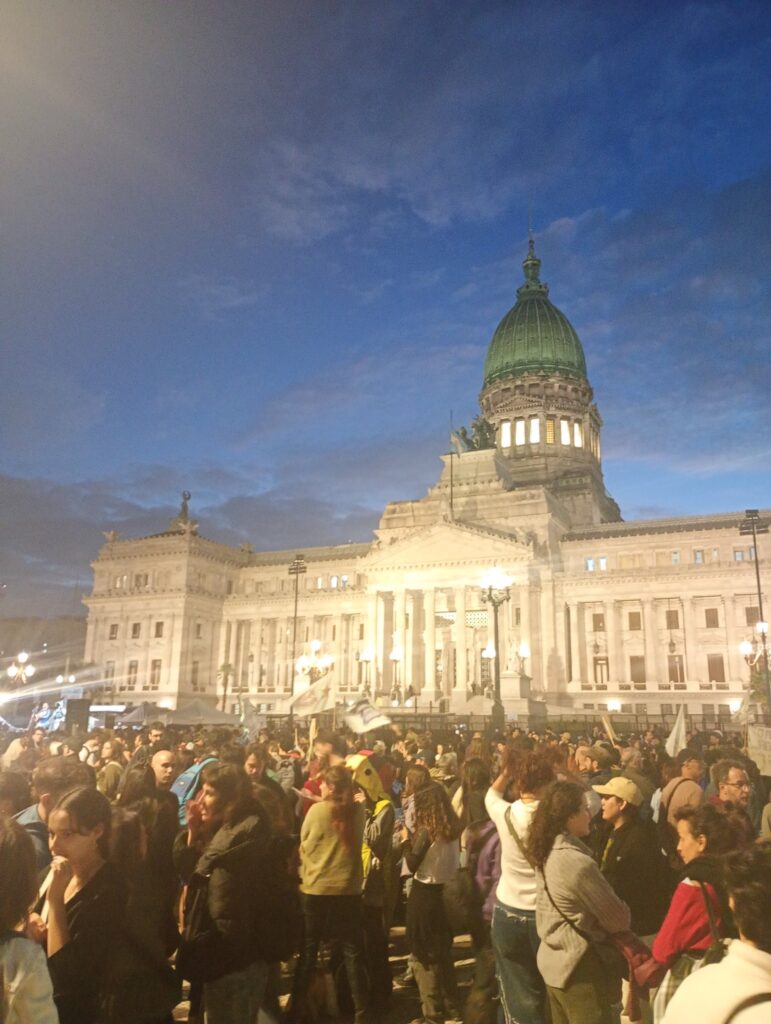
In Buenos Aires, a large crowd marched down Avenida de Mayo to the National Congress yesterday afternoon. Inside, the legislative debate was underway, in a session that lasted more than 11 hours. Outside, the march was met with tear gas and police intimidation.
💧✊🏽📣 "There is an attack against the entire community, against our territories and our elements: water, earth, air, and fire. This fight is fundamental, and we all have to be involved because it concerns all beings on this planet," says Kusisita from the Tres Ombúes community. pic.twitter.com/mQB9Vj7Pvo
— Presents (@PresentesLatam) April 8, 2026
As night fell, the activism continued with a festival featuring diverse artists—including Julieta Laso and Lucy Patané—who provided music and resistance to the vigil, with one certainty: the struggle continues. A statement was read from that stage.
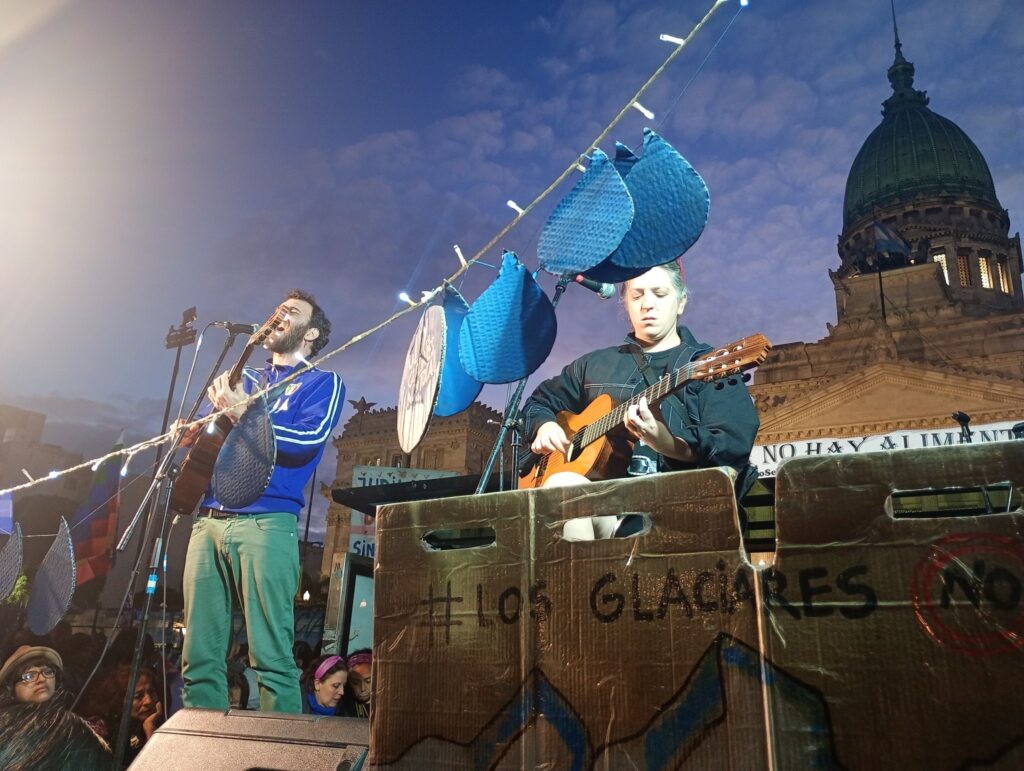
"We know the fight continues"
“We know this fight continues. They want us to believe this is progress. But progress is not dynamiting glaciers, it is not drying up rivers, it is not dumping highly dangerous pollutants, it is not destroying economies and the lives of communities and biodiversity. It is not mortgaging the future. They are turning water into a commodity and life into a business, and we are not going to allow it,” read actress and director Dolores Fonzi.
“We know that when each territory stands up to each mining company, that will be the answer. That’s why this fight isn’t just about the environment; it’s for life, for water, for social justice, for human rights, and for true freedom and a better future,” says the document that was shared yesterday. “We are not alone. Look at us: we are in every corner of the country. We are going to expand our organization, we are going to demand that the people be heard, and we are going to make ourselves heard .”
The first response began hours after the Glacier Law reform was approved.
Where to sign the petition to protect glaciers
Three organizations, FARN , Greenpeace and Environmental Lawyers , called for the largest class action lawsuit in history.
“Senators and representatives approved an amendment to the Glaciers Law that puts the water supply of millions of people across the country at risk. We cannot stand idly by. After this betrayal of the will of the people, we are going to court, but we need you to stop this setback. Join the largest class-action lawsuit in history to denounce the unconstitutionality of the Glaciers Law amendment.”
To join an organization, group or assembly, click here .
We are present
We are committed to journalism that delves into the territories and conducts thorough investigations, combined with new technologies and narrative formats. We want the protagonists, their stories, and their struggles to be present.
SUPPORT US

FOLLOW US
Related notes


We are present
This and other stories are not usually on the media agenda. Together we can bring them to light.