

Fires in Patagonia: 5 critical challenges when the fire goes out
In Chubut, the Puerto Patriada fire, which began on January 5th, has just been declared extinguished. A total of 230,000 hectares were ravaged across five Patagonian provinces. The unresolved issues remain once the news fades.


Share

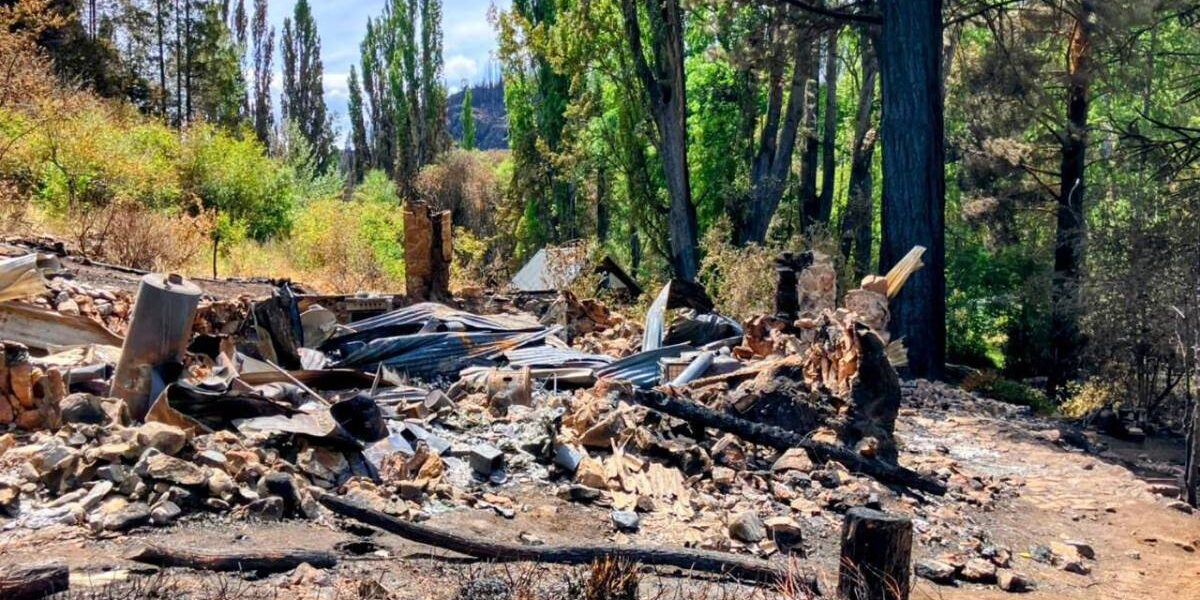
The Chubut Provincial Fire Management Service declared the Puerto Patriada fire, which affected 30,677 hectares of forest, extinguished. The fire, which started on January 5th, has not yet been determined. This was just one of several fires that, in total, ravaged more than 230,000 hectares across five provinces in Argentine Patagonia. What about the people affected, the destroyed homes, and the burned forest? The work of rebuilding homes and restoring affected areas is part of a long process that impacts the lives of everyone who lives in each place.
“The losses are not only forestry: the fauna, material goods, the local economy are also affected and, in extreme cases, human lives are put at risk,” explained firefighter Valentina Palermo about the consequences of forest fires.
Presentes spoke with victims, restoration specialists and firefighters about five key points to consider after the fire.
1. The restoration
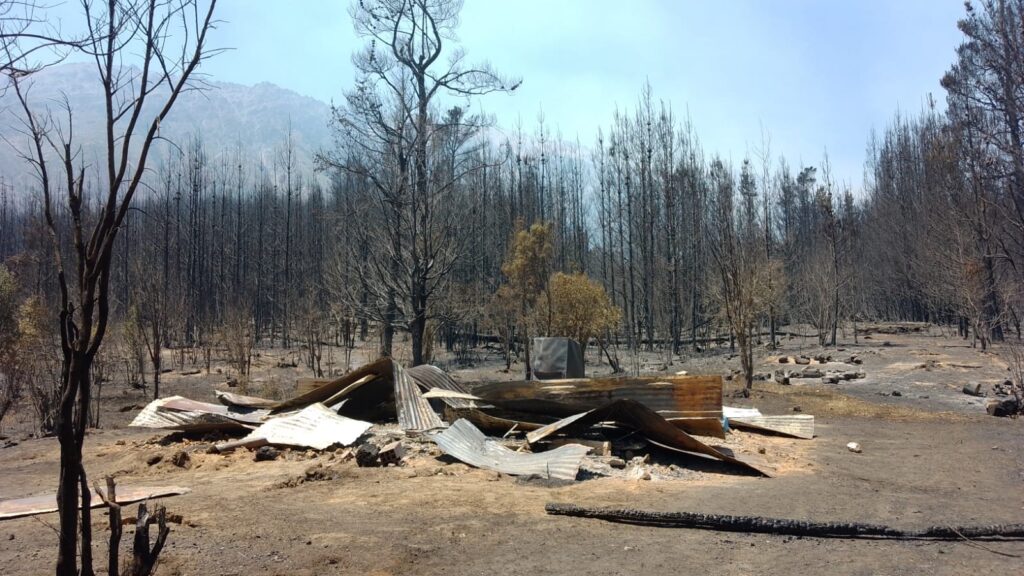
“After a fire, the forest begins a secondary ecological succession and the ecosystem gradually recovers. The speed of recovery depends on the type of ecosystem. In those sensitive to fire (such as Patagonia), the process is slower and can take more than 150 years to return to its climax state or original landscape ,” Palermo explained.
Among the actions involved in the restoration is the control of exotic species. Pine trees are an invasive species with a great capacity to adapt to fire and displace native plants . Although they have become a characteristic feature of the Patagonian hills, they are a central element in the spread and intensity of wildfires. “The pine trees must be removed as soon as they sprout. While local residents can help, this must be done through a government policy,” shared biologist Estela Raffaele, who has been studying these species since 2013.
The expert says it's necessary to prioritize the removals: “The areas closest to populated areas, the edges of forests where native species are found to control ecological encroachment, roads, and areas around water sources are priorities.” In addition, there's the need to control plantations and combustible material, such as leaf litter.
2. The reconstruction
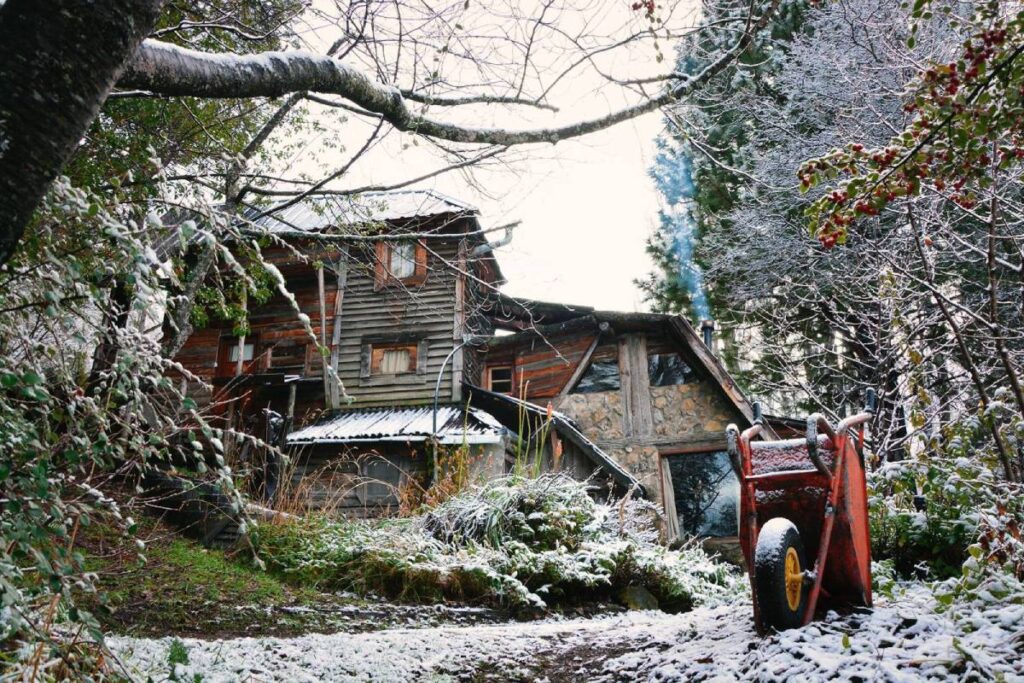
The wildfires that swept through Chubut in January destroyed at least 70 homes. The provincial government has pledged to provide housing for the affected families. According to official sources, the government is currently constructing 57 homes in Epuyén, with a total investment of $2.736 billion, while 13 homes are under construction in El Hoyo, with an investment of $596,284,065.
However, residents affected by the previous year's fires in the same area say that the promises made to them were not kept. Of the homes destroyed by the fire, only 17% were able to be rebuilt.
“Last year, Governor Ignacio Torres promised he wouldn't abandon the residents. Months later, we realized that promise was crumbling. We received 20 million pesos worth of materials, and that was the extent of the response. There are senior citizens, families who work and care for their children—how are they supposed to rebuild? We are 70 families with different stories. Time is passing, and very few have been able to even begin,” Alejandra Romero, a victim and member of the Rebuilding Epuyén Assembly Presentes . Power lines have still not been restored in some of the affected areas.
3. The local economy
A large proportion of the people living in the fire-affected areas depend on the summer tourist season to sustain their livelihoods. In Epuyén, this is the second consecutive year that fire has prevented this activity.
“We are putting our entire lives and livelihoods on hold when we fight the fires. This situation then brings us a lot of poverty: tourism dwindles and we miss out on the summer season, which is the only time when we have any money,” said Azu Noah Gatti Yapur, a young trans man from Epuyén.
The fire also burned the fencing the families used to contain their animals and the pasture they ate. They received no government assistance, but are receiving support from the community.
“What used to generate income for us through the animals, firewood, and timber is gone now. The animals are more of a burden than anything positive. The pastures, fences, and grass all burned down. So we have to keep them penned up and feed them ourselves. School 9 helps us with food, and the Cañio community received some of our sheep,” shared Marilyn Cañio, a 33-year-old Mapuche woman who lives with her partner in El Pedregoso, Chubut.
4. Health
Days or months of living fighting fire, breathing ashes and with the constant worry that the fire will reach the houses, has a strong impact on people's health.
“It’s not just the house that burns down, it’s a way of life we’ve chosen for years. Suddenly that’s devastated, and with it, our minds, our hearts, and our bodies. After a catastrophe like this, a health crisis follows,” Gatti Yapur analyzed.
“Last year there was an incredible increase in the number of people with pneumonia,” he added. “There were also many cases of stroke, panic attacks, and depression due to the stress of living through it. At one point, the entire town was absolutely surrounded by fire: no one is left sane after experiencing something like that. It’s a fear that stays with you.”.
5. The organization and request for reports
With the increased intensity and spread of wildfires in recent years, volunteer brigades and initiatives have emerged in Patagonia, seeking to respond collectively. Each year they improve their organizational capacity, outreach, and professionalism.
“The grassroots organizing happening here is incredible. The solidarity network is unique, and that’s what sustains us today. Each team is starting to equip itself, train, and learn how to handle fire. We’re learning; we have no other choice,” said Rocío Chiappe, one of the founders of the Andean Brigade .
In this context, the neighborhood network Reconstruyendo Epuyén (Rebuilding Epuyén) . This group organizes a community kitchen for firefighters, affected families, and volunteers. They were providing a thousand meals a day, and now, with the fire under control, they continue to deliver one hundred a day. They also "mingas ," collective workdays by volunteers who work pro bono to rebuild homes, given the government's inability to provide comprehensive support to everyone.
The legal committee of Reconstruyendo Epuyén is also requesting reports on the environmental damage caused . They are inviting the community to sign a petition to learn what measures have been taken and what measures will be implemented in the future.
To collaborate with the families of Epuyén, the alias COCINA.MINGAS.EPUYEN is open (in the name of María Carolina Benavides and Jazmín Azul Gatti Yapur).
We are present
We are committed to journalism that delves into the territories and conducts thorough investigations, combined with new technologies and narrative formats. We want the protagonists, their stories, and their struggles to be present.
SUPPORT US

FOLLOW US
Related notes


We are present
This and other stories are not usually on the media agenda. Together we can bring them to light.