

24M: The march in photos and voices of diversity
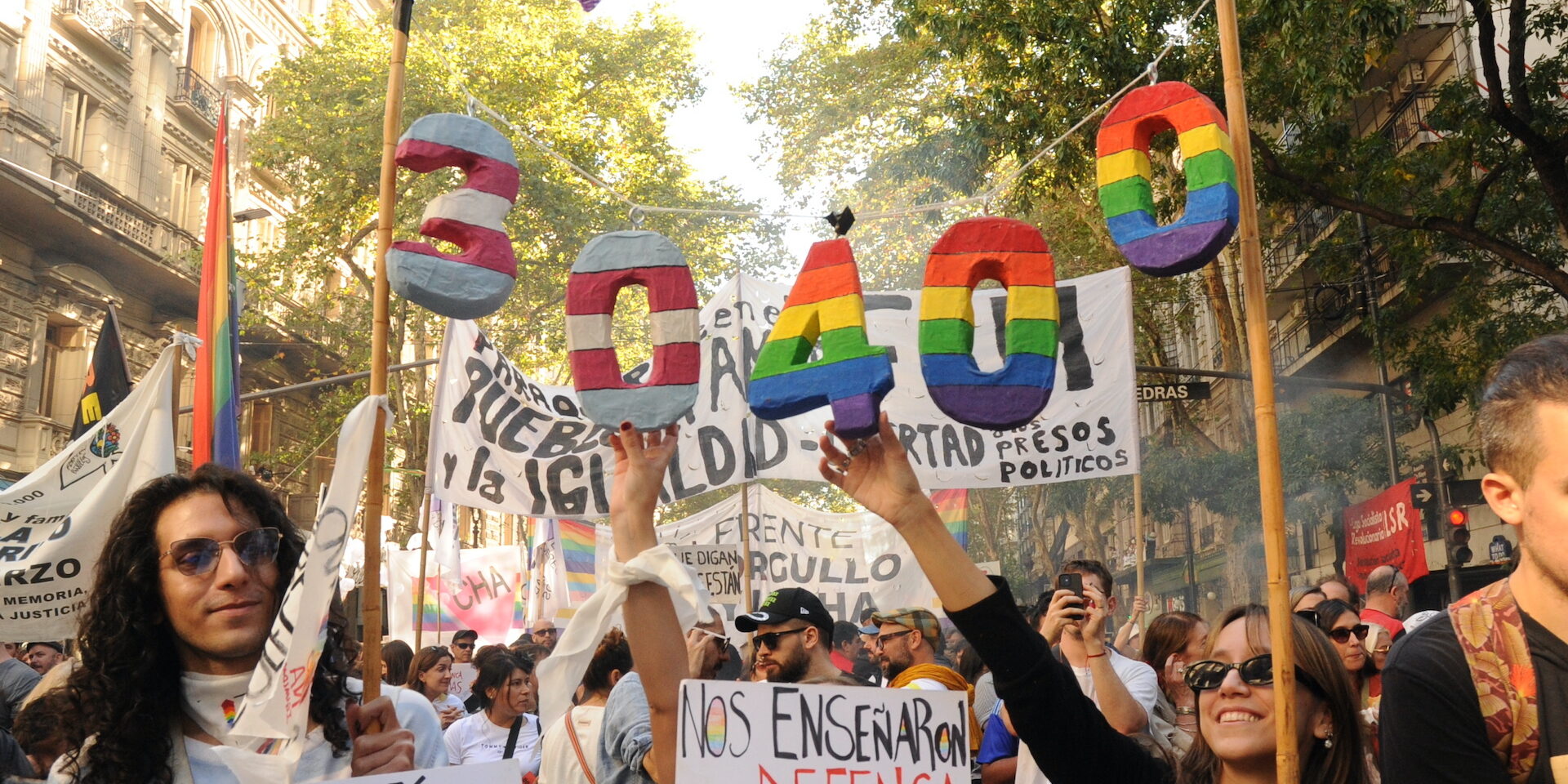
The massive march for the Day of Remembrance for Truth and Justice was a message from the Argentine people to official denialism. Diversity was once again on full display in the streets.


Share

BUENOS AIRES, Argentina. Hundreds of thousands of people took to the streets in Argentina to reclaim and reinterpret the memory of the genocidal coup, marking 50 years since its genocidal anniversary. Memory is an integral part of this country's identity, where trials for the crimes of state terrorism continue, 140 grandchildren have been recovered, and more than 1,200 convictions have been handed down for crimes against humanity. These achievements—initially driven by survivors, relatives of the disappeared, and human rights organizations like the Mothers and Grandmothers of Plaza de Mayo—transcend an extreme right-wing government like that of Javier Milei. They are collective constructions that took years to build, intertwine and fuel other struggles, and cannot be subject to debate or allow for further setbacks. This was clearly demonstrated on March 24th.
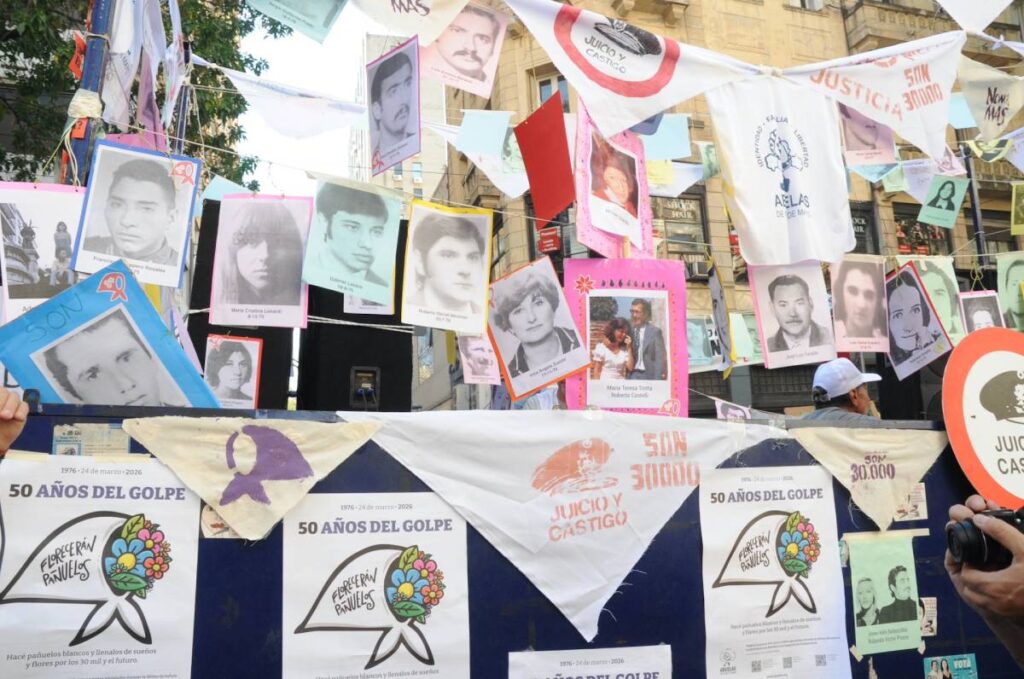
In Buenos Aires, Plaza de Mayo was filled early with families with children, student groups, unions, social and political organizations, human rights groups, and LGBTQ+ groups. There was a strong response to the main demands: carrying photos of disappeared persons and asking where they are, as a response to the government's constant attempts to revive the same arguments used by the dictatorship, now defending a supposed "complete memory" to justify the actions of state terrorism.
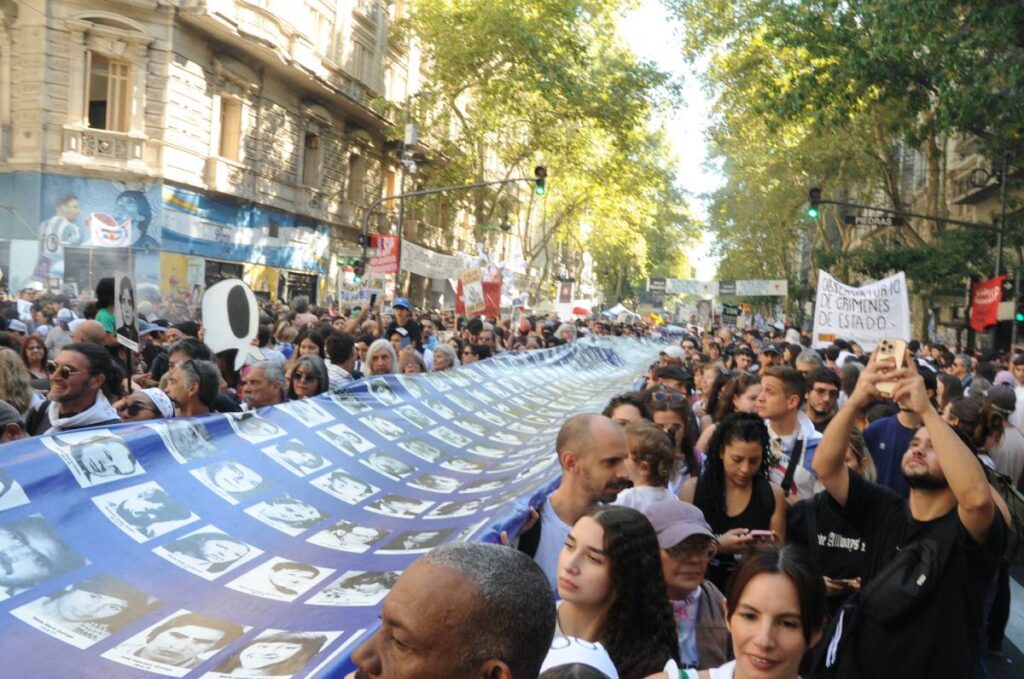
The side streets were packed. Cell phone signals briefly collapsed, making communication impossible—something that only happens at the largest demonstrations. The difficulty of getting around didn't bother anyone: it was a clear indication of the massive scale of the exercise in remembrance.
It is estimated that over a million people mobilized in the City of Buenos Aires. During the dispersal, the lack of an organized traffic management plan for such a massive march by the government of Jorge Macri was evident. The side streets were barricaded, making it very difficult to move around. The absence of incidents was thanks to the self-organized efforts of the protesters.
The marches were also massive in Córdoba, Rosario, Mar del Plata, Tucumán, and other cities. The day before, La Garganta Poderosa had called for a vigil that exceeded expectations with extremely high levels of participation.
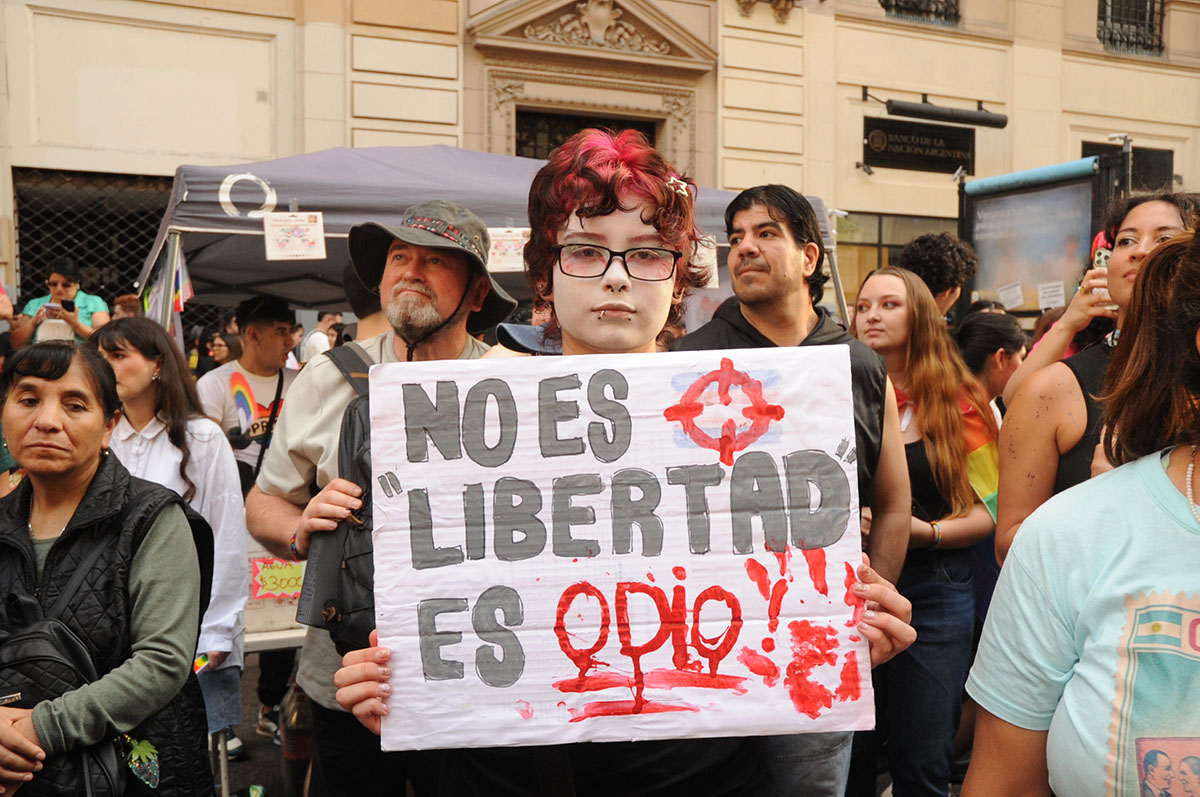
The number of young people was one of the most striking features of the massive March 24th march. “Regardless of whether you lived through the dictatorship or not, what matters is being here today for our country,” commented Han, an 18-year-old non-binary person. “We can debate ideas, but we can’t deny history with all the evidence we have. We are here, today more than ever,” they added. For their friend Meli, yesterday was their first #24M . “Before, I watched it on TV, but today I wanted to be here.”
🇦🇷 Here we are:
— Presents (@PresentesLatam) March 24, 2026
the children,
the grandchildren,
the 30,000,
the 400. #NeverAgain #March24 pic.twitter.com/8yqvzGPWDx
At the closing event in Buenos Aires, human rights organizations invited two LGBTQ+ activists, Quimey Ramos and Martin Canevaro, to join them on stage. The day concluded with this event in Plaza de Mayo, where Taty Almeida (Mothers of Plaza de Mayo Founding Line), Estela de Carlotto (Grandmothers of Plaza de Mayo), and Nobel Peace Prize laureate Adolfo Pérez Esquivel (Peace and Justice Service SERPAJ) read the organizations' statement.
“Fifty years after the genocidal coup, we are together again in this historic Plaza, and in all the plazas of the country, with deep conviction, to reaffirm that memory is defended through struggle and because we know it is necessary to unite our struggles to strengthen them in difficult times. They are 30,000! It was and is genocide. We do not forget, we do not forgive, and we will not reconcile! From this plaza, we stand in solidarity with and embrace the struggles of the world. The document highlighted this need to unite struggles and to remember the country dreamed of by the 30,000. And it denounced the setbacks of the Milei government.
“ We denounce the dismantling of gender and diversity policies, the attack on the rights achieved by women and LGBTINB+ people, and the promotion of hate speech from the highest levels of the State, as well as the increase in gender-based violence. Stop femicides. Bring Tehuel back alive. Justice for Diana Sacayán. Care and reparations for the trans and travesti population . She also expressed solidarity with struggles around the world.
LGBT Memory
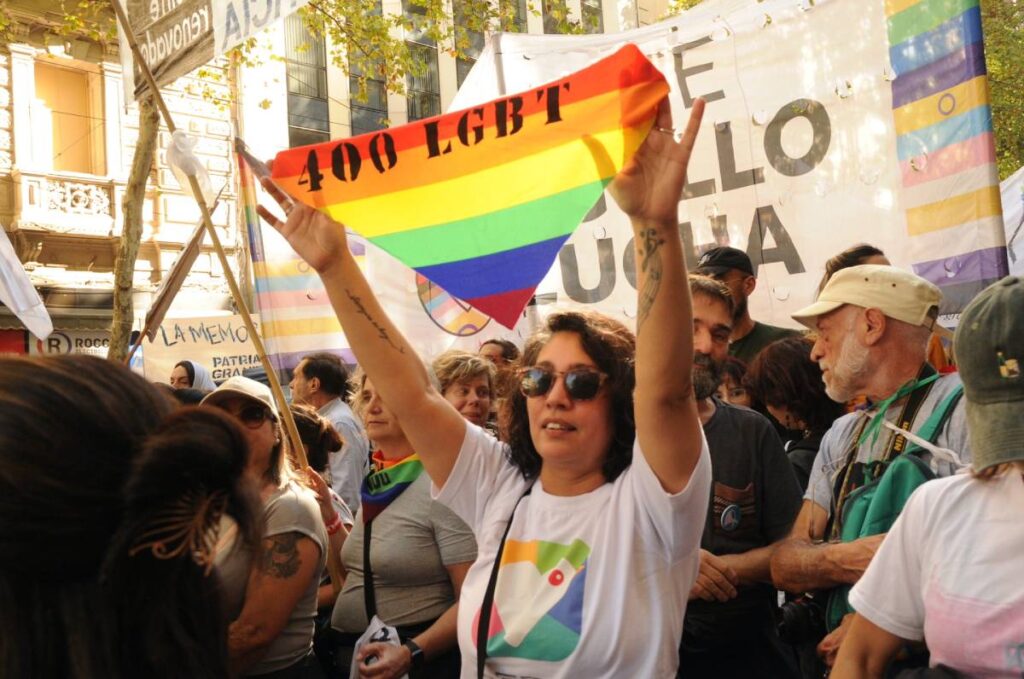
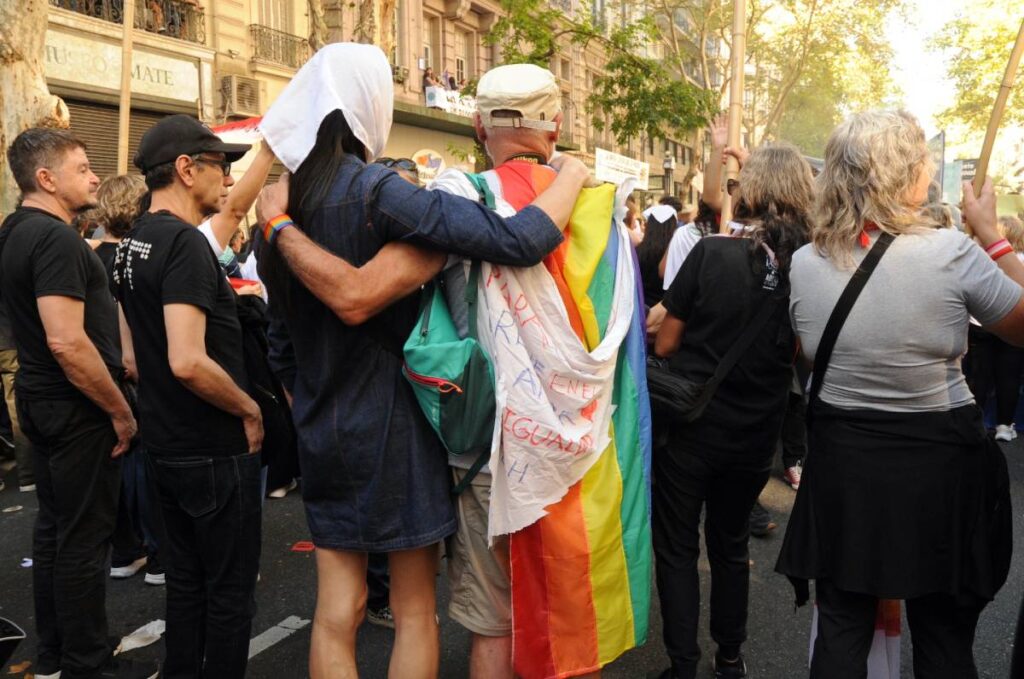
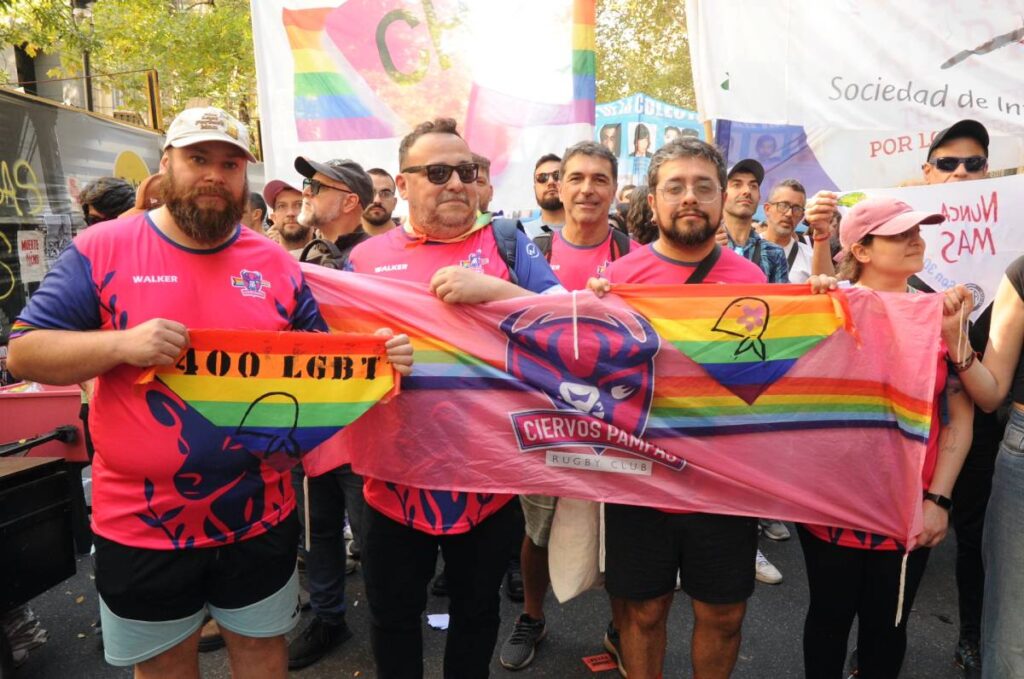
Many LGBTQ+ organizations marched together as part of the Pride and Struggle Front. On Saturday, this federation convened a series of activities at the Human Rights Book Fair at the former ESMA—a clandestine detention and torture center during the dictatorship—in alliance with the organization HIJXS.
Jorge Luis Giacosa, a member of the historic Homosexual Liberation Front (FLH), was there and yesterday marched, deeply moved, in the Pride and Struggle column. “I’ve never missed a March 24th, and this one is special. The FLH sought political integration in the 70s, but nobody wanted us back then. But today things have changed. On Saturday at the former ESMA, I cried my eyes out at the tribute and with the number of hugs, expressions of gratitude, and applause I received. My only regret is that my comrades aren’t here to see this,” he told us.
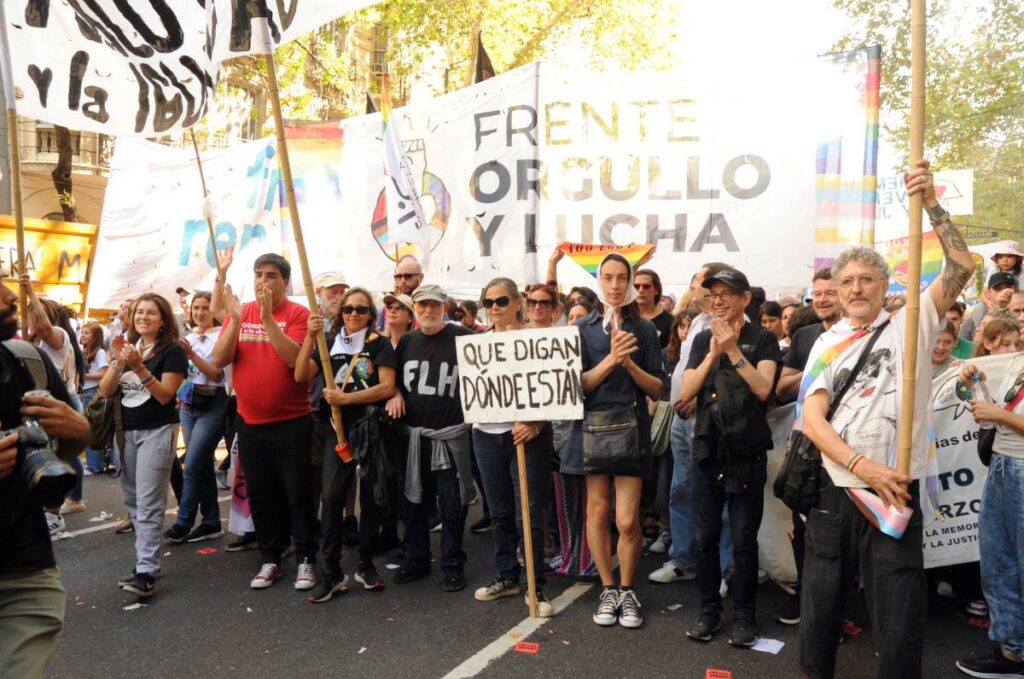
From the group Cien por ciento diversidad y Derechos (One Hundred Percent Diversity and Rights), Ricardo Vallarino carried a giant rainbow flag. He reflected on the significance of being in the streets with a large LGBT contingent: “We, as members of the LGBTQ+ community, have been marching for several years, but I think we definitely feel part of this movement, which is the backbone of human rights in Argentina . On Monday, we participated in the vigil with high school students at the former ESMA (Navy Mechanics School). In this harsh and difficult context, the Argentine people responded to us, and today, diversity definitely has a place.”
Diverse voices
24M "This is the struggle that this far-right government, which shares and is the direct heir of the economic and ideological plan of the last dictatorship, has been least able to smear," says trans activist @QuimeysolRamos pic.twitter.com/TEdmUqEUMs
— Presents (@PresentesLatam) March 24, 2026
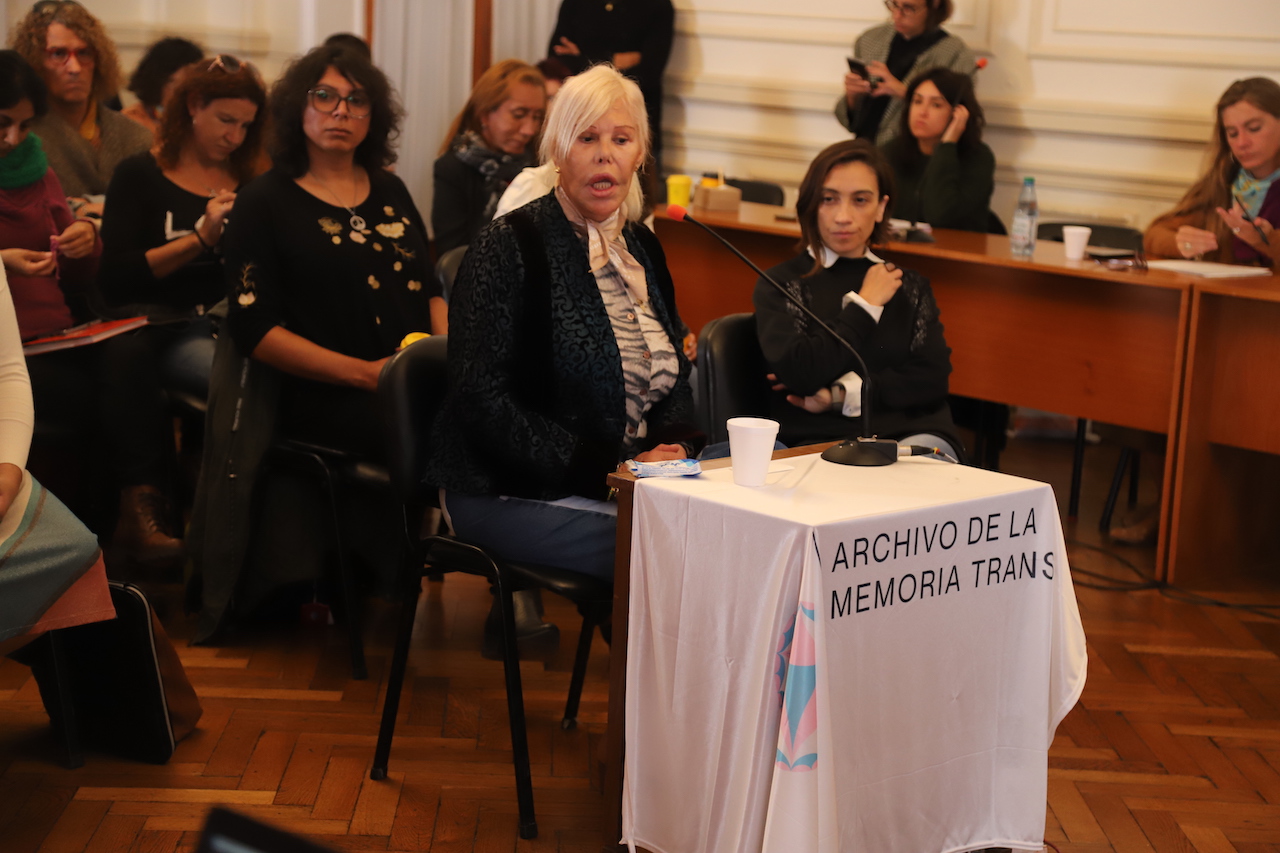
Trans activist Quimey Ramos said: “For the first time, we have a government that denies and apologizes for the coup. But the struggles championed by the 30,000 disappeared comrades are more alive than ever. This is the least of what this government , heir to the ideological and economic plan of the last dictatorship, has been able to tarnish. It is no coincidence that the discourse seeks to place the traditional nuclear family at the center. The dictatorship did the same. This aims to make the family absorb the costs of the shrinking of the State, through privatization and the austerity measures implemented in its structure. It is not a question of values that is being debated, but rather the cornerstone of a genocidal economic plan that runs counter to the needs of our people. That is why today, more than ever, we say: 30,000 disappeared comrades, present, now and forever!”
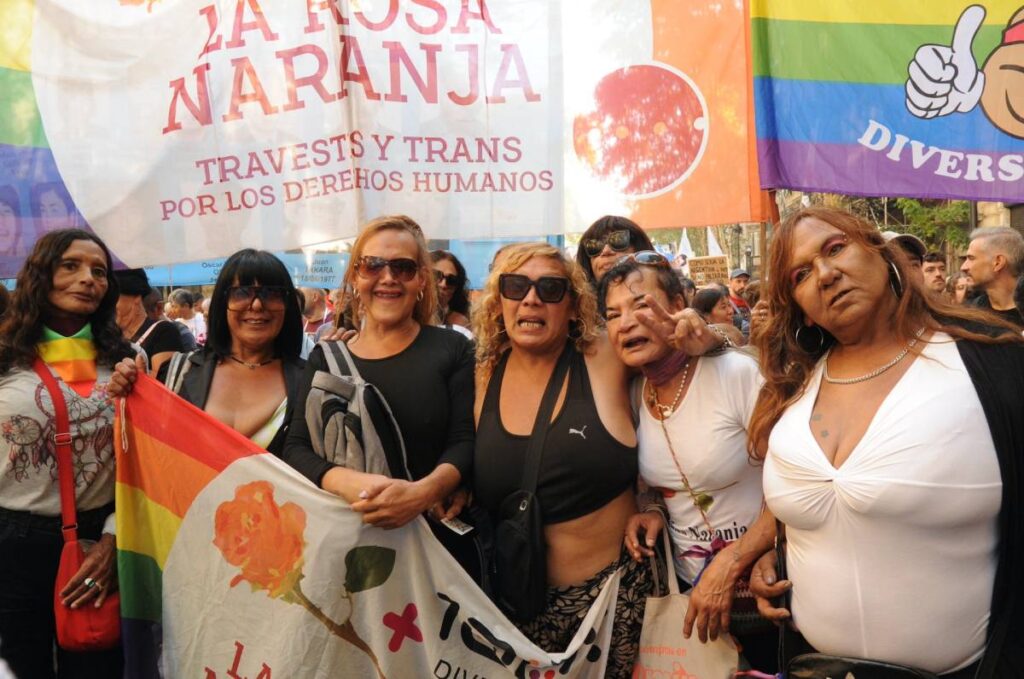
“The dictatorship is also part of our history. We trans girls spent a lot of time in prison, ” Mariel Valenzuela told us in the column of La Rosa Naranja, where her representative Marcela Tobaldi marches alongside other transvestite and trans women.
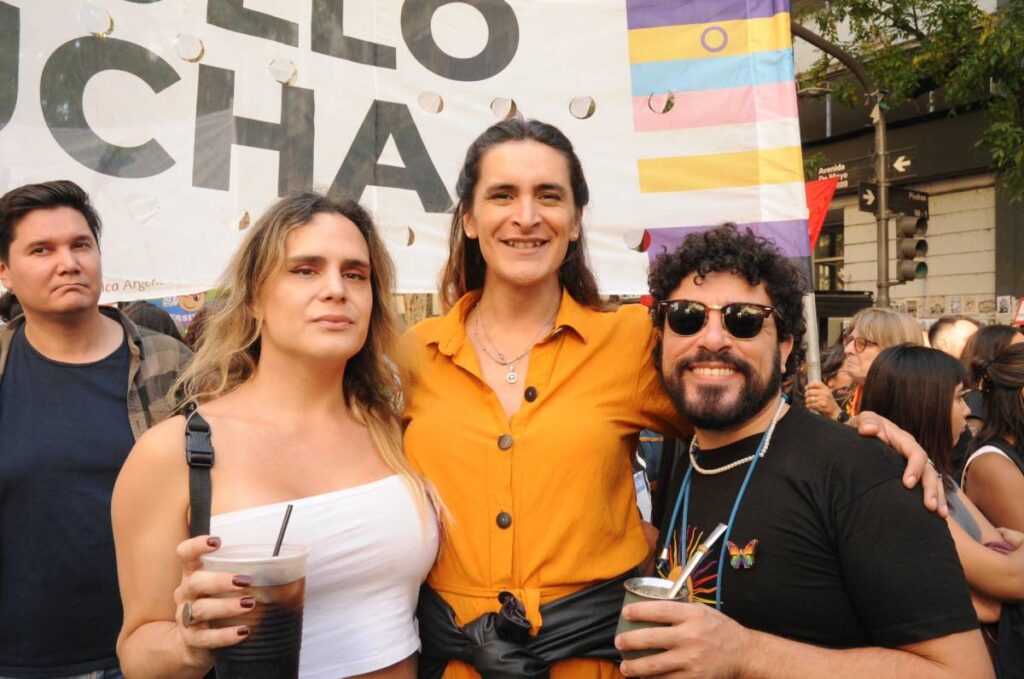
“This march was very significant not only for its size and unity, but also for the important presence of thousands of people from the LGBT and NB+ community and dozens of organizations that, as every year, participated. The political and symbolic gesture of human rights organizations in inviting LGBT organizations to be part of the stage, of the political moment of the event, also encapsulates what we have been advocating for many years: the unity of all struggles,” said Darío Arias, a leader of Conurbanes por la Diversidad and regional co-secretary of ILGALAC. He added, “This nationwide demonstration has been a powerful message against denialism, neo-fascism, and those sectors that want to suppress our identities and struggles .
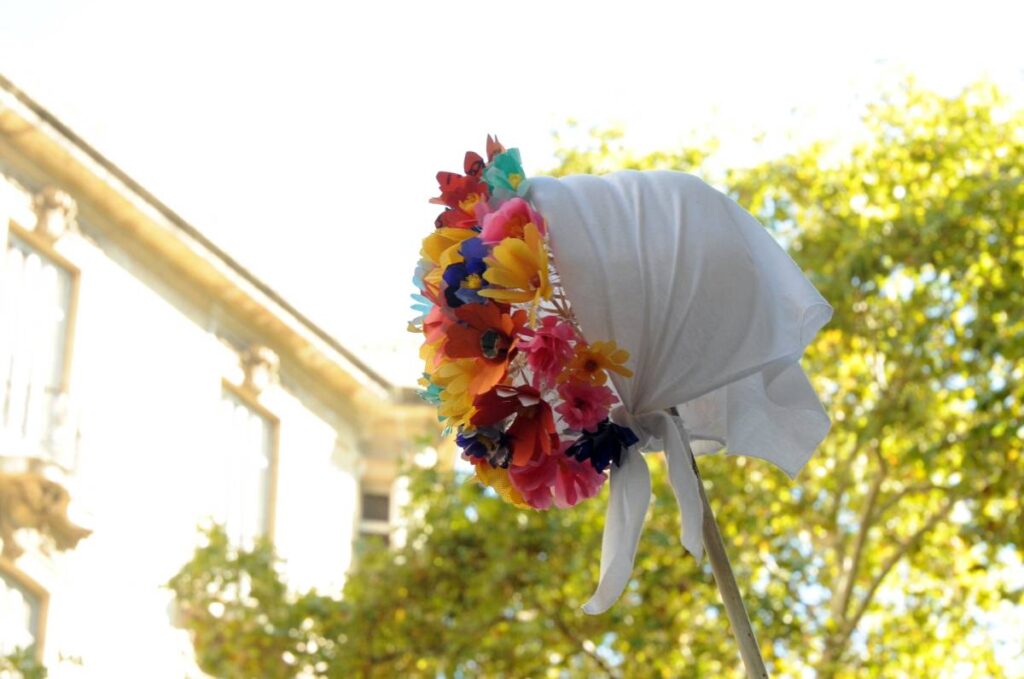
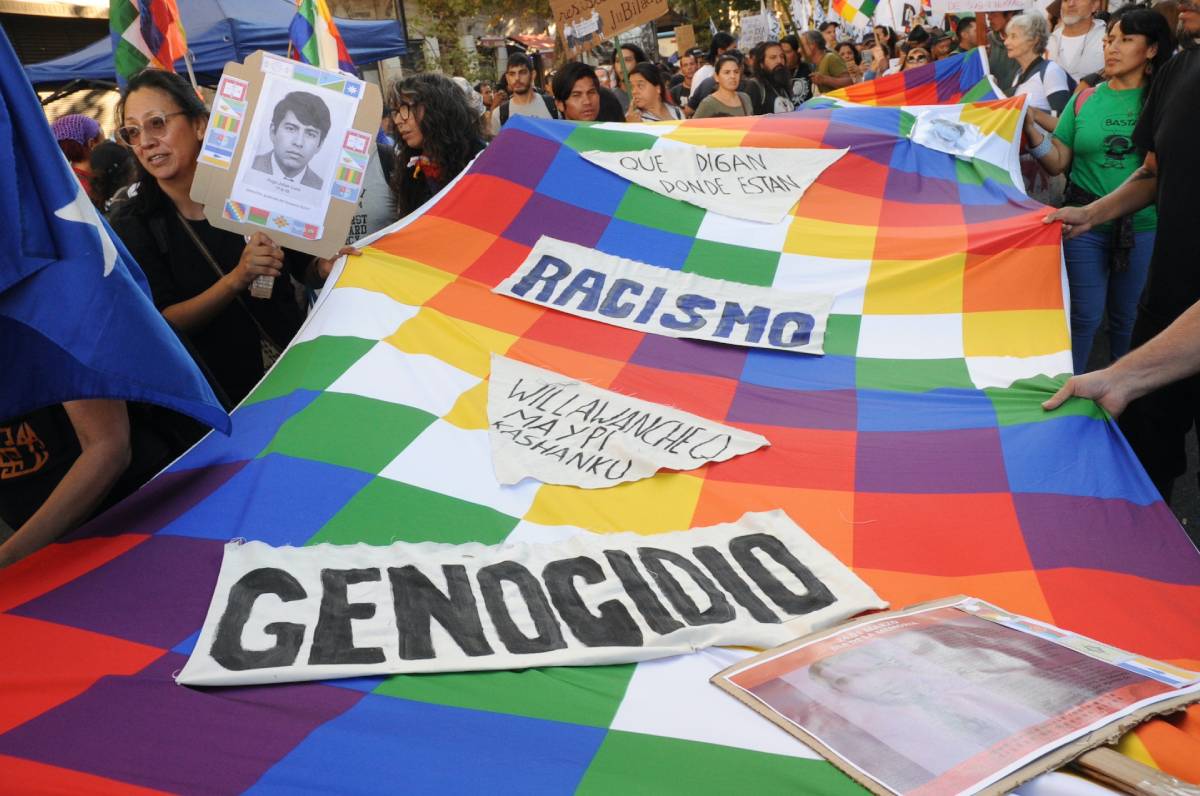
Indigenous nations joined the march with a column that brought up the rear, carrying a large wiphala flag—a symbol of unity in diversity—inscribed with the word "Genocide," referring to a plan of extermination that began long before the dictatorship. "We demand justice for our sisters and brothers who were victims of the genocide. We know that there are also women from our communities who have given birth in captivity ," said Mirta Millán, from the Mapuche nation, who was also part of that column.
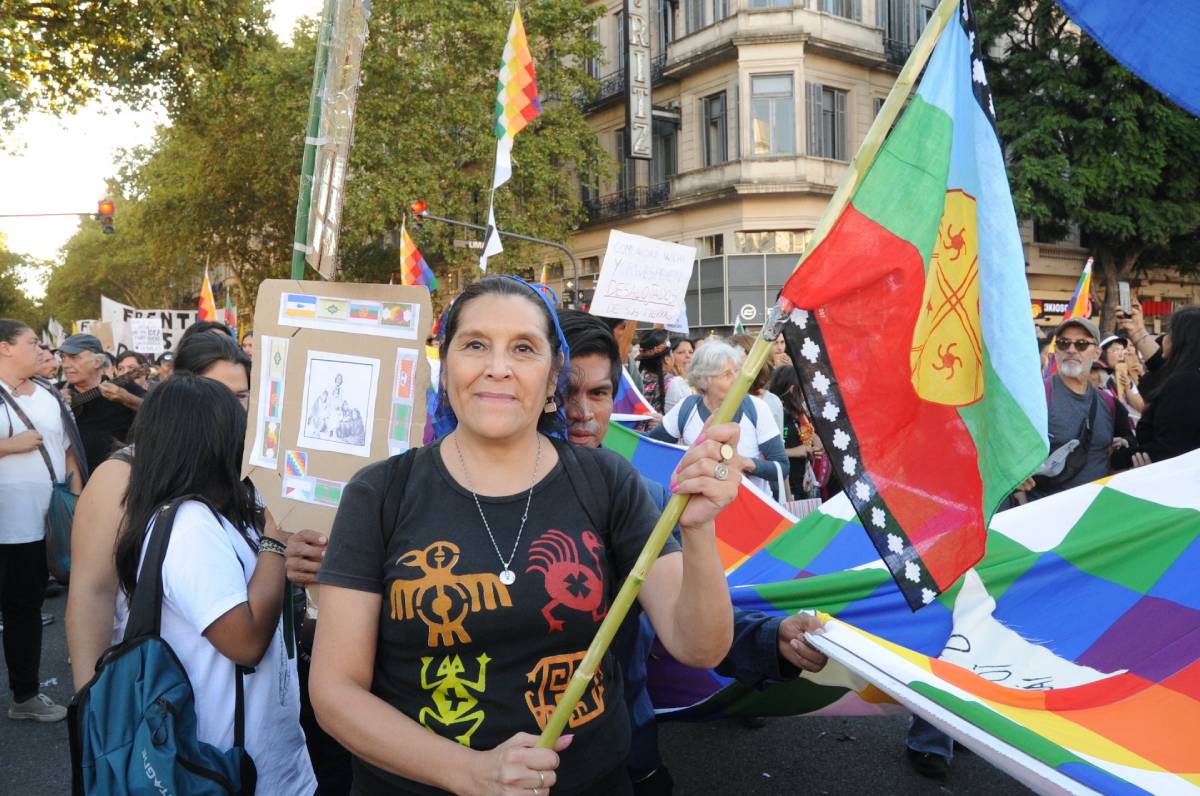
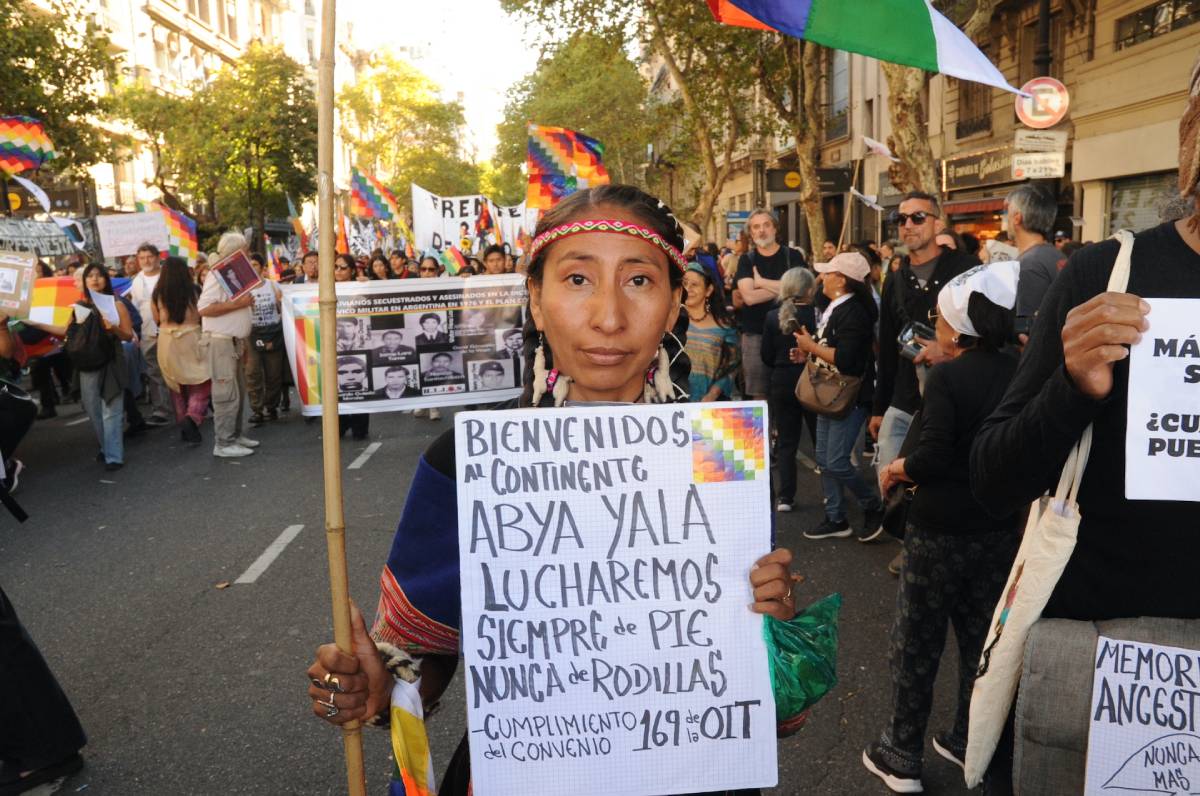
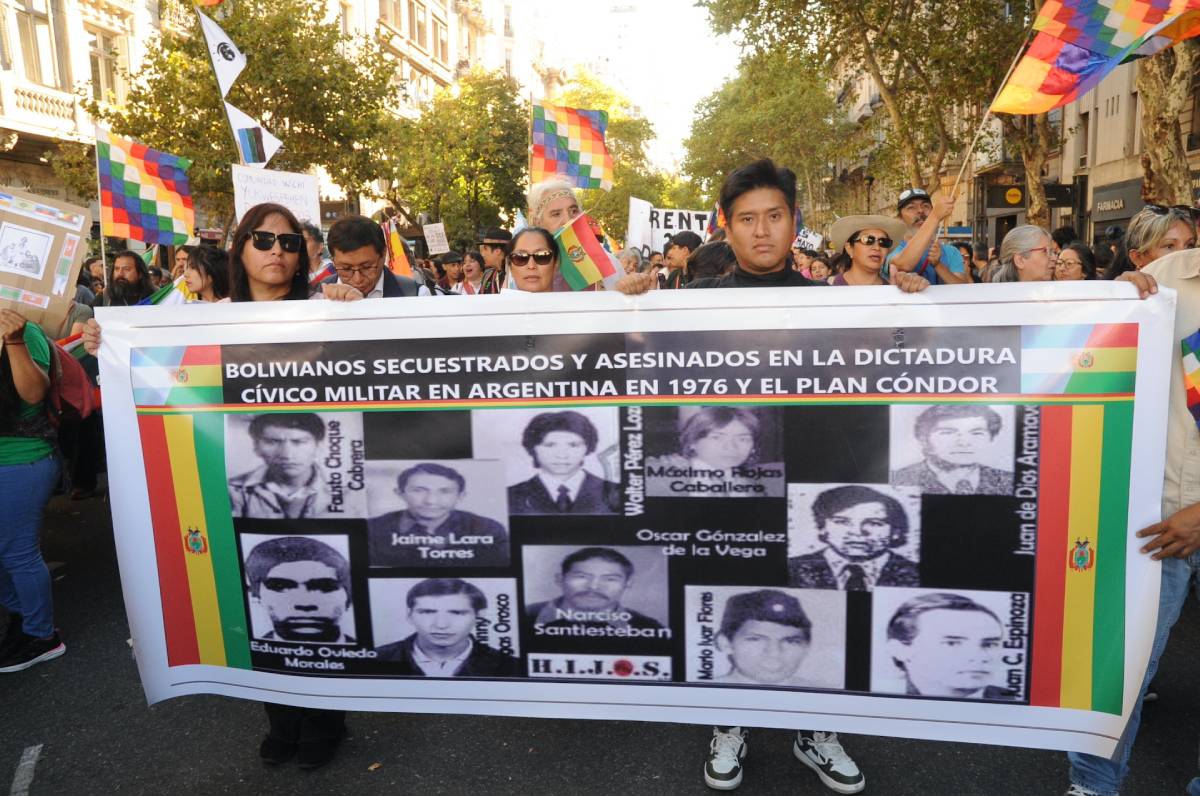
Swipe >>>
As people dispersed, some recognized Susy Shock at the stand of the cooperative publishing house Muchas Nueces , on Julio Avenue, and asked her for a photo.
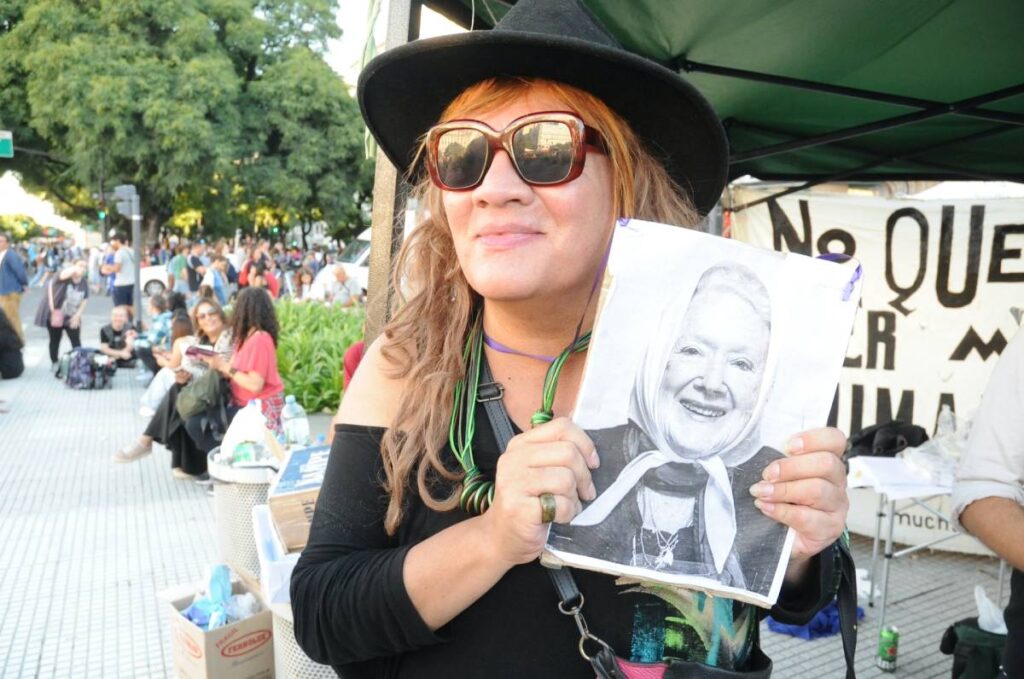
The trans artist told us: “The march was very massive, people were very careful, and thanks to that there were no incidents during the dispersal. This organization shows us that the struggle is not in vain. That is my main message today: all these years have not been in vain. Nothing is in vain.”.
We are present
We are committed to journalism that delves into the territories and conducts thorough investigations, combined with new technologies and narrative formats. We want the protagonists, their stories, and their struggles to be present.
SUPPORT US

FOLLOW US
Related notes

We are present
This and other stories are not usually on the media agenda. Together we can bring them to light.