

March 8: Thousands of people marched against violence, femicides, and disappearances in Mexico City
More than 120,000 women and gender-diverse people marched on March 8th in Mexico City. It was the largest march in recent years. There was concern about the increase in femicides and forced disappearances.


Share

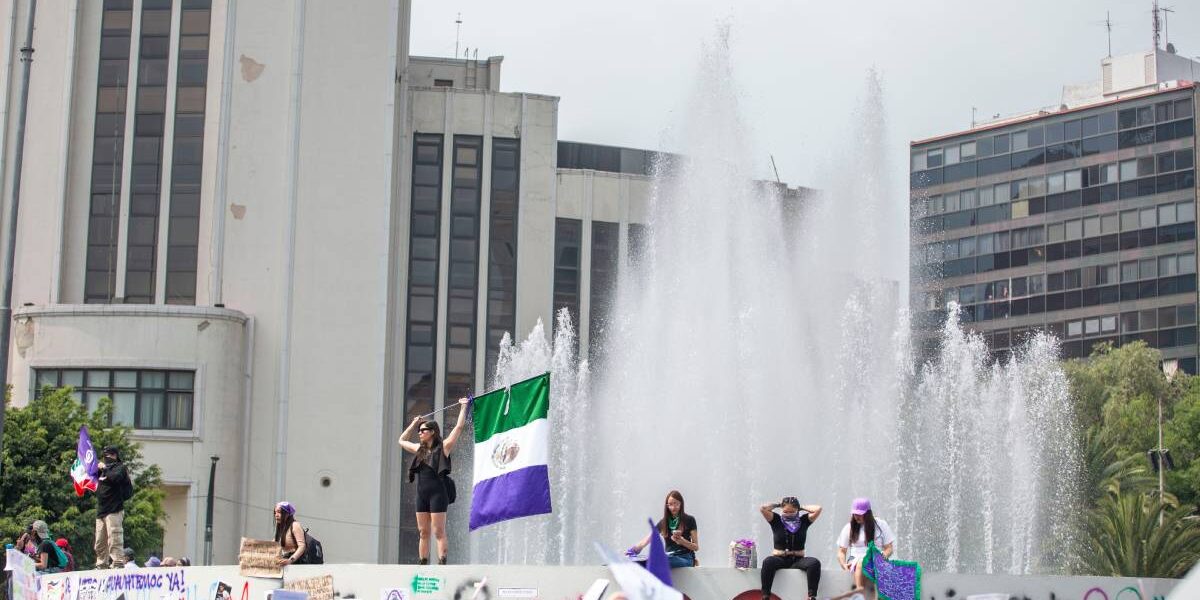
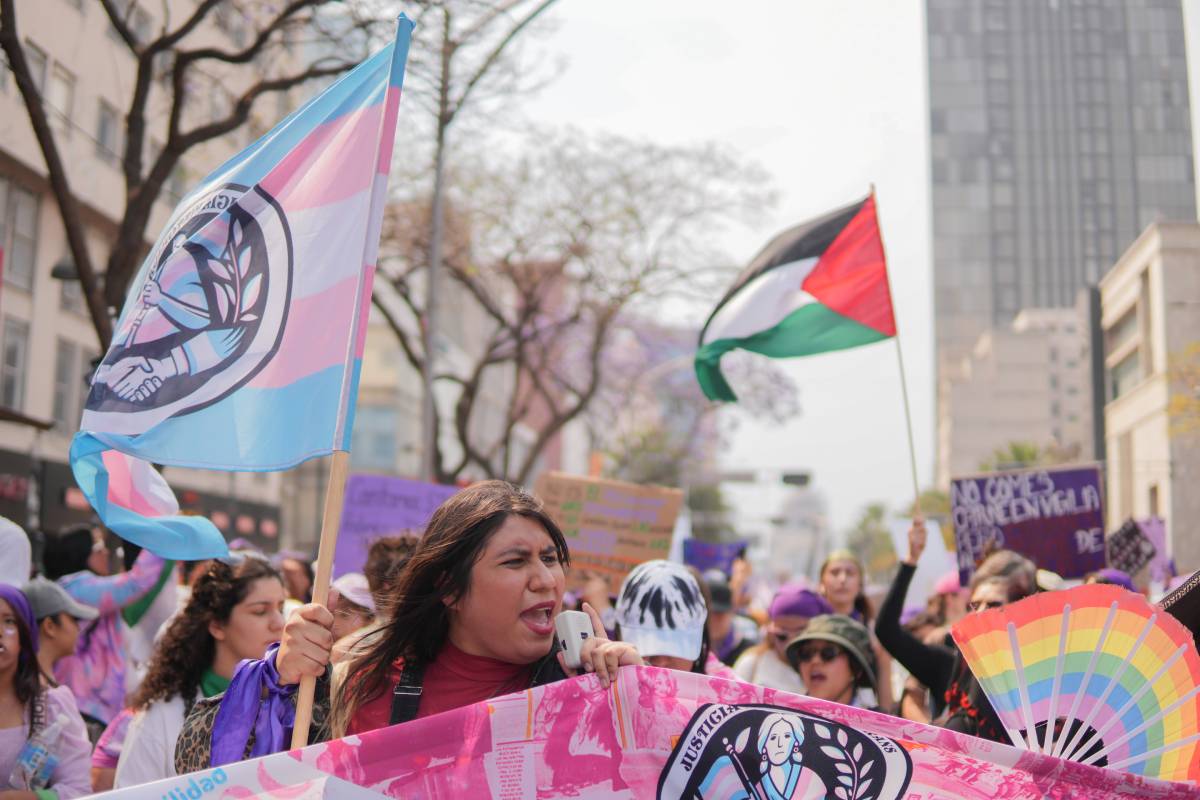
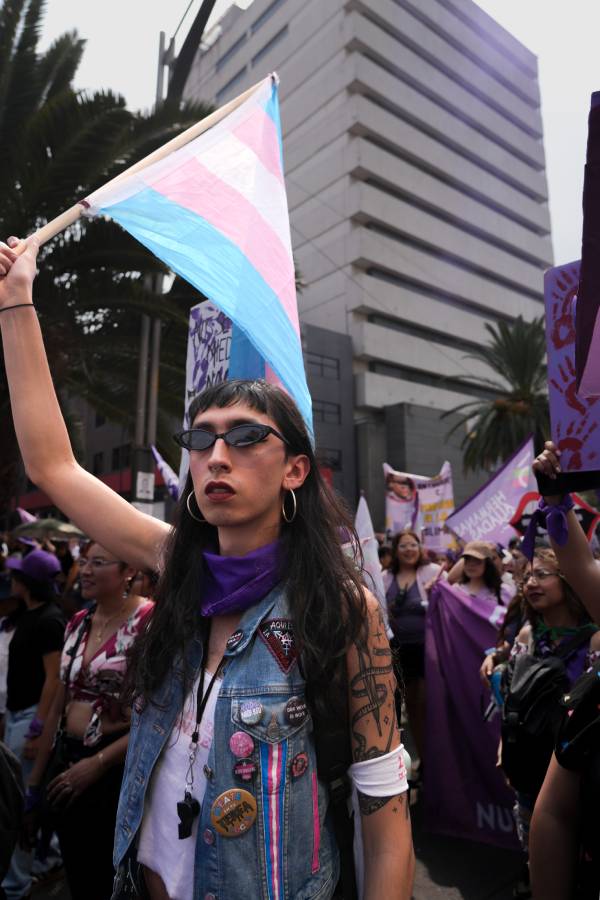
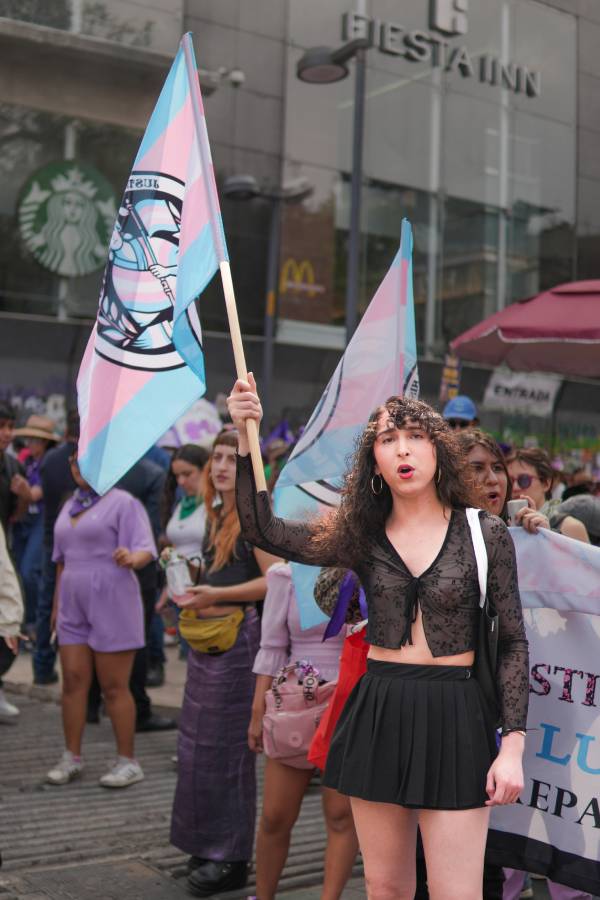
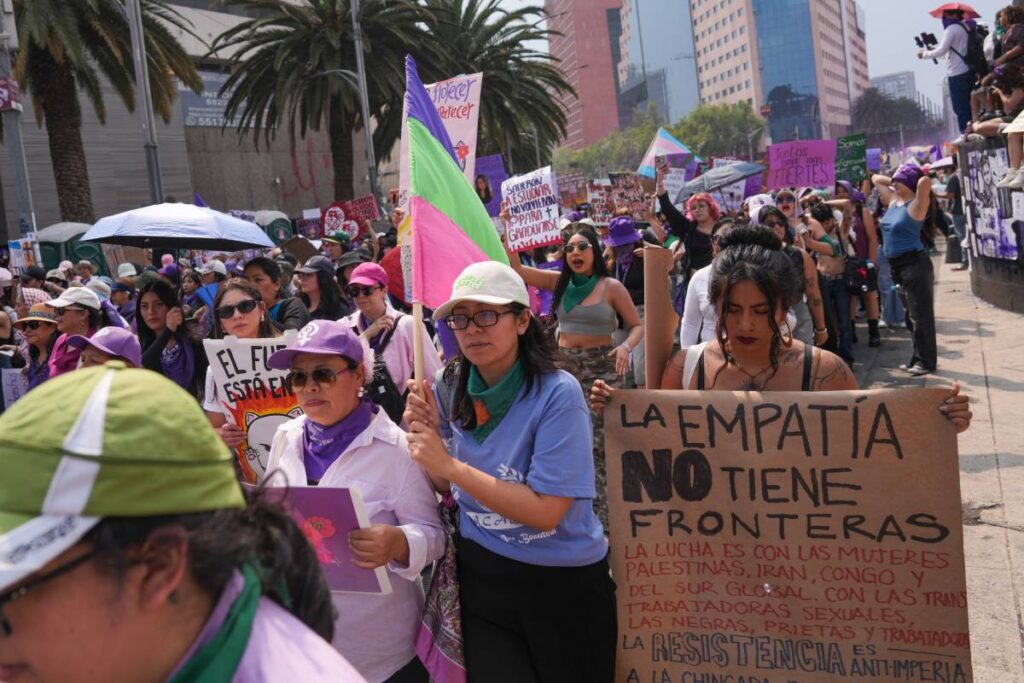
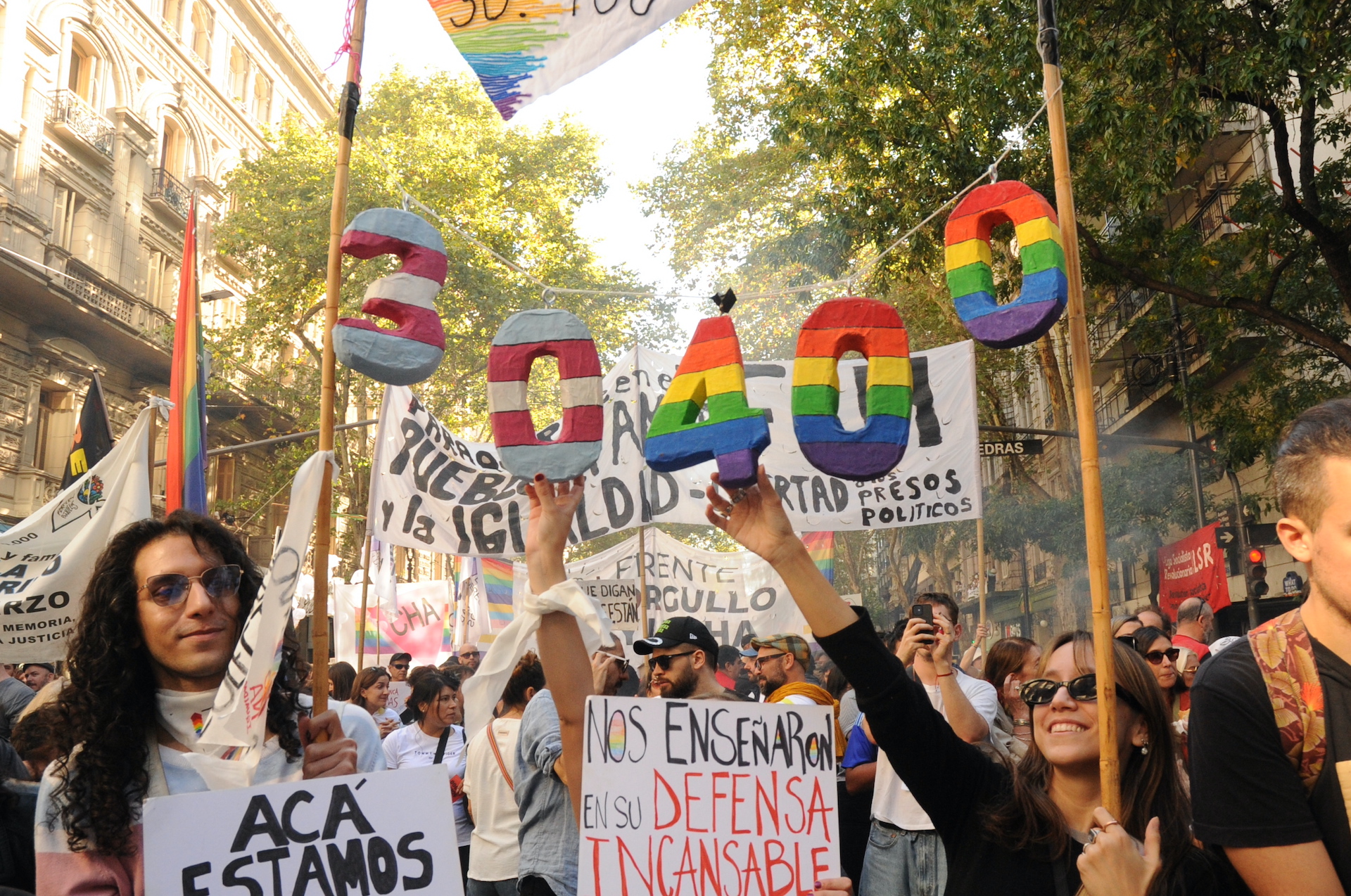
MEXICO CITY, Mexico. More than 120,000 people attended the March 8th march in Mexico City, according to official figures. Among the participants were groups of mothers searching for their missing children and families of femicide victims, as well as young people, mothers with their children, older transgender women, and Indigenous and Afro-Mexican women from Oaxaca and Guerrero. They filled the streets of the city center in a march that traveled from the Glorieta de las Mujeres que Luchan (Roundabout of the Women Who Fight ) to the Zócalo.
The protesters demonstrated against vicarious violence, femicides, disappearances, and harassment, primarily . There were clotheslines displaying the names of harassers, rapists, and those who fail to pay child support.
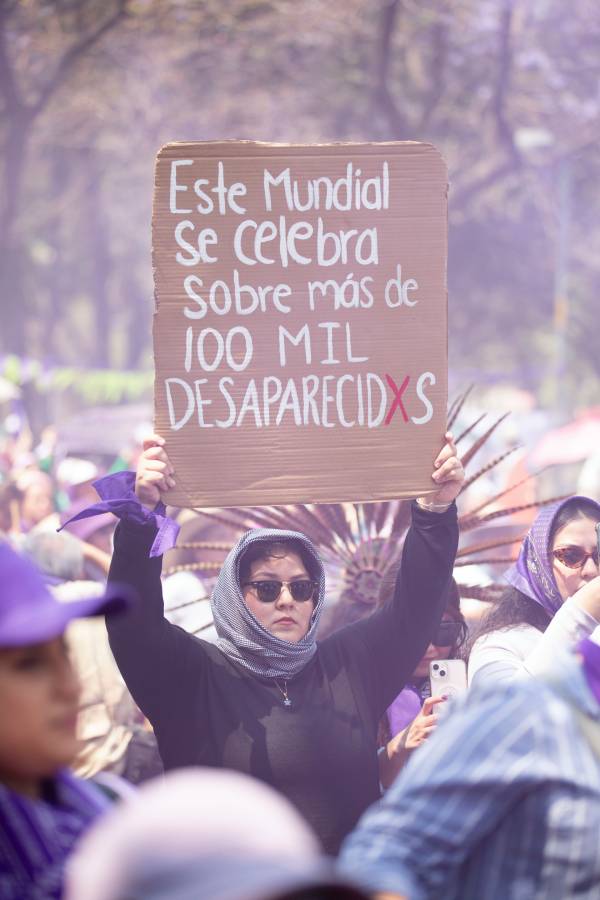
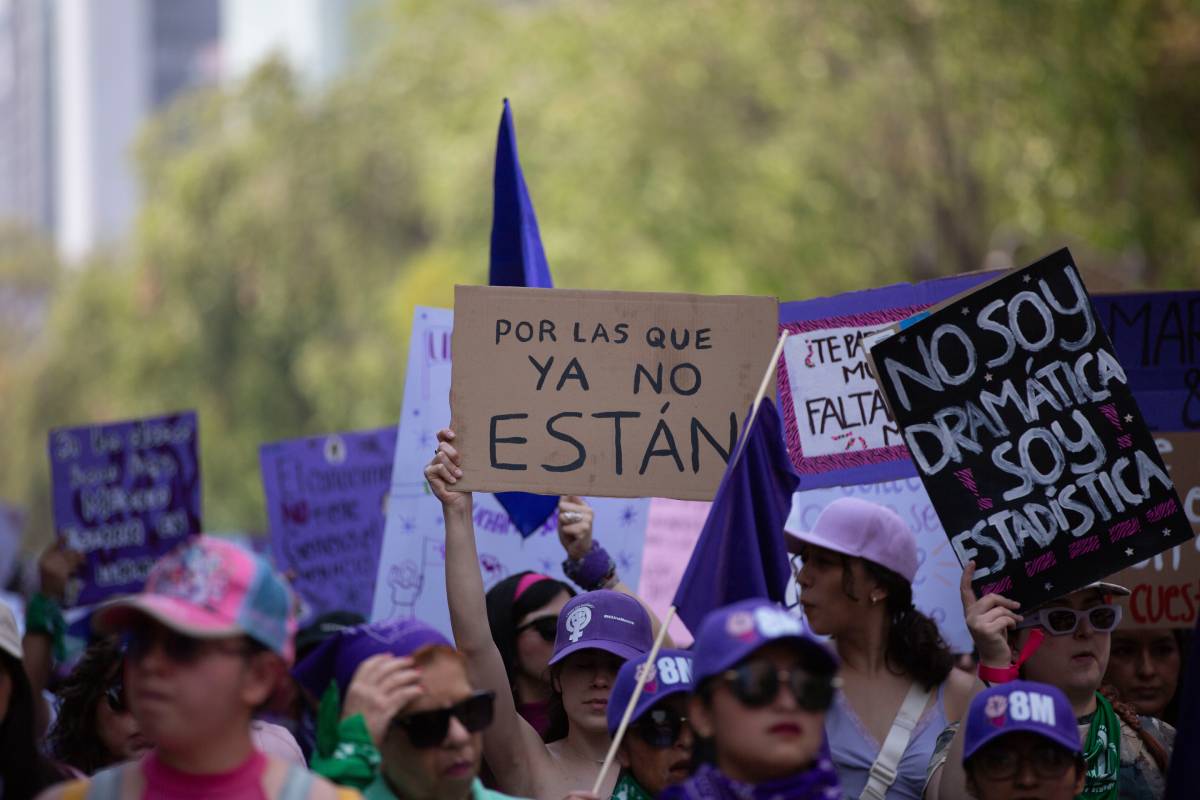
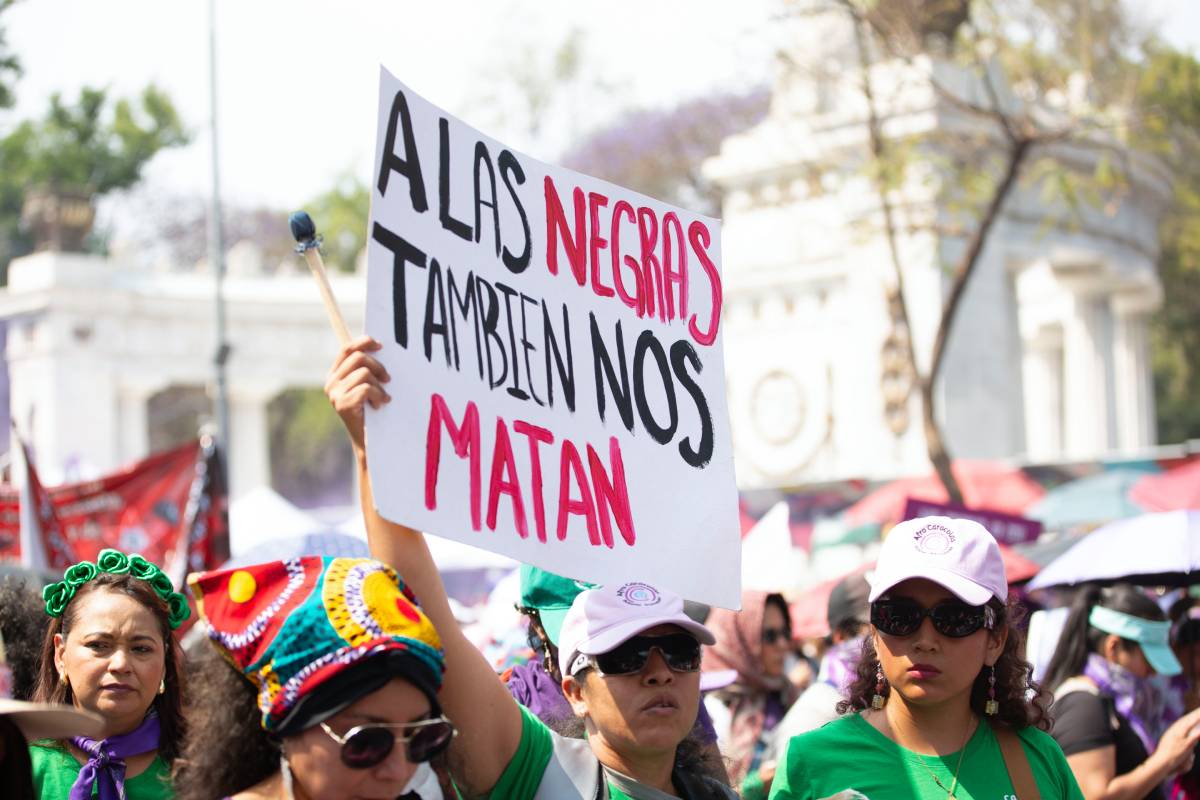
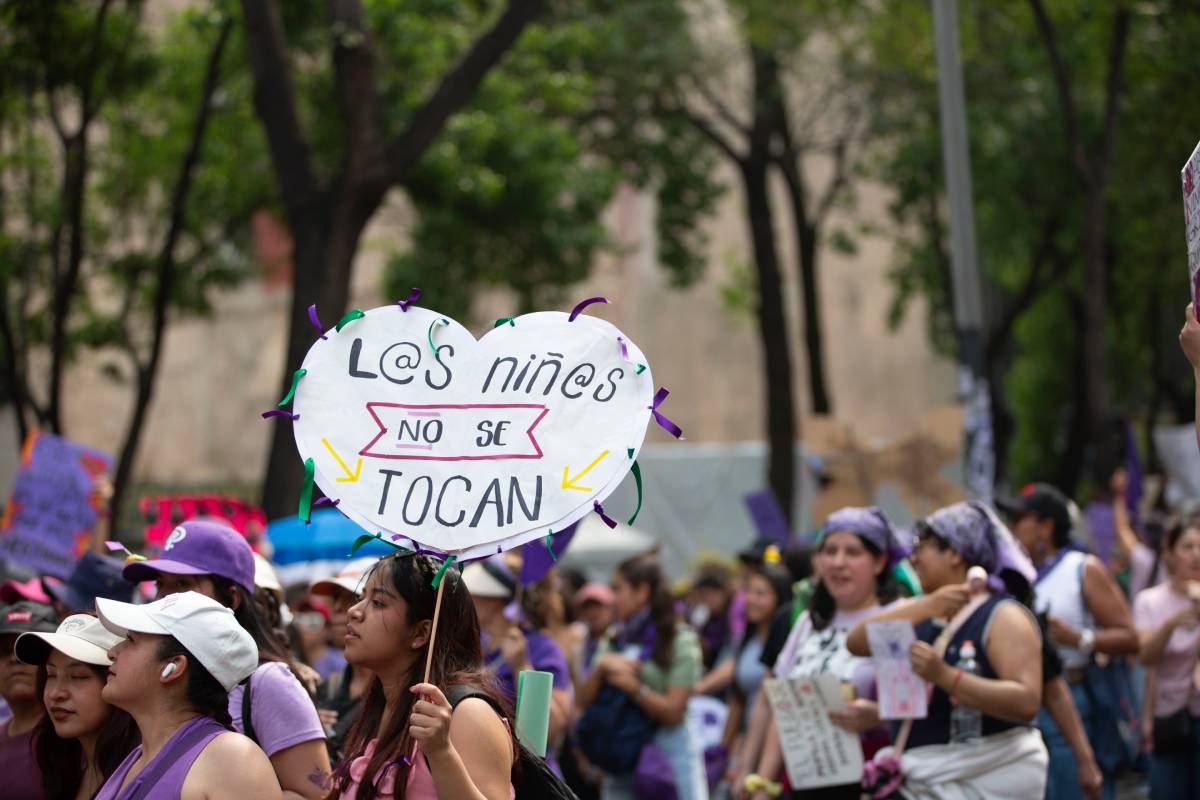
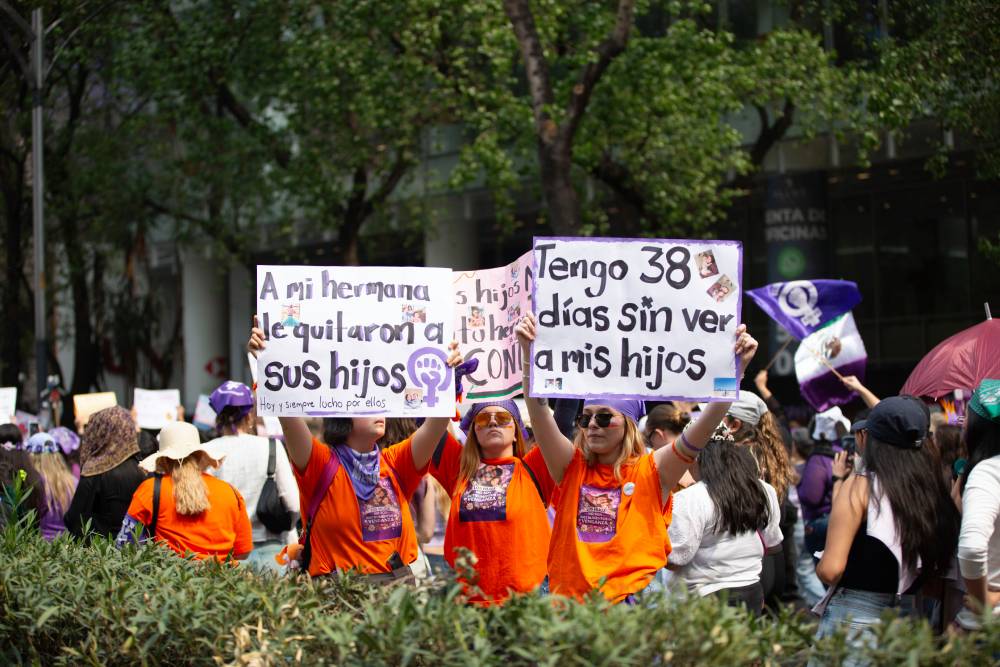
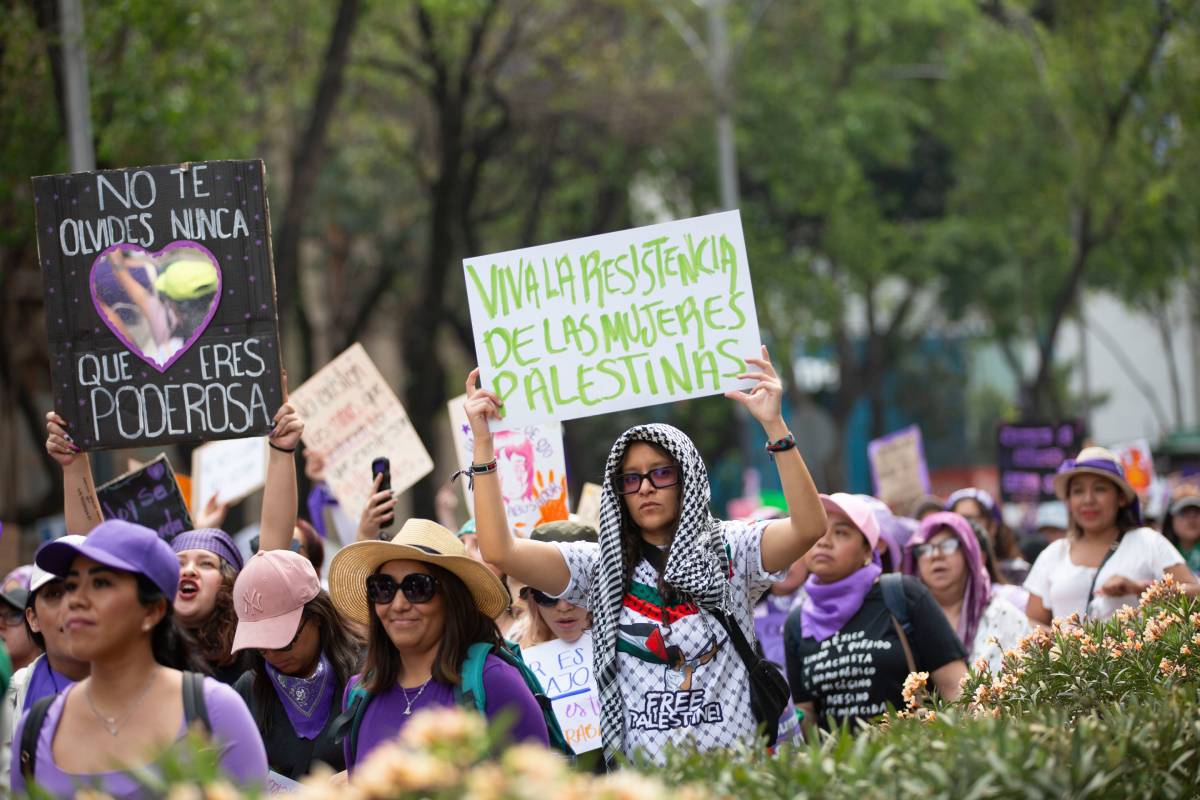
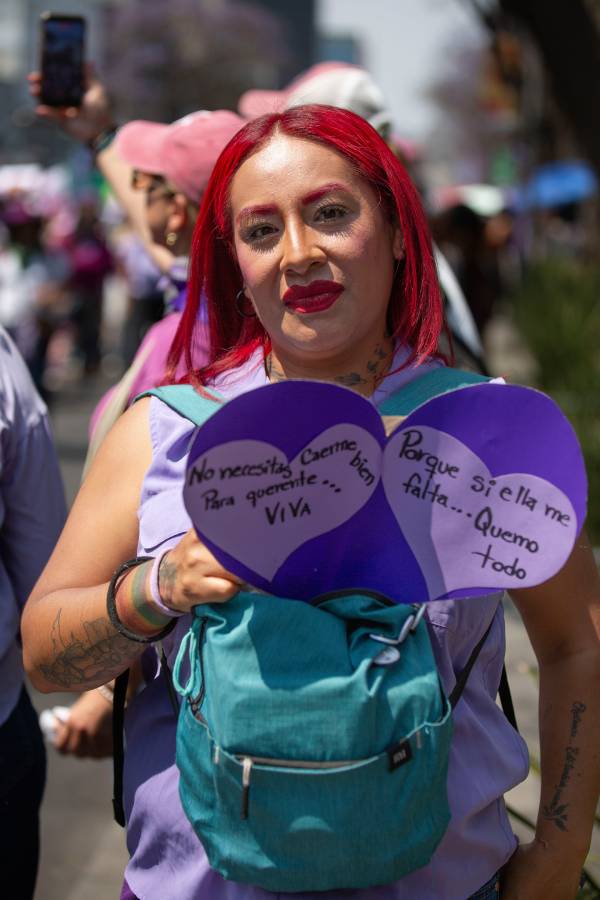
The forms of expression for these demands, in addition to slogans, included drumming, dancing, and signs. They expressed various demands: “for those who are no longer here , “children are not to be touched , “I haven’t seen my children for 38 days , “for the dark-skinned, Afro-Mexican, trans, migrant, marginalized, and Indigenous women and girls , “will we all arrive?”, “Black women are killed too,” “long live the resistance of Palestinian women,” “I shout today because when you raped me I couldn’t,” “punk isn’t dead, it’s the women.”
March for all
During the march, one could also see photographs of women who were victims of femicide and banners searching for missing women.
“We are not only discriminated against for the simple fact of belonging to a minority, but also for belonging to the Afro-descendant community. I march for all the sisters who cannot and who remained silent . We are present ” – Cataleya, an Afro-Mexican trans woman originally from Guerrero and a member of the Afrocaracolas Collective .
“We are here so that our voices are heard. For us, today is not a day of celebration but of protest, of raising our voices so that we are respected as indigenous women, whether we are Triqui, Mixe, Tzotzil, Chinantec, whoever we are, we want indigenous women to be heard and valued,” said Mónica, an indigenous woman marching on March 8th.
The increase in violence
This March 8th, unlike the last two years, was a massive demonstration. It had been a long time since such a large number of people had taken to the streets. And it happened in a context of a surge in femicides in just two months. The National Citizen Observatory of Femicide has documented at least 54 femicides and denounces the setbacks in strategies to combat femicidal violence in Mexico by the State. Furthermore, the disappearance and femicide of two university students in Morelos last week has sparked outrage . In Mexico, at least 10 women continue to be victims of femicide every day.
2025 ended with an official record of nearly 6,000 women murdered, 721 of which were classified by the courts as femicides. This is compounded by the ongoing crisis of disappearances in Mexico, with more than 133,000 people missing, approximately 25% of whom are women and girls.
We are present
We are committed to journalism that delves into the territories and conducts thorough investigations, combined with new technologies and narrative formats. We want the protagonists, their stories, and their struggles to be present.
SUPPORT US

FOLLOW US
Related notes


We are present
This and other stories are not usually on the media agenda. Together we can bring them to light.