

BIFE: Genderless Music, Trans Identity, and Diverse Philosophy
The iconic band for sexual diversity returned to the stage after a much-needed hiatus. Why it's better not to be confined to a single musical genre, and what music means to them.


Share

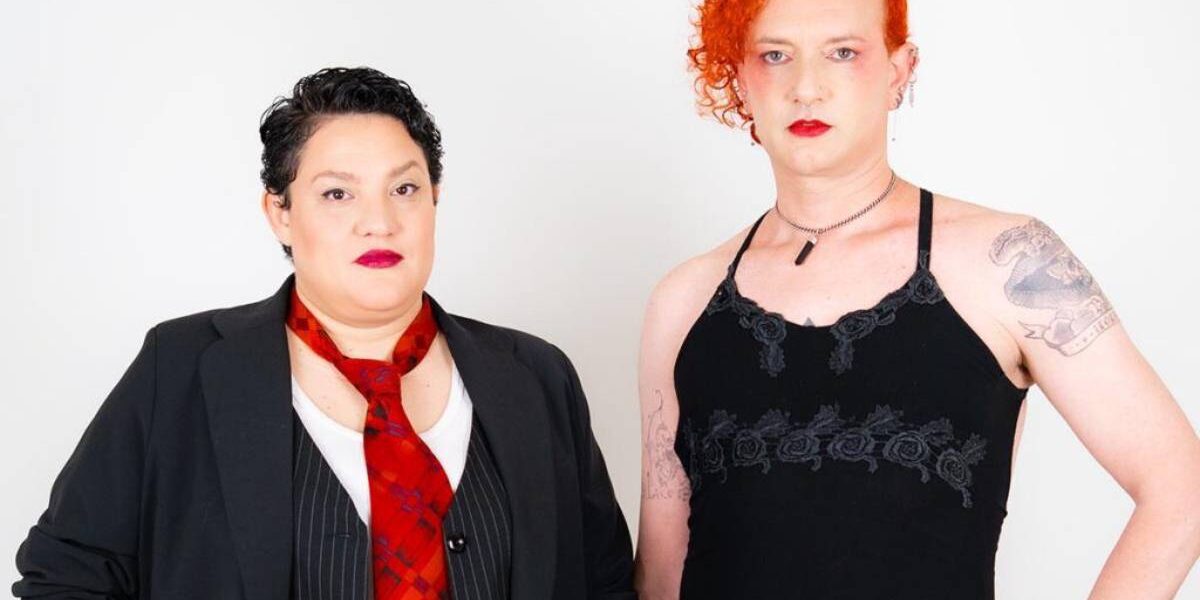
BUENOS AIRES, Argentina. “Bring back Bife!” the crowd shouted to Ivo Colonna and Javiera Fantín a little over a year ago when they reunited on stage. But it wasn't just that which reignited their desire to play together again. It was also the magic that happened there, showing them that BIFE, the band, was still alive.
BIFE is a project by trans artists Colonna and Fantín that began in 2013. In six years, they recorded four albums and built a growing fanbase. However, in 2020, they put the band on hiatus. In 2024, after pursuing different personal, musical, and professional projects, they returned with several shows in Argentina and Uruguay, and this year, they released the album No pudor (We Couldn't ).
“We had already played many of those songs live over the past year while we were figuring out how to put the band together,” Ivo tells Agencia Presentes . “First we took it on tour. Then we went to the studio and recorded it the old-fashioned way. We indulged ourselves by creating a project just as we had dreamed,” Javiera adds.
In 11 tracks, Bife tackles current events and puts a musical brake on cruelty. A pact of diversity and freedom is represented through funk, cumbia, rock, pop, and some folk and tango sounds. "No pudos" showcases a more mature and musically established Bife.
Back in the ring
2020, remembered as “the year of the pandemic,” was a time of pause for BIFE. Ivo and Javiera were also going through some changes in their personal lives and decided to put it on hold for a while.
“We stopped performing because we wanted to always maintain that same quality,” Fantin recalls. “From the first album we made in a small room in Ivo’s apartment, completely self-managed, which brought us a lot of joy and connected us with a lot of people, we were always trying to create an increasingly professional, broader sound, to express more faithfully what we imagined when we felt the songs.”
The break, they both say, was necessary to reconnect with new ideas and avoid repeating themselves. “Artistically, it’s difficult to maintain an identity without becoming repetitive. We allowed ourselves to put everything on hold. If it worked out, we’d come back; if not, we wouldn’t. But then this wonderful thing happened: we rediscovered ourselves and felt we had something to say. Based on that, we took all the time in the world to put together and produce the album really well.”
Create so that others may create
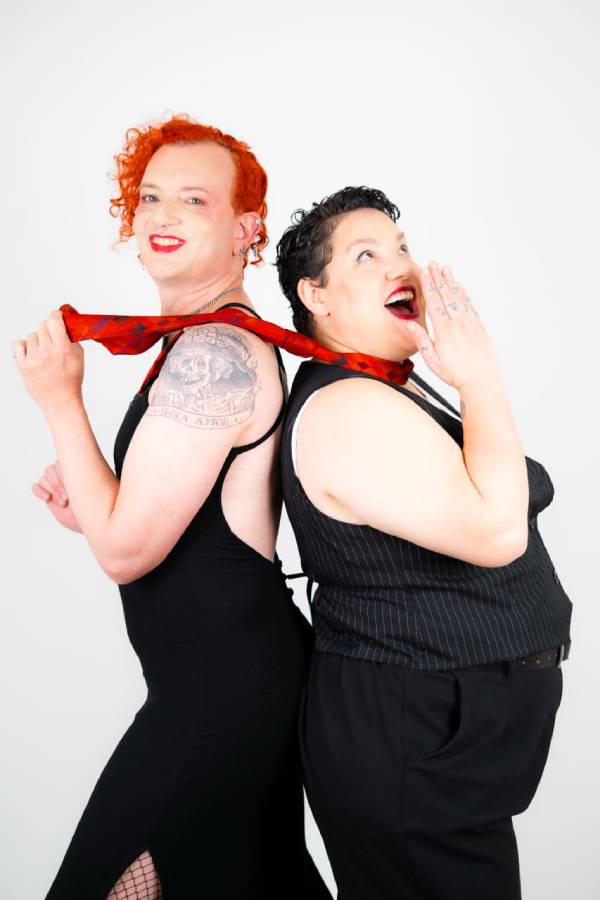
In their personal lives, both Ivo and Javiera experienced profound changes: moves, the deaths of their parents, and Ivo becoming a father. But the day they were together on stage (Ivo invited Javiera to sing a few songs at a book launch) they understood that BIFE still had much to offer.
“The world has changed a lot since 2020. And even more so since we started in 2013. We are different people with different identities than when the project began. Now I'm a dad and Javi moved to the mountains. Each of us is realizing what we imagined. And we're also navigating what it means to be trans people in our forties. All that subjectivity is reflected in the new songs,” says Ivo.
“I think the passage of time is very noticeable, in us, in the songs. When we went out to showcase them this year, it was really nice to see people who had been following us for ten years. It was the feeling that the project is alive. That's the best thing about this work, because when it wasn't working, well, BIFE died, but now it's back,” Ivo concludes.
Songs that clarify
Javiera Fantín worked intensely on the songs that now make up No pudor (We Couldn't ). These are the band's new songs, marking a new stage in their career. "More mature," says Ivo. "The material on BIF=E comes from a creative experience, from collective subjectivity. I feel a 'we' with Ivo, a 'we' speaking. The songs I propose to sing are the ones we can inhabit as a group. It's what I know we feel together. And it's from a 'we' towards a broader 'we'."
Despite having his own solo project and working intensely on his compositions, he acknowledges that Bife is different. “Another characteristic of BIFE since its inception is that it is a profoundly philosophical project. At the beginning, we had a more confrontational, much more contemporary profile.”
This stage of BIFE, reflected in the album, is, according to Javiera, “ideologically a bit more classic.” She emphasizes, “Faced with the horror of what’s happening internationally and nationally, faced with crises, we feel this need to return to the core and try to clarify the basics. To return to the roots of thought and share elements of reflection from there.”

To create despite the chaos
In his latest songs, BIFE delves into the cruelty and violence that exist in the world. He transforms chaos into catchy, sensitive, and profound songs.
“It moves me to know that this stage brings some beauty to so much chaos and pain. I feel that way too; I feel it's a refuge, music is a refuge, and being able to offer that is a blessing,” says Ivo Colonno.
“We’re discovering what it means to be this age and trans. I’m so proud to share this project with Javi, because beyond the admiration I have for him and how complex it’s been working together for so many years, BIFE is a band that has to exist. It has to exist so we can say what we feel, what we think, and so others are encouraged to do the same. There’s always that hope of inspiring and supporting others. And that those others will be encouraged to say what it’s like for them to live, to exist.”
“Since the pandemic, it’s not so easy to make a living from music. And now we’re reliving the struggle of selling tickets in this kind of situation, let alone getting any kind of funding to produce anything. But at the same time, we’re privileged, which is why we decided to make this album. To share it, for the world, so that it exists. The fact that this album exists is a huge source of pride. We’re older now, and we don’t have the same energy we had when we started. But to feel that organic feeling again, and to feel that desire to share all this information, I think that’s invaluable .”
“Coming back with a new album is a response to the current situation,” Javiera Fantin concludes.
To inhabit contradiction
“What surrounds us right now is very dark, very ridiculous, and very senseless,” Javiera says with distress. “It’s a mockery of basic values, the kind of values like looking each other in the eye, human values. And taking a minute to think things through. I like things that have many perspectives .”
Fantin explains, “To begin with, the name BIFE can mean steak, but it also implies the violence of speciesism and can also mean a slap. And a slap can be consensual and erotic, or it can be violent and unwanted. In other words, just one thing, depending on how you look at it, can mean many things. For us, that obviously sells less because it requires thought, but it interests us and it's what we have to share.”
“To inhabit contradiction, to question. That is what we want to share ,” Ivo adds.
Explore to sing
If there's one thing that has characterized BIFE since its inception, it's its musical exploration in terms of genre. Their repertoire includes tangos, cumbias, folk songs, and other folk sounds.
“We like to mix things up. As Effy Beth said, 'there aren't two genres. There's only one, each person's own.' We also subscribe to this way of thinking and we feel a bit off-putting when people say 'music is rock' or 'music is folk,' or 'it's tango versus cumbia.' But at a party, you hear a bit of everything on playlists. Or radio itself has always mixed genres. So we like to propose a diversity of genres. We have many diverse musical interests, and we compose within that diversity. It expresses our taste and our way of being. We like to try to be consistent in the content of what we say and in the way we express it. That complexity or that diversity characterizes us.”
Genres, what for?
Some time ago, during a late-night performance at a club in Córdoba, they were surprised by BIFE's reach. It was around two in the morning, and as they were finishing their set, they were asked to play the tango "Con tu amigo" (With Your Friend). "We had prepared a danceable setlist, more cumbia-oriented, but we ended up playing the tango with the electric guitar, and everyone was singing along," they recounted.
“The first and most beautiful thing we learned was not to underestimate or belittle the audience. People are incredibly sensitive and intelligent, and they perceive every detail of an artistic offering. There are all sorts of people out there, but some people connect with you and appreciate what you convey when you combine different genres in a single show ,” says Javiera.
For her, limitations don't stem from people's needs, nor are they inherent to music or the context. "Sometimes they're due to convenience or artistic limitations, which I still value because styles and deeper exploration also arise from limitations. Because then you go to a meeting with a guitar and you're not going to focus solely on one genre. Why would you do that? One song comes up, and then another. It's like we're going to chat, but only about things that start with the letter A. It's strange."
Music, the essence of expression
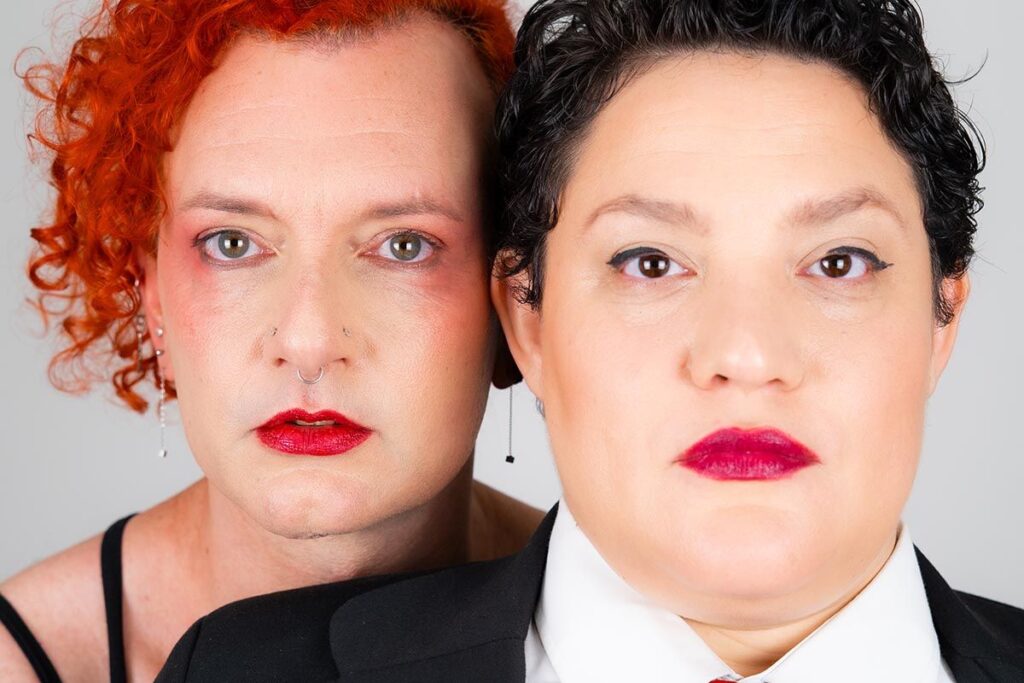
Ivo Colonno says that from a very young age, his means of expression has been music, even though he also acts. “I feel that when a song passes through my voice and my body, something happens that frees me from who I am and transmits something . Some kind of magic happens, and that brings a lot of relief to my life. Every time I sing live, I feel like my existence is resolved,” he tells Presentes.
“There’s something about having found a means of expression. The most vital things for me usually happen on stage, all our transformation and everything, it’s like the questions arise for me while I’m there, like there’s an absolute present. And that fills me with vitality and takes away my doubts. But the rest of the time I’m a bundle of doubts. For now, acting and singing have been my refuges .”
Javiera explains that she dedicates herself to three languages: music, poetry, and philosophy. “These languages complement each other in my life, helping me develop my worldview, but it took me many years to learn what songwriting is, even though, as Ivo says, they were my refuge from a young age. During very difficult times in my life, a snippet of a song sustained me. It literally sustained my life, or my sanity. And so, a little bit of gratitude from that medium makes me feel that it's worthwhile to create, even though so much is produced,” she says.
“Over the years, people have told us: their songs, or this song helped me in a moment of crisis, or this song sustained me or accompanied me through a period of growth, a transition, a separation, or in understanding a pain. And for me, that's the success of this project. Because in moments when I had nothing, there was a line from a song. And I had a cassette tape. And when that line came on, I'd press 'Stop. Rewind. Play,' because at that moment that verse truly saved me. So, for me, giving that back to the world is the greatest satisfaction.”
When and where
BIFE presents their album "No pudo" this Friday, November 14th at La Tangente. They will be accompanied by their new lineup: Sato Valiente on bass, Pablo González on drums, and Lionel Demian Celaya on keyboards.
We are present
We are committed to journalism that delves into the territories and conducts thorough investigations, combined with new technologies and narrative formats. We want the protagonists, their stories, and their struggles to be present.
SUPPORT US

FOLLOW US
Related notes
We are present
This and other stories are not usually on the media agenda. Together we can bring them to light.