

Sofia Fernandez murder: dismissals overturned and the ten accused police officers will go to trial
The Court of Appeals' ruling overturns Judge Walter Saettone's decision. Three of the police officers are accused of aggravated homicide motivated by gender-based hatred.


Share

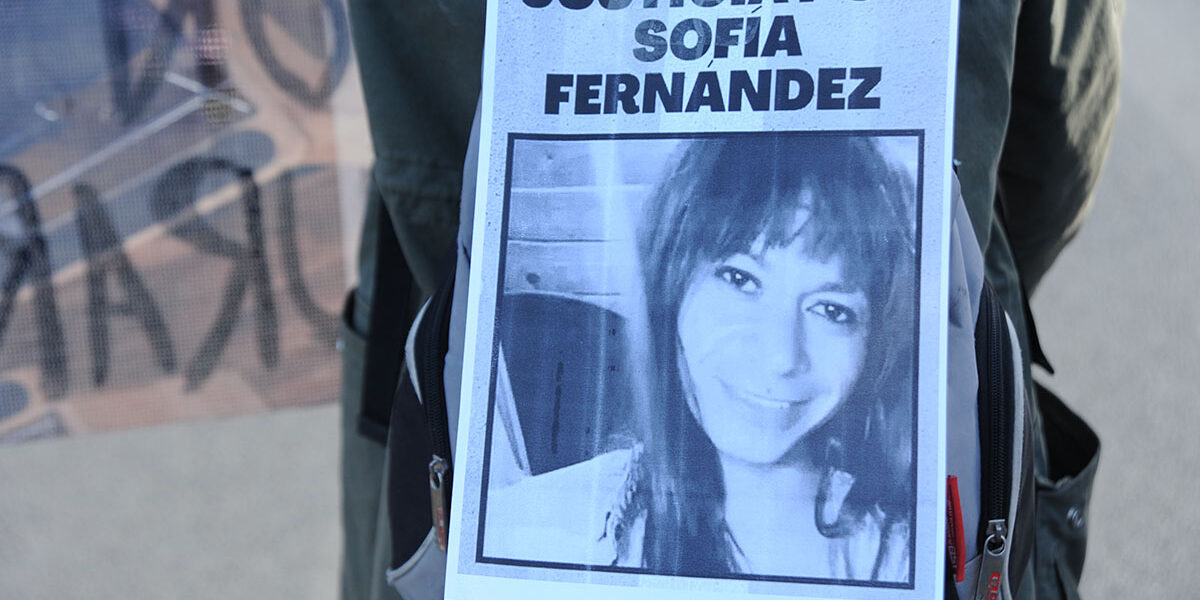
BUENOS AIRES, Argentina. The First Chamber of the Court of Appeals and Guarantees of San Isidro rejected the dismissal granted by Judge Walter Saettone (San Isidro Court No. 7) to 9 of the 10 police officers accused of the murder of Sofía Fernández, a trans woman, and the subsequent cover-up. The 36-year-old trans woman was murdered on April 8, 2023, at the Pilar Police Station No. 5.
“The police officers, who are incredibly still on duty, will go to trial for aggravated homicide motivated by hatred of gender identity, abuse of their police power, and the premeditated participation of two or more people, a crime that carries a sentence of life imprisonment,” says the statement issued by the Justice for Sofia group.
The ruling partially overturns the dismissal that Saettone had issued a few months ago. They consider that there is sufficient evidence to continue the proceedings. It also establishes different degrees of criminal responsibility.
Of the ten defendants, three of the officers— Carlos Matías Rodríguez , Yésica Isabel Núñez, and Edith Viviana Ruiz—will be tried for aggravated homicide motivated by hatred based on gender identity, premeditated conspiracy, and their status as members of the police force. The remaining three will be charged with obstruction of justice and dereliction of duty as police officers.
A look at the gender perspective
The court's decision, in addition to overturning the dismissals issued by Judge Saettone, orders the ten police officers to stand trial. This is based on the charges brought by the Public Prosecutor's Office: three for aggravated homicide, and seven for aggravated cover-up in conjunction with falsification of public documents.
From now on, explains lawyer Ignacio Fernández Camillo to Agencia Presentes , there are still some legal deadlines to meet. In the case of officer Carlos Rodríguez, he had already been indicted by Court No. 7 of Pilar.
The lawyer points out that the ruling is not yet final. He adds that the strongest point of the ruling "is the gender perspective and the consideration of institutional violence in the evaluation of evidence."
“Beyond not explicitly stating it, it does connect it to the assessment of Inter-American Court rulings such as the Bulacio Ruling, and the state's duty to investigate these types of events. It also emphasizes the need for effective judicial protection for victims,” Fernández Camillo concludes.
“We will not rest until justice is served.”
Mabel Valdéz, Sofía's sister, is leading the call for justice . She says the news from the Court of Appeals surprised her. She says it took her a while to understand what the ruling said, and that she was relieved to read not only that all ten police officers would go to trial, but that three of them are being charged with "hatred based on gender identity."
He recalls that on October 7, in the interview he had with the judges of the San Isidro Court of Appeals, he begged them to review the case from day one. “I asked them to see the autopsy, to see the reports, to see everything,” he told Presentes.
She said that Sofia asked the police at the Pilar Operations and Monitoring Center (COM) not to take her to the 5th Police Station in Derqui because there “they were going to kill her”.
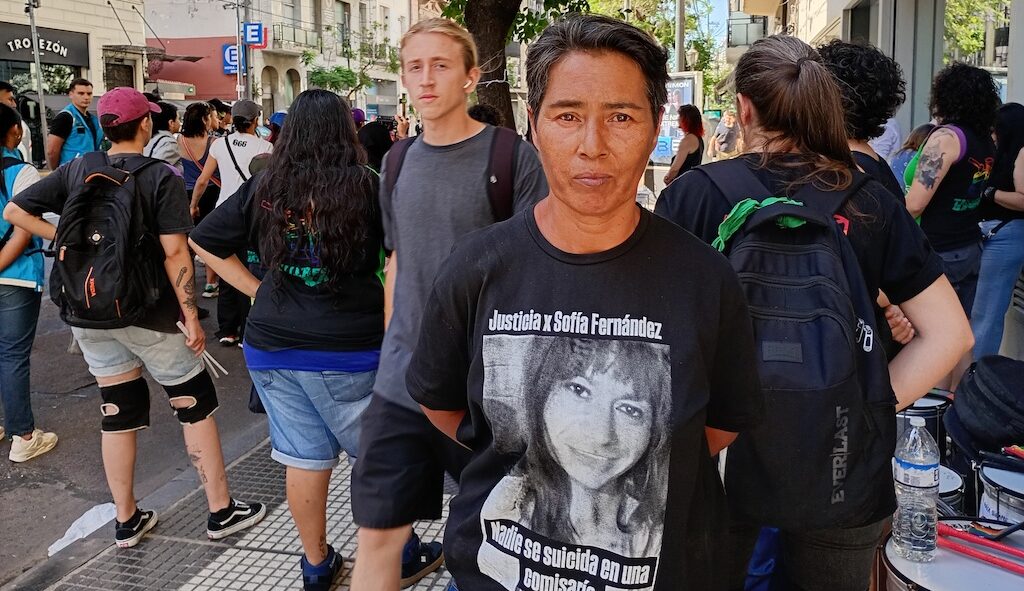
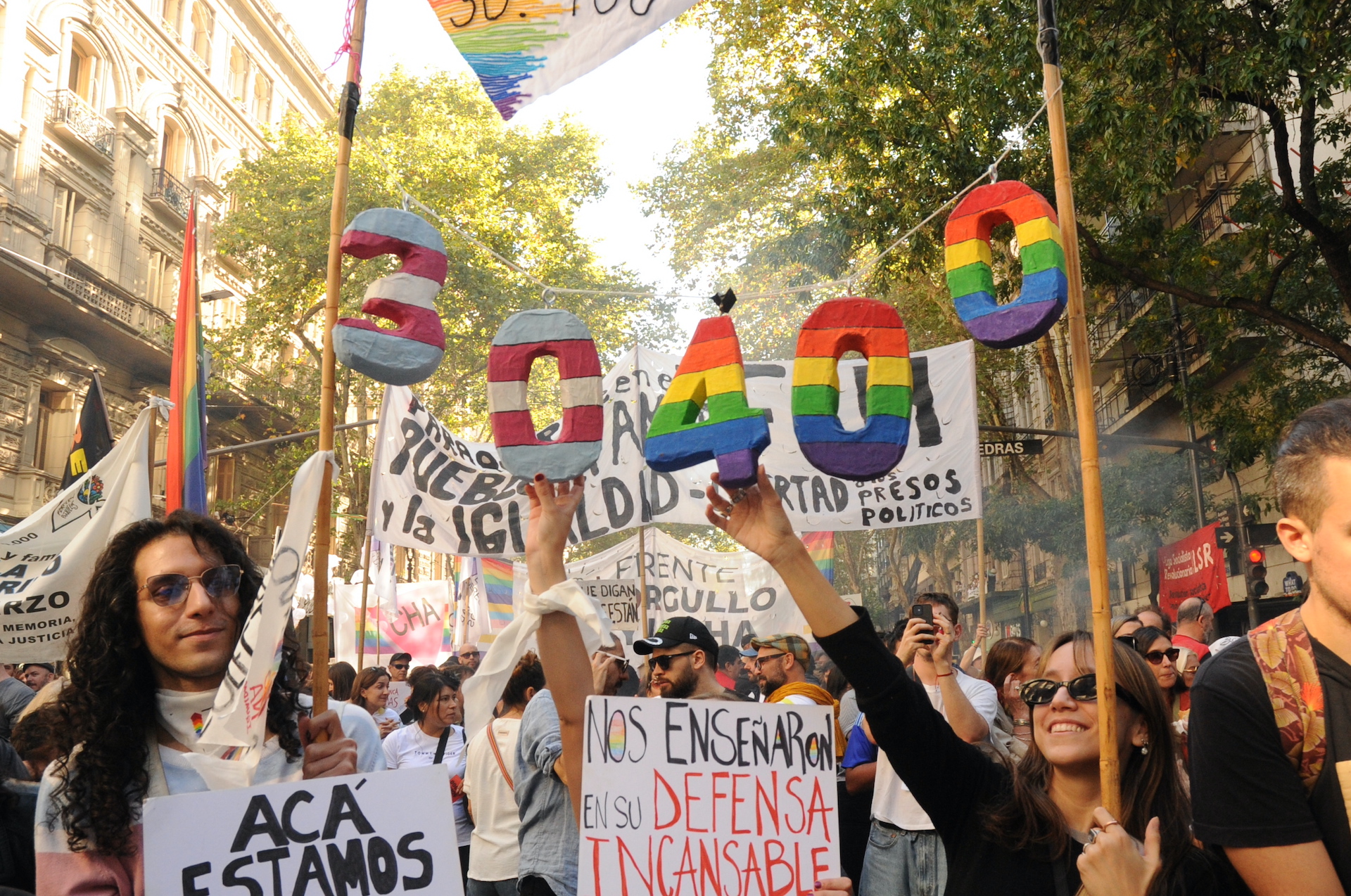
“ I hope justice comes this year and we don't have to wait any longer. This isn't fair to anyone,” Mabel said. The Appeals Court ruling comes days after the LGBT Pride March, where she was handing out flyers and zines telling Sofía's story.
“We will continue demanding justice. We will not rest until justice is served. There are still many people who are unaware of what has happened. We will continue fighting to achieve what we truly seek, which is justice.” Another demand is that “all be convicted of aggravated homicide due to gender identity, abuse of police power, and premeditation by two or more people. So we continue the fight, we continue in the streets.”
What happened to Sofia?
On April 8, 2023, Sofía was arrested by municipal personnel for reasons that are still unknown and transferred to the 5th Police Station of Derqui, Pilar district.
According to a municipal officer who witnessed the incident, she begged them not to take her because “they were going to kill her.” Two days later, her family was notified of Sofia’s death. Initially, it was reported as suicide, then as a medical emergency. But the autopsy revealed clear signs of torture and violent death inflicted by at least three people.
Sofia was 39 years old. She was a language teacher but left the profession after experiencing discrimination in her workplaces. On April 17, 2023, she was about to begin her nursing studies and had started all the paperwork for her legal gender change.
We are present
We are committed to journalism that delves into the territories and conducts thorough investigations, combined with new technologies and narrative formats. We want the protagonists, their stories, and their struggles to be present.
SUPPORT US

FOLLOW US
Related notes

We are present
This and other stories are not usually on the media agenda. Together we can bring them to light.