

Let's talk about touristification: Afro-feminist neighborhood at risk of eviction
What happens when your city is designated a "Pueblo Mágico" (Magical Town)? El Patio de la Estrella, an inclusive neighborhood in Veracruz, faces the risk of eviction. It is the only space in Córdoba that openly identifies as dissident and Afro-feminist, and provides shelter to women experiencing violence and migrants.


Share

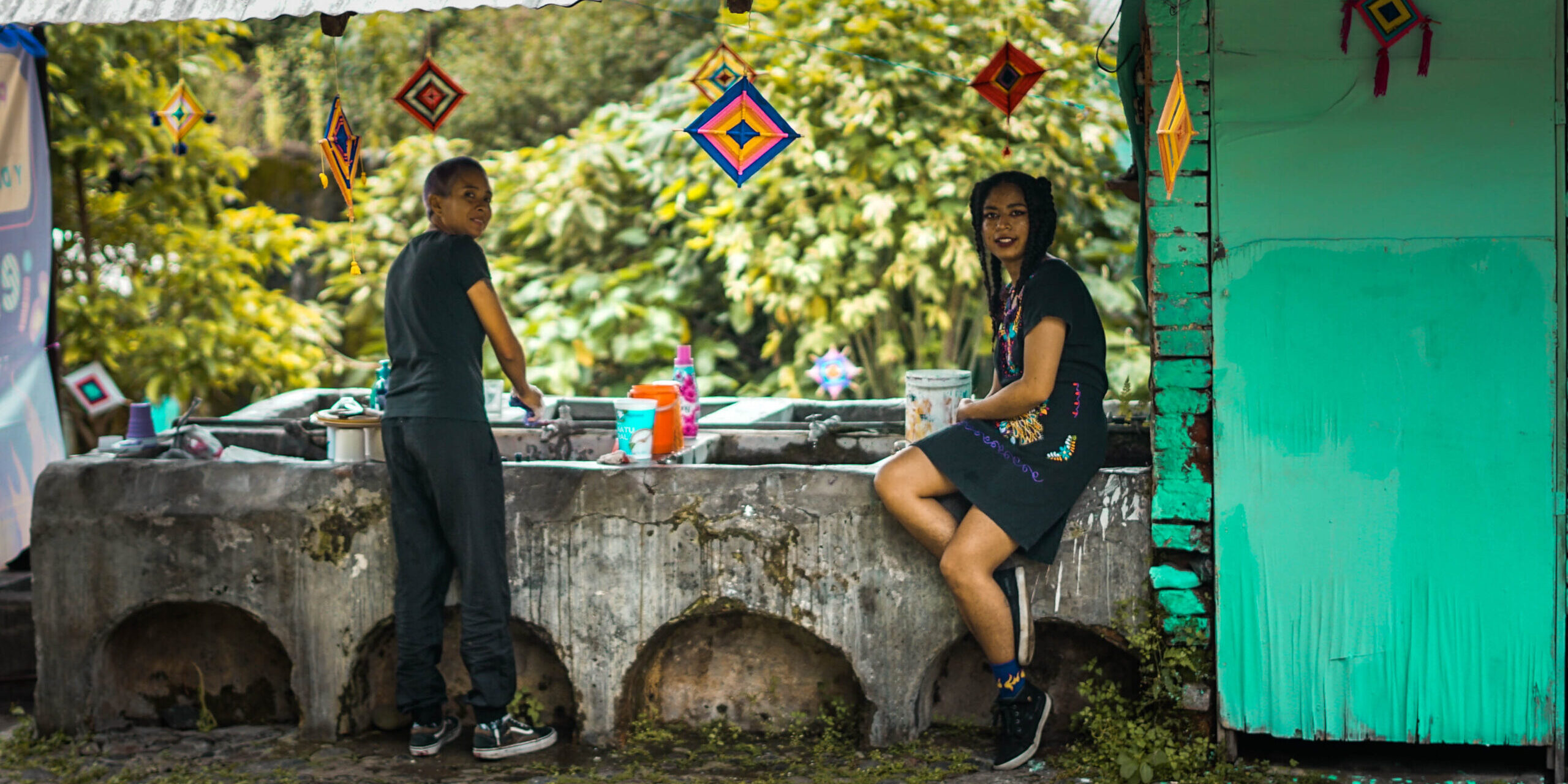
El Patio de la Estrella (Córdoba, Veracruz) is a neighborhood inhabited and defended by Afro-descendant people, women, and LGBTQ+ individuals. For nine years, they have resisted forced eviction attempts and the accelerated touristification promoted by the municipal government. As a result, six families are now at risk.
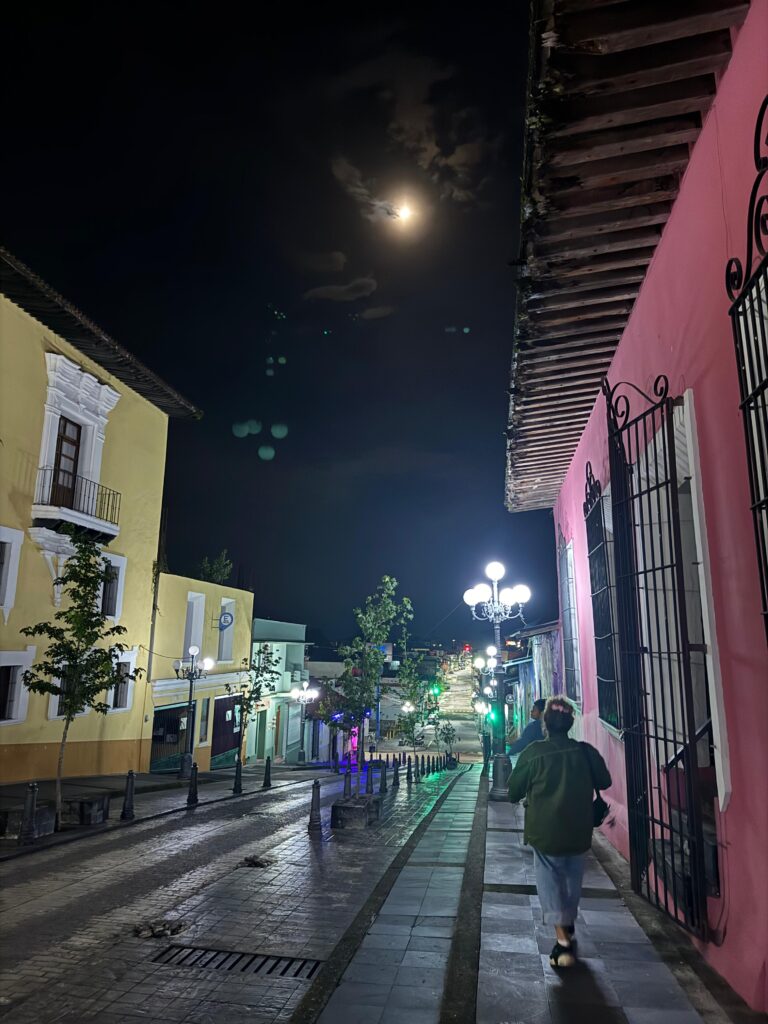
The harassment of the Patio de la Estrella has intensified in the context of Córdoba's designation as a "Pueblo Mágico" (Magical Town). This designation encourages over-tourism and raises the cost of living, prioritizing the tourism industry far above the right to housing.
Lucy Batista is a doctor by profession, a land rights activist, and a resident of El Patio. She has publicly denounced the institutional persecution she has faced for the past nine years for defending El Patio de la Estrella , her home.
In December 2020, Batista was found guilty of dispossession, although those involved in the investigation maintain that no such act occurred. The sentence is ambiguous: on the one hand, Lucy explains, it establishes guilt and allows her to "stay." But it requires her to "hand over everything else," without specifying what she must relinquish.
The courtyard, a diverse refuge
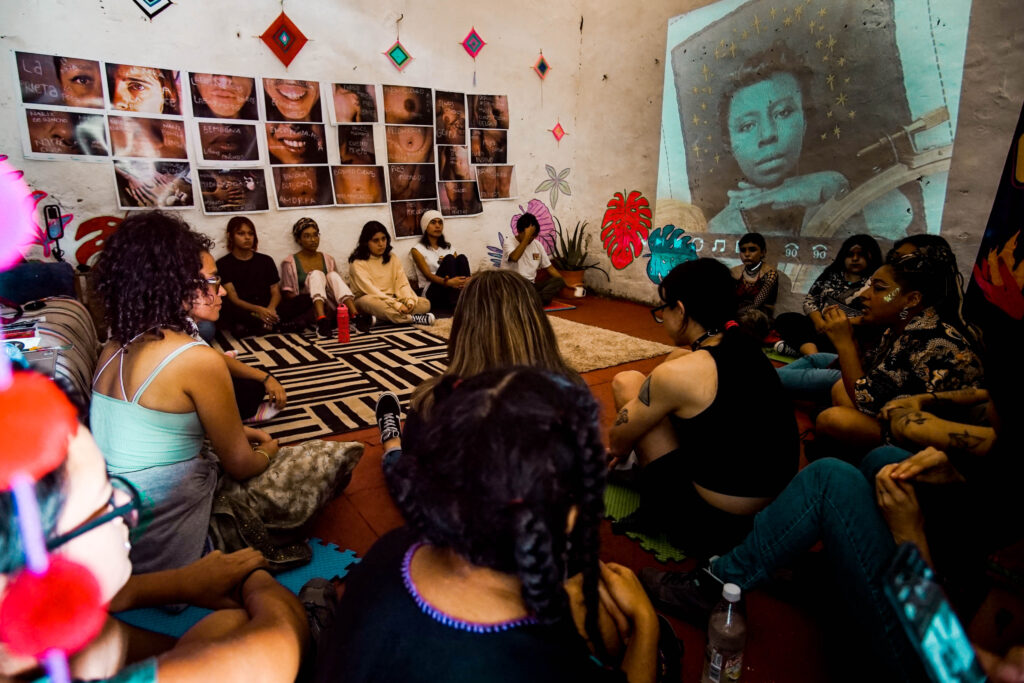
The Patio de la Estrella is more than just a house; it's a historical monument dating back to 1857. Since 1990, it has been protected by the National Institute of Anthropology and History (INAH). It's a social landmark and meeting point for the Ko'olelm Afro-feminist, anti-racist, and Afro-maroon collective.
Most of the residents of El Patio are women, Afro-descendant people, trans people, and lesbians. It is the only space in Córdoba that openly identifies as dissident and Afro-feminist, and it provides shelter to women experiencing violence and to migrants.
Carla Escoffié, a lawyer and housing rights advocate, explained that in addition to narratives about the benefits of tourism for the Pueblos Mágicos (Magical Towns), there are other narratives about “improving” certain areas. This is a form of “whitewashing through dispossession.”
“Often, improvements are linked to the profiling of people. That is, who is accepted, and also what practices. Those who do sex work, LGBT people, racialized people, migrants, are seen as people who must be removed for the 'improvement' of the space. Often, this improvement implies not only a spatial modification but also a demographic one.”.
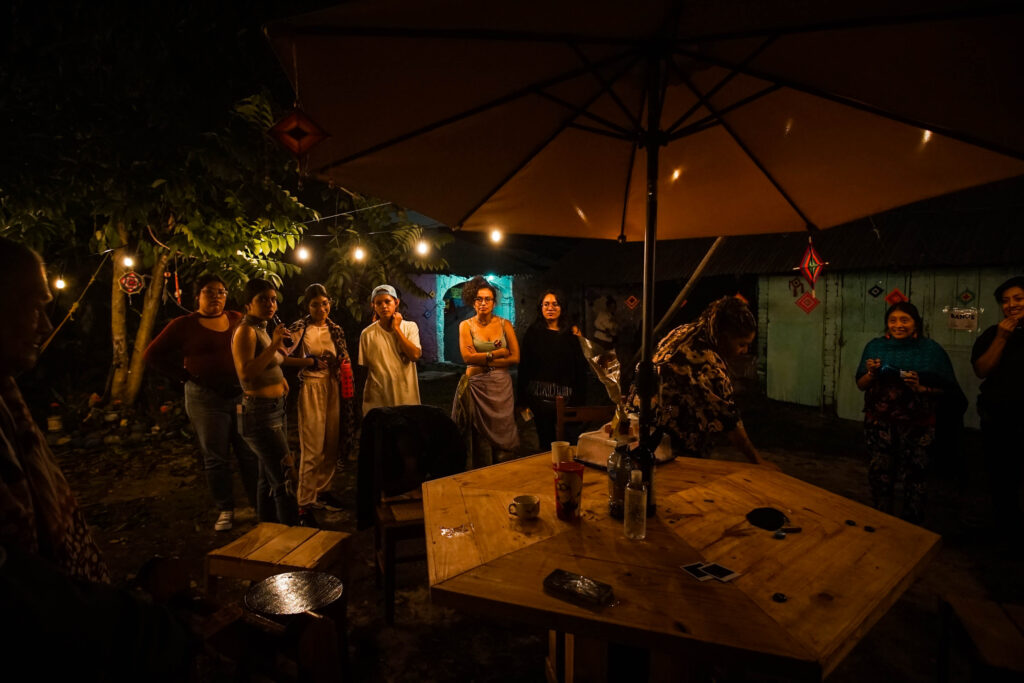
Faced with police harassment, surveillance, and political persecution, which led to Lucy losing her job, the families' resistance is articulated through art and culture. The Patio de la Estrella continues to host events such as anti-racist fandangos and annual gatherings, with art serving as a tool of resistance to make this space visible and defend it.
We are present
We are committed to journalism that delves into the territories and conducts thorough investigations, combined with new technologies and narrative formats. We want the protagonists, their stories, and their struggles to be present.
SUPPORT US

FOLLOW US
Related notes


We are present
This and other stories are not usually on the media agenda. Together we can bring them to light.