

Cabildo Trava, an action to stop the anti-rights advance against the Gender Identity Law
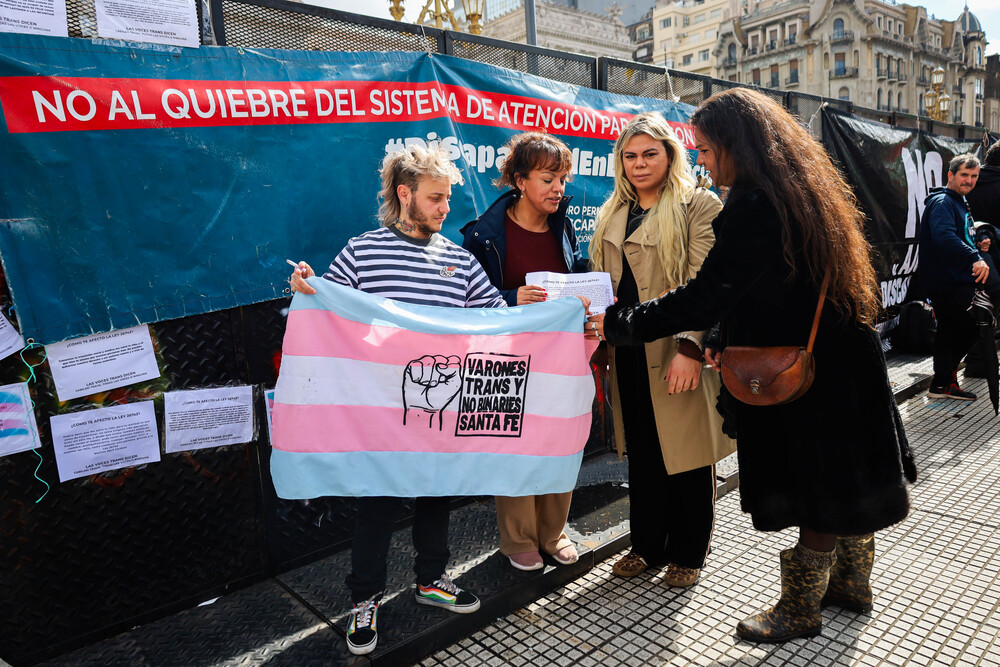
Trans people, transvestites and non-binary people organized a Trava Assembly in front of the National Congress to make their voices heard in response to the official call for a seminar on the Gender Identity Law in an anti-rights context.


Share

BUENOS AIRES. The official announcement for the seminar “Gender Identity Law: Testimonies about its Consequences” was made at the National Congress, with the endorsement of the Senate. Many trans and non-binary people in Argentina received the invitation. They registered so their voices could be heard, but they never received confirmation of their registration or authorization to participate in the event.
That seminar was yet another attempt by Javier Milei's government to undermine the Gender Identity Law. "We don't know if it actually took place or not, but the fact that it wasn't held in the Senate is a huge blow to us," says Kei, president of the Sports League for Transvestite, Transgender, and Non-Binary People . Kei was one of the organizers of Cabildo Trava , the action that took place on Wednesday, August 20, outside the National Congress. It was part of a busy day of events alongside retirees and people with disabilities .
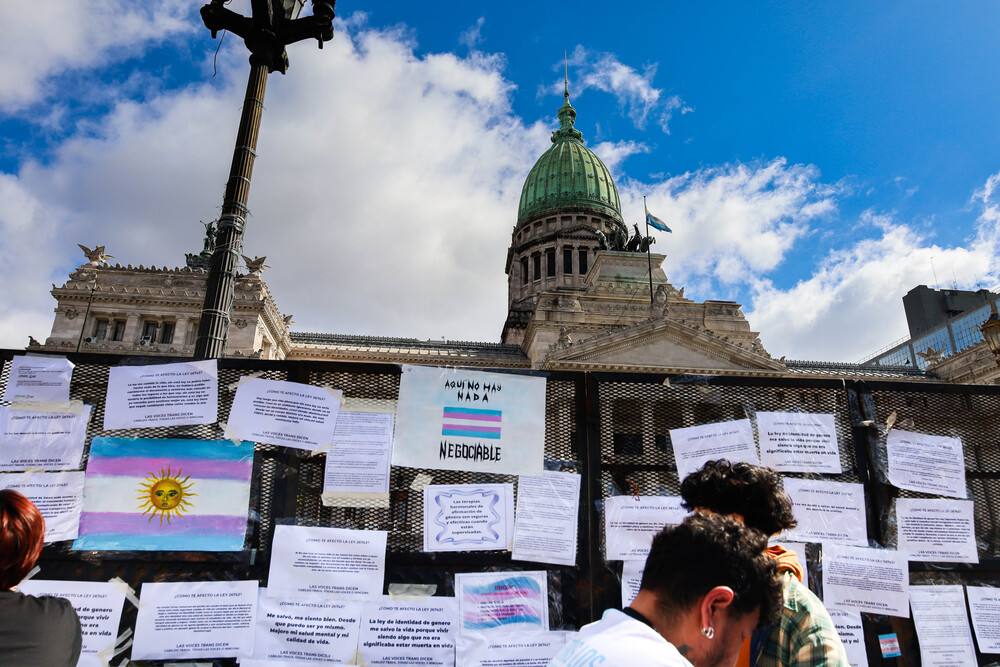
“It went well because many people came to support us. We weren't saying ' don't have an opinion about us' or 'you don't have a vote , you can't be against the law .' We're saying that if we're going to have an opinion, let's all have one .”
How the Gender Identity Law changed your life
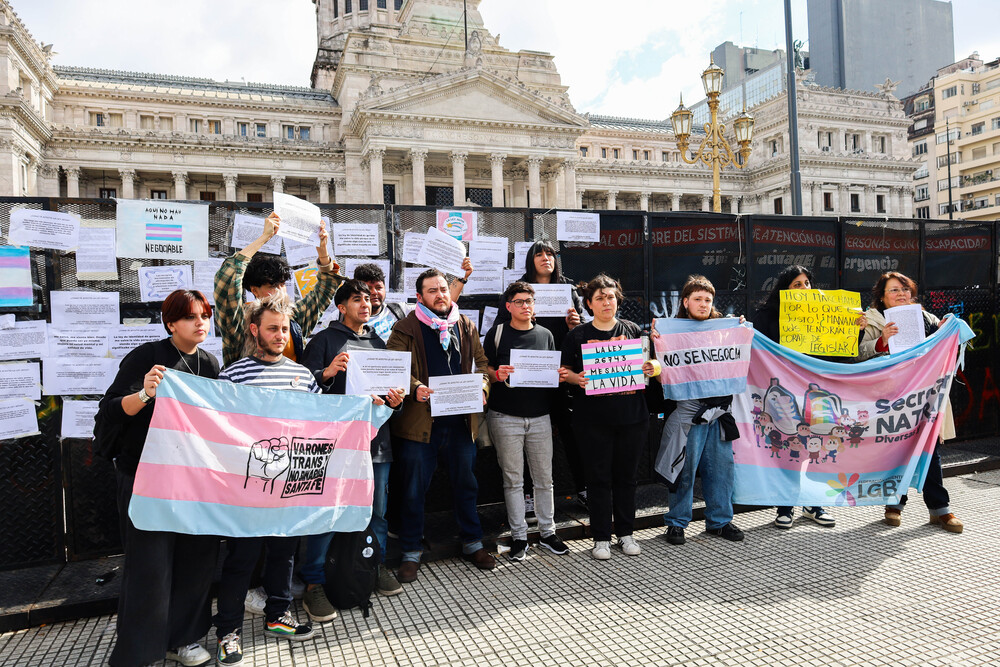
When many didn't receive confirmation or a link to participate in the anti-rights event, they realized: those with a different perspective on the Gender Identity Law weren't welcome. “We were frustrated and upset. But we thought that if the idea was to hear all voices, it had to be for real. Let's make this more democratic,” says Kei.
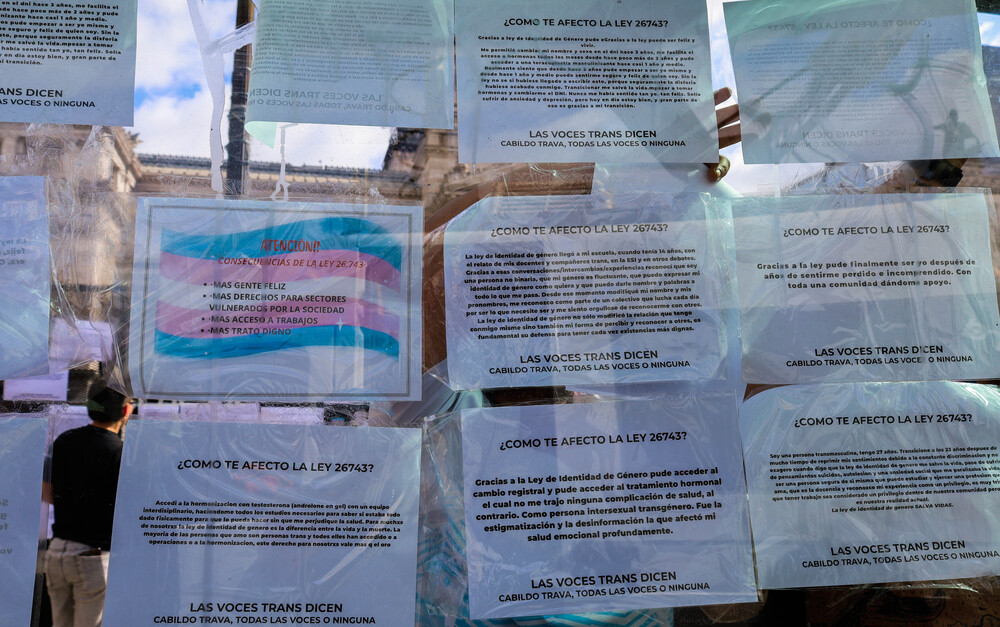
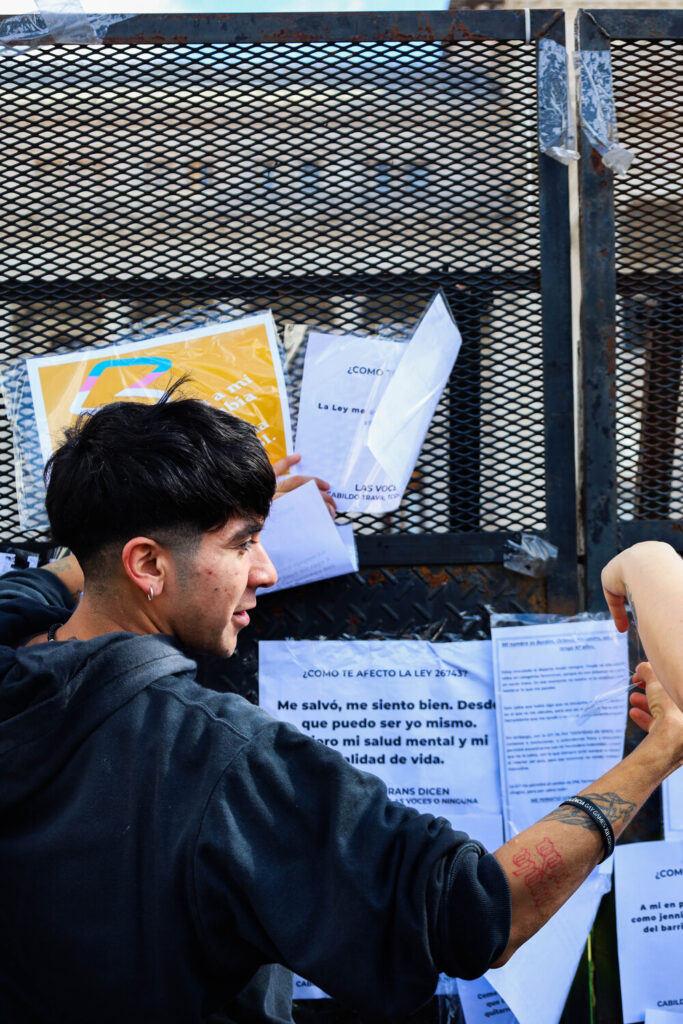
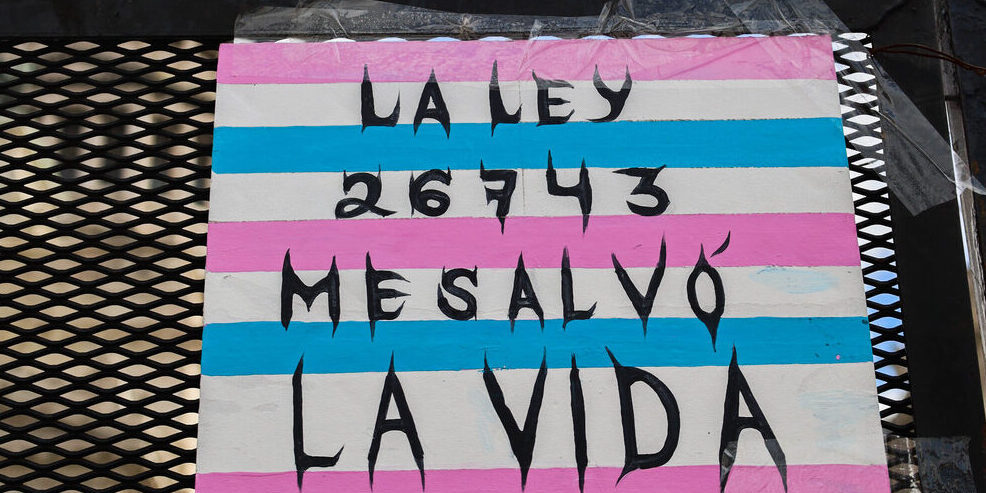
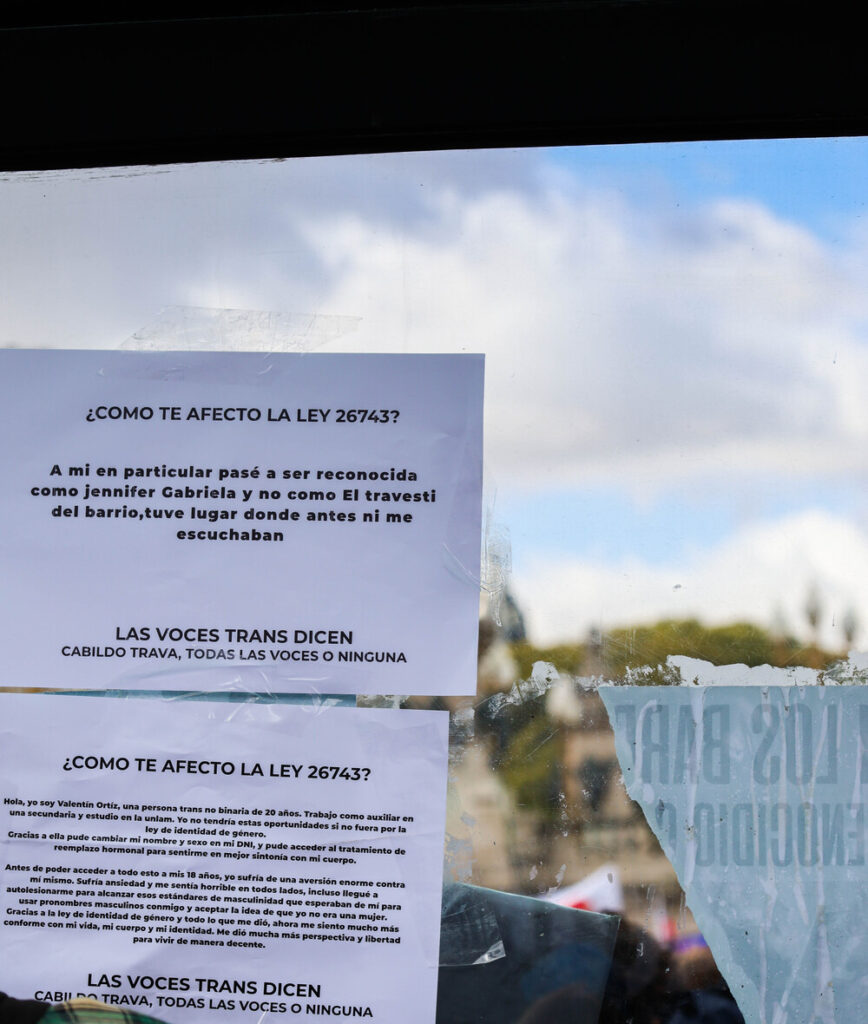
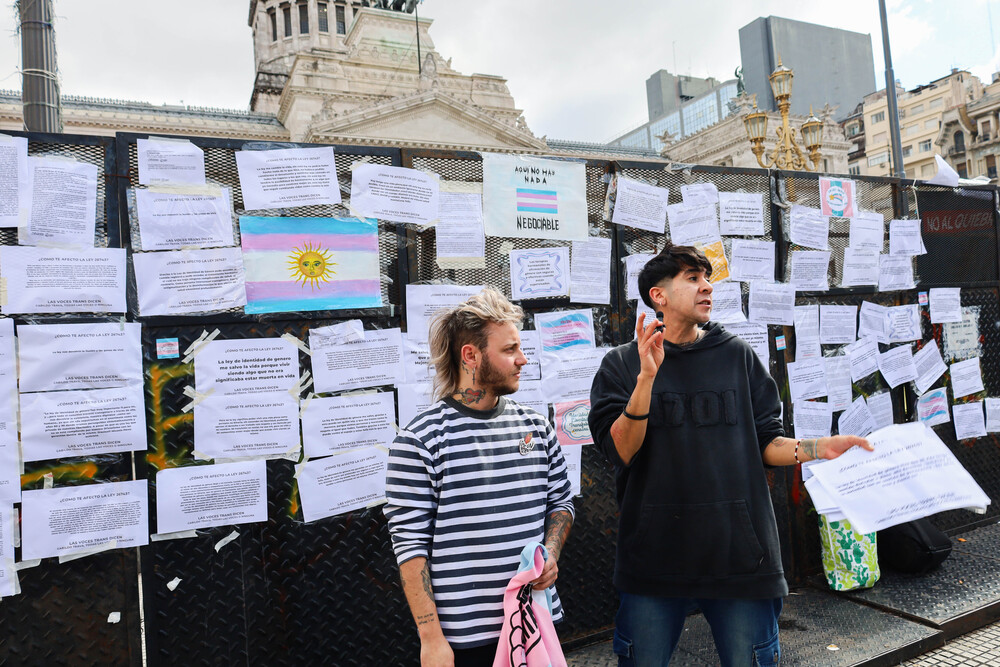
Since the seminar announcement addressed the “consequences of the Gender Identity Law,” trans and non-binary activists created a Google Form with the question: “How has gender identity changed your life?” They received around 300 testimonials of experiences, all of them positive. Kei says they were struck by how quickly the responses came in.
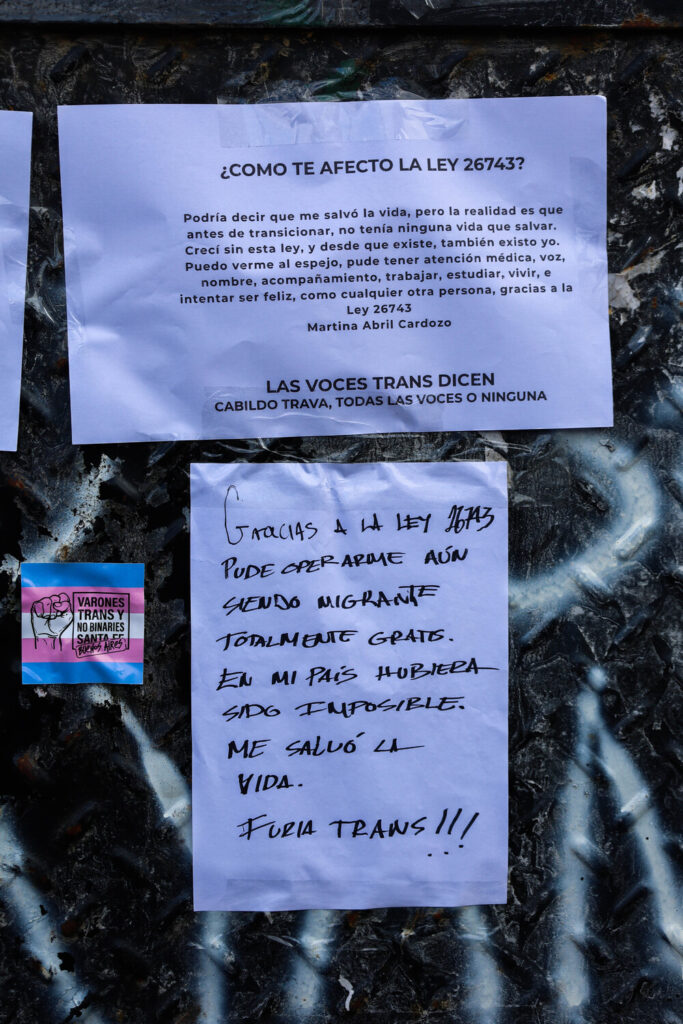
Once the testimonies were collected, they were printed to give to those who could attend the seminar so they could be read there as well. But there was another surprise: it was announced that the event was canceled.
A mother of a transgender child approached to inquire and was told the location had changed. However, upon arriving at the new address, no one knew anything about the seminar or whether it was taking place. The Senate's official website displayed a notice stating "activity suspended.".
Two anti-rights gatherings in legislative spaces
The call to action came from the organization Manada. It presents itself as being made up of mothers and fathers of adolescent children with 'accelerated onset gender dysphoria '.
Gabriela Ivy, a trans activist and communicator, clarifies: “Dysphoria is a term that doesn’t exist.” In a video she made from outside a fenced-off Senate building, she explained that the groups that organized the seminar are part of a systemic effort by the conservative agenda, which presents itself as the mother and father of trans people (whom it doesn’t recognize as such) in order to legitimize a hateful stance.
Ivy was one of the people who signed up to participate in the seminar. “It’s censorship. They lied to me. First they said there was a quota issue, and then that it had been suspended.”.
The only trans people allowed to attend and speak were those brought in by the same organizations from other countries to justify their attacks on the law and "legitimize these discourses." These people are full of contradictions between what they say and how they live. At the same time, they deny the participation of trans people who support advancing rights because, precisely, it undermines the entire discussion, the entire debate.
That same week, another meeting questioning trans rights was held in a legislative space. On August 18, another meeting took place in the Buenos Aires City Legislature.
“We have a conservative government with directives coming from groups like VOX (Spain) that give power to these voices,” Ivy said. She added that in the context of an anti-rights government, these groups are given every tool at their disposal to spread disinformation. This is happening in a country that was a pioneer in the fight for the human rights of diverse groups.
“We will not allow any backsliding.”
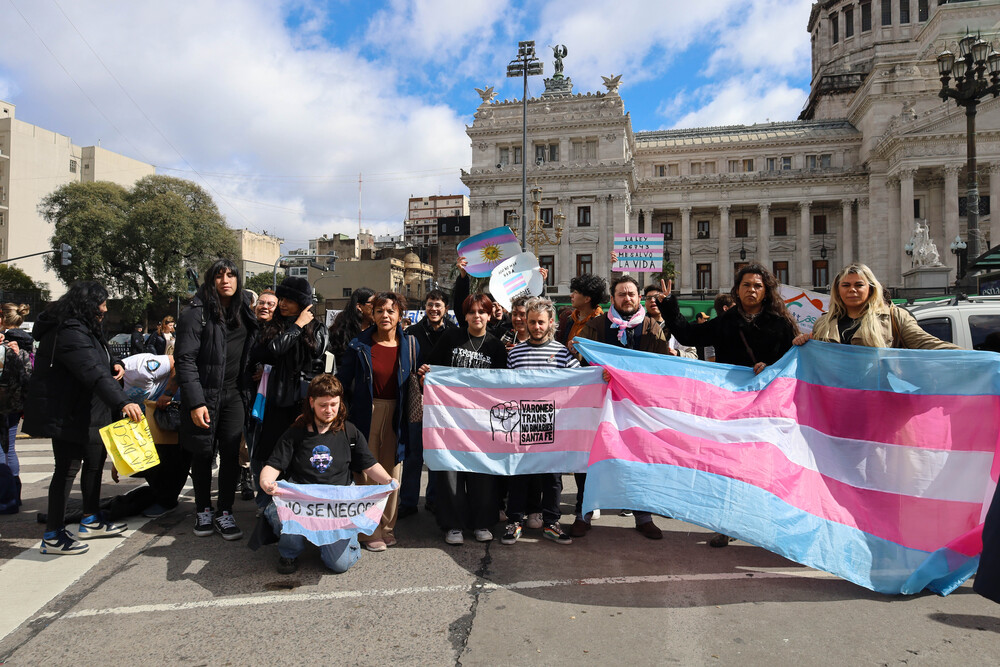
What happened with Cabildo Trava involved reaching out to other groups harmed by current policies. Kei experienced it as a small victory. “There were debates within the trans community itself, some of whom were against recognizing the seminar, but how long are we going to allow this?” she asks.
Kei is 32 years old and remembers what her life was like before the law. “I’m 32. I experienced conversion therapy, not having an ID card at school. And also the change to having job quotas, access to basic human rights. This allows you to live in peace. I think we need to create spaces for debate again, always based on consensus. The right wing doesn’t let you live in peace. That’s why, when times like these come, I think society needs to be a bit more forceful against these advances and occupy these spaces. We won’t allow any backsliding, nor will we allow these spaces of hatred to continue being created so that they can repeal the law.”.
“It’s up to us to build a network”
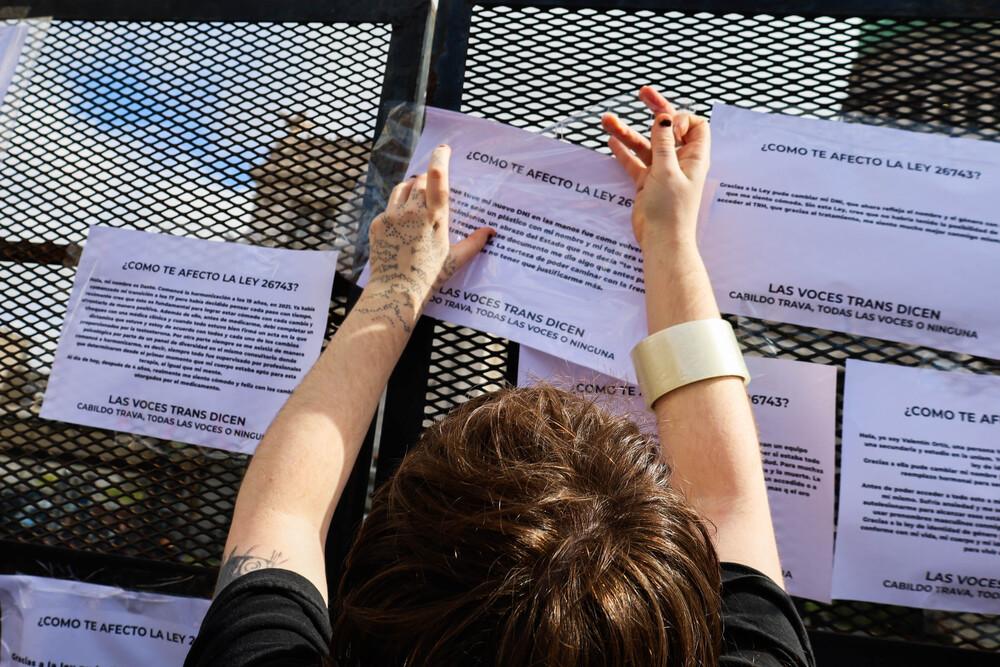
“The right wing is overwhelmed by contradiction,” says Gabriela Ivy. These events, amidst the current political climate, can also be interpreted as provocations. For her, the best way to respond is to report directly: “What they want is to provoke you. To make you angry and portray you as a violent person. So, in that case, what you can do is respond with facts. And since the mainstream media doesn't give us space to talk about this, we have to build a network.”
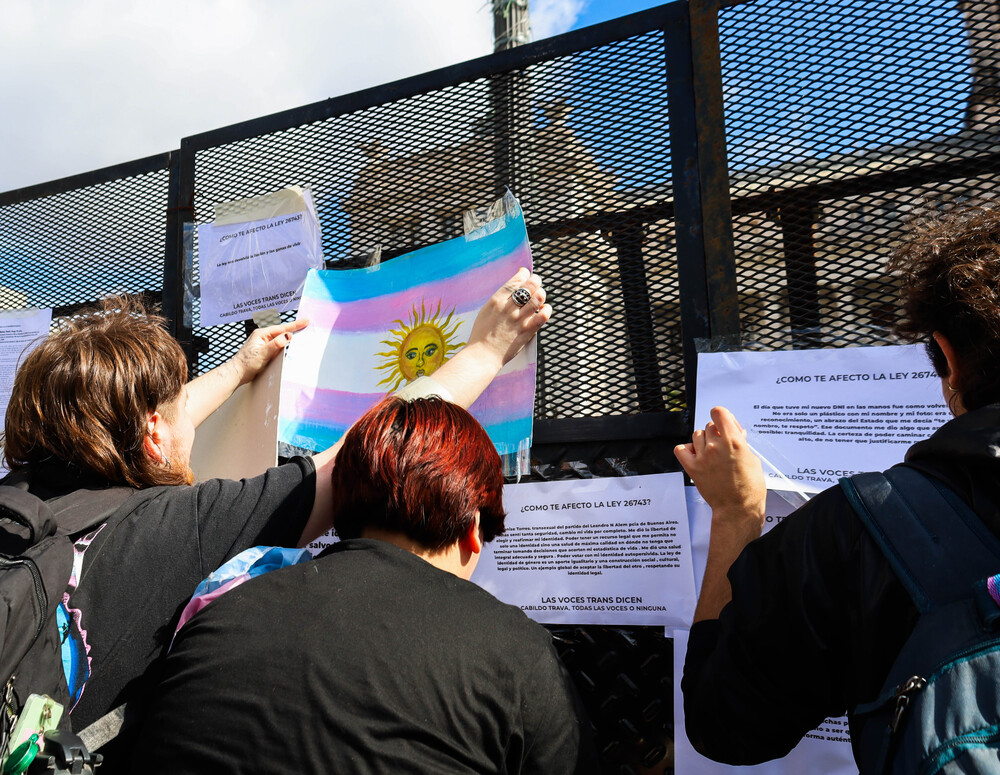
“On Wednesday, for example, when we put up posters with testimonials, a lot of people came by. People with disabilities, their families, retirees, who read the posters and took photos. It’s a way to spread the word not only locally but also on social media,” says Gabriela, who has a strong presence in the digital space with her informative reels.
This weekend, a young man was the victim of a hate crime. Ivy explains that with the rise of the right wing and these attacks, they aim to make you “afraid to express yourself as a member of the LGBTQ+ community. Because by speaking out, you dismantle the lies they spread to maintain traditional values like God, country, family, etc.” Gabriela acknowledges that this threatening strategy is not accidental but rather a perverse plan, “which is why we have to inform people about the misinformation they constantly spread.”.
We are present
We are committed to journalism that delves into the territories and conducts thorough investigations, combined with new technologies and narrative formats. We want the protagonists, their stories, and their struggles to be present.
SUPPORT US

FOLLOW US
Related notes



We are present
This and other stories are not usually on the media agenda. Together we can bring them to light.