

This is how the Gender Identity Law changed my life
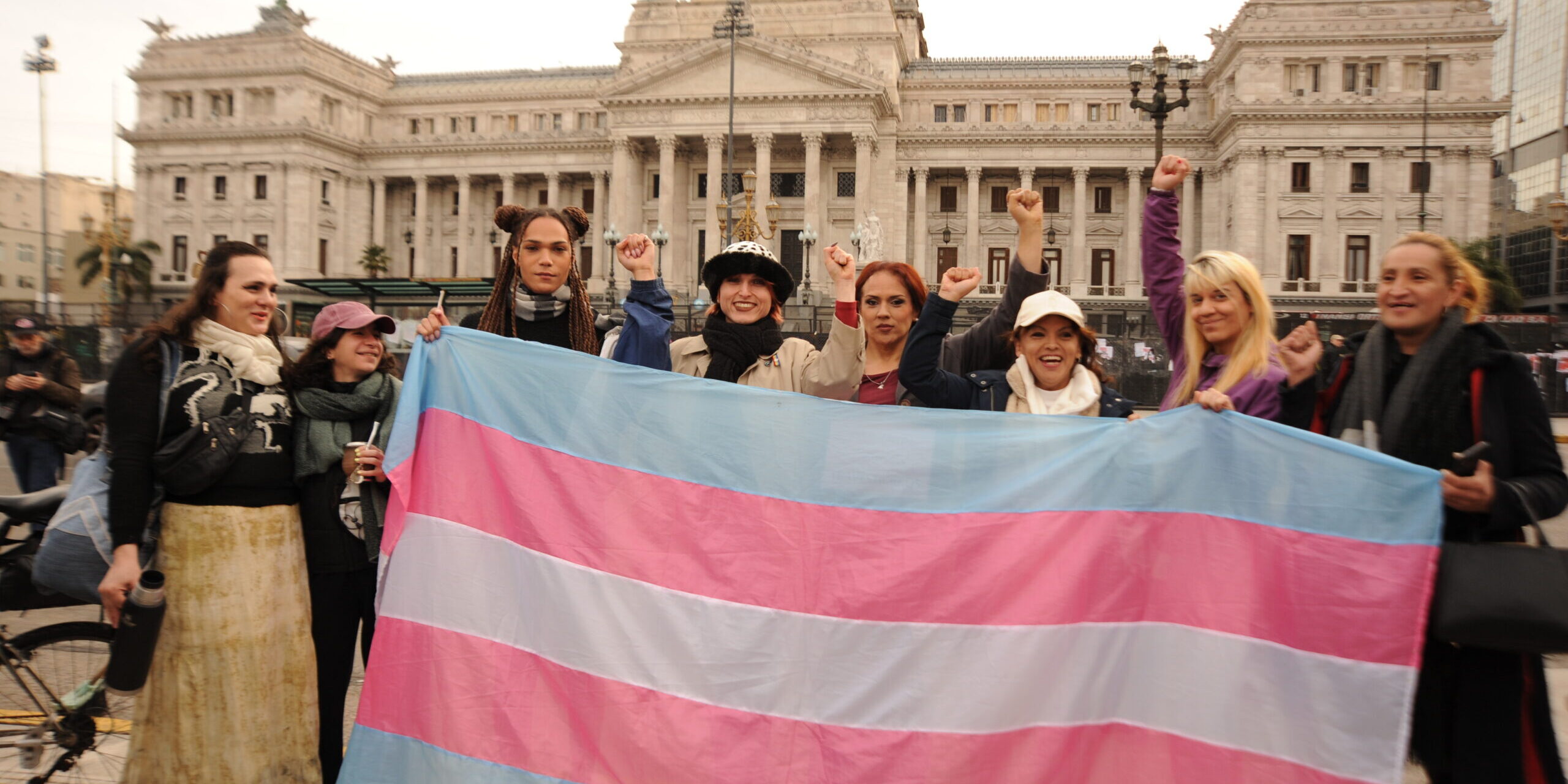
Nearly 20,000 people have legally changed their gender identity in Argentina. We asked our community how this pioneering law—now under attack and threatened—has changed their lives. Here's what they told us.


Share

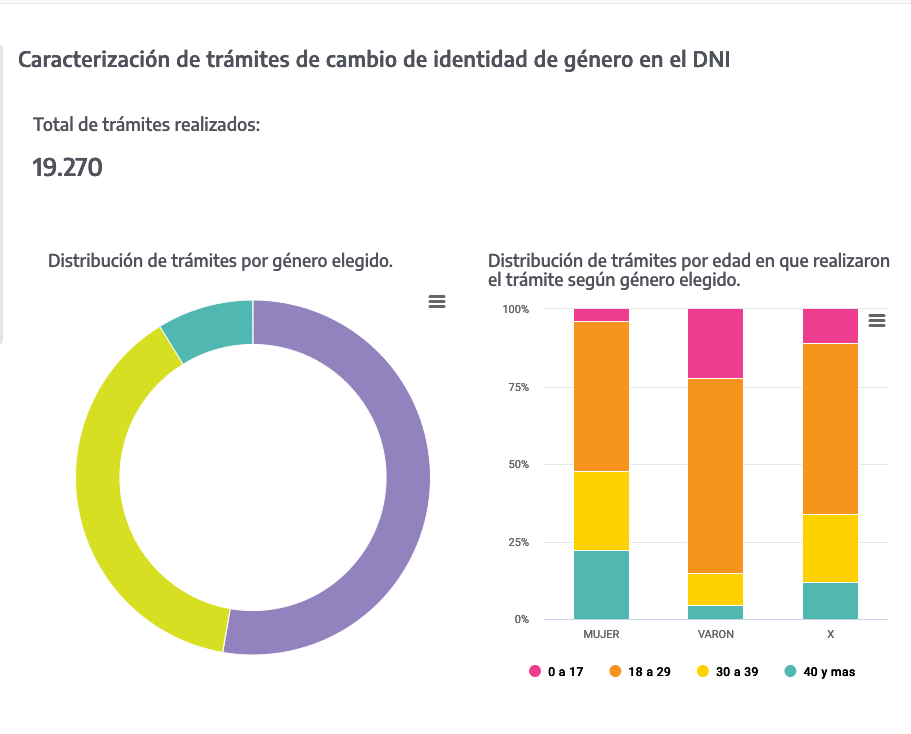
Nearly 20,000 people have changed their gender identity in Argentina since the enactment of Law 26,743, which authorized it on May 9, 2012. The National Registry of Persons (RENAPER) has recorded 19,270 legal changes up to May 2024. This figure includes 36 people who obtained legal protections for their gender identity before the law existed and were able to legally rectify the sex assigned at birth on their national identity document (DNI).
Argentina's Gender Identity Law was a pioneer worldwide for not requiring legal or medical certification for gender identity recognition, as it is considered an "internal and individual experience of gender as each person feels it" (Article 2). In addition to recognizing gender identity as a human right, the Argentine State issued a decree (476/21, July 2021) that allows for a third category on national identity cards and passports for those who identify with a non-binary, fluid, or neutral gender: X. This registry at RENAPER (National Registry of Persons) also includes those who registered in this category.
The attacks by Milei's government on the Gender Identity Law
Despite the progress brought about by the Gender Identity Law in Argentina and in other countries it served as a model for, the government of Javier Milei—in line with other anti-trans governments such as that of the United States—made it a target of various attacks. On the one hand, it modified the law by decree, changing the article regarding treatments for minors under 18. On the other hand, a group of deputies from the PRO party and La Libertad Avanza introduced a bill that also aims to change it using misleading arguments . In November 2024, trans activist Alba Rueda had already warned about this in this article.
In a landscape dominated by misinformation, deceptive news, and cruelty, we believe that communication can help defend the Gender Identity Law by persistently disseminating information about its multiple impacts on people's lives. We can share how the right to identity is linked to the right to life, education, work, and so many other fundamental human rights.
With that in mind, we consulted our community through Instagram, where we have our largest social media audience: How has the Gender Identity Law changed your life? These were the responses, which we will continue to promote and share.
That's how my life changed
“Thanks to the Gender Identity Law I am still alive”
Francesca Sansone Vera
“The Gender Identity Law was the starting point for me to shape my life and develop beyond what was considered a fixed destiny for us trans women . I am who I am thanks to many people who gave everything to make this possible. We must not only honor their memory, we must defend their legacy.”
The Kalo
“When I was a child in the late 1980s in Tucumán, it was unimaginable to even mention sexual and gender diversity. I felt alone, different, and misunderstood for many years, perhaps the most important ones. Within my family, I didn't feel so strange; there were always visible lesbians in it, but those around me said they were 'hateful,' 'bad,' 'difficult.' What must my aunts' lesbian youth have been like, and how hard it must have been for them to coexist with those who discriminated against them? Perhaps their more prohibitive environments were more violent. I see that lesbians are still being killed in Argentina; it's not so far removed from the past.”
Since 2010, with the Equal Marriage Law and later with the Gender Identity Law, I have been happy both inside and outside my home, forever . From my generation onward, this is how it is; no one can harm you because of your dissent. Now we all know that. I also know that if we did it before, now more than ever we must continue to take to the streets to defend our dignity and our right to exist with Pride. They shall not pass!
Titireteka
“My life changed the day before I turned 51. Today I am 62, I finished high school at the “Bachi” Mocha Celis last year. Long live Law 26.743 and all of us.”
Merlina Victoria Groba
“Thanks to the Gender Identity Law, I was able to graduate from the University of Buenos Aires with my own name and pursue a degree in psychology. Thanks to that law, I felt supported in a fluid identity that I thought had to be kept secret. Thanks to this law, I felt that I could change my body, that I had the right to construct the image of my desire.”
Killa Orbe
Honestly, I didn't even know the neologism "trans" back then, I was just playing a character. Now, life is much simpler and I focus on other, more important things. Thanks to those who promoted the law, its dissemination, and who provide education every day.
Alex Valentín
“Thanks to the gender identity law, I am the first and only female armored truck driver on the entire continent . Thanks to the gender identity law, I am who I always wanted to be. It gave me the happiness of living the way I like.”
Luly Queen
“In my country there is no gender identity law. After 7 years living in Argentina I was able to legally change my name. Thanks to Law 26.743 I have a document that validates my identity. Access to the right to identity is the gateway to the formation of an individual, personal, and human identity.”
Ricardo González, Naiguata
“ Thanks to that law, I still have two members of my family alive and with me. That law not only made them feel supported, but it also protects them from discrimination every day because their documents and identities are recognized by our country.”
Leco del Sur
“I was involved in drafting the Gender Identity Law, and for four years we visited the committee to defend our law. The Gender Identity Law changed the lives of many people. Much more is needed, such as the implementation of a trans employment quota and the passage of a reparations law for elderly women and survivors of the civic-military dictatorship.”
Carolina Belén Espinoza Barrera
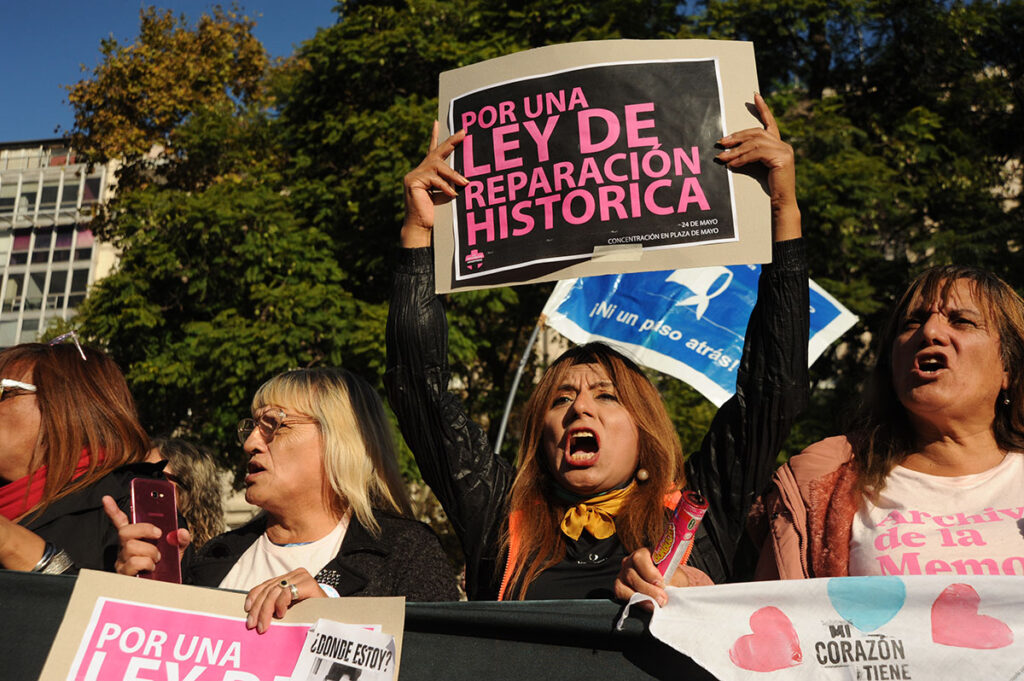
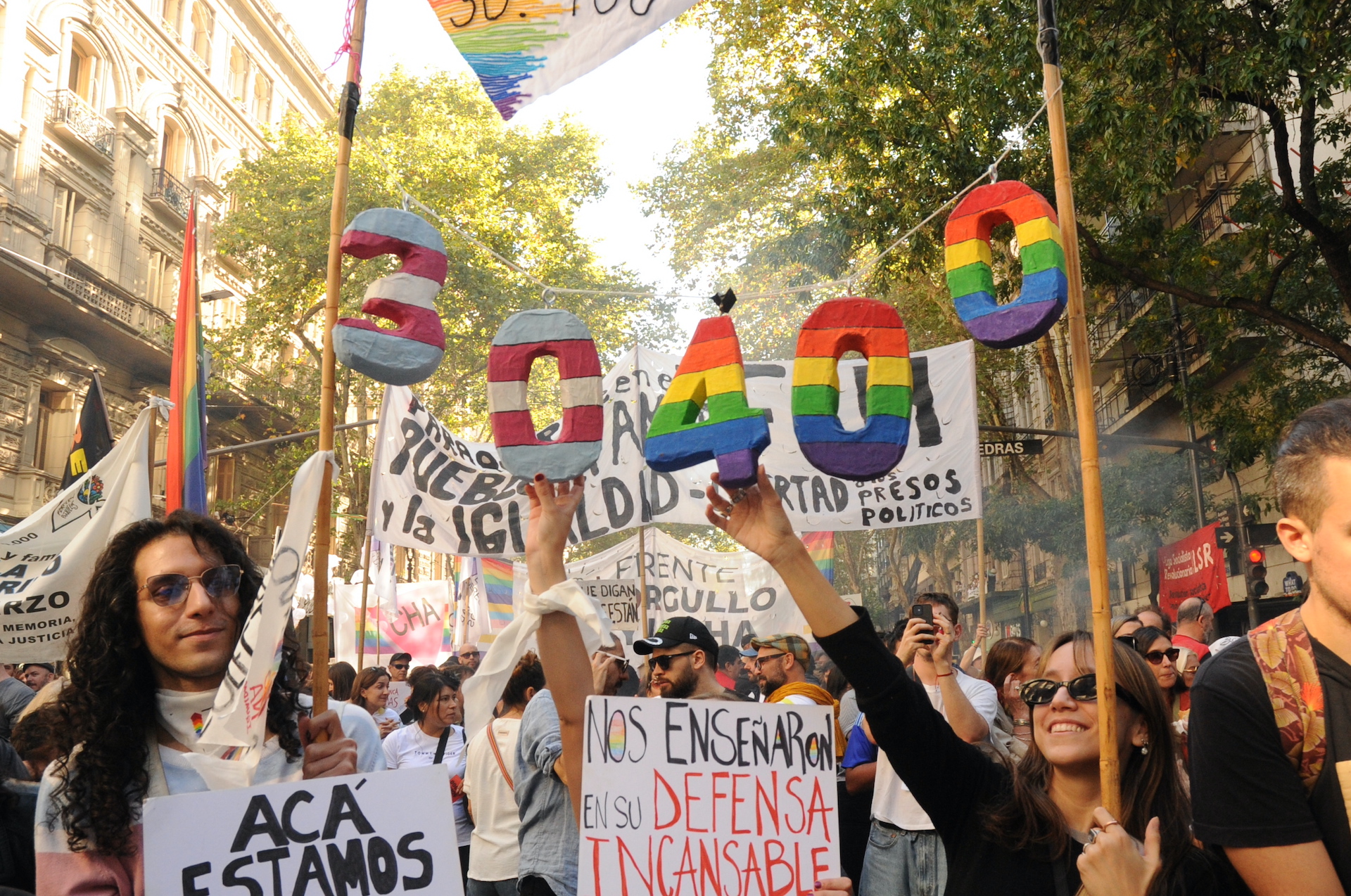
A few weeks ago, at a march demanding a Historical Reparations Law for trans and travesti survivors, Marcela Tobaldi, from La Rosa Naranja, told us about the immense impact of the Gender Identity Law. “Ten years ago, our average life expectancy was 35 years. Today, thanks to public policies, we aspire to five more years of life. Is there any other sector that has this average? The State has an immense debt to the trans and travesti community. And to historical reparations.”
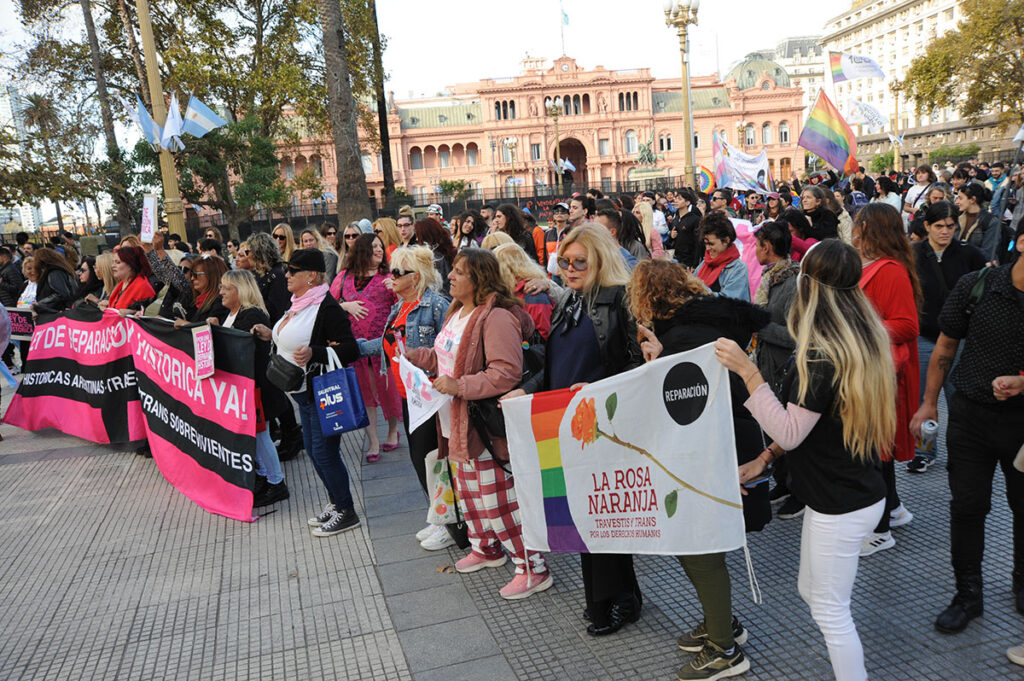
At Presentes, we are promoting a communication campaign to strengthen and defend the Gender Identity Law.
If you'd like to share its impact on your life, work, family, or friends, you can send us your testimony in a short text to agenciapresentes@gmail.com.
We are present
We are committed to journalism that delves into the territories and conducts thorough investigations, combined with new technologies and narrative formats. We want the protagonists, their stories, and their struggles to be present.
SUPPORT US

FOLLOW US
Related notes


We are present
This and other stories are not usually on the media agenda. Together we can bring them to light.