

Pride in photos: More than one and a half million people marched in Mexico City
More than 1.5 million people participated in the 47th LGBTIQ+ Pride March in Mexico City. There was also a counter-march, a protest against LGBTIQ+ violence and genocide.


Share

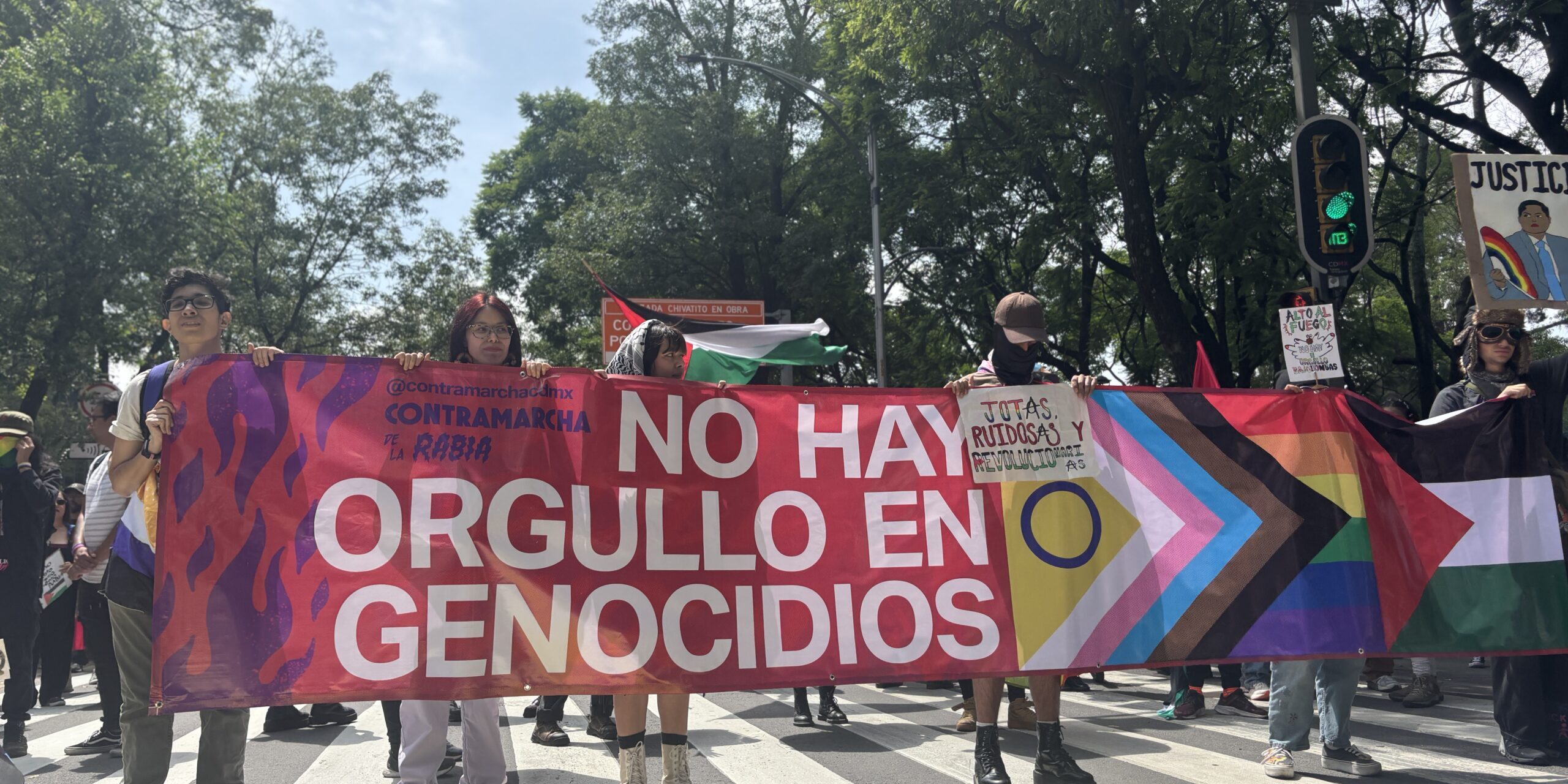
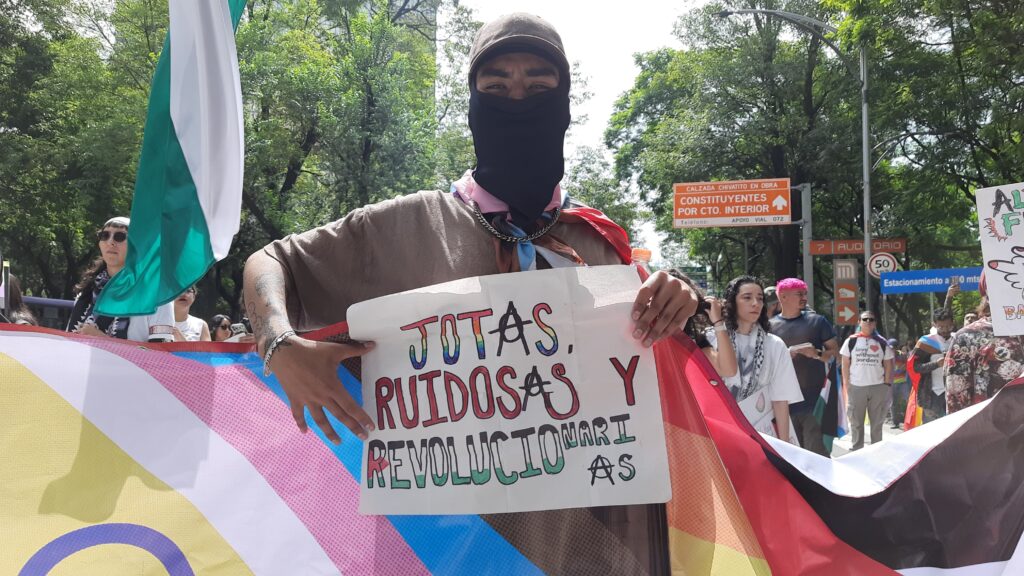
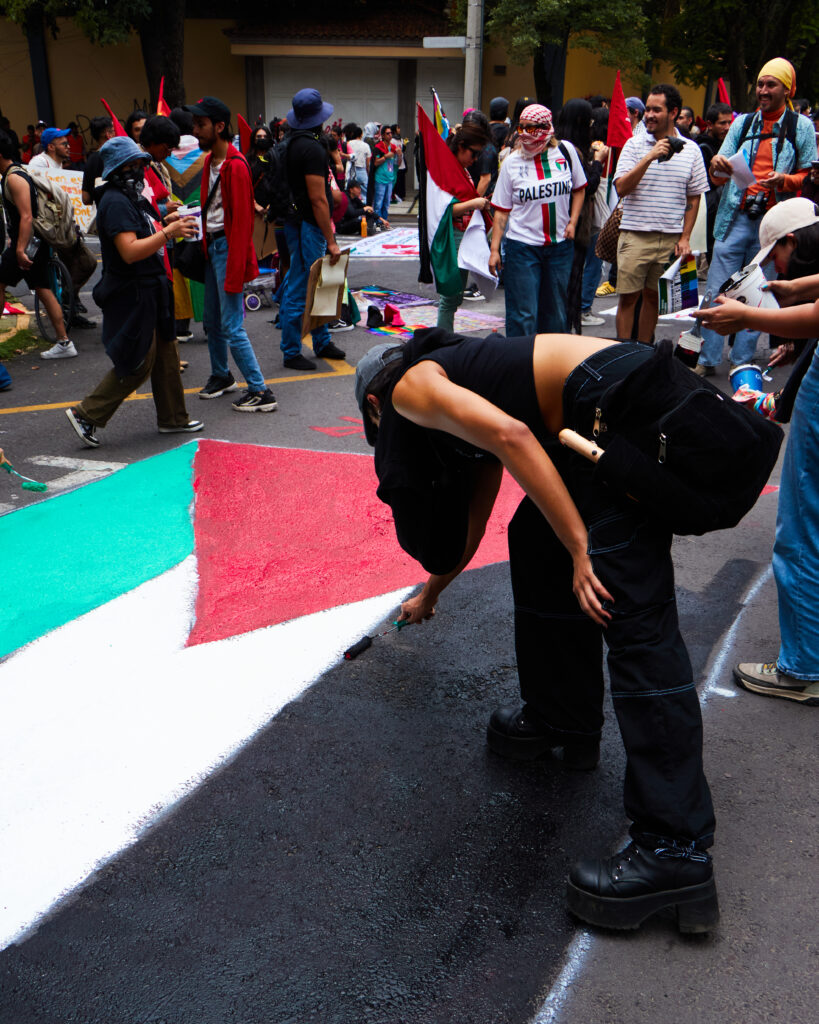
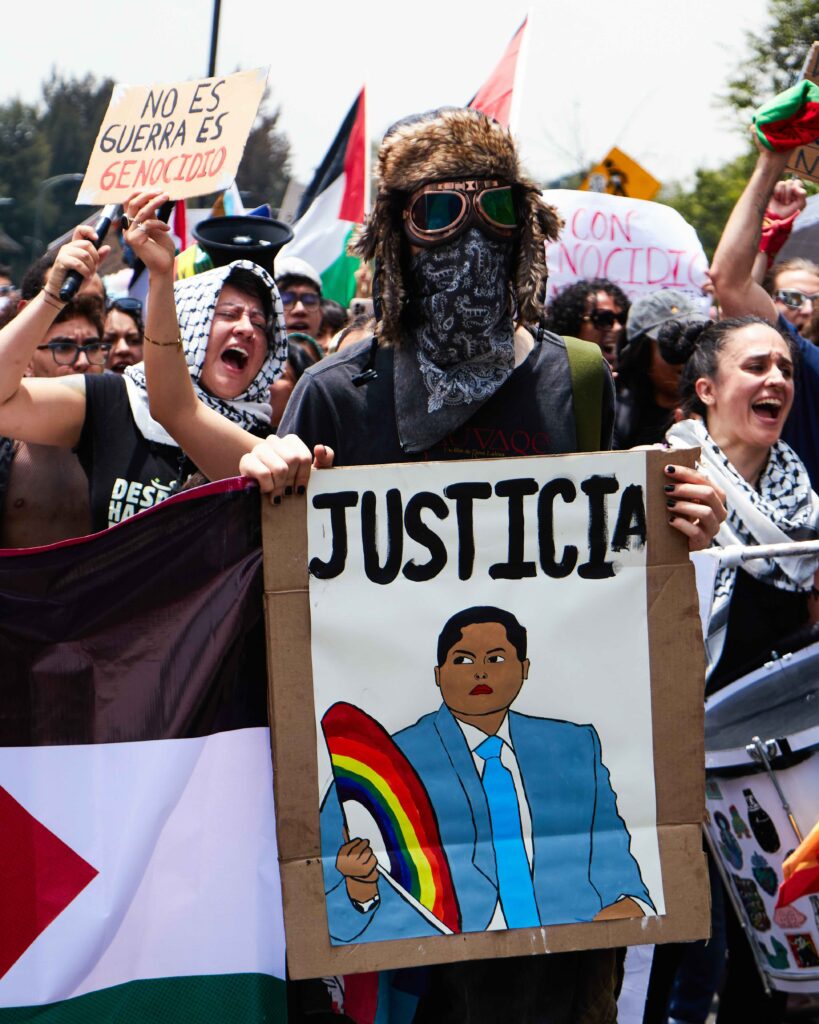
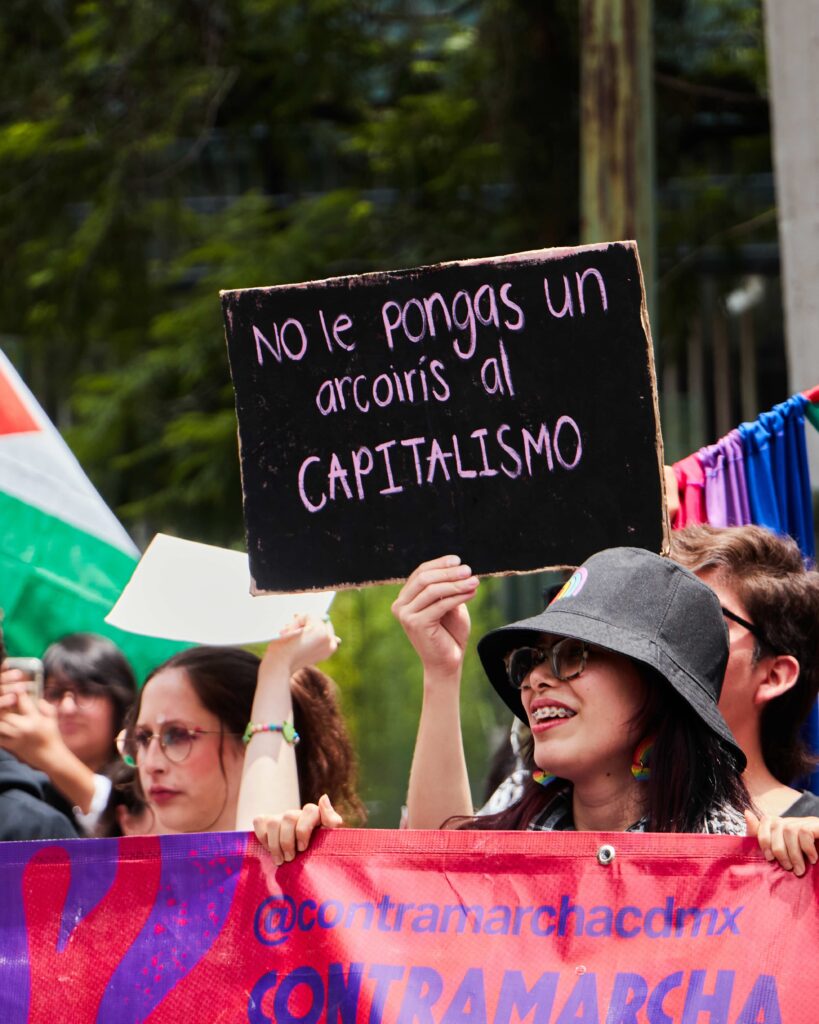
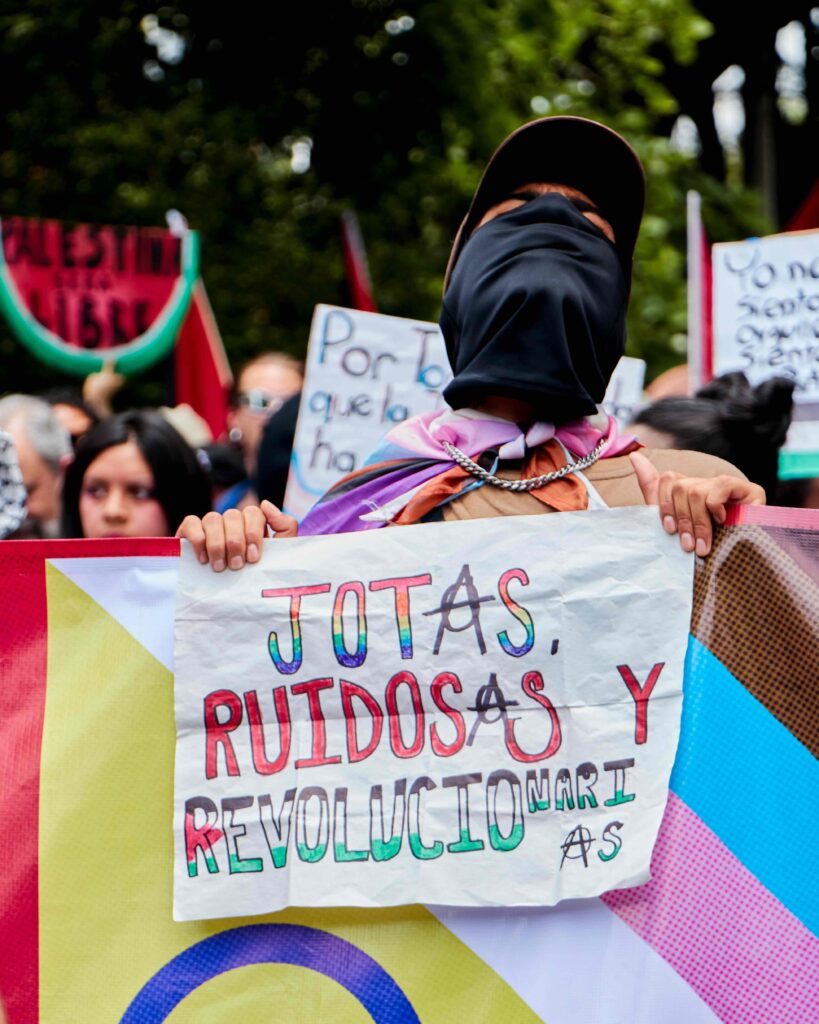
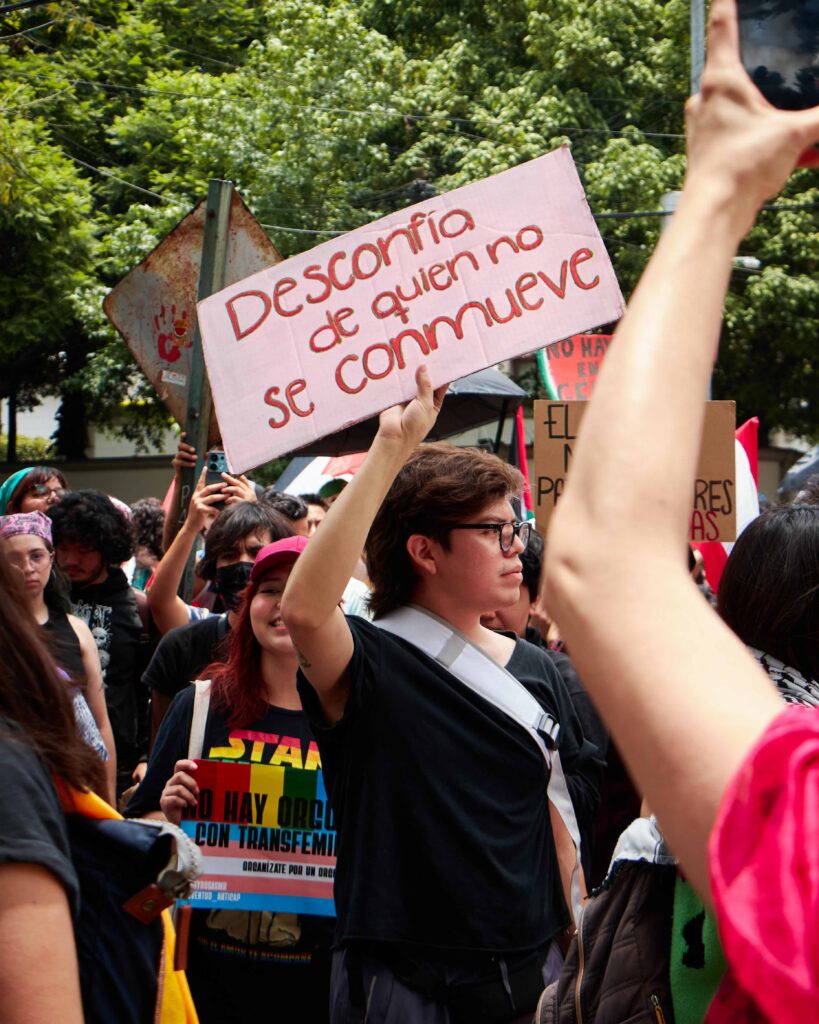
Mexico City, Mexico. More than 1.5 million people attended the 47th LGBTIQ+ Pride March in Mexico City . Meanwhile, several groups and organizations called for a counter-march, a demonstration of LGBTIQ+ rage . This counter-march focused on the outstanding rights of LGBTQ+ people and communities, and took a stand against the genocides in Palestine, Congo, and Sudan.
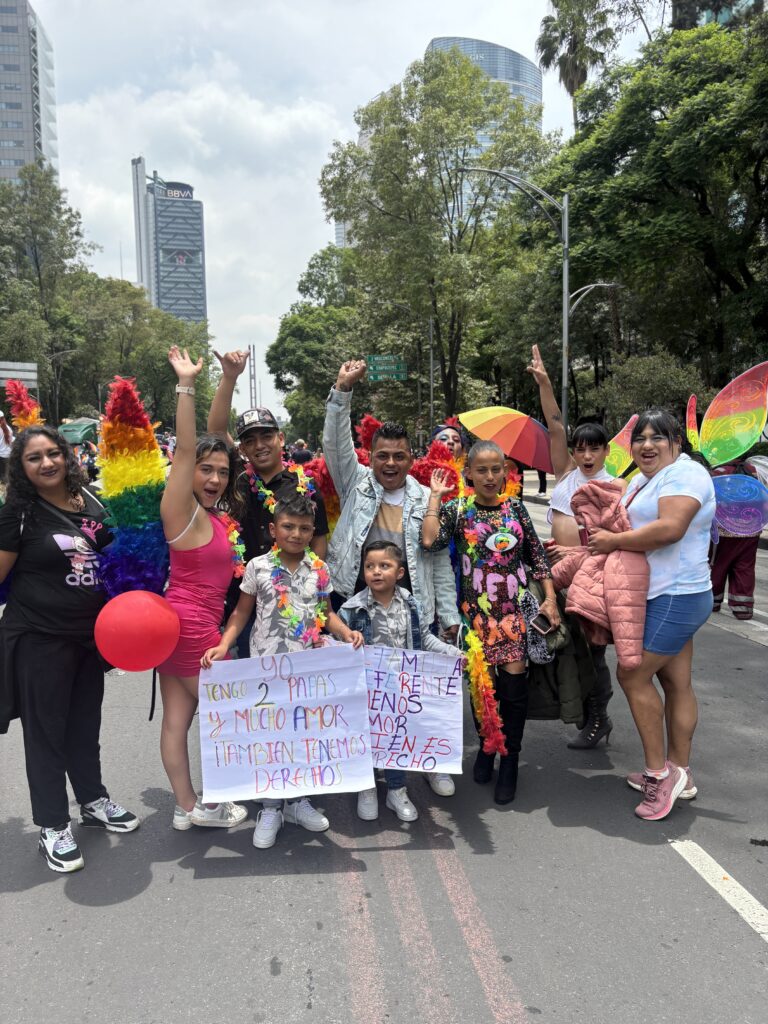
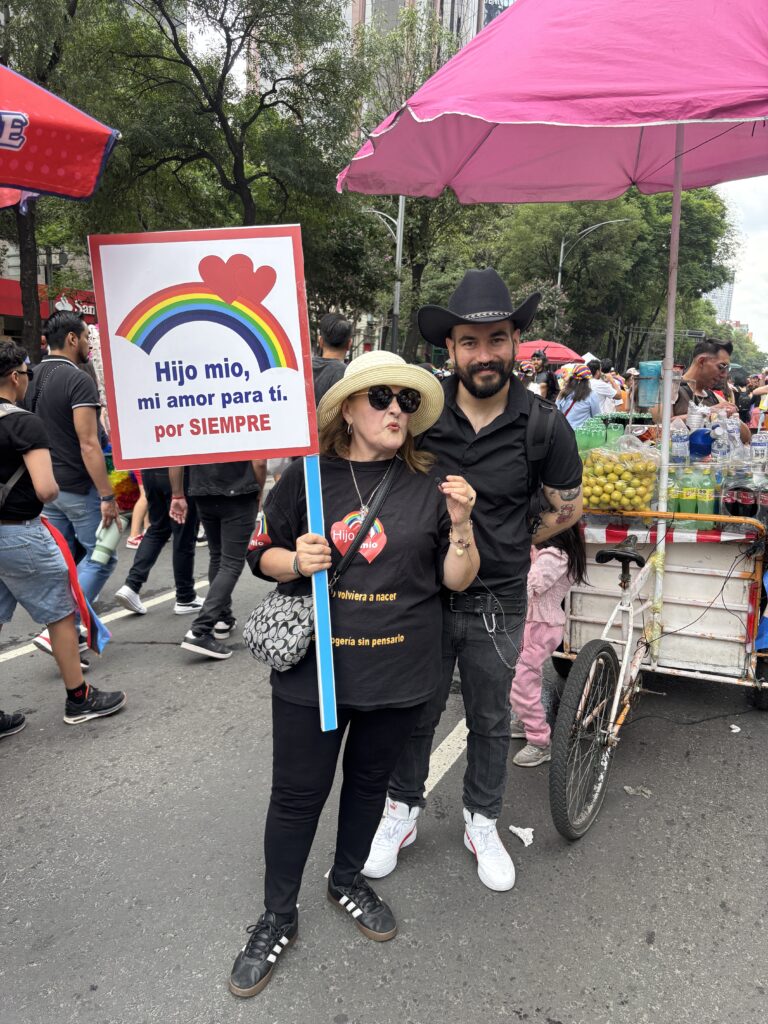
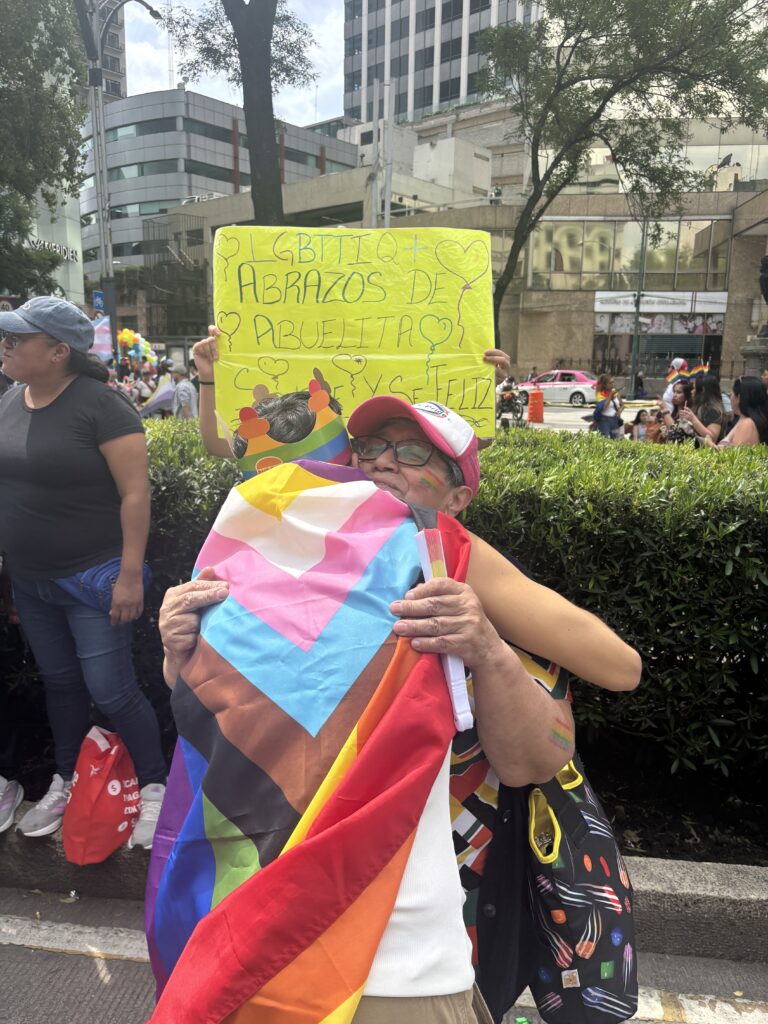
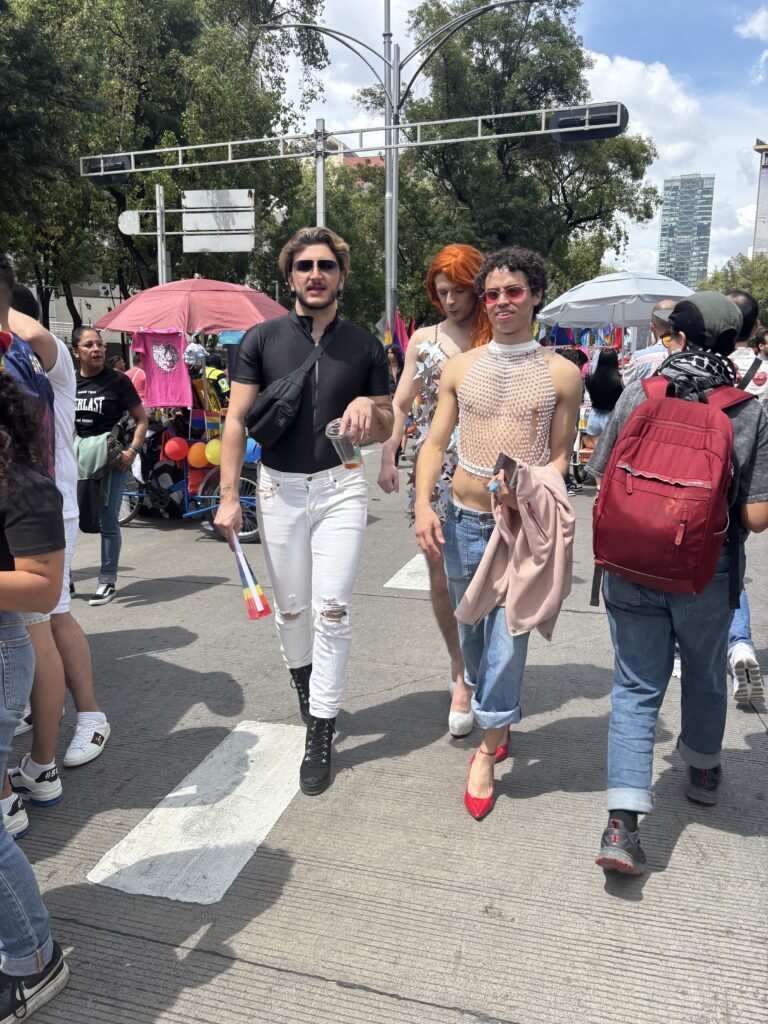
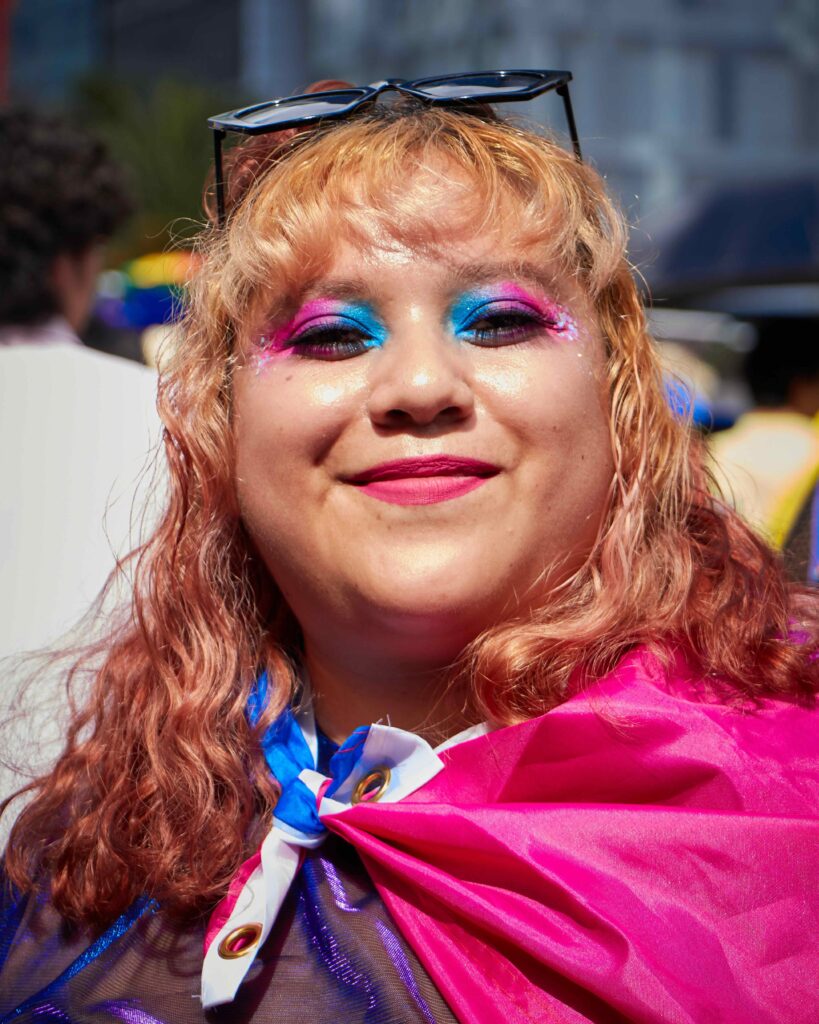
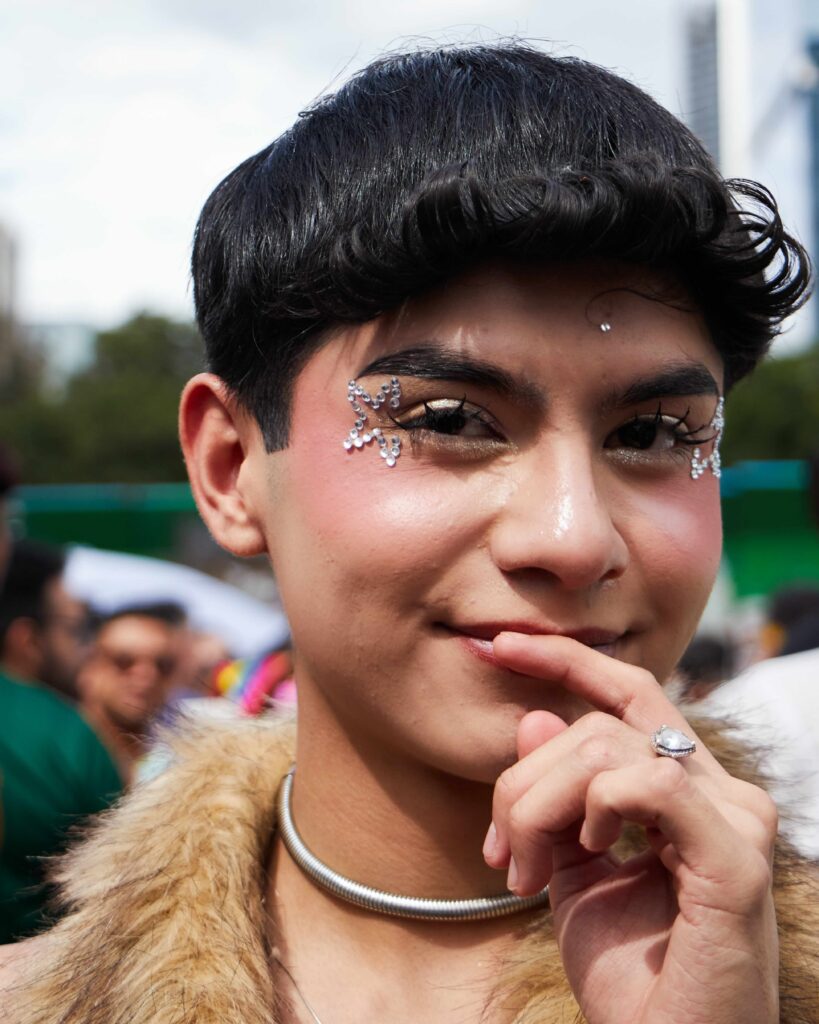
“In my family, heterosexuals are a minority.”
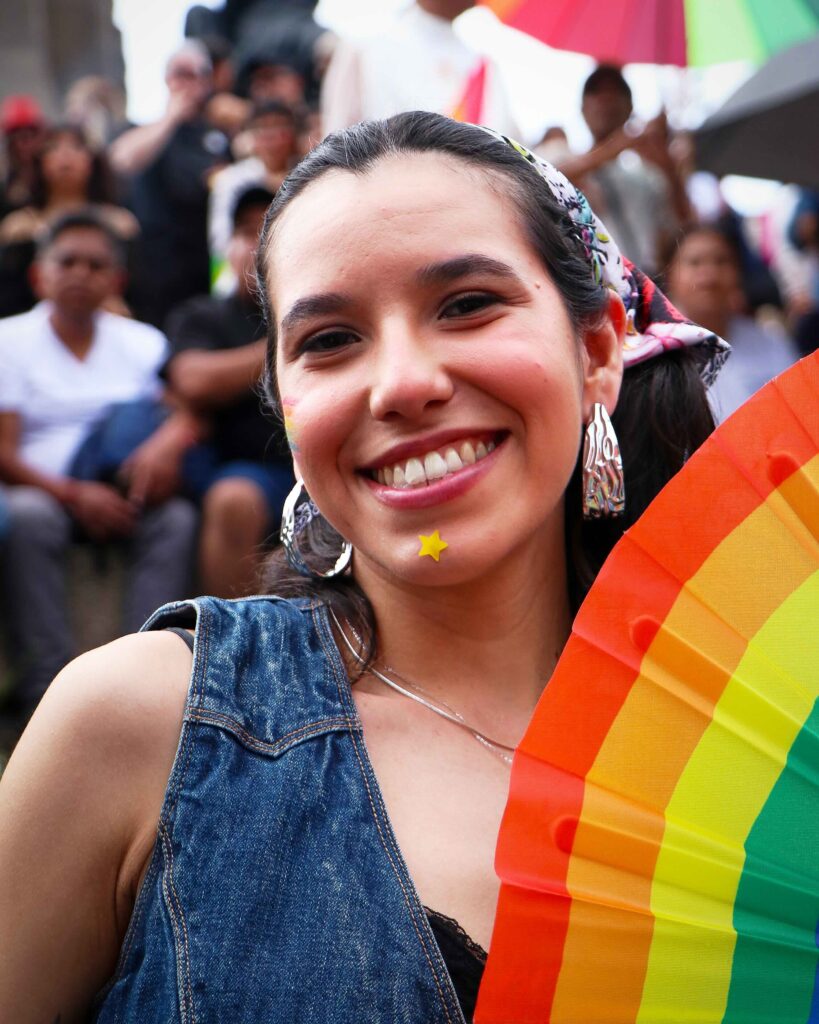
At Presentes, we focus our coverage on the importance of marching as a family and celebrating the diverse ways families are formed. Mothers attending the march with their children, gay fathers carrying their babies, groups of friends who come together when their families exclude them. They all form families and support each other, and they marched to celebrate Pride.
Throughout the journey, we spoke with some of them. “In my family, heterosexuals are a minority.” “I’m here with my chosen family.” “They support me immensely in every way and have never made me feel different or discriminated against. It’s something I’ll always be grateful for.”.
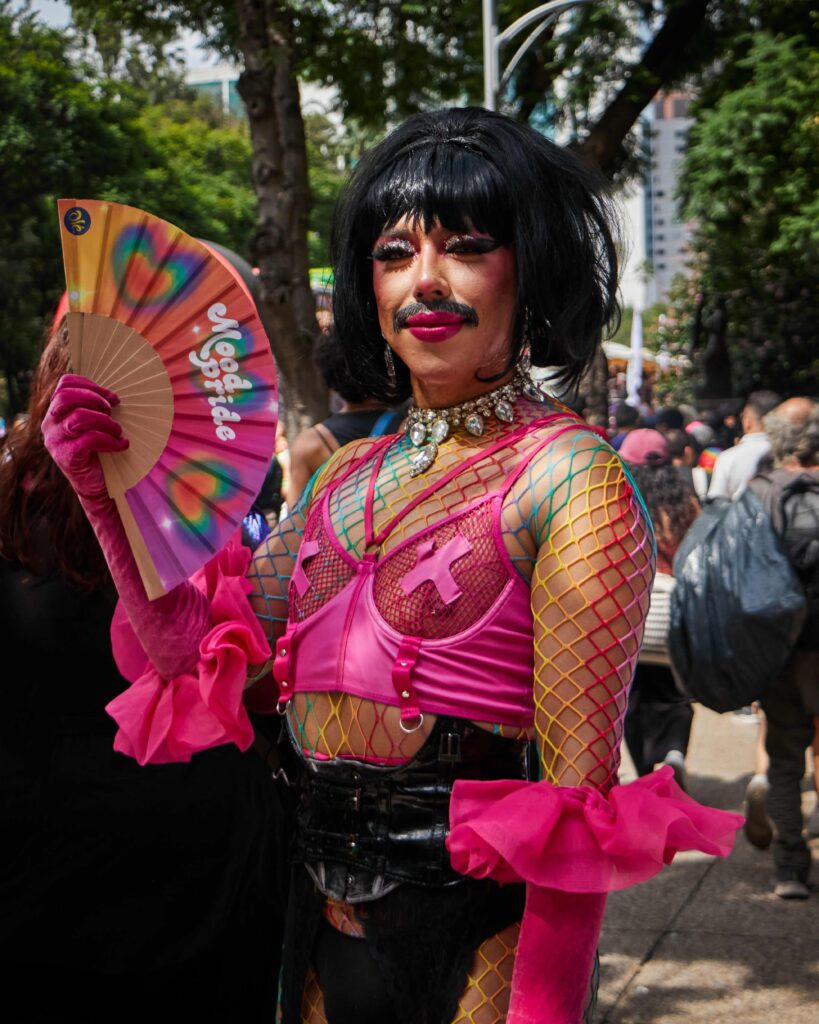
The massive march that traveled along Paseo de la Reforma (one of the city's main avenues) drew thousands of participants. It was a celebration filled with flags, signs with messages, and eyes painted in rainbow colors. Brands and political parties were also present.
Those who attended were mostly young people, many of them marching for the first time, and they proudly displayed their clothing, high heels, and makeup. On the cars that paraded, people waved flags, blew kisses, and danced. Brands and political parties were also present.
Debts in LGBTIQ rights
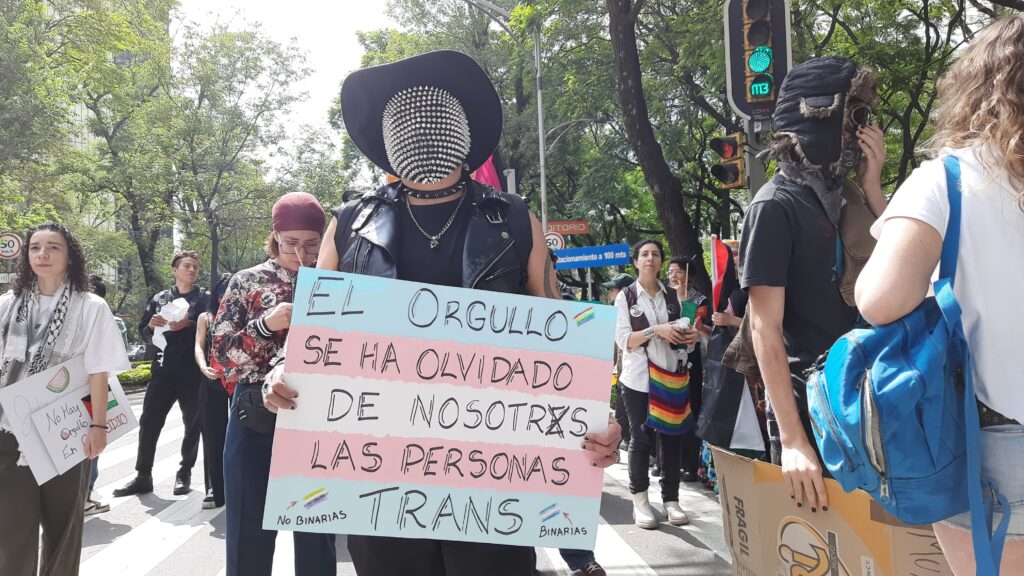
The Dissident Bloc brought together a group of organizations, including Lleca , VIHve Libre, and Amets. Their slogans addressed the outstanding issues that the Mexican State owes, especially to trans populations who are homeless, engage in sex work , use substances, and live with HIV.
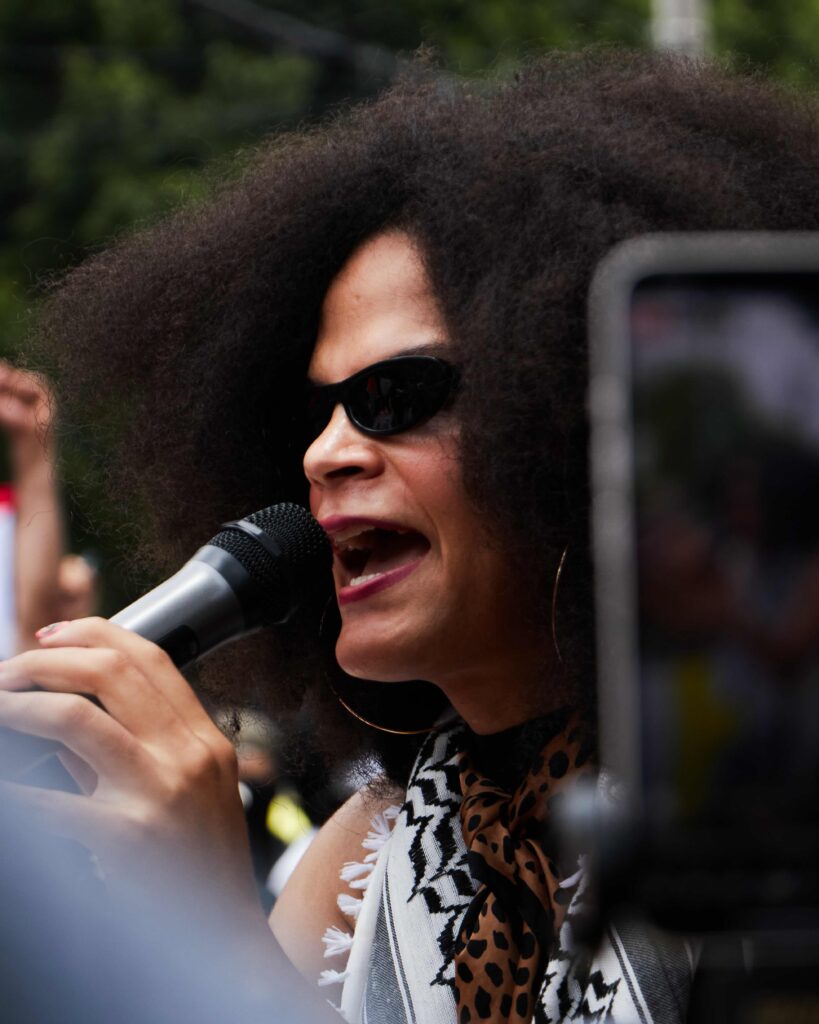
“The urgent and pending issues are also outside the City. There are people, especially trans women, who need housing, social security, job stability, and all of that cannot be solved with a colorful river and by ignoring what is wrong,” said Alaín Pinzón, a defender of the rights of people living with HIV.
The main demand of this contingent is that the Mexican State comply with the Comprehensive Trans Law, and with recommendation 42/2024 of the National Human Rights Commission, which seeks to guarantee access to health, education, housing, culture, work and justice, and demands the lack of legislative harmonization at the constitutional level on the rights of Mexican trans people.
“Not in our name”
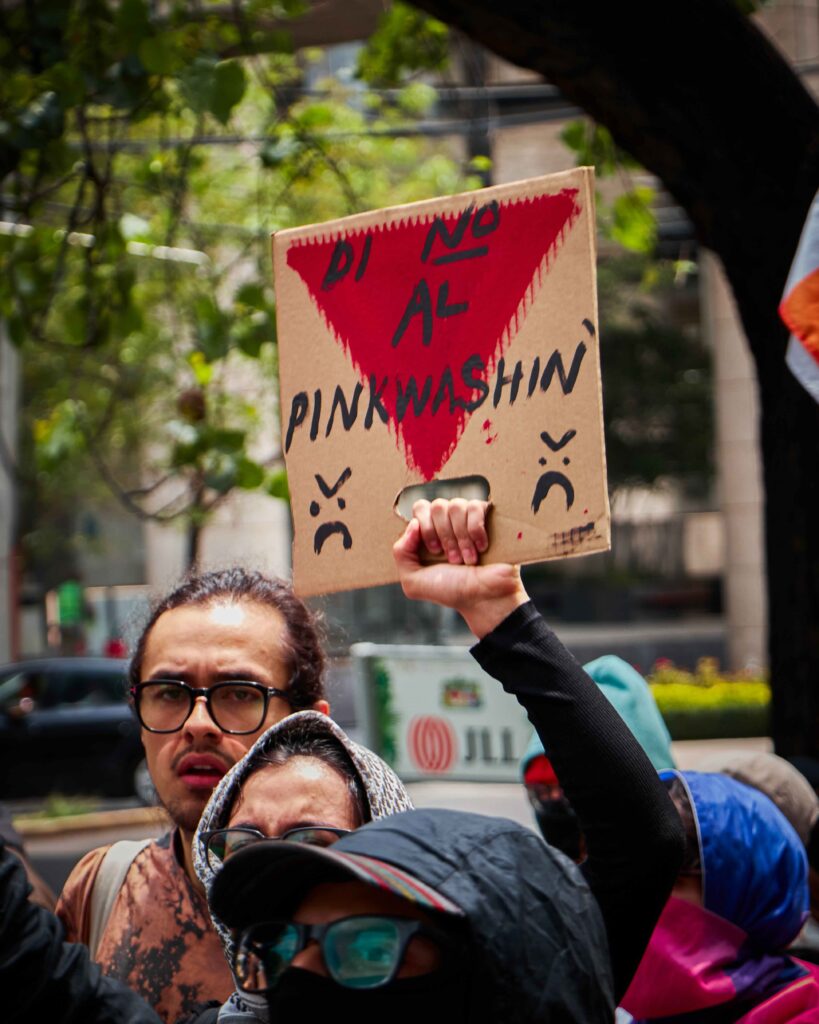
Groups, organizations, and individuals who have taken a stand to reclaim the spirit of anger, resistance, and struggle marched to the Israeli Embassy. Under the slogan "Not in our name," this protest brought to the forefront the human rights crisis in Mexico and positioned itself against the processes of colonization and genocide in Palestine, Congo, Sudan, and Haiti.
“Let Pride not be a celebration of pinkwashing or genocide. Let it be a form of resistance. And let rage be the emotion that articulates all our collective actions,” Mikaelah Drullard, writer and activist, told us.
She also demanded justice “for the victims of hate crimes and patriarchal, racist, and classist violence. An end to militarization and state violence . Truth and justice for the disappeared. Not one step back on labor rights; approve the 40-hour workweek now.”
Juntes Narramos is a project by Malvestida , Volcánicas , GirlUp , Balance and Presentes to strengthen and amplify the voices of young people through narratives of diversity.
We are present
We are committed to journalism that delves into the territories and conducts thorough investigations, combined with new technologies and narrative formats. We want the protagonists, their stories, and their struggles to be present.
SUPPORT US

FOLLOW US
Related notes


We are present
This and other stories are not usually on the media agenda. Together we can bring them to light.