
 Support us

Queer resistance in the Embera Katío community: art and political organization
Trans women and gay Embera Katío men from Alto Sinú, Colombia, suffer patriarchal violence in two ways: from criminal armed groups and from their own community.
Trans women and gay Embera Katío men from Alto Sinú, Colombia, suffer patriarchal violence in two ways: from criminal armed groups and from their own community.
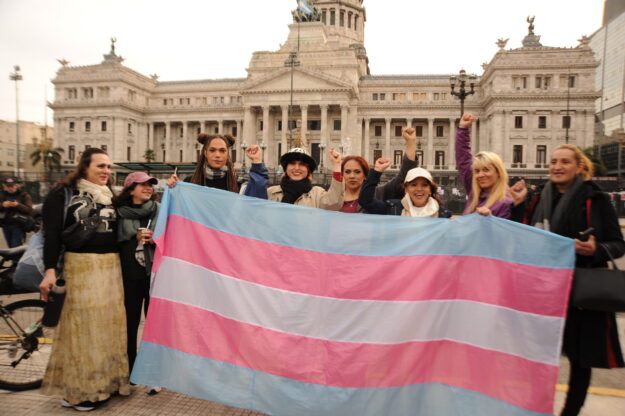
Nearly 20,000 people have legally changed their gender identity in Argentina. We asked our community how this pioneering law—now under attack and threatened—has changed their lives. Here's what they told us.

La Chola Poblete is becoming an iconic visual artist worldwide. Her work fuses indigenous culture, queer brown identity, pop culture, and transvestite fury. We interviewed her in her studio in San Telmo.
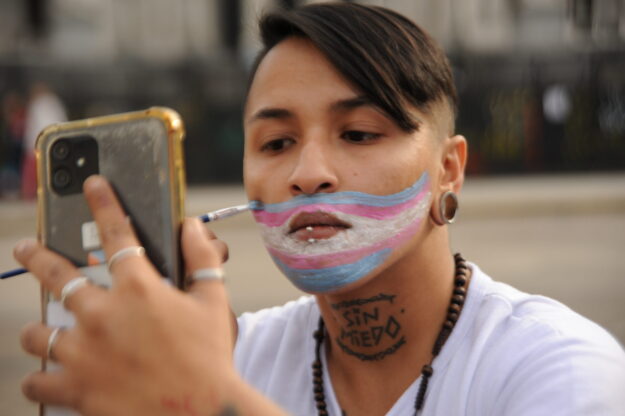
Scientific evidence supports their use in treatments for transgender youth, but governments criminalize them. What are hormone blockers? The risks of denying access to gender-affirming healthcare.
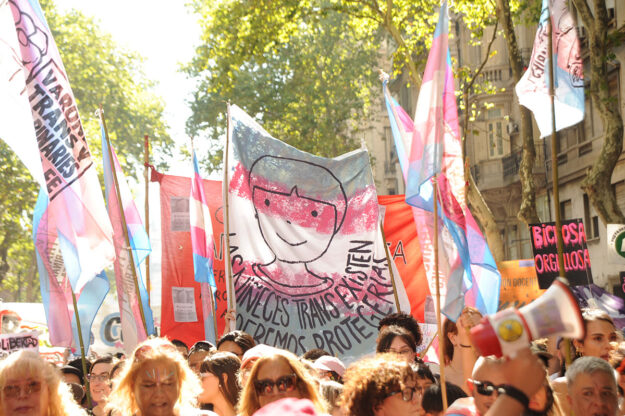
Activist responses to the PRO and La Libertad Avanza representatives' bill against the pioneering spirit of Argentina's Gender Identity Law. What are the crucial points they are seeking to change with deceptive rhetoric to defund rights?
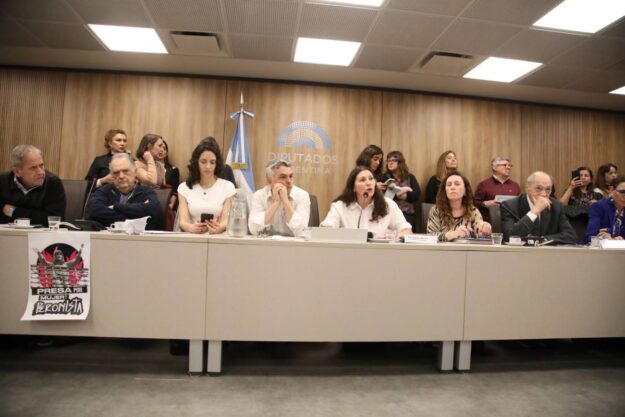
Representatives from various sectors—feminist and sexual diversity activists, journalists, and human rights activists—met with the Chamber of Deputies' Women and Diversity Commission to denounce the persecution and harassment orchestrated by the executive branch. Several bills against political violence and censorship were passed.
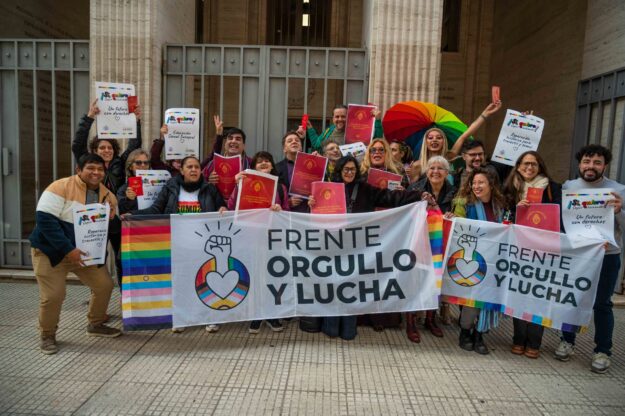
In front of the Civil Registry of the City of Buenos Aires, activists for sexual diversity held a "libretazo" (a protest) to celebrate the 15th anniversary of the Equal Marriage Law.
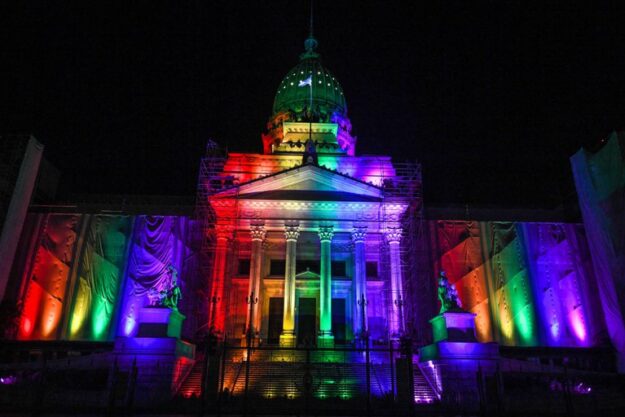
After years of struggle, the LGBT movement achieved one of its most important achievements with the approval of same-sex marriage. Argentina was the first country in Latin America to have this right and the tenth in the world. Activists share their experiences as activists and their lives after marriage.
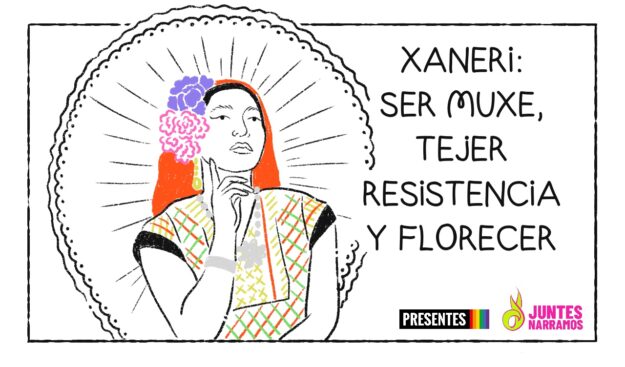
She grew up as a muxe girl in the Isthmus of Tehuantepec. In the city, she experienced sexist violence and called herself a transmuxe. Everywhere she goes, she is Xaneri, the one who weaves with her ancestors and lives her identity without fixed categories, embodying diverse childhoods and adolescences.
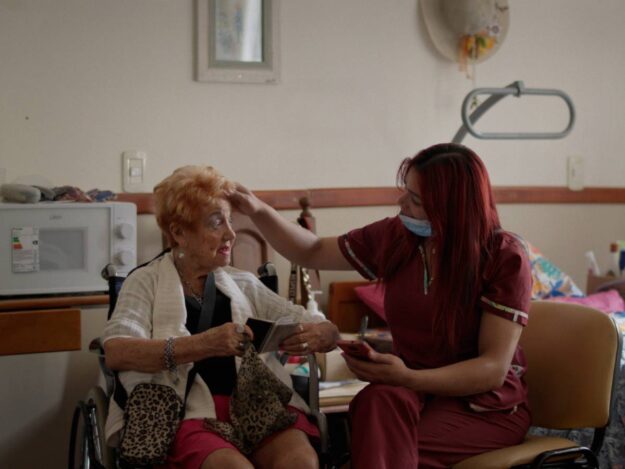
Diversity in the world of care is told in an Argentine documentary about trans women who gained access to the Santa Ana public nursing home through the job quota law.