

Latin America transformed Pride into resistance to global hate
Thousands of people took to the streets to celebrate Pride and amplify their demands with a collective embrace in response to the advances of the right wing. Our special coverage with photos and social media from Latin America.


Share

From Buenos Aires (Argentina): Agustina Ramos, Maby Sosa, Lucas Fauno Gutiérrez, Ana Fornaro and María Eugenia Ludueña. Photos: Ariel Gutraich. In alliance with Tiempo Argentino. Asunción (Paraguay): Juliana Quintana. Photos: Jessi Insfrán Pérez. Lima (Peru): Gianna Camacho. Photos: Courtesy of Alfonso Silva Santisteban. Mexico City (Mexico): Geo González and Milena Pafundi, in alliance with Malvestida (Juntes Narramos).
(News updated 14.30 UTC-3)
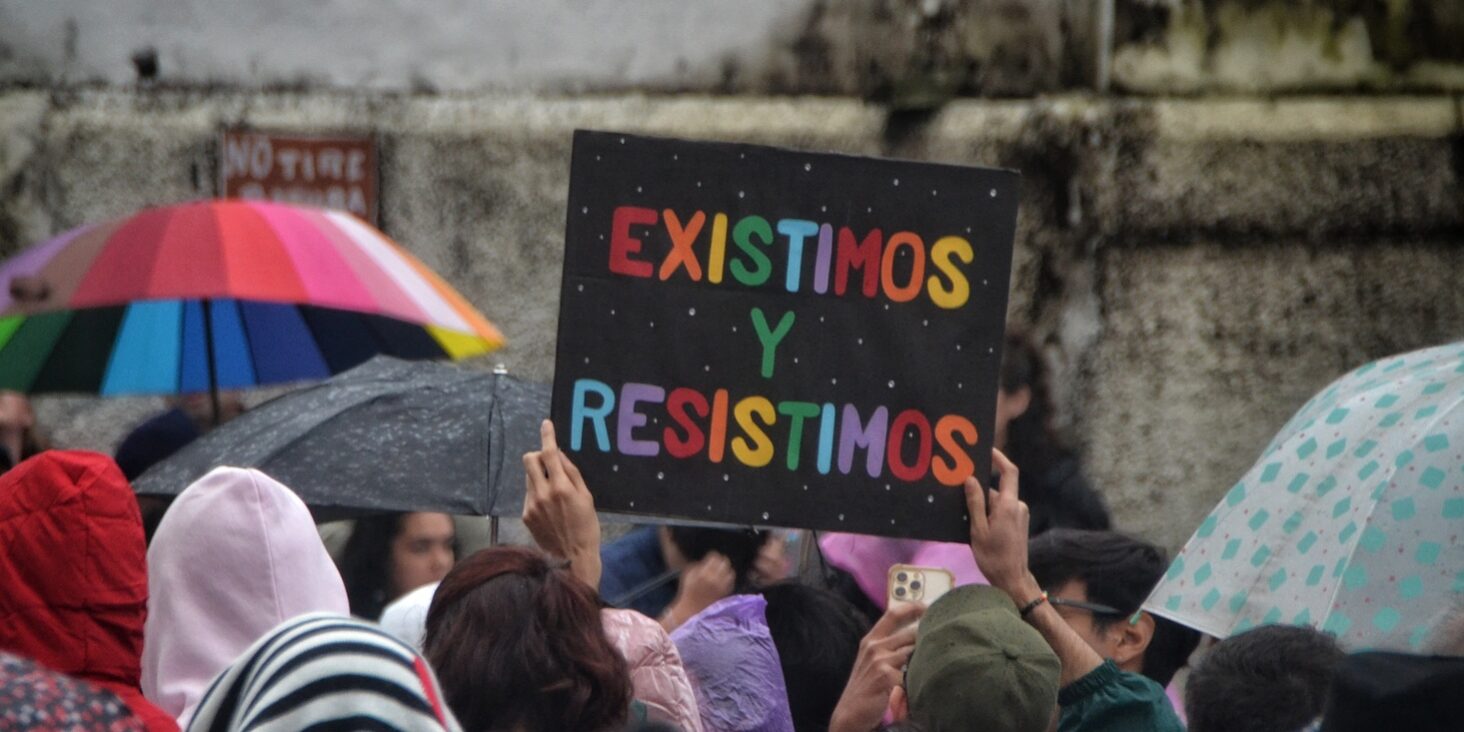
Thousands of people commemorated Pride in Latin America on the anniversary of the Stonewall Riots. Around the world, June 28, 2025, was marked by resistance to the violence escalating in many countries. Each nation put its own stamp on this global event, with local messages, but also with an eye toward a global alliance against hate, beyond borders. That was the message on so many banners in Buenos Aires, Mexico City, Asunción, and Lima.
On June 28, the world celebrates International Pride Day. It commemorates the Stonewall Riots (United States, 1969) where LGBTQ+ people resisted violent police raids.
In Budapest, Hungary, a massive march went viral on social media. Thousands of people took to the streets to defy Prime Minister Viktor Orban's ban on the march and LGBT people.
Pride in Argentina: "Unity is the answer"
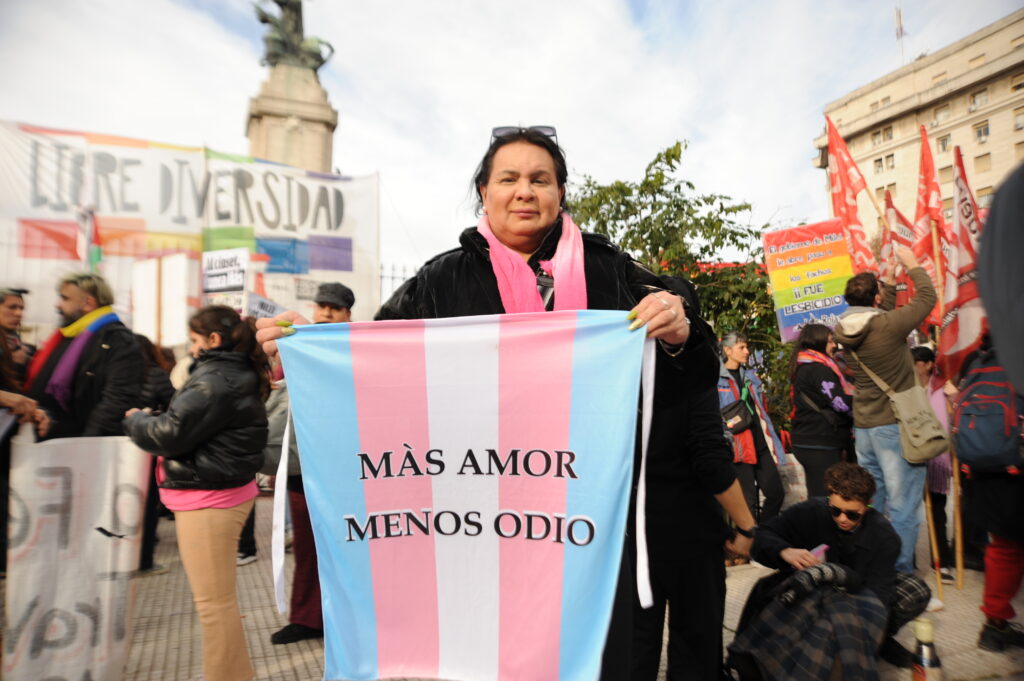
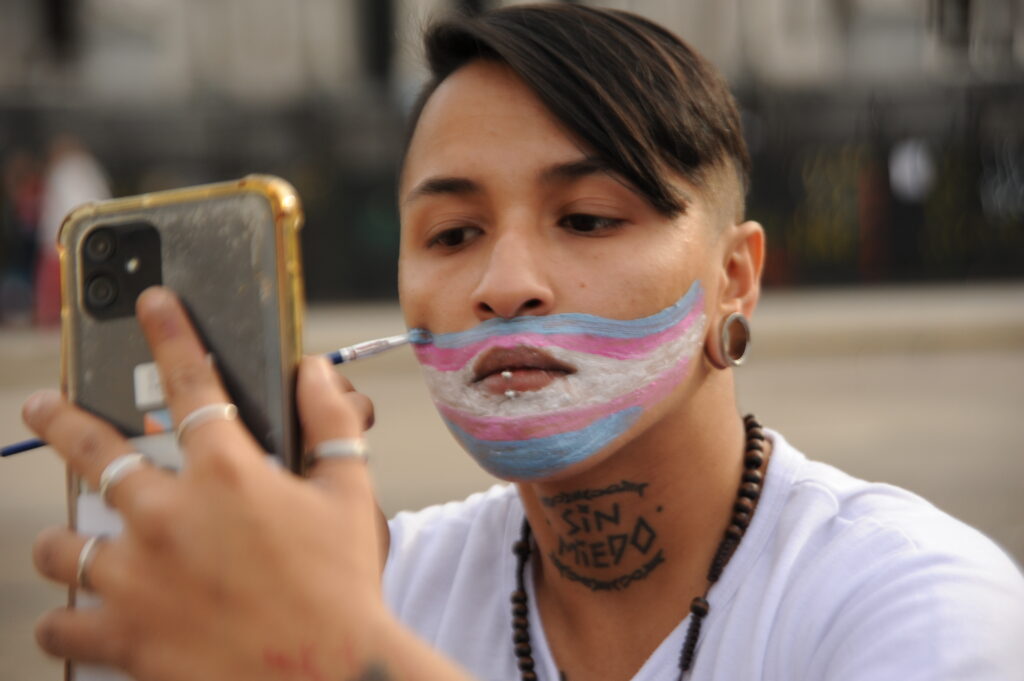
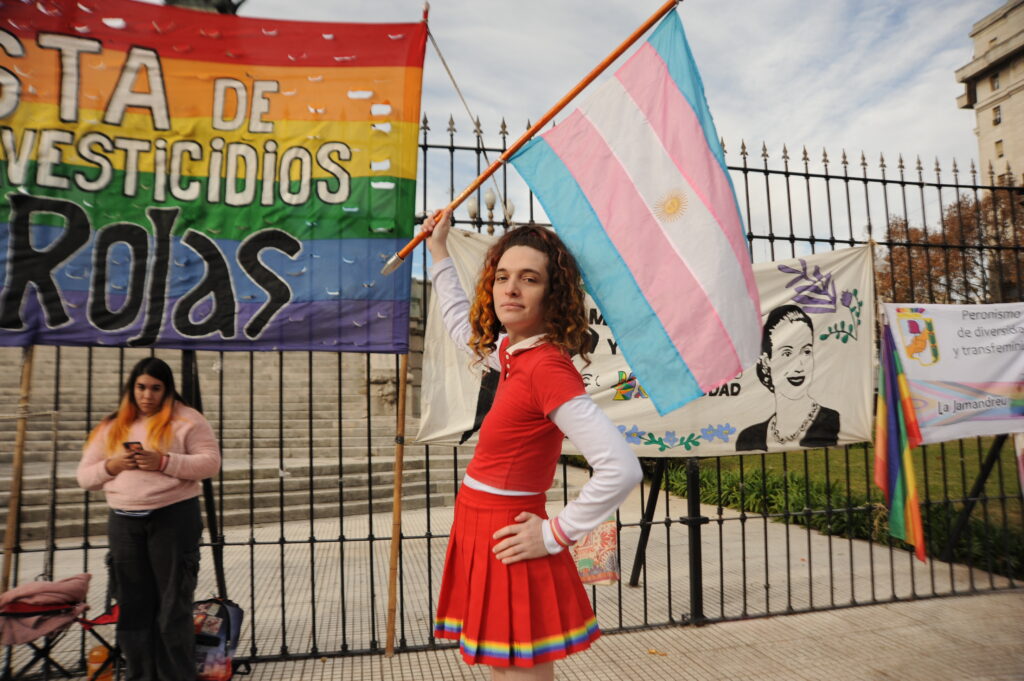
In Argentina, the anniversary was experienced through the lens of local identity. Pride has been celebrated in November since 1997 to protect people with immunodeficiencies from the cold. However, for the past nine years, this date has also had a different purpose: to demand justice for transvesticide, transfemicide, and trans homicide.
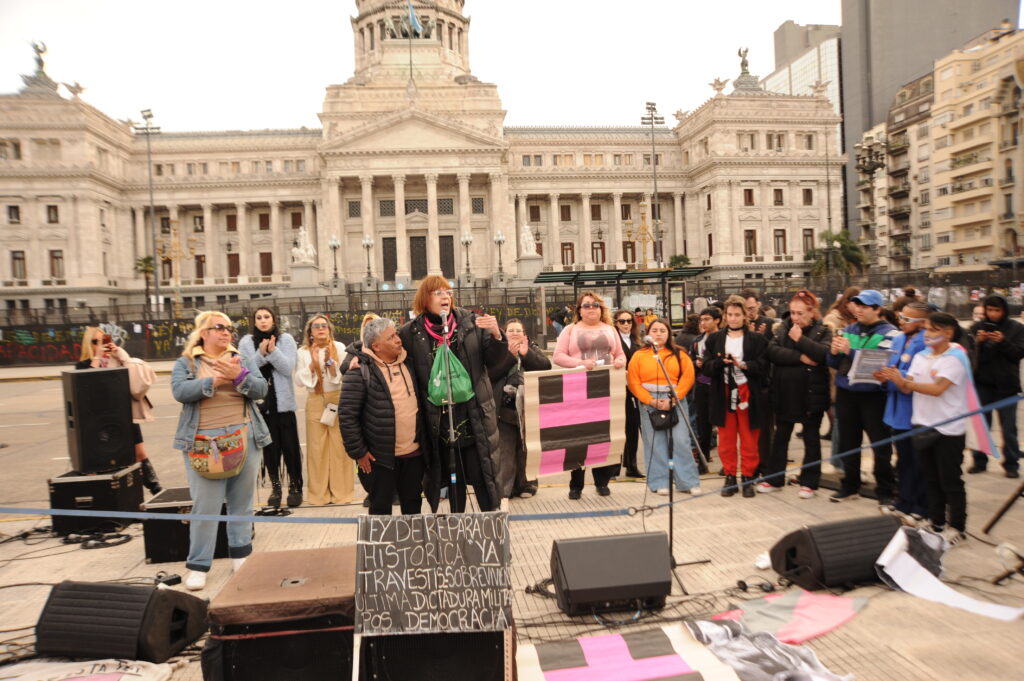
The demonstration began at noon in front of Plaza de los Dos Congresos. There was music, dancing, performances—Sudor Marika brought the event to a close despite the freezing cold—a communal meal, and the reading of a document outlining a series of demands. These included reparations for older trans and travesti people, the defense of the Comprehensive Sex Education and Trans Employment Quota laws, and an end to the murders of trans people. This year, the violence experienced in other parts of the world, such as Palestine, and the unity of different struggles were strongly present both in the streets and in the document.
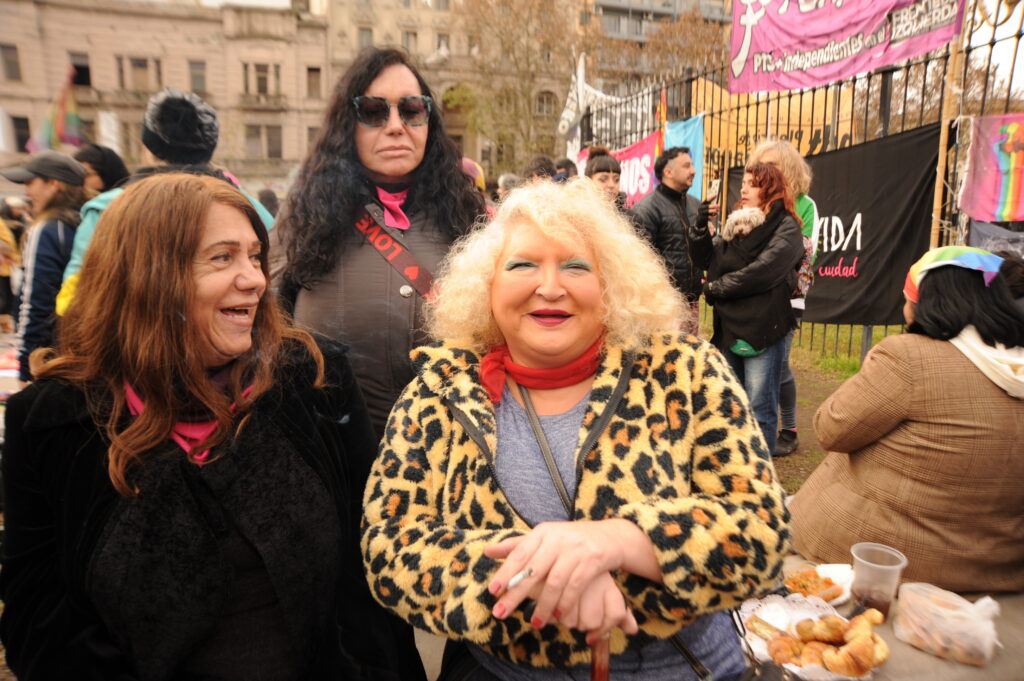
“For nine years, we have decolonized Pride Day by saying 'Stop the transvesticides', after the cruel transvesticide of Diana (Sacayán),” recalled Geraldine “Sher” Lescano, a trans activist, in the Plaza de los Dos Congresos.
“Today we also feel it’s important to talk about international issues, about what’s happening, for example, in Gaza. Who better than us, as the transvestite, transsexual, and transgender community, who know what genocide perpetrated by a state is and have been experiencing it for decades?” the activist added. “We are here demonstrating that unity is the answer. Because we are also fighting for the doctors at Garrahan Hospital, for the professionals who work for the national government, for every single retiree.”
Pride in Paraguay: "Where we exist, there is revolution"
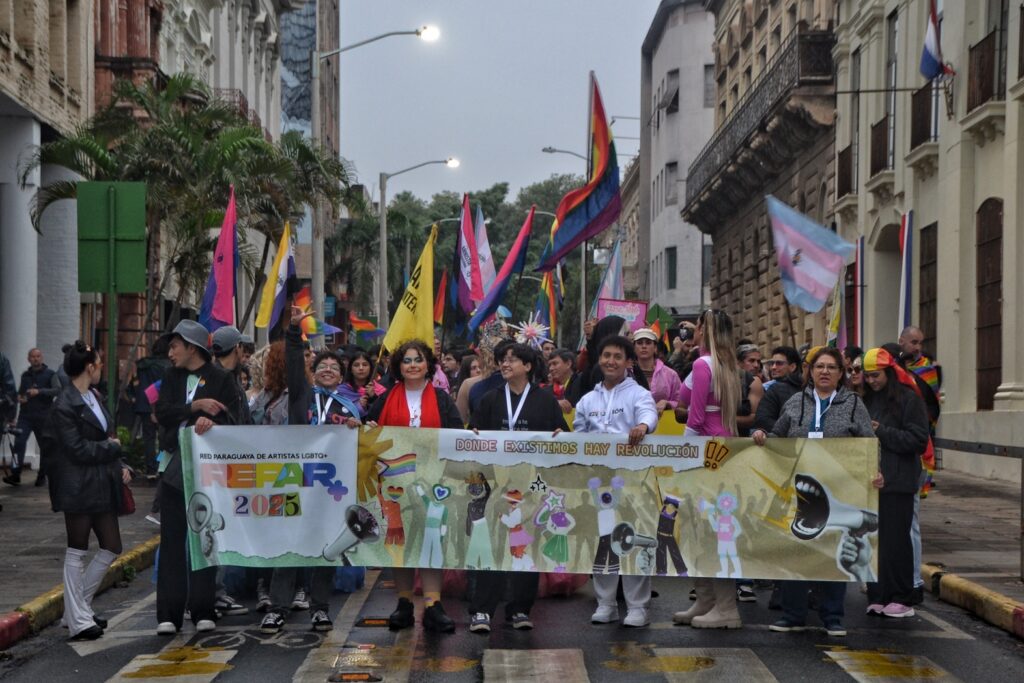
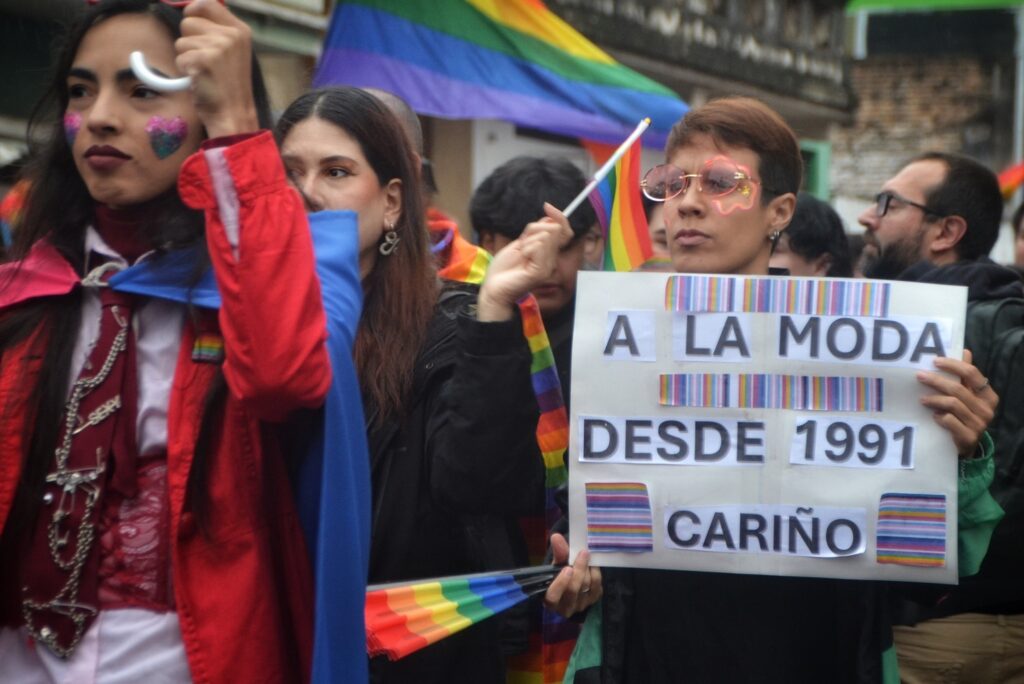
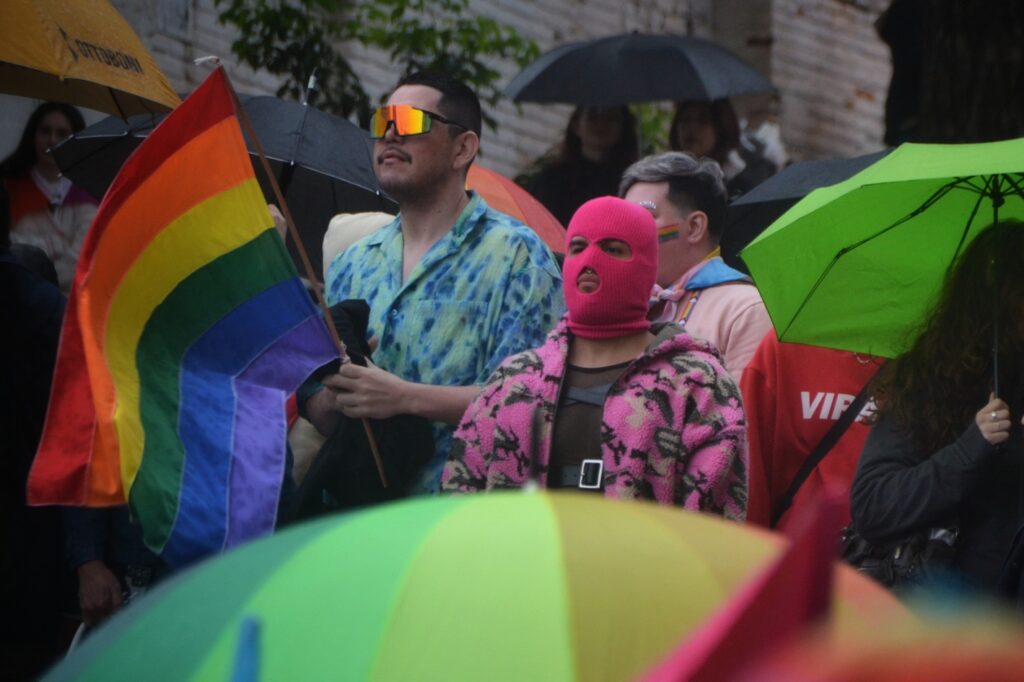
In Asunción, for the second year in a row, a counter-march to Pride Day was held, organized by the Paraguayan Network of LGBTQ+ Artists (Repar). With the slogan "Where we exist, there is revolution," hundreds of people gathered starting at 4 p.m. at the Antequera Steps, a historic site of struggle and resistance, and marched towards the intersection of O'Leary and Estrella streets, in front of the Pantheon of Heroes.
“In Paraguay, where hate speech is legitimized from positions of power, taking to the streets remains a necessity,” the organization stated. “Today more than ever, we march to make it clear that we exist, we resist, and we are building a future.”
“In the current social and political context, it is essential to remember that we are also part of this citizenry. We work in companies, we pay taxes, we contribute to development like any other Paraguayan. We are not breaking any rules by expressing affection, holding hands, kissing, or hugging our partners. These very human gestures are protected by the National Constitution,” says Hugo González, from @reparoficial.
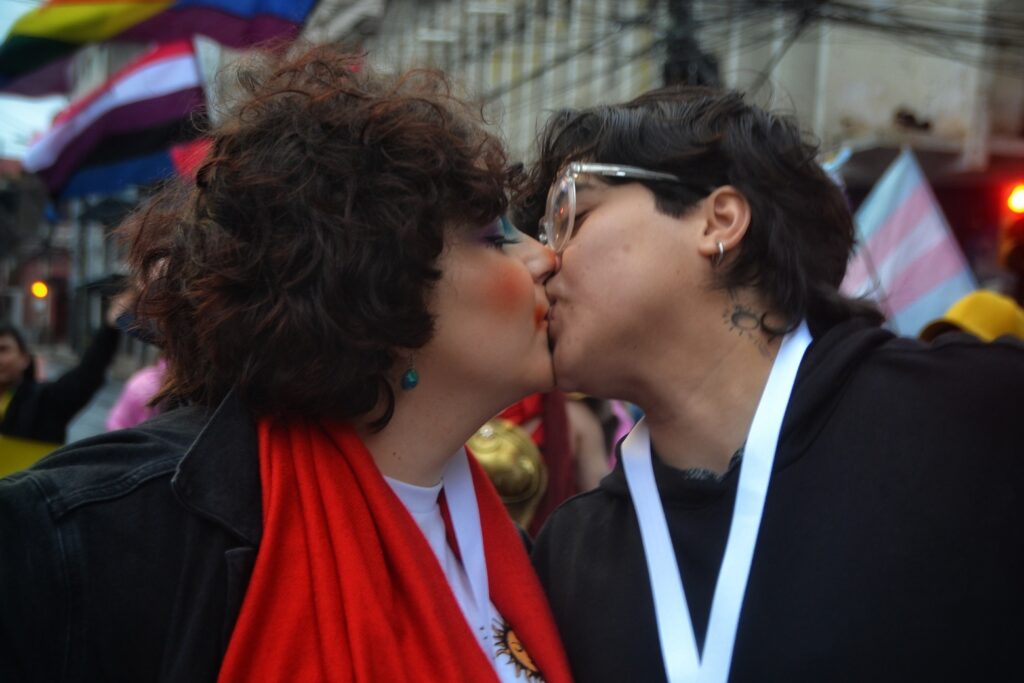
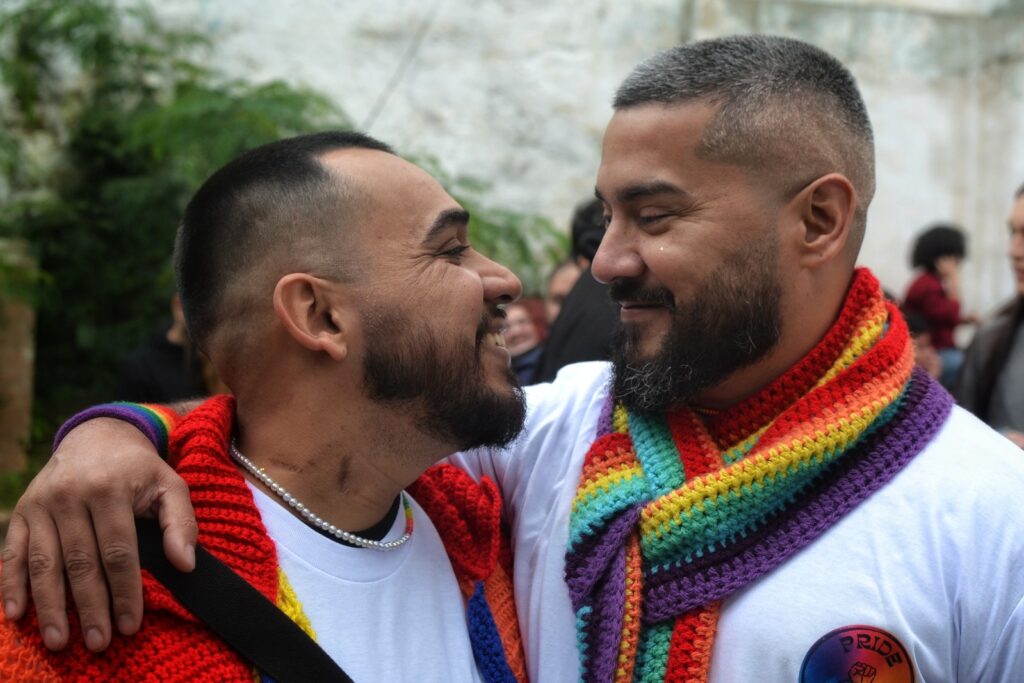
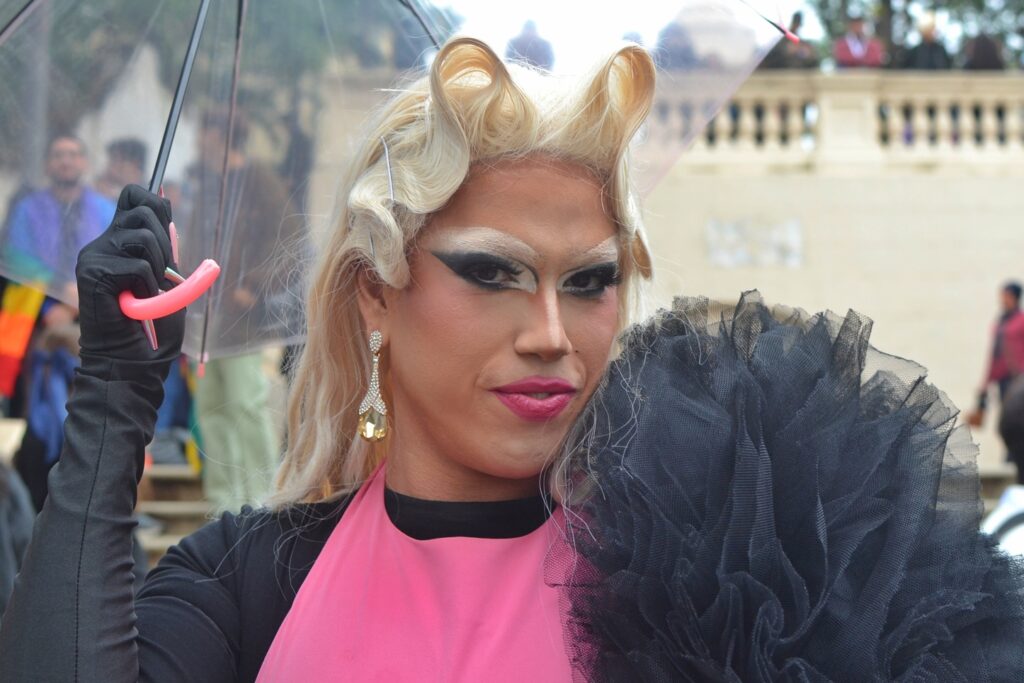
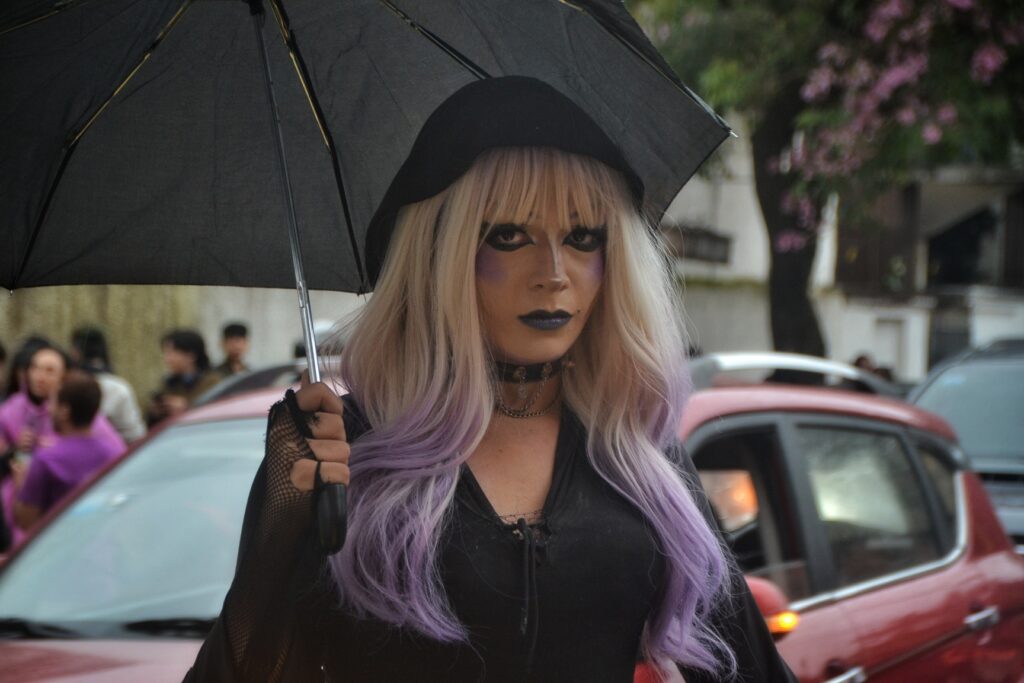
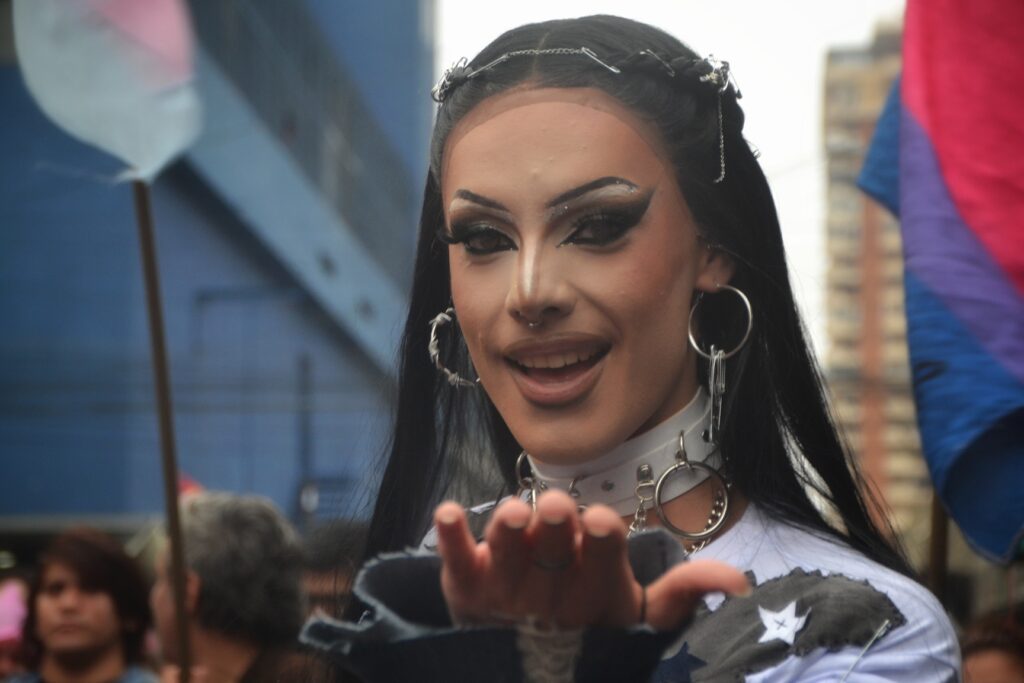
At the same time, as every year, SomosGay celebrated the Paraguay Pride 2025 Parade, under the slogan "Let's walk together to strengthen our lives." Not even the torrential rain that fell at nightfall stopped the flags, the slogans, and the vibrant presence of the LGBTTIQ+ community in the city center.
Pride in Mexico
At this massive Pride March in Mexico City, we encountered many diverse and loving families celebrating their diversity. They told us: “I’m here with my chosen family.” “I’m marching to support my baby, because, as I told them, the only difference is that you’re going to bring me a boyfriend or girlfriend, but you’ll still be you at your core.” “They support me so much in every way and have never made me feel different or discriminated against. It’s something I’ll always be grateful for.”
Paseo de la Reforma—one of Mexico City's most iconic avenues—was filled with color, flags, and hundreds of people celebrating the Pride March. A few blocks away, another voice was heard: that of the counter-march. “Not in our name” was their slogan to draw attention to this date, which remains, above all, a political act.
Mikaelah Drullard Márquez , writer and activist, demanded: “Justice for the victims of hate crimes and patriarchal, racist, and classist violence. End militarization and state violence. Truth and justice for the disappeared. Not one step back on labor rights, approval of the 40-hour workweek now.”
Pride in Peru
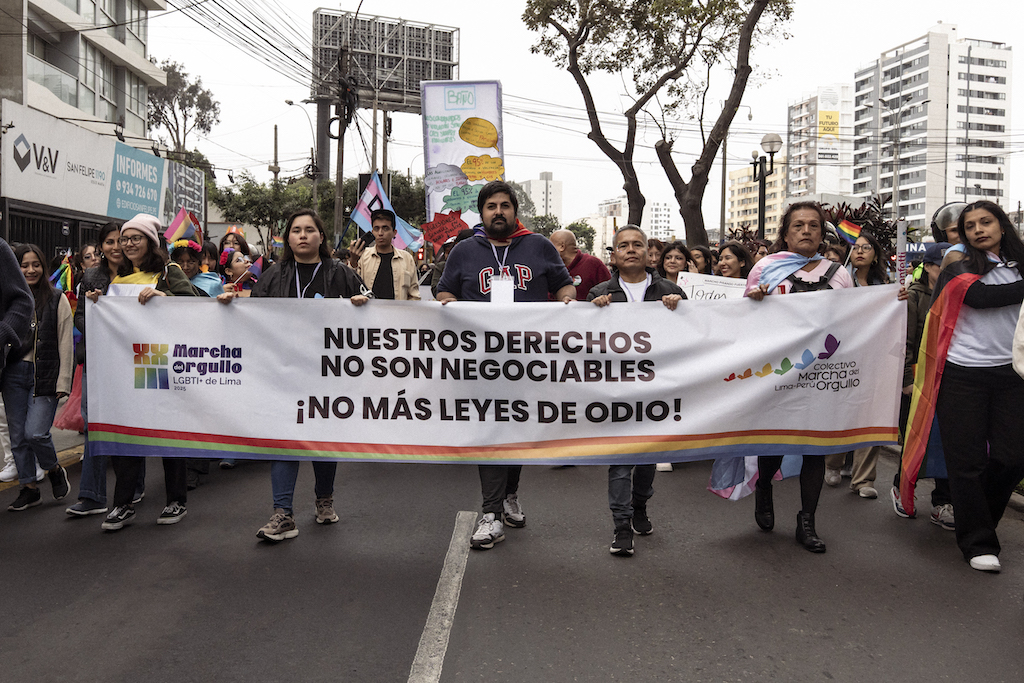
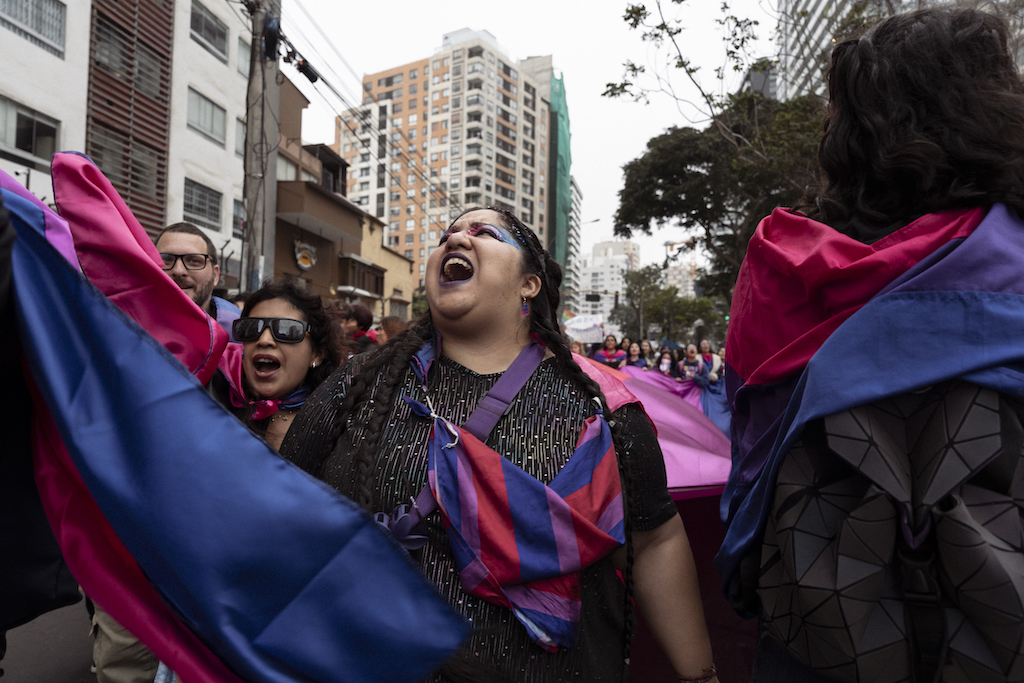
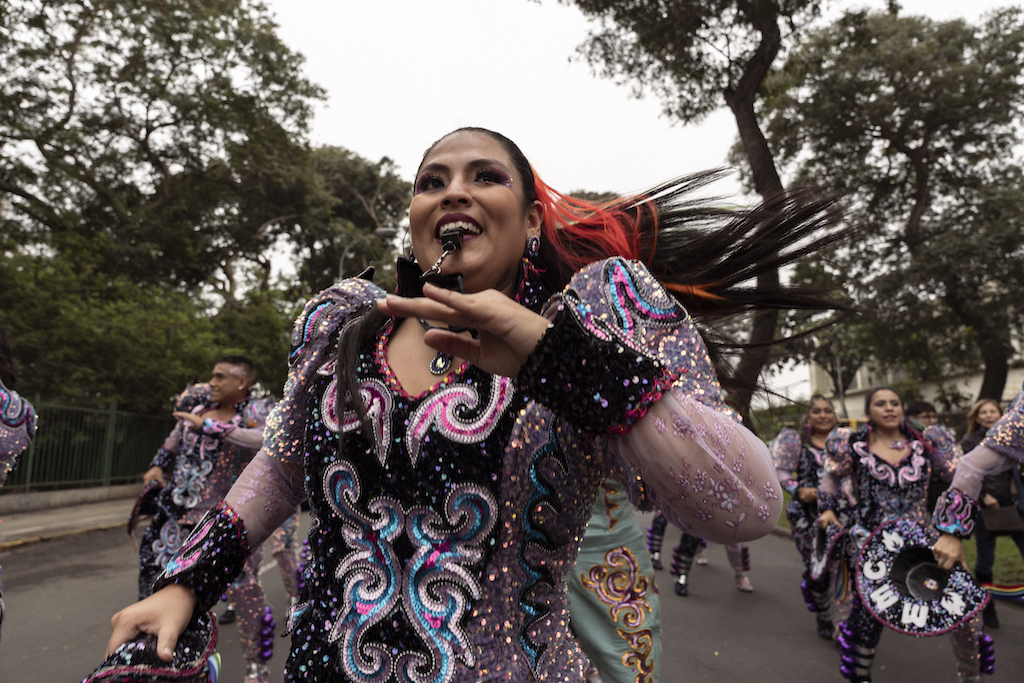
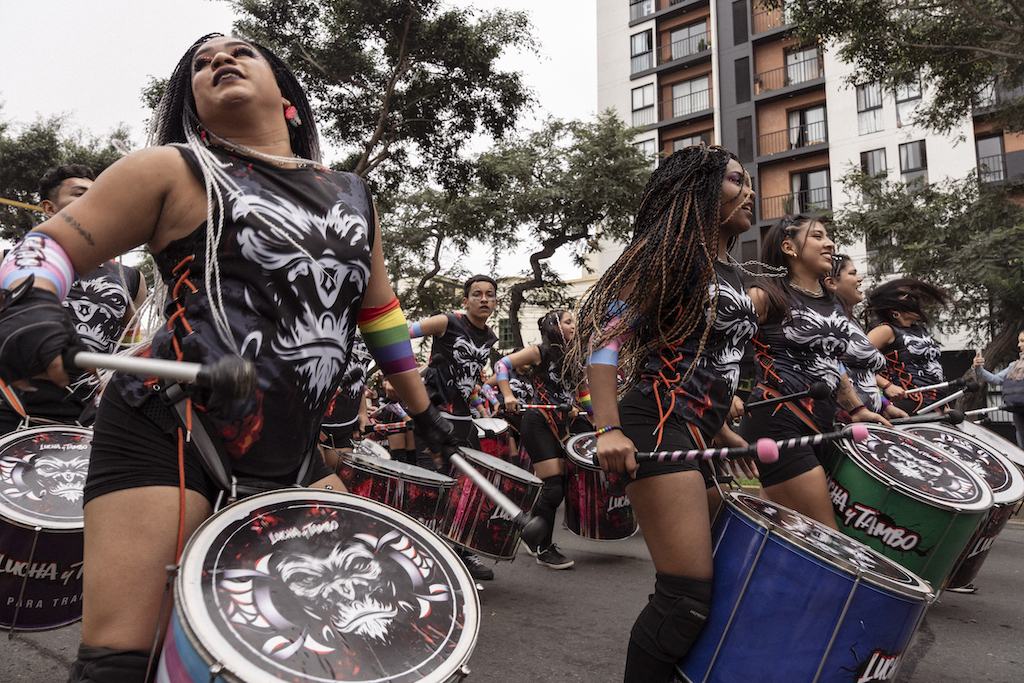
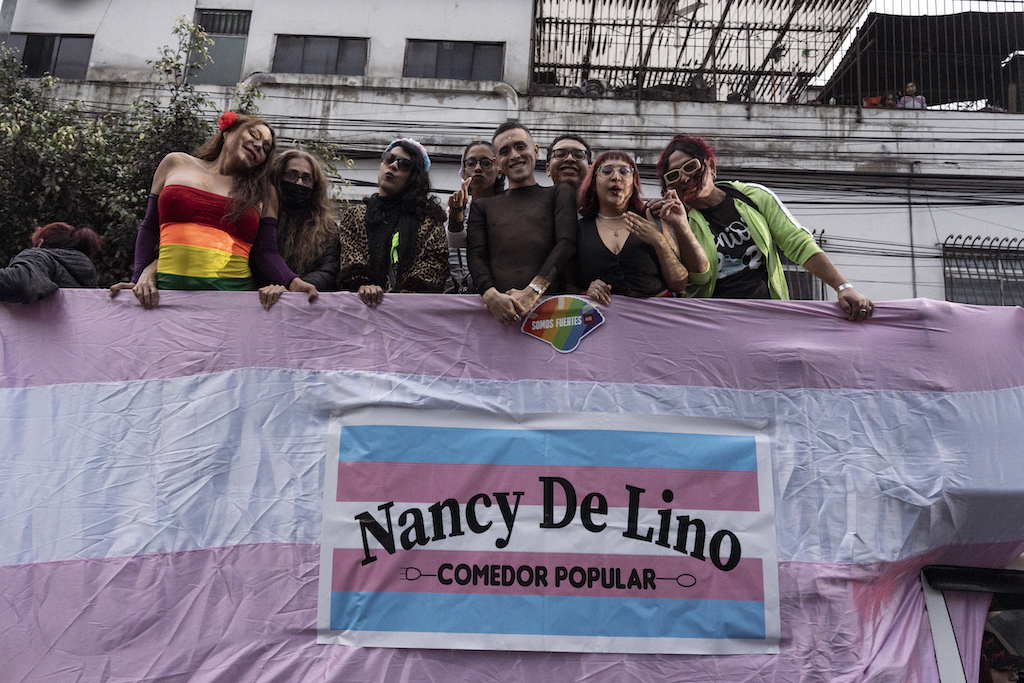
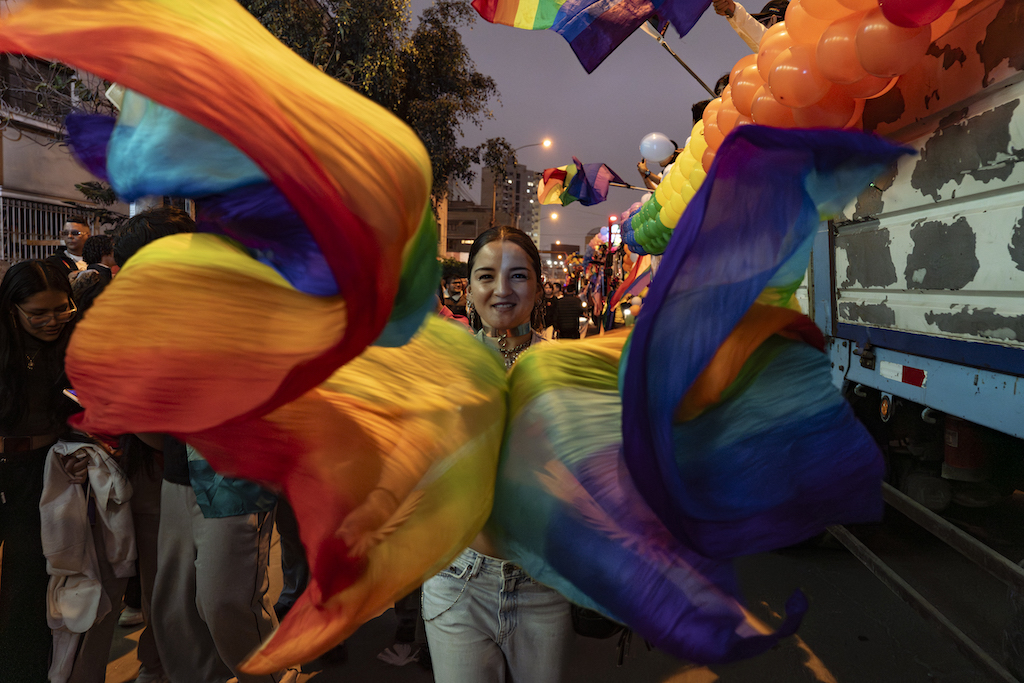
In Lima, the 23rd Pride March drew over 50,000 attendees with messages advocating for human rights. This year, the main focus was on Law 33321, recently passed , which prohibits transgender people from using public restrooms according to their gender identity.
The march took place despite the restrictions and limitations imposed by the Municipality of Lima, which prevented it from proceeding through the main streets of downtown Lima, as has historically been the custom. Instead, after complicated meetings with authorities from the district of Jesús María, the participants marched for the first time along La Peruanidad, Salaverry, San Felipe, and Garzón avenues, which belong to that district.
“In Peru, we are experiencing not only a political crisis but also a crisis of institutionalized hatred against LGBTI people, which comes from the Congress of the Republic and other institutions. Therefore, this march is an expression of our response to the crisis of hatred we are living through,” Jorge Apolaya, representative of the Lima LGBTI Pride March Collective, told us.
We are present
We are committed to journalism that delves into the territories and conducts thorough investigations, combined with new technologies and narrative formats. We want the protagonists, their stories, and their struggles to be present.
SUPPORT US

FOLLOW US
Related notes



We are present
This and other stories are not usually on the media agenda. Together we can bring them to light.
1 Comment