

Football, pride and slang: “The pitches are ours too”
Lesbians, bisexuals, butch, transmasculine and dissidents are transforming football and building safe and community sports spaces for lesbians.


Share

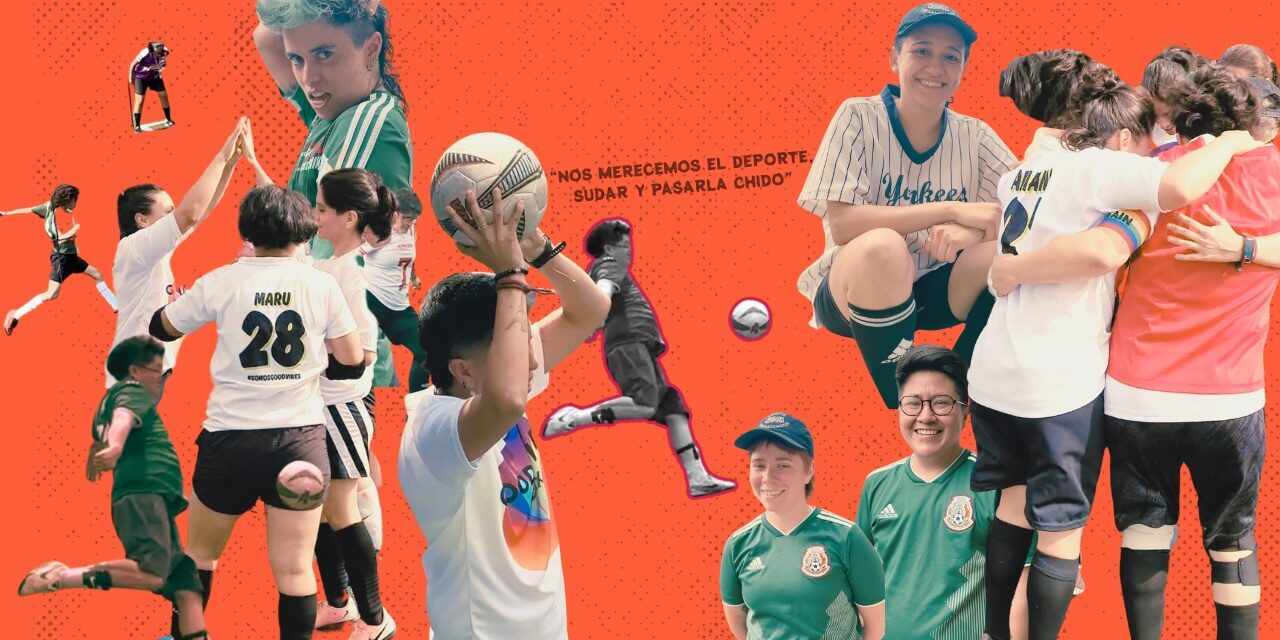
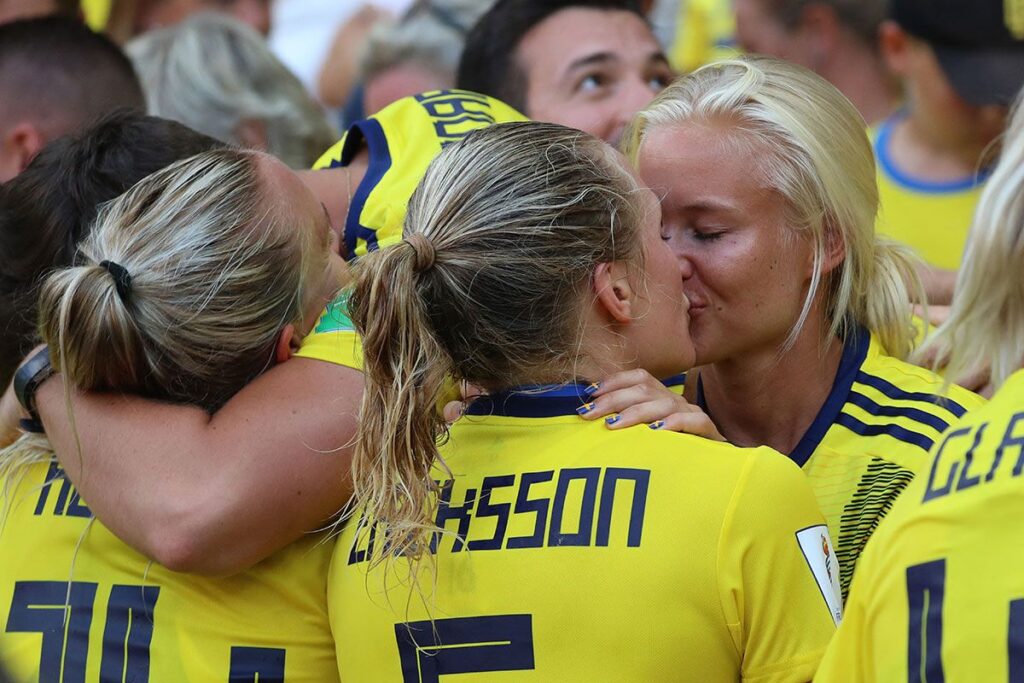
Women's soccer is emerging as a space where queer people—lesbians, bisexuals, butch, transmasculine, and other gender non-conforming individuals—are fighting for much more than just the ball. They are also fighting for visibility, identity, and the possibility of playing without fear. In a sport permeated by machismo and heteronormativity, queer people are not on the sidelines. They are at the center, building community and role models through the game and their passion for it.
More and more players are coming out publicly, and independent media outlets, collectives, and dissident tournaments are giving visibility to these experiences. Feminist and queer fan groups have begun to fill the stands, shattering the myth that football is only for cisgender heterosexual men.
“Being gay in professional sports is already a political act”
The consolidation of women's football in recent decades is thanks to the players themselves. They have had to speak out about their needs and the violence they experience. Their presence is not only political on the pitch.
One of the most emblematic figures is Megan Rapinoe, a retired star of the US women's national team. Rapinoe was key to her team's 2019 World Cup victory. She has also been a powerful voice for equal pay for soccer players, LGBT+ rights, and access to sports for transgender people .
Rapinoe has said that “being gay in professional sports is already a political act.” And in her case, it has also been a political act in the face of the structures that uphold LGBT-hate, racism, and sexism both on and off the field.
This is how women's participation in football is growing
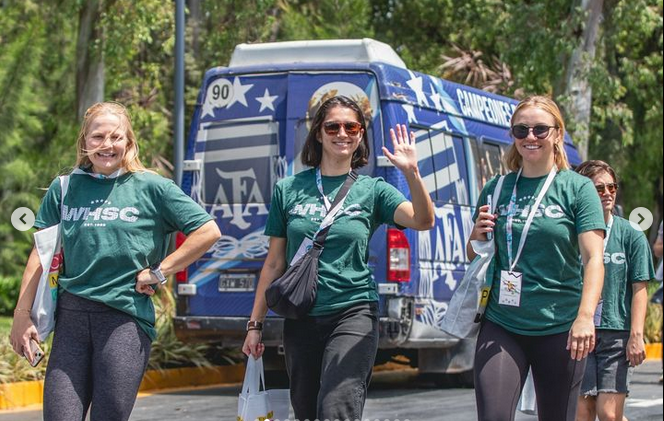
Women's participation in football is growing exponentially every year.
- In 2023 there were almost 20 million professional footballers worldwide.
- 2023 Women's Football report , that year it counted 16.6 million girls and women footballers worldwide.
- 59 percent of them are concentrated in Europe. The remaining 43 percent are distributed primarily in Central and North America.
Football, dissidence and resistance
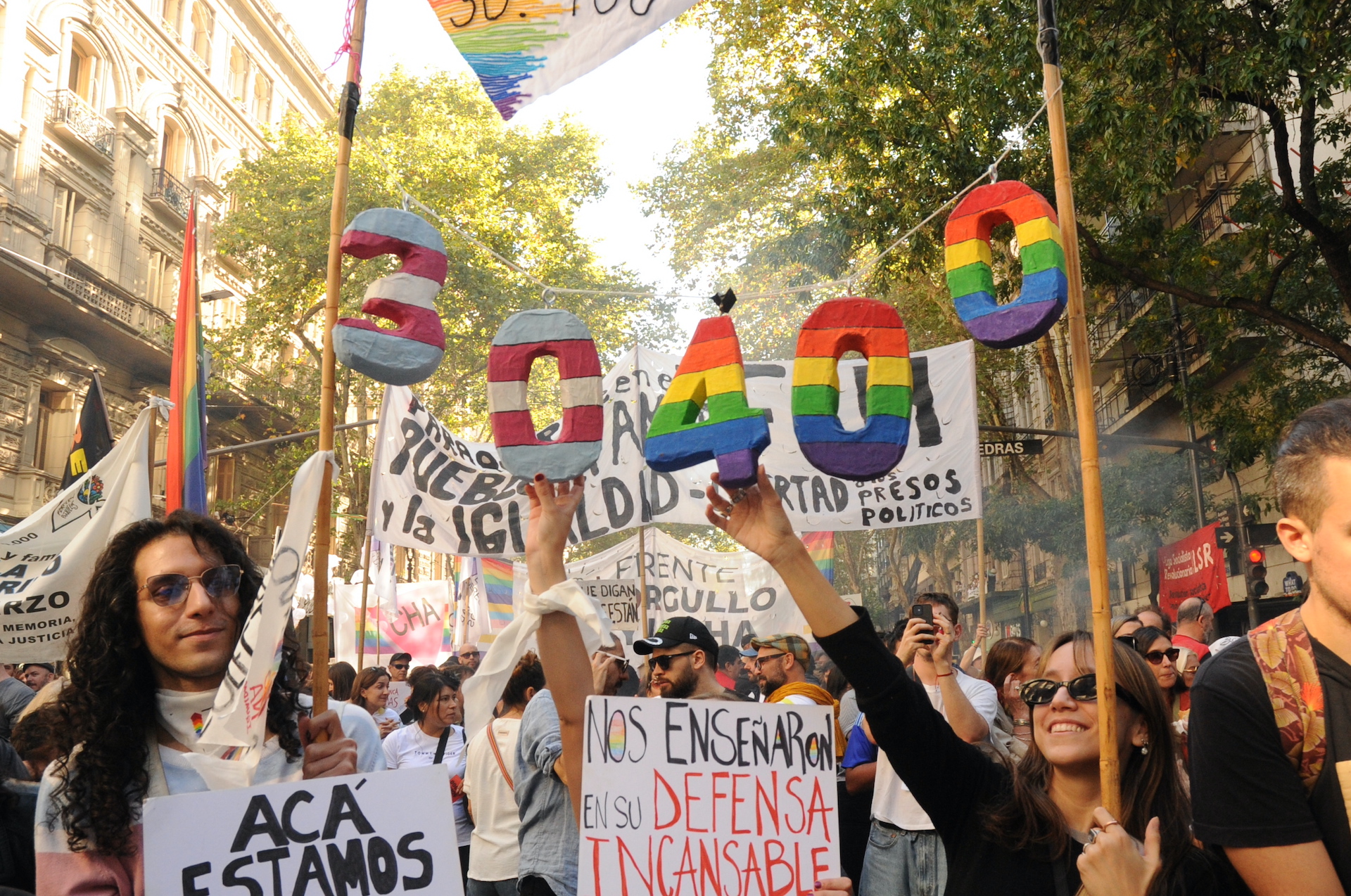
In times when fascist governments are on the rise, football is also becoming an arena of symbolic struggle. To that part of the sports industry that continues to promote a narrative that limits diversity are added recent policies that deny the participation of dissidents in sports, especially trans identities.
An example of this is the policy recently passed by the Donald Trump administration to deny transgender girls and women the participation of sports . A similar situation occurred in the United Kingdom, where, after a Supreme Court ruling defined 'woman' as biological sex, the English Football Association banned transgender women from playing in women's leagues from June 1, 2025.
It is in this context that various community initiatives and self-managed leagues have emerged to build safe and violence-free spaces. There, lesbians and trans people prioritize their right to play and resist to ensure their human right to physical activity and sport is guaranteed. In Mexico, the organizers of the Lencha March held their first tournament, the Lencha Cup . The goal: to offer a space that allows for gathering and enjoyment. Aware of the political weight involved in organizing, enjoying, and transforming spaces under the slogan "the fields are ours too."
Juntes Narramos is a project by Malvestida , Volcánicas , GirlUp , Balance and Presentes to strengthen and amplify the voices of young people through narratives of diversity.
We are present
We are committed to journalism that delves into the territories and conducts thorough investigations, combined with new technologies and narrative formats. We want the protagonists, their stories, and their struggles to be present.
SUPPORT US

FOLLOW US
Related notes


We are present
This and other stories are not usually on the media agenda. Together we can bring them to light.