

A photobook celebrates the living memory of one of Paraguay's oldest trans women
For four years, photographer Jess Insfrán Pérez documented the life of Liz Paola Cortaza, a trans woman and survivor of the Stroessner dictatorship in Paraguay. The result is How Many Memories Does Memory Hold?, a photographic essay that celebrates her existence and denounces the historical debts of the State.


Share

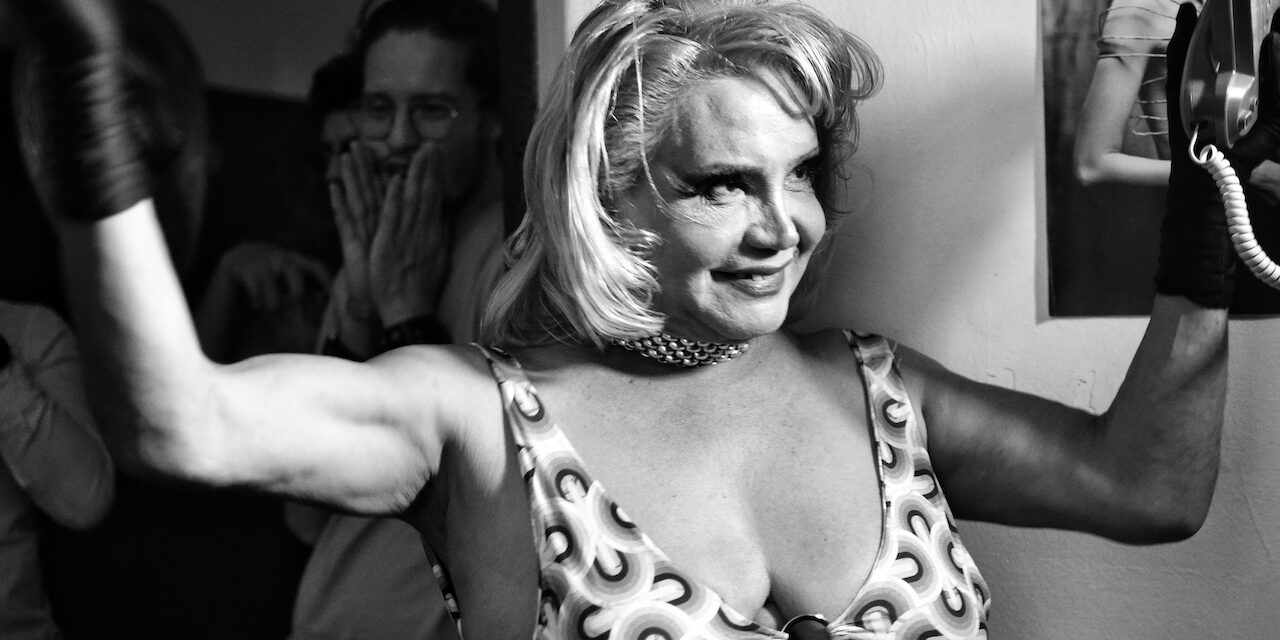
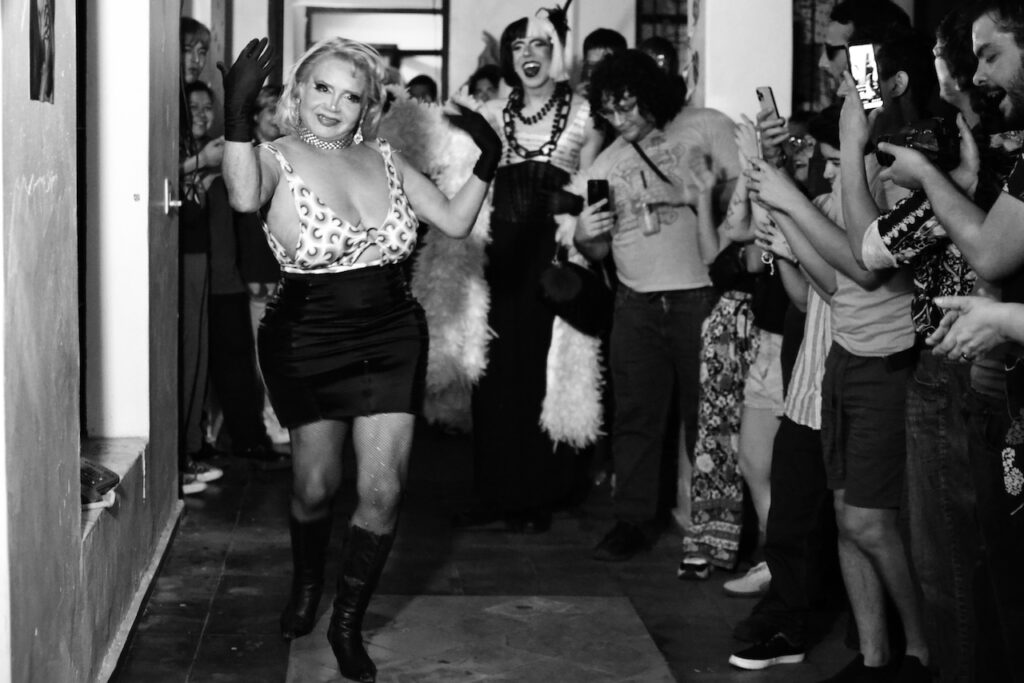
ASUNCIÓN, Paraguay . At 64, Liz Paola Cortaza is one of the oldest trans women in Paraguay. Freshly straightened hair, party dresses, holy cards of Saint George, and supermarket bags. She cooks with a cast iron pot and adjusts a feather boa around her neck before going on stage. She walks through her neighborhood in San Lorenzo as if she knows her very existence is living history. She was persecuted by the Stroessner regime's police in the 1980s and rejected by Paraguay, the country where she grew up. Her life is a testament to resistance, pride, and tenderness.
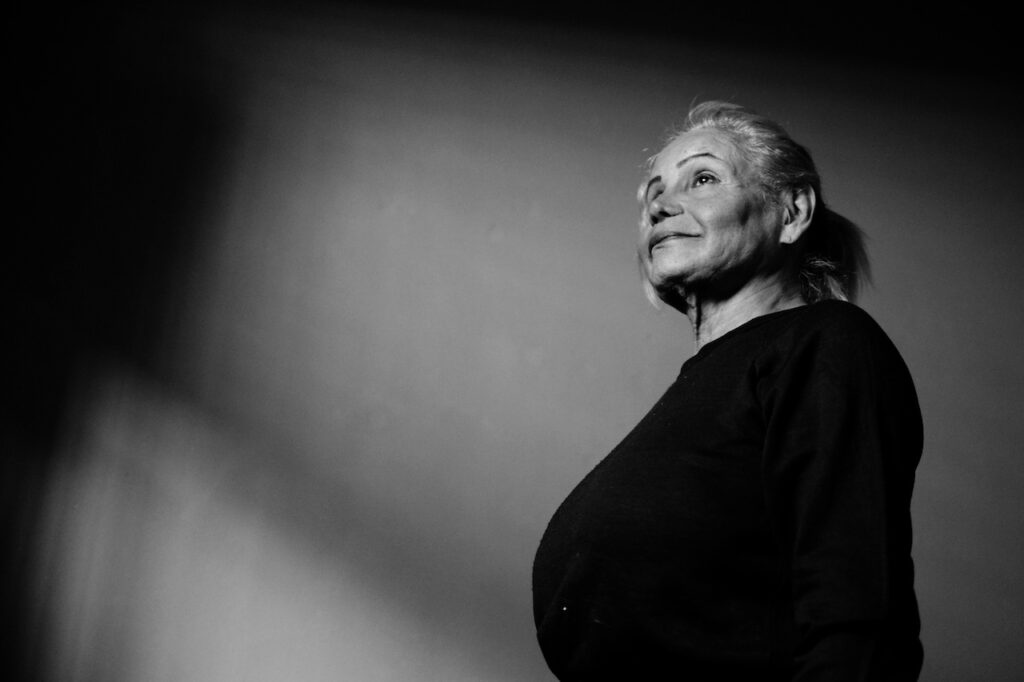
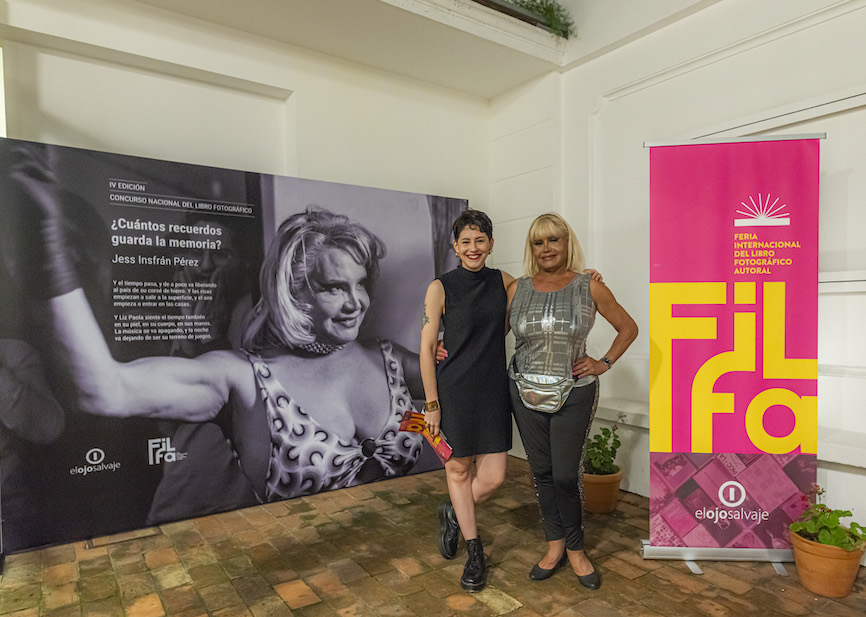
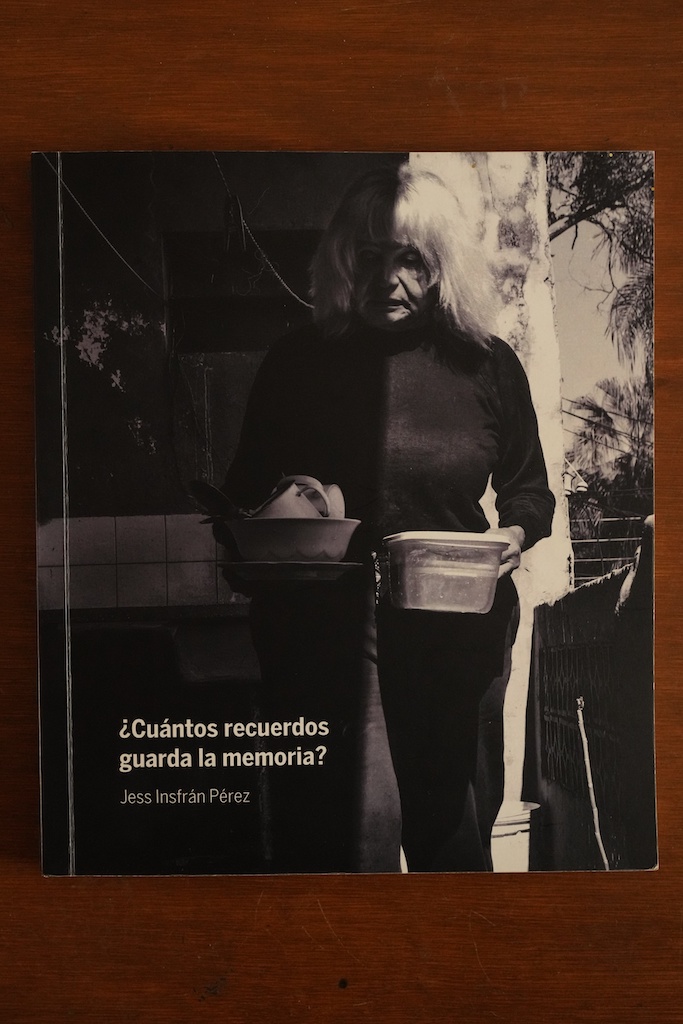
For four years, photographer Jess Insfrán Pérez accompanied her: to her Umbanda rituals, to the market to buy hair dye, to her birthdays, and to her funerals. From all those moments emerged a question and a book. "How Many Memories Does Memory Hold?" , an intimate and political photo essay, won first prize in the 4th National Photobook Competition, organized by El Ojo Salvaje . The publication was presented at the International Fair of Authorial Photography Books (FILFA) in Asunción in November 2024.
How the book came about
The project was born from a quest: to portray LGBTQ+ people over 60. But in Paraguay, the lines between age and diversity hardly intersect. “I was told there were no trans women that age. Life expectancy is 35 years because they were killed or left to die,” says Jess, who works with Presentes documenting marches and taking many of the photographs that accompany the agency's articles in Paraguay. This is how the idea arose to portray someone who defies the statistics.
In Jess's first meeting with Liz Paola at her home in San Lorenzo , Liz was lighting candles for Saint George when she arrived. She offered corn and lit a cigarette. They talked for hours; Liz showed Jess a book about Panambí and her publications about trans women. Then came the pandemic and Liz's silence. Jess explains that it was difficult to reach out again, and there were several unsuccessful attempts to revive the project.
But in 2023, the connection became everyday and mutual . “I was no longer a photographer documenting a story. We were two women sharing our pain,” she adds. Liz Paola stopped being just the person who took photos at every march alongside her colleagues from Casa Diversa. It became love advice via text message, fried tortillas with stew, albums that were journeys to the past.
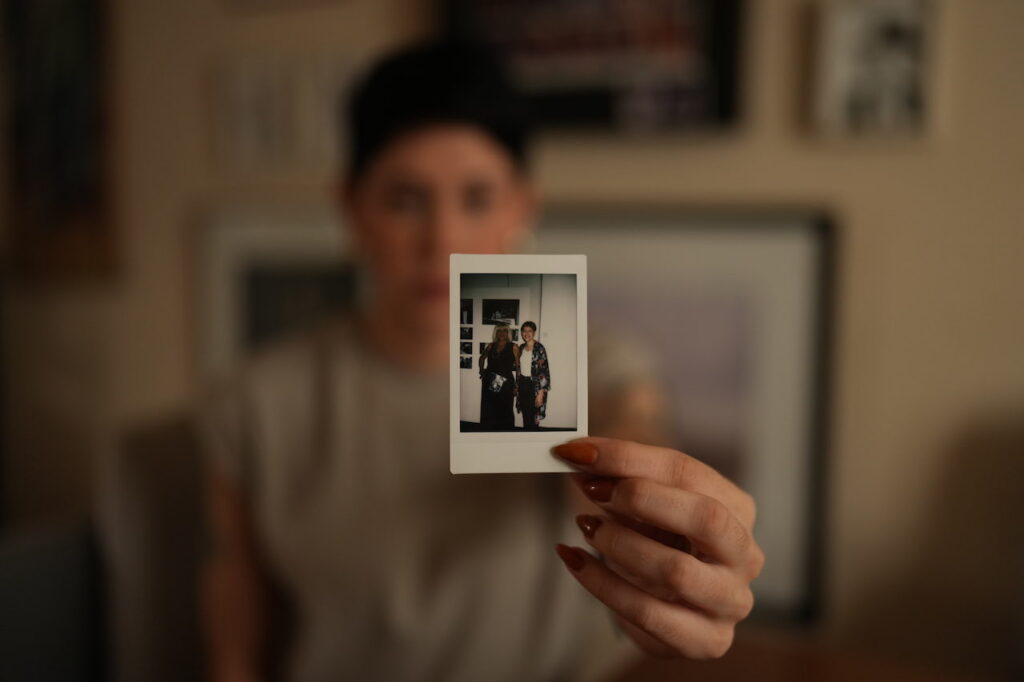
Liz Paola, the president of the trans community
In a 2020 interview with Jess for this publication, Liz Paola told us that she started dancing mambo and rumba at the bar El Hormiguero at the age of 13. In 1975, she was a sex worker, a time when police raids were a daily occurrence. She recalled some shows that left a mark on her, such as Miss Universe Trans, and her colleagues Usha , Sandra Torres, Rossana, and Kupple. She considers them the “best drag queens in Paraguay .
“We were always there, first ones up. Neither Liz Paola nor Usha could miss it,” she said on that occasion, referring to the shows. With Sandra Torres, she founded an organization called Lazos Hermanos (Brotherly Ties). “I was the president of the trans community and she was the president of the drag queens, because at that time they were divided. That association ended later because Sandra had to travel,” she explained.
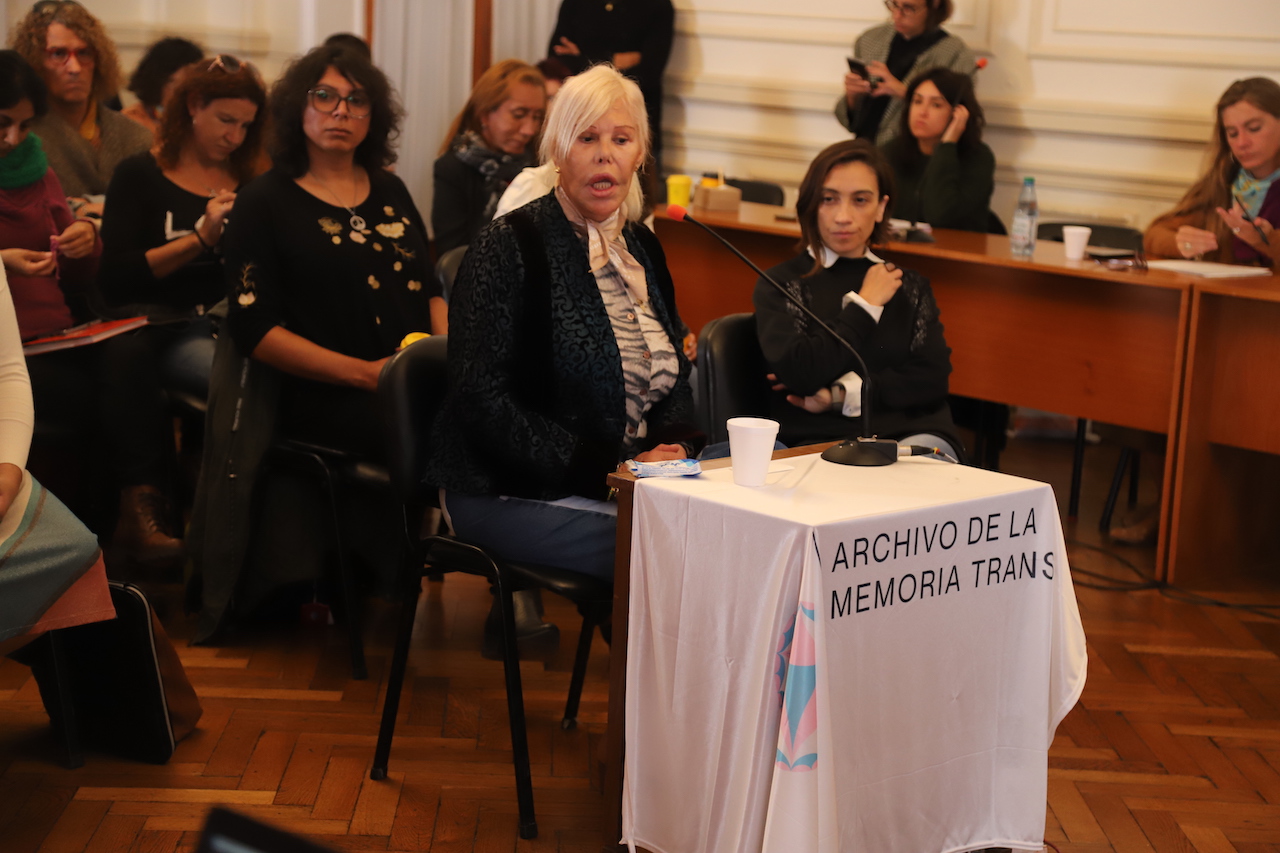
Inspired by the Argentine Trans Memory Archive , Jess combined current images with archival photos of Liz Paola. The black and white of the present and the color of the past converse with time, as if setting the tone of memory. But it is not a nostalgic book. It is a celebration and an affirmation of the present. “Being a trans woman is a party,” says Angie in Camila Sosa Villada’s book Las Malas , but it’s something Liz Paola could easily say. She is seen as she wants to be seen: radiant, defiant, fun, real.
Leo de Blas, director of FILFA, believes that this photobook not only documents events but also creates a space of care and dignity. “The author recovers fragments of an existence marked by the violence of the system, but also by the strength, beauty, and joy of an identity lived with courage. Far from a voyeuristic or victimizing gaze, the photographs propose a narrative where sensitivity intertwines with denunciation ,” explains de Blas.
When books and people save us
In Liz Paola's photo albums, you see her years ago, full of life and full of desire, dancing with crystals on her hips, smoking by a friend's pool, or on the sofa with an old flame. "For me, it wasn't just about taking pictures of her. It was about staying and chatting, having coffee, telling her my troubles," Jess says. During the process, she went through a breakup and moved back in with her parents. Liz Paola was there for her. "She took care of me, she opened the door for me whenever I needed company. She saved me.".
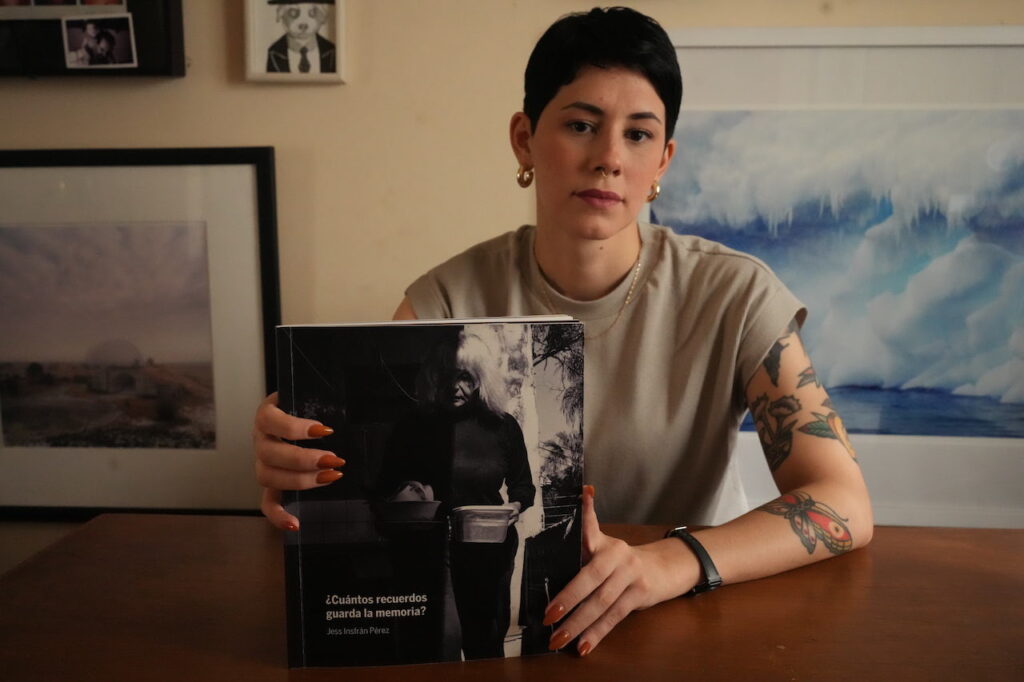
In the middle of the project, Jess was notified that her brother, Juan José, who lived in Puerto Iguazú, was hospitalized with pneumonia. She and her family traveled there, but a few days later, he passed away. The book was already in design, ready for printing. She asked the designer, Karina Palleros, to add a dedication: For Juanjo Insfrán Pérez. For Carla, Patricia, Doris, Pocha, Gisela, Costurera, Vanesa, and all those who live and will live on in the memory of Liz Paola Cortaza. “When I opened the printed book for the first time and saw that there, I felt like something was closing and something else was opening. I felt that this book had also saved me,” she says.
How many trans bodies bear the wounds of oblivion?
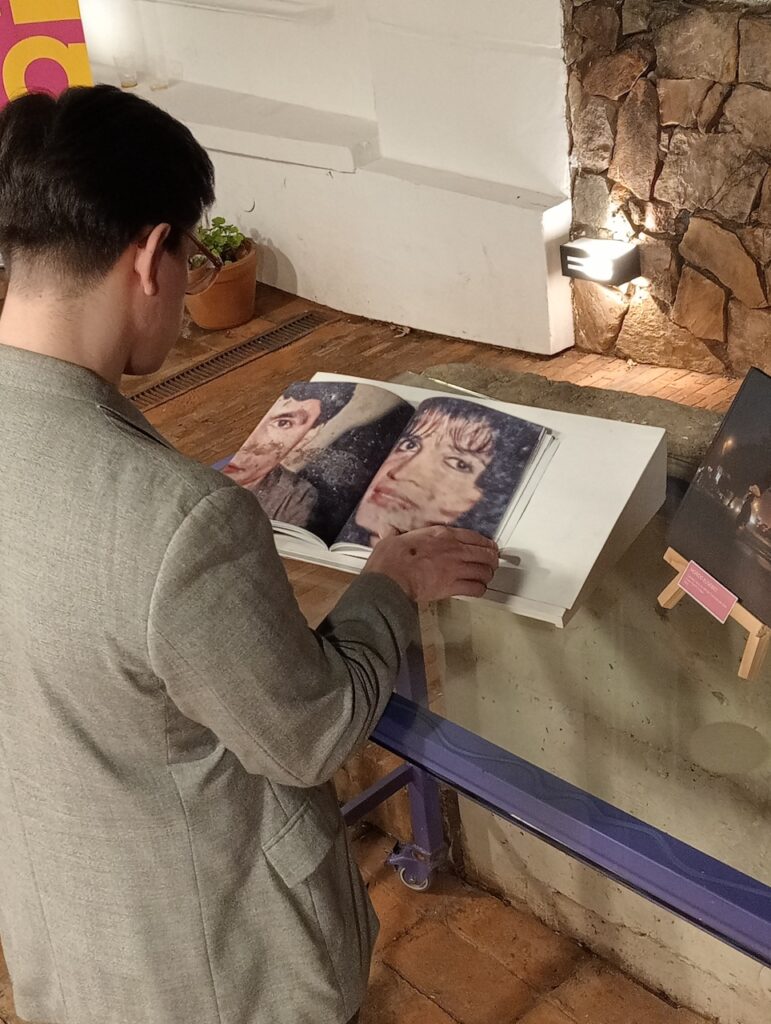
According to Leo de Blas, the photo essay raises uncomfortable questions. “What story is told when we talk about the recent past in Paraguay? Who was forgotten in that official construction of memory? How many dissident bodies continue to bear the wounds of that oblivion?”
How many memories does memory hold? was exhibited at the Barcelona LGBT Center in 2023 and at the El Sortidor Civic Center in Barcelona in 2024. During that time, Liz Paola also received awards. She was awarded the Dignity Prize for Lifetime Achievement in Historical Memory in 2023 and continues to fight for the Paraguayan State to recognize her identity and that of her peers.
“For me, winning the contest was a professional achievement. For Liz Paola, it was social recognition,” she says. In a country that still denies basic rights to trans people, such as changing their name or accessing decent healthcare, narrating the nuances in Liz Paola’s memory through images is not only transgressive but also a political stance.
We are present
We are committed to journalism that delves into the territories and conducts thorough investigations, combined with new technologies and narrative formats. We want the protagonists, their stories, and their struggles to be present.
SUPPORT US

FOLLOW US
Related notes


We are present
This and other stories are not usually on the media agenda. Together we can bring them to light.