

Why May 17th is the International Day Against LGBT Hate
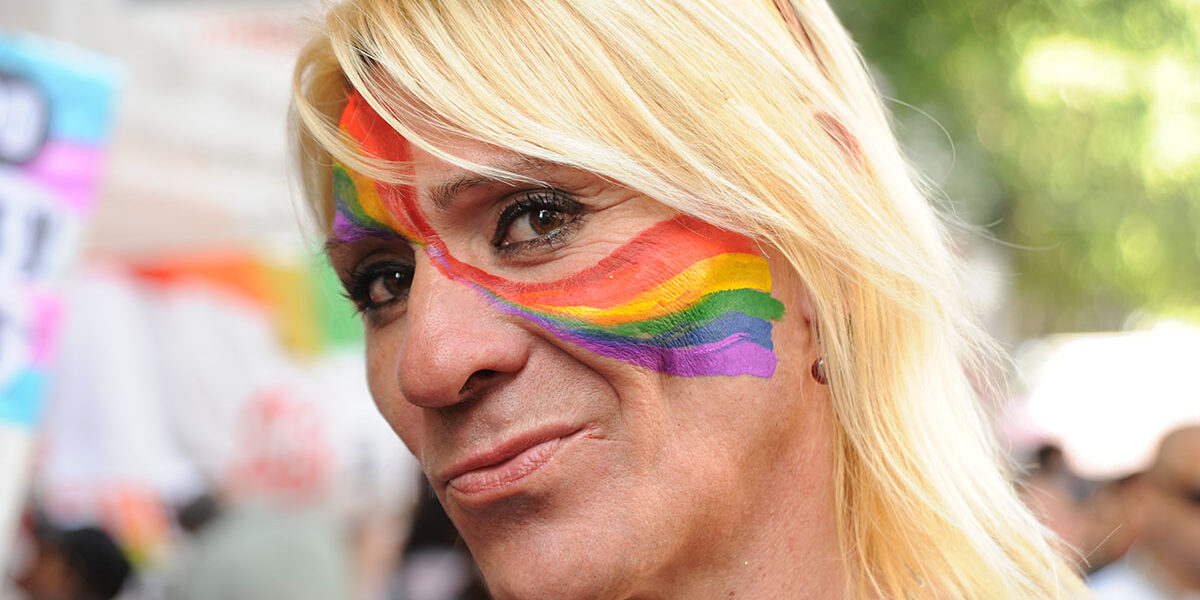
May 17th is commemorated worldwide as the day to fight against violence towards LGBTI* people. It is officially known as the International Day Against Homophobia, Biphobia and Transphobia.

Share

May 17th is commemorated worldwide as the day against violence towards LGBTI* people. It is officially known as the International Day Against Homophobia, Biphobia, and Transphobia . However, at Presentes we prefer to avoid using the term "phobia" because it is not an illness . Therefore, we refer to it as LGBT Hate.
Why this date?
The date was first commemorated in 2005 to remember that on May 17, 1990, the World Health Organization (WHO) removed homosexuality from the classification manual of mental diseases.
Its creation in 2004 stemmed from the Paris-based IDAHO Committee, which that year launched an annual campaign to raise awareness of violence against LGBTI+ people, culminating in the establishment of this International Day to draw attention to the violence, discrimination, and exclusion experienced by LGBTI+ people around the world. May 17th is a day to coordinate and focus response and prevention efforts, as well as to remind states of the importance of creating and strengthening public policies to prevent LGBTI+ hate.
It represents an iconic date for all people who want to join to make visible, from their different roles and spaces, the violence faced daily by people who live with diverse sexual orientations, expressions or gender identities, sexual or bodily characteristics outside of heterocisnormativity.
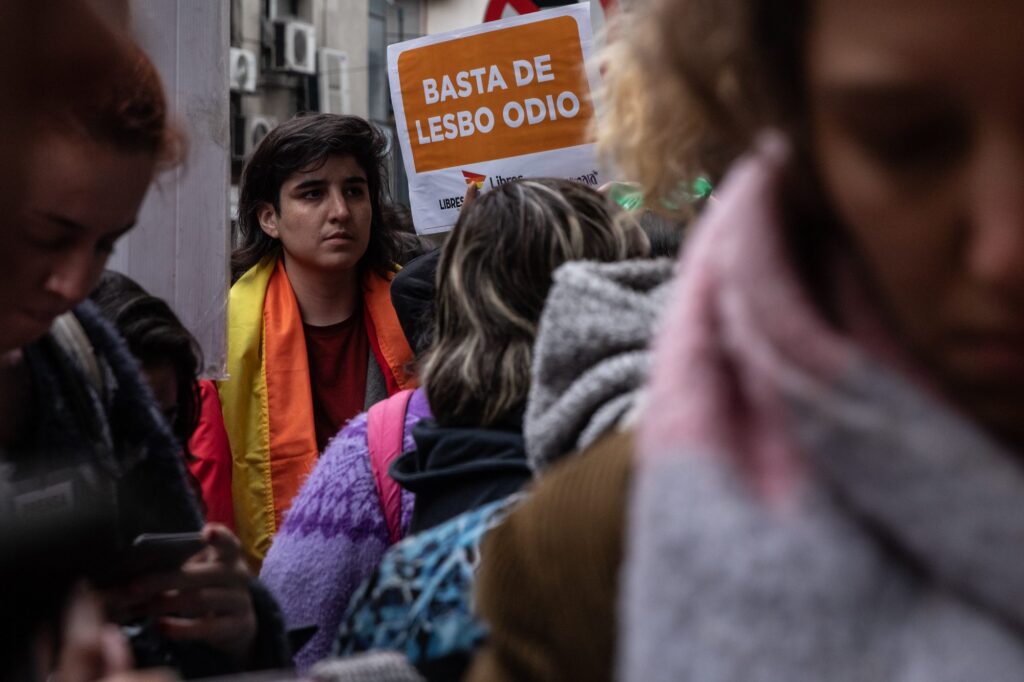
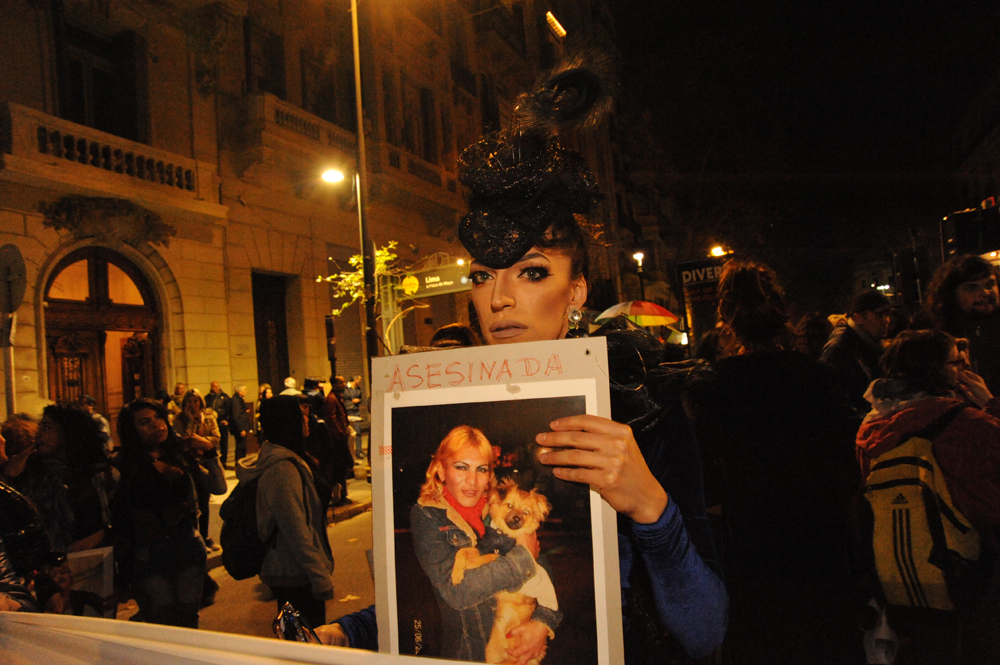
“Despite significant progress, data from the ILGA World Database indicates that LGBTQIA+ people continue to face challenges in accessing their basic rights. 64 UN Member States still criminalize consensual same-sex sexual acts . At least 61 countries have restrictions on freedom of expression related to diversity issues. Laws protecting people from hate crimes based on sexual orientation exist in 63 UN Member States, but only in 41 for gender identity, 11 for gender expression, and 8 for sex characteristics,” reported ILGA, the organization that brings together LGBTQIA+ groups worldwide, on May 16, 2025.
Although a central theme is chosen each year to focus actions, the International Day Against Homophobia, Transphobia and Biphobia does not aim to convene a centralized campaign, "but rather a moment when everyone can take the opportunity to take action, on the topic and in the format they wish," as stated on the website for May 17.
The date goes by different names and the acronyms vary. Initially it was IDAHO (an acronym for International Day Against Homophobia), then IDAHOT (when transphobia was included), and finally IDAHOBIT (when biphobia and intersexphobia were included). Some even include intersexphobia in the commemoration. However, there is no consensus among intersex communities that all of them feel represented by this day.
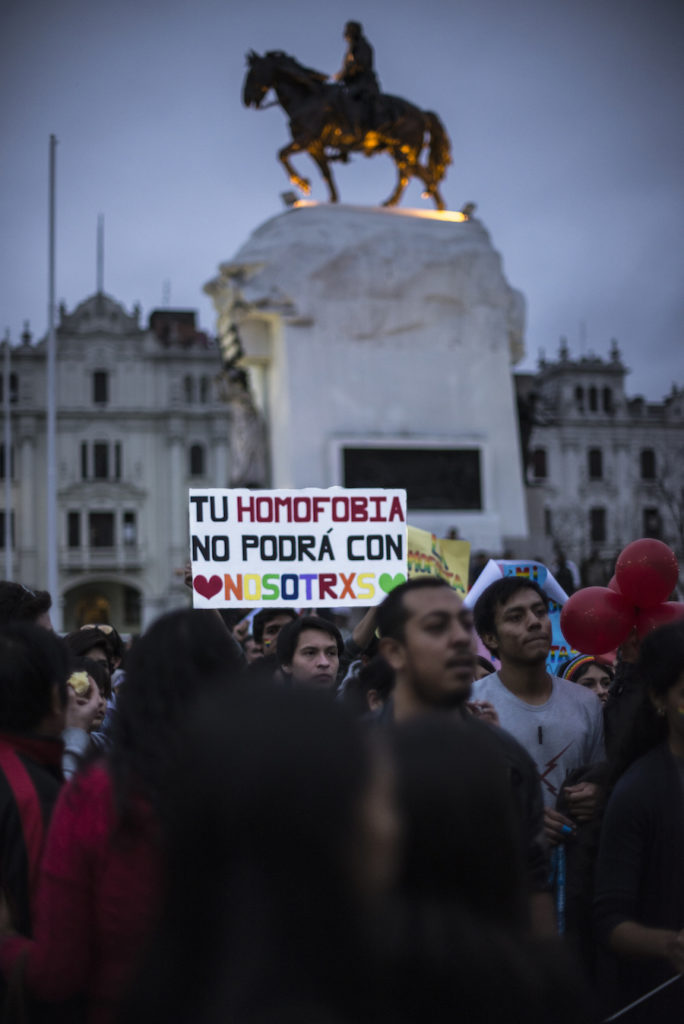
May17.org documents some of the activities carried out in more than 130 countries where actions are being deployed .
International organizations such as MERCOSUR or the European Parliament recognize the date, and others linked to the United Nations carry out commemorative activities.
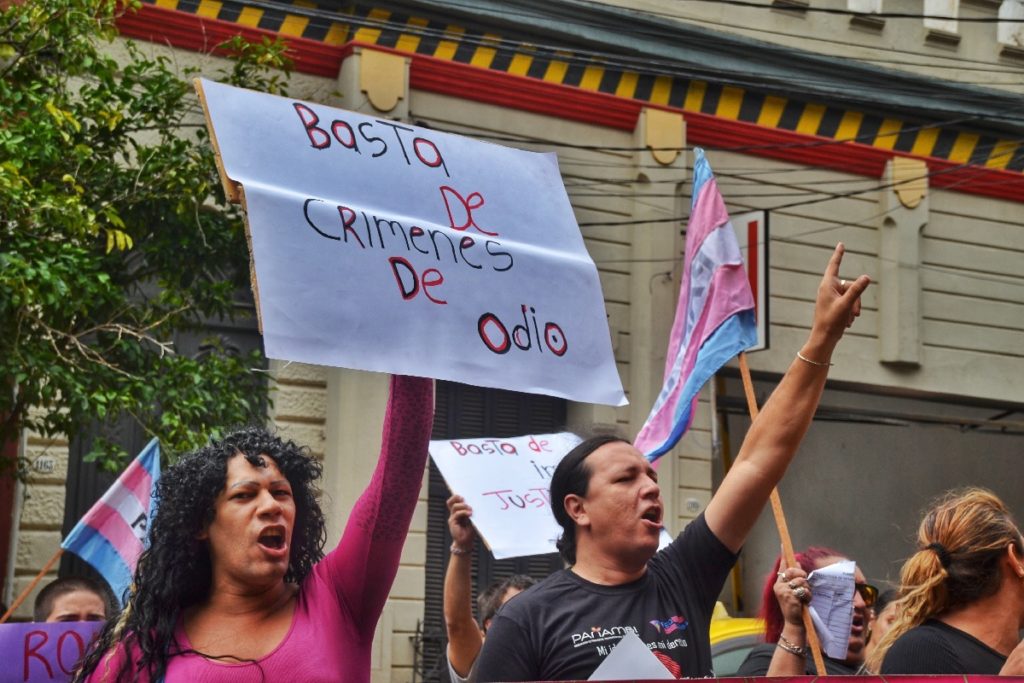
While Latin America has been one of the regions with the most progress in human rights for LGBTI+ people in recent years, violence and discrimination continue to threaten their human rights. This vulnerability is often exacerbated by other factors that contribute to inequality in our region, where sexual orientation and gender identity are intersected by other layers: racialized identities, migration, sex work, people living with HIV, among others.
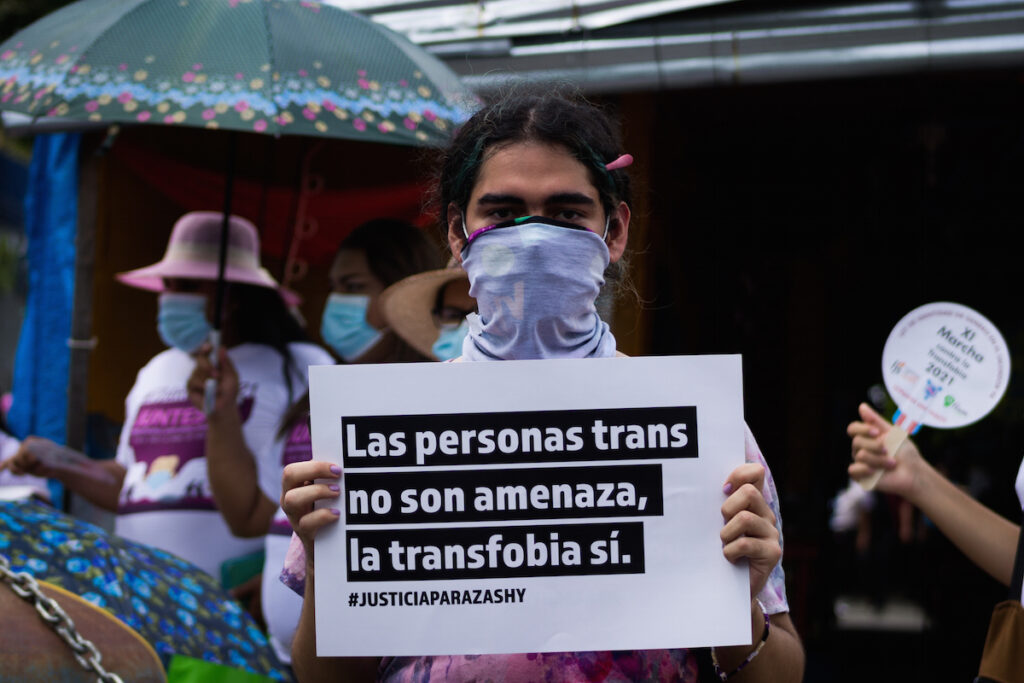
“ The power of communities ” is the motto for 2025, which seeks to draw attention amid an anti-rights advance to the crucial role of appealing to “connection, solidarity and common goals when driving change, both for individuals and for the various social justice movements.”
IDAHOBIT, as it is known by its acronym in English, is a special day to spread information about the discrimination, violence and exclusion suffered by LGBTQIA+ people, and about how communities resist and work towards building a world with equality for all.
We are present
We are committed to journalism that delves into the territories and conducts thorough investigations, combined with new technologies and narrative formats. We want the protagonists, their stories, and their struggles to be present.
SUPPORT US

FOLLOW US
Related notes


We are present
This and other stories are not usually on the media agenda. Together we can bring them to light.
1 comment