

How to obtain a birth certificate for transgender children in Mexico
The right to identity for transgender children is guaranteed in only a few states. How do they obtain the necessary documentation, and why is this recognition important?


Share

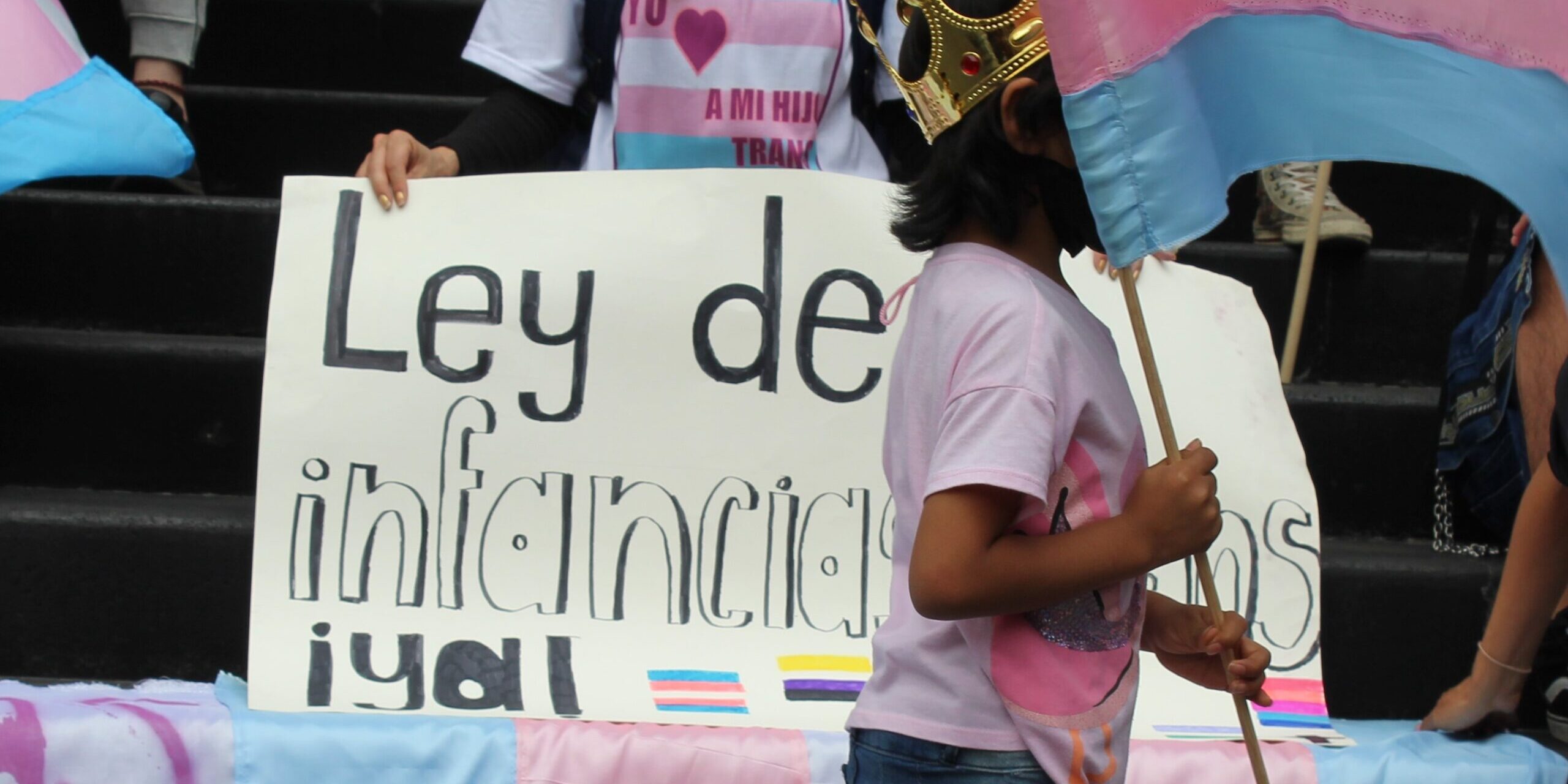
MEXICO CITY, Mexico. In Mexico, the path toward the recognition of the gender identity of transgender children and adolescents has seen significant progress. However, there are still outstanding issues and barriers that continue to limit this human right for transgender children and youth.
Currently, there are seven states where the process of gender identity recognition for trans minors can be carried out without the need for a trial: Jalisco, Mexico City, Oaxaca, Morelos, Sinaloa, Baja California, Baja California Sur and the Mexican Consulates around the world.
The procedure in Jalisco
Jalisco remains an oasis, being the only state with the highest human rights standards . There, there is no discrimination based on age, nor on where a person was registered at birth, and the process only requires the signature of a responsible adult for the minor, whether a mother, father, or legal guardian. Furthermore, it is the only state that issues birth certificates to non-binary children and adolescents.
This procedure is carried out at the Civil Registry offices. However, there is still no standardization for this procedure, and each state is governed by its own regulations.
- States that do not limit this right by age: Jalisco, Baja California, Baja California Sur and the Consulates of Mexico in the world.
- States that guarantee this right from the age of 12: Mexico City, Oaxaca, Morelos and Sinaloa.
Guarantee identity
The Association for Transgender Children is an organization that was founded in 2018 and since then has supported trans families in various areas, from legal matters such as birth certificate processing to awareness-raising processes for educational environments for trans children and youth.
According to Jennifer Blanco, director of the association, if you live in the north of the country and your state does not yet guarantee this right, the best option is to travel to Baja California Sur to complete the process. If you live in the south or central part of the country and your state does not guarantee this right, traveling to Jalisco is the best option, specifically to the civil registry office in the municipality of El Salto.
Jennifer Blanco acknowledges that, “traveling to Jalisco remains the best option, but it is also a limitation because it is not accessible to all families. At the same time, it becomes a barrier because in this country the human right of transgender children and adolescents to have a birth certificate that recognizes their name and self-perceived gender is still not guaranteed.”
In Mexico, each Civil Registry has its own regulations and procedures. However, the documents required to obtain a birth certificate are relatively the same for both children and adolescents.
How is the procedure carried out?
Ideally, in all cases, you should go to the civil registry office of your choice and ask for information about the procedure. They should guide you on the required documentation and provide you with the application form.
These are the basic documents you need to process the birth certificate of a trans child or adolescent:
- Certified copy of the original birth certificate. This is the certificate that was processed when the person was born and which has the previous name and gender.
- The current CURP of childhood or adolescence.
- Submit the application to the Civil Registry Office using the form provided by that institution. This document is where you will enter your name and self-identified gender. (Each civil registry office has its own specific form and application process.)
- Informed consent from the accompanying adult and informed consent from the transgender child or adolescent. (Most civil registries have their own forms, or if it's a free-form document, you can contact the Association for Transgender Children to request a template to fill out with your information).
- Official identification document of the child/adolescent and those accompanying them.
It's important to know that this procedure is free and should be expedited. Furthermore, no requirements or expert opinions based on prejudice should be requested.
Supporting organizations
The Association for Transgender Children provides legal, educational, and health support to trans families and their children. [ contact links ]
México Igualitario is an organization that provides legal support. It operates through a network of lawyers located in different states across the country. [You can contact them via Facebook , [ other social , Instagram , or by email at mexicoigualitario@gmail.com .
The Trans Families Network is made up of organizations and families located in various states of the country that can guide you in the identity recognition procedure and also activate community actions.
(You can contact them via Instagram , X , Facebook ) or by email: reddefamiliastrans@gmail.com
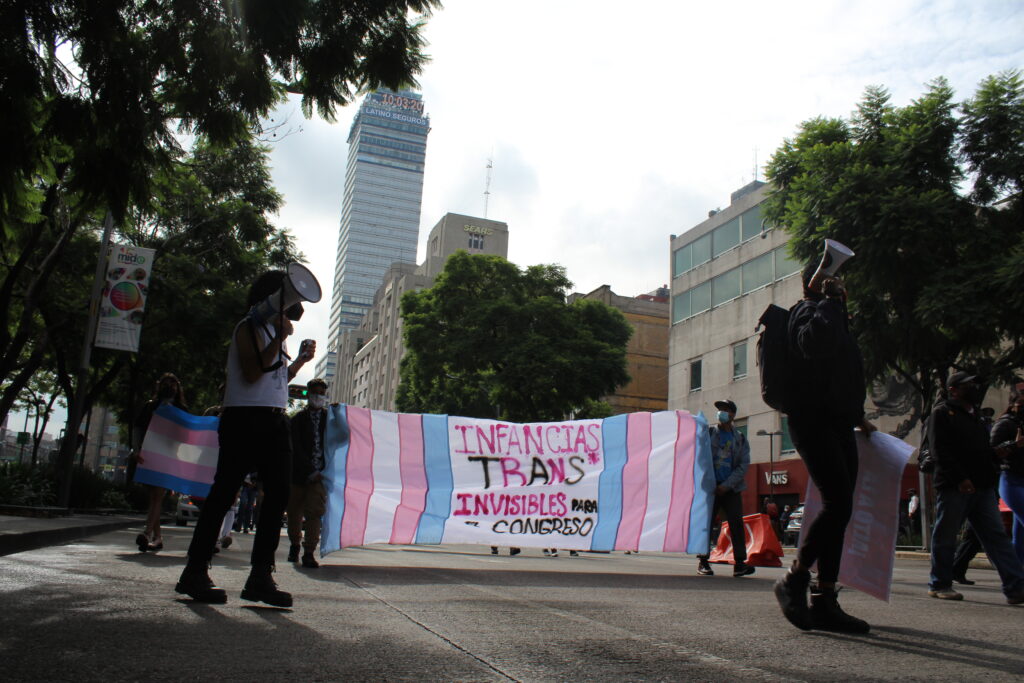
The importance of guaranteeing this right
In Mexico, a birth certificate is like a key that unlocks access to other basic rights such as health, education, work, housing, pensions, etc.
“Denying this right is violating a human right enshrined in the Constitution, and that is something we must emphasize. It is not just any violation of a right; it is a violation of human rights, of the most basic right, the right to identity,” insists Ninde MolRe, lawyer and director of the organization México Igualitario .
“Disinformation, moral panics, and prejudices persist in society. Anti-rights groups have gained ground by falsely spreading the idea that transgender children lack autonomy and the capacity to recognize their identity, and that adults impose beliefs on them—which is completely false. Unfortunately, this has had a significant impact on authorities, and we see it in congresses, the executive branch, and civil registry staff who deny this right to children and adolescents. Instead of guaranteeing this human right, they are becoming policing forces that question their identities and autonomy,” MolRe explains.
In Mexico, 62.4% of people realized before the age of 7 that their gender identity is different from the one assigned to them at birth, according to the National Survey on Sexual and Gender Diversity (ENDISEG, 2021 ). At a time when far-right policies are advancing globally and when the progress of trans rights is being reversed, as in the United States, Ninde MolRe is emphatic in saying that, “despite the Supreme Court of Justice of the Nation’s rulings of unconstitutionality recognizing trans children in 2022, the lack of legislative harmonization and protocols at the national level continue to be barriers that limit the recognition of this right and expose trans children and adolescents to surveillance and pathologization.”
We are present
We are committed to journalism that delves into the territories and conducts thorough investigations, combined with new technologies and narrative formats. We want the protagonists, their stories, and their struggles to be present.
SUPPORT US

FOLLOW US
Related notes

We are present
This and other stories are not usually on the media agenda. Together we can bring them to light.