

24M: Memory as a response to fascism and cruelty
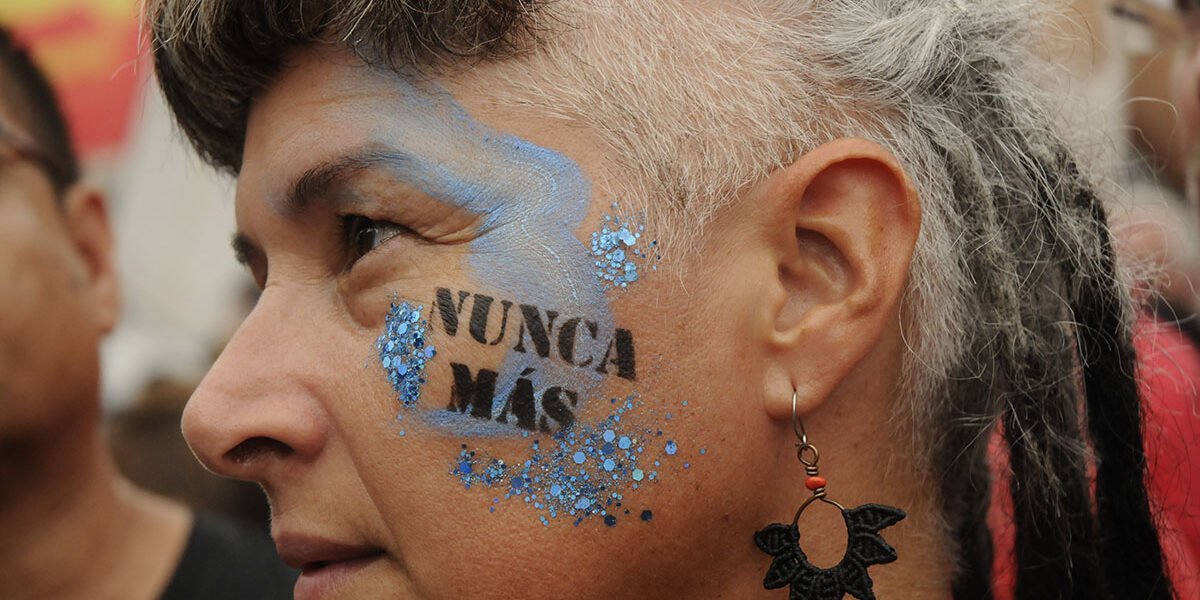
Forty-nine years after the military coup, the streets and squares of Argentina overflowed with people in a demonstration that articulated the legacy of the Mothers and Grandmothers of Plaza de Mayo in one of the most powerful responses against repression, fascism, and the constant attacks on human rights by the government of Javier Milei.


Share

Social media coverage: Lucas Fauno, Ana Fornaro, María Eugenia Ludueña and Agustina Ramos.
BUENOS AIRES, Argentina . Forty-nine years after the military coup, the streets and squares of Argentina overflowed with people in a peaceful demonstration that articulated one of the most powerful responses against repression, fascism, and the Javier Milei government's constant attacks on human rights. The message is resounding. The struggle of the Mothers and Grandmothers of Plaza de Mayo, which began in solitude—it's always worth remembering—is today a legacy that not only inspires people of all ages—with a significant presence of young people—and social classes to take to the streets en masse to say "Never Again" (one of the most repeated signs) and "Memory is not to be touched," in response to the statements of the president, his officials, and their denialist policies. This legacy serves as the engine that inspires, sustains, unites, and contains many other struggles.
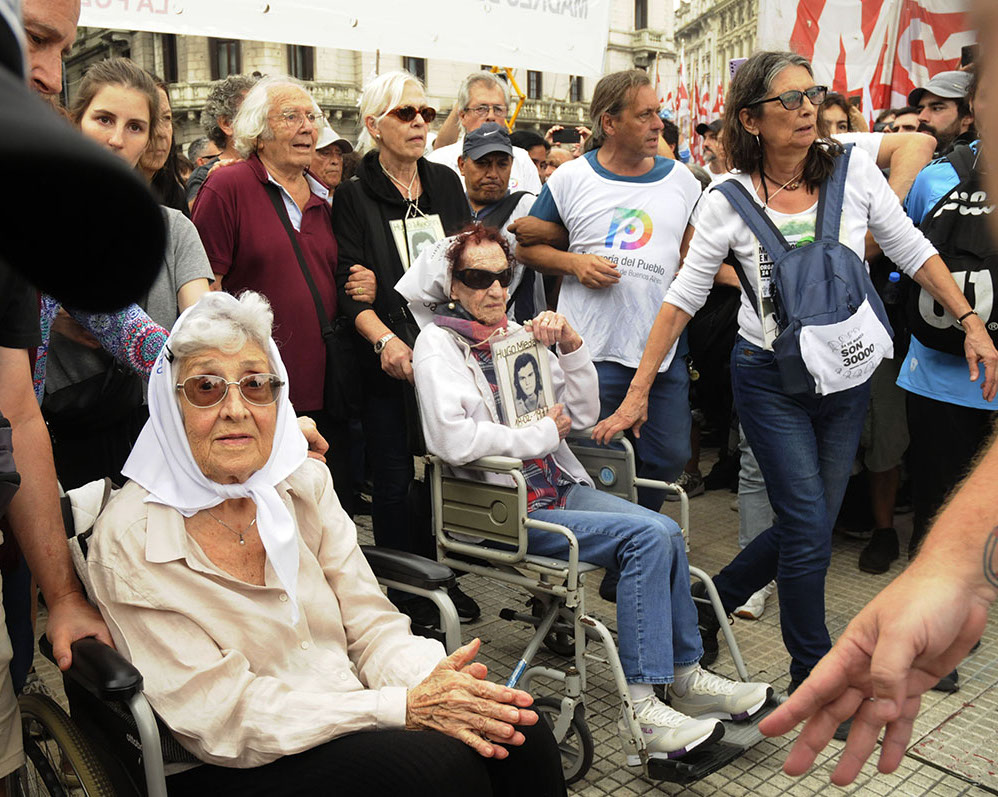
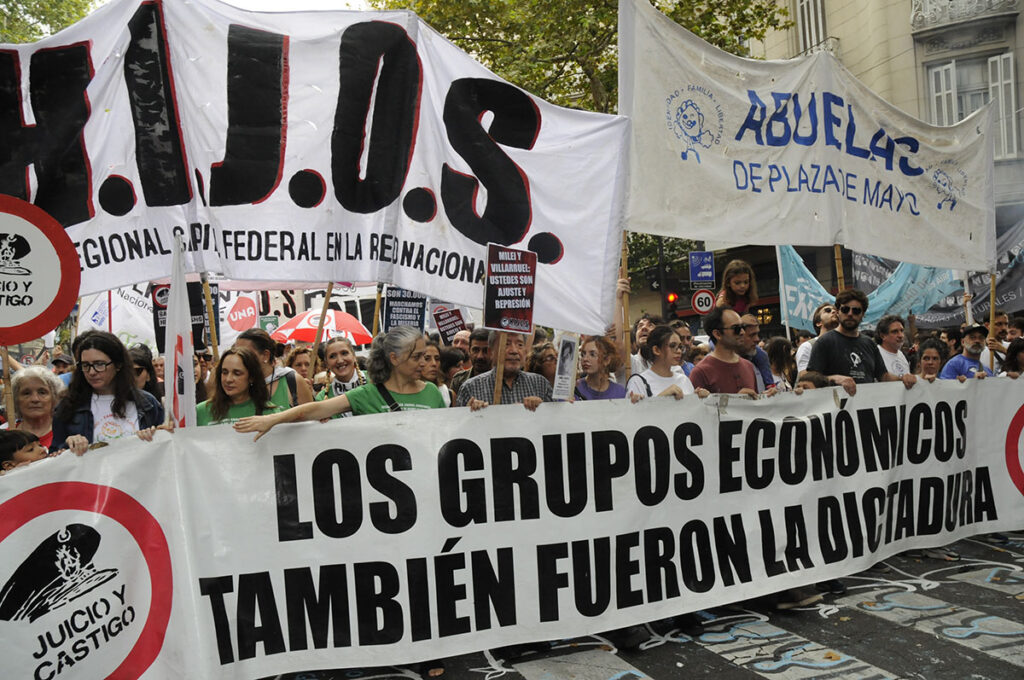
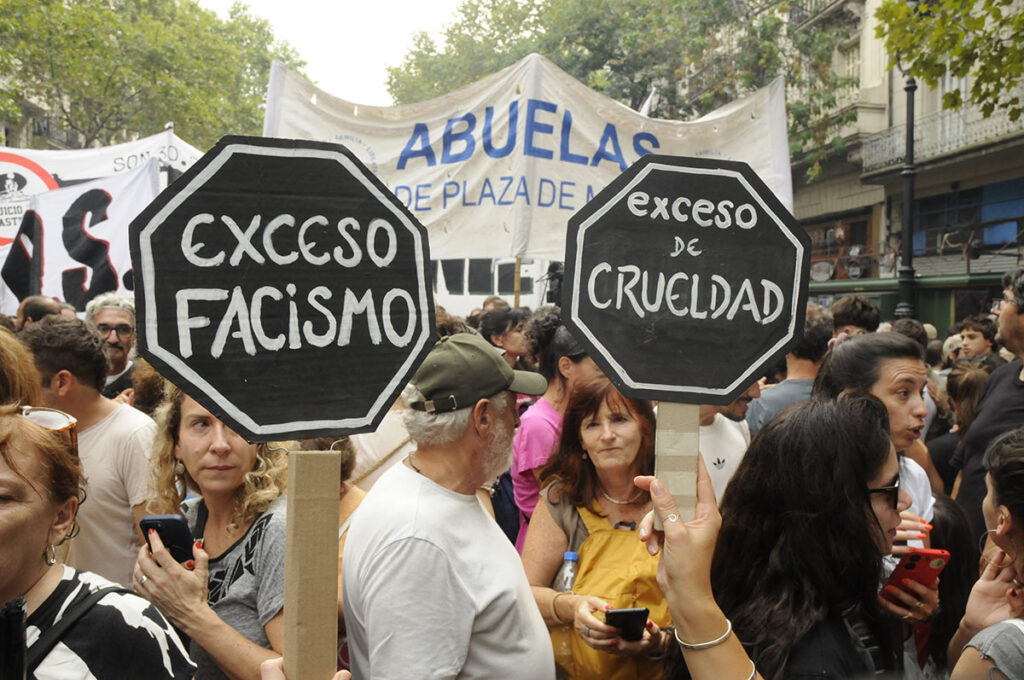
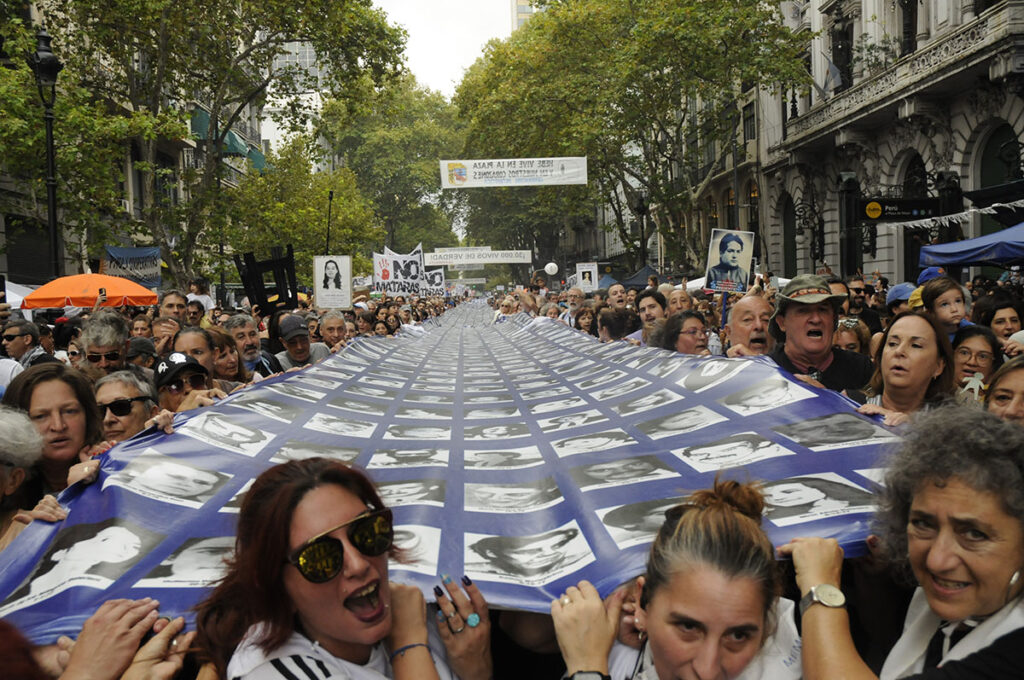
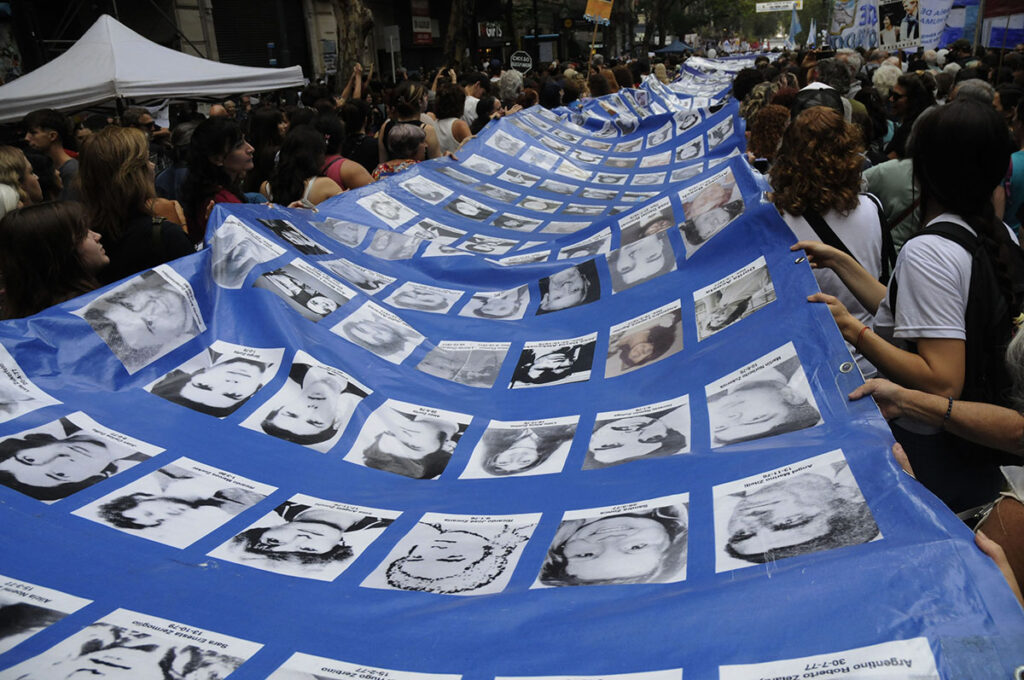
“Excessive homophobia, discrimination, and fascism,” read black octagons mimicking food warning labels. “Not one more child lost to agrochemicals,” said one of the signs. The call for unity from human rights organizations, which marched together again after almost 20 years, was woven into a plurality of ideas and sectors. Behind the Mothers of Plaza de Mayo and other organizations, around the blue flag of the disappeared that stretches for several blocks, marched retirees, columns of students, families with children, groups of friends, and political, social, and labor groups. Argentina soccer jerseys mingled with those of other teams, worn by fans of social justice.
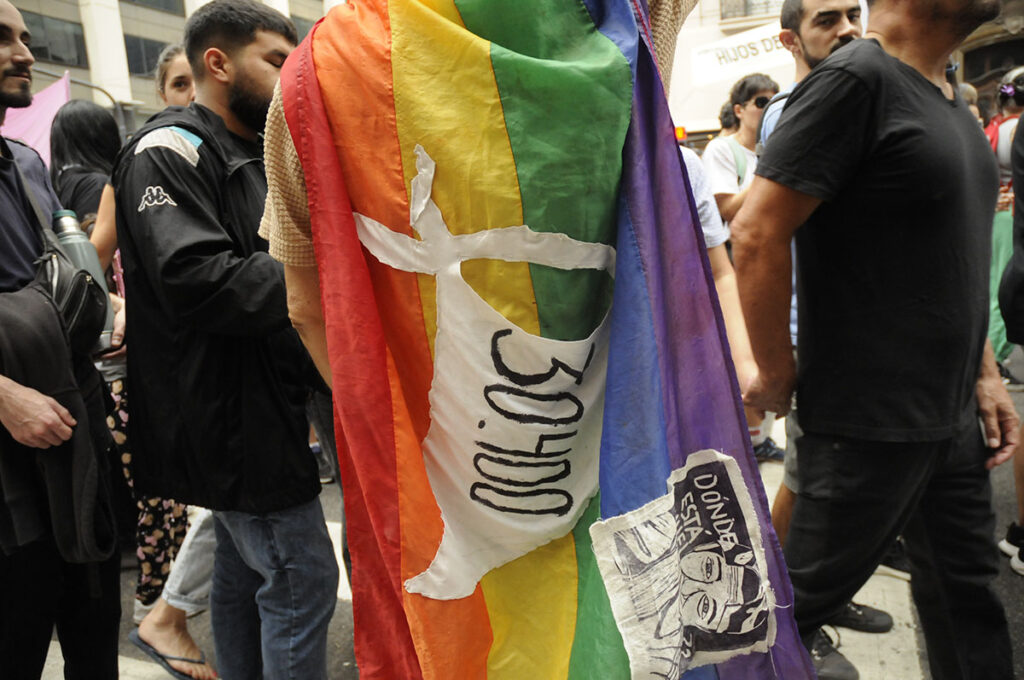
Gladys walked along Avenida de Mayo arm in arm with her daughter, María Clara. They had traveled from Moreno. The mother wore a white headscarf that read "Never Again" and a small scarf on her t-shirt that repeated a phrase by Estela de Carlotto, president of the Grandmothers of Plaza de Mayo: "How beautiful it is to grow old fighting." The daughter had light blue hair, was wrapped in a rainbow flag, and carried a green handkerchief tied to her backpack. Together they radiated a spirit of the times, intergenerational and of synchronized struggles.
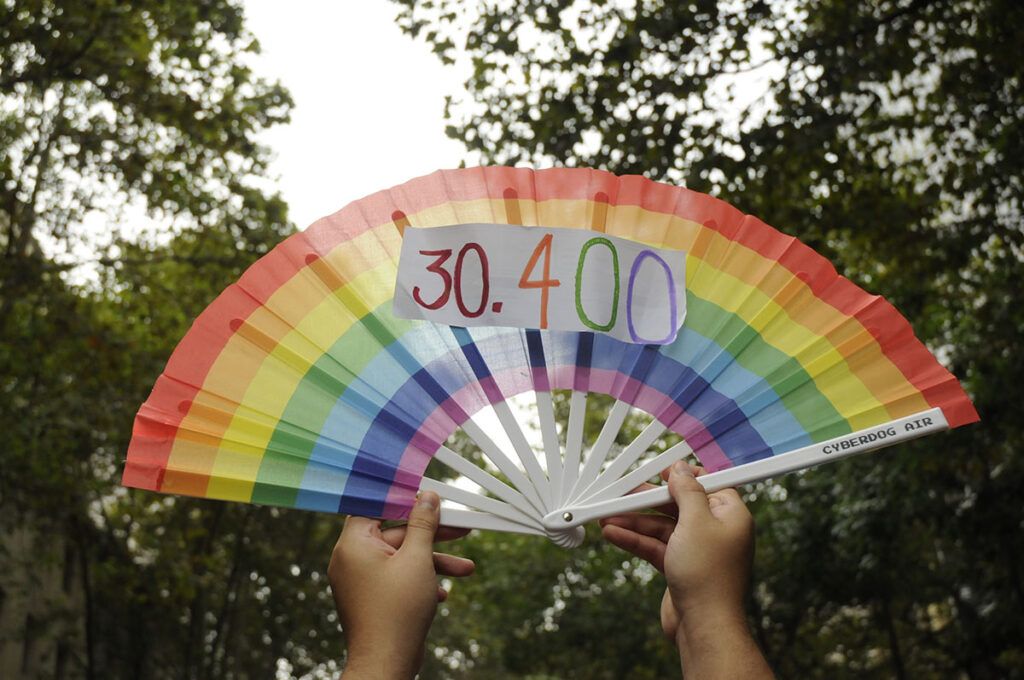
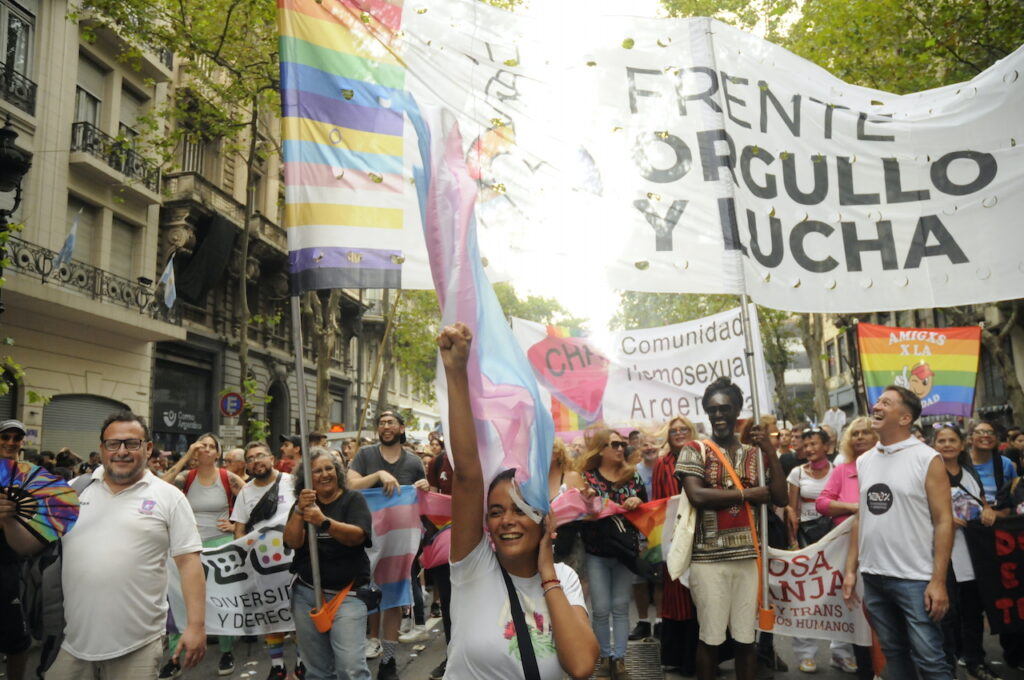
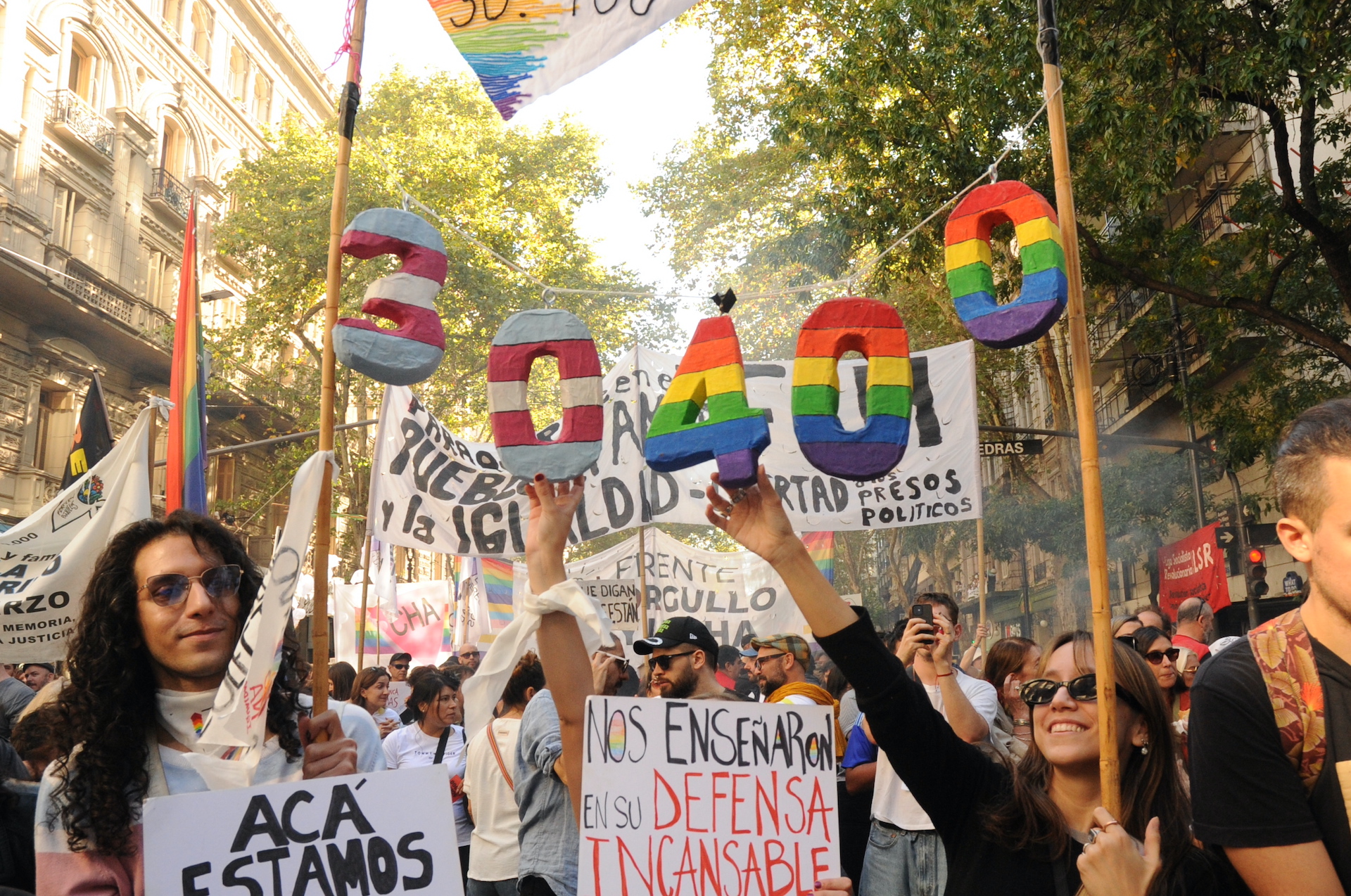
Alongside the Mostri column and spaces representing sexual diversity and dissidence marched Vedette and La Kalo, drag queens and artivists. On Saturday, they had participated in the “Drag Queens for Memory” event at the 911 Cultural Center, along with other drag artists who connect this art form with history and memory. “That society that insists on forgetting and making us invisible has been exposed. There aren't that many of us, but we're also bombarded in the media to feign a massive presence,” Vedette told us. Behind the Mostri column, a group of children sang songs. “They played with us and asked questions about the colors we were wearing, as if the world we dream of were a reality. Without diversity, we'll never get out of this. We are already a people, and we also have our tragic history during the dictatorship, which we will not let be forgotten. 30,400 present!” Vedette told us.
🎶💥"Lots of anal sex against capital, lots of gay sex against Milei," sings the Mostri Column. #March24 pic.twitter.com/ROROZ0zRhb
— @presenteslatam.bsky.social (@PresentesLatam) March 24, 2025
The poster with that number, which commemorates the 400 disappeared LGBT people, also multiplied yesterday. “It’s crucial that we are visible in the streets, in marches, and in all the places where decisions are made about how the country will be built and how we will get out of this disaster called Milei. Without us, there is no future, and much less without our voices,” La Kalo told us. “As a trans, drag, freak, and member of the working class, I reaffirm my place in this country; I stand up for myself and my comrades.”.
Diverse groups also marched in the Pride and Struggle Front. Along with other LGBT organizations, Norma, Tehuel's mother, marched with a banner asking about her son: Where is Tehuel?.
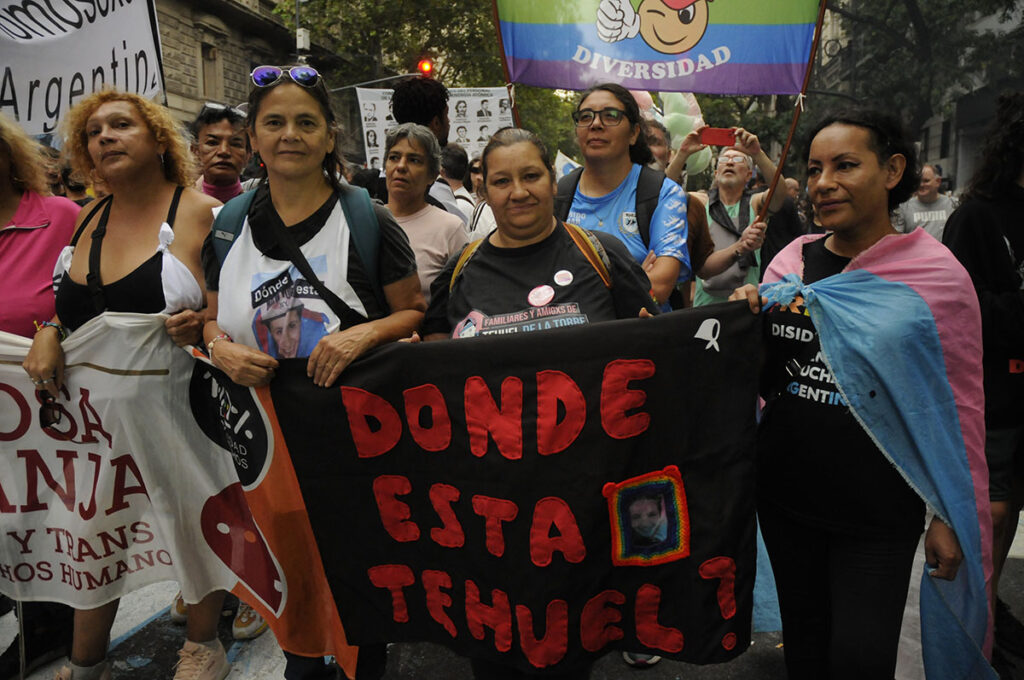
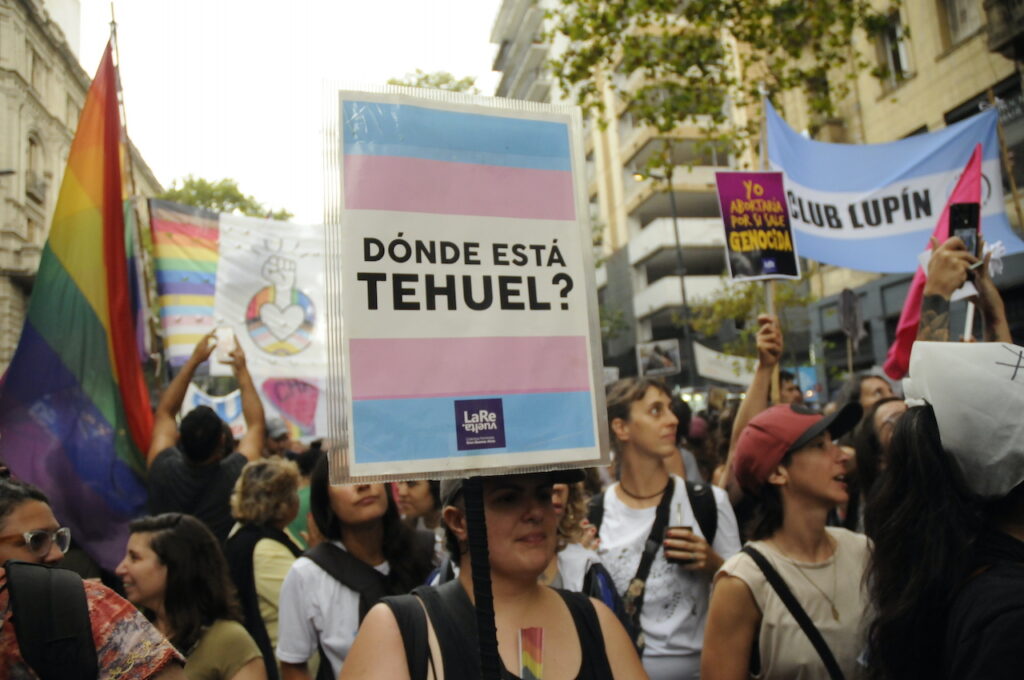
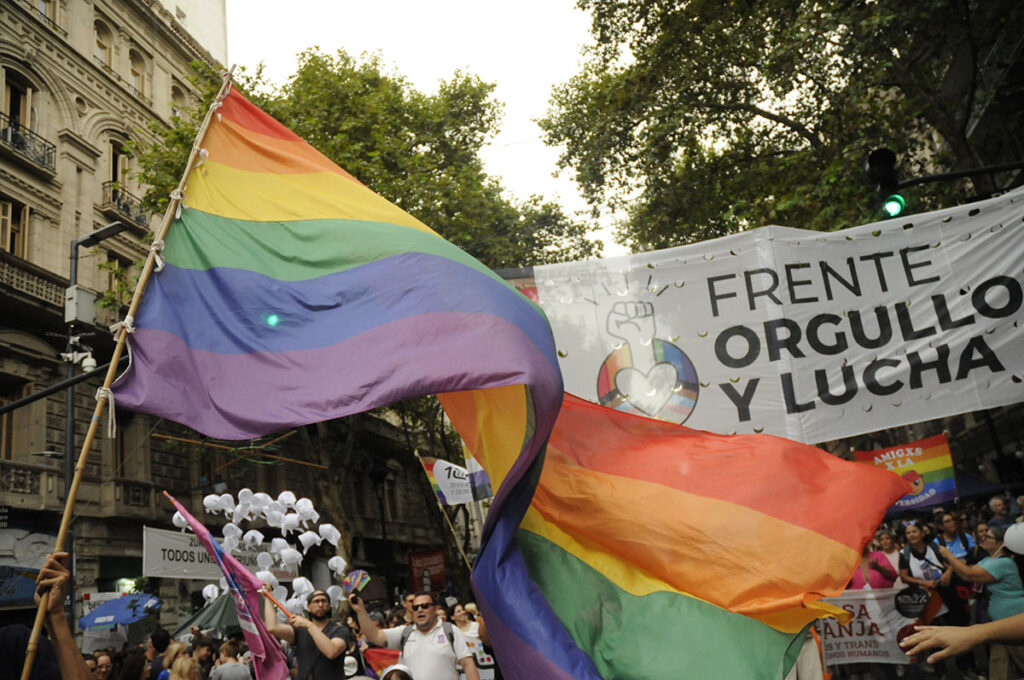
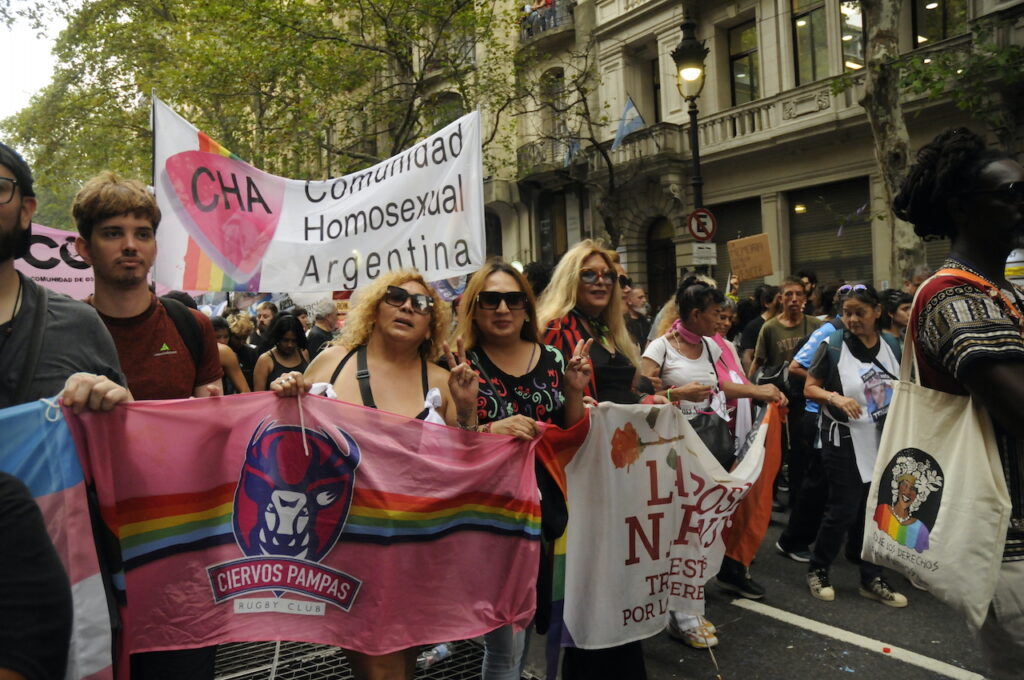
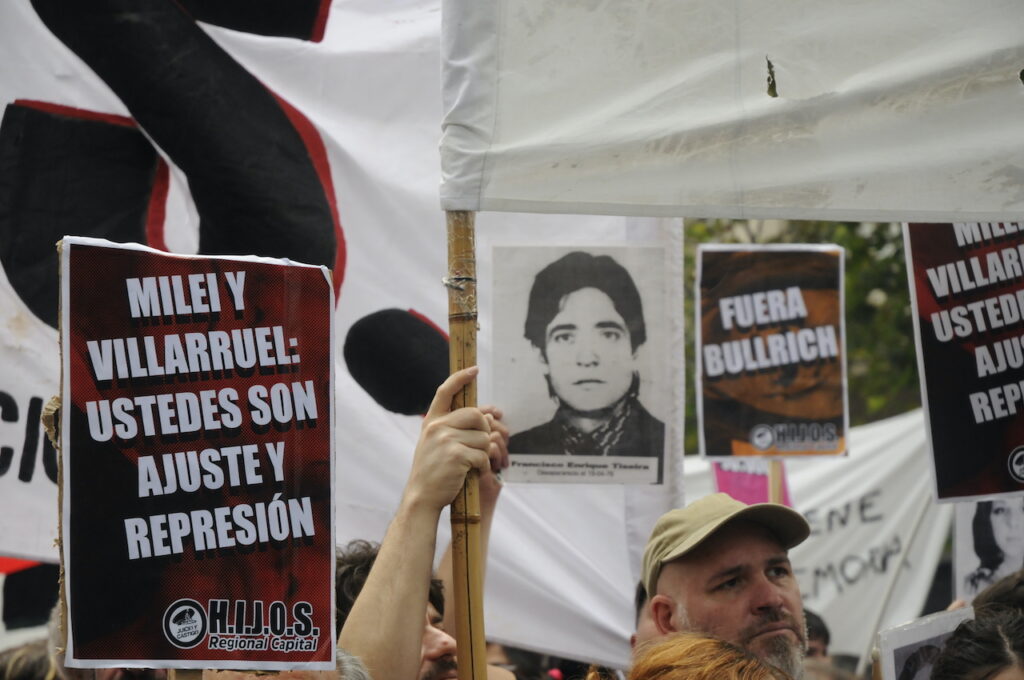
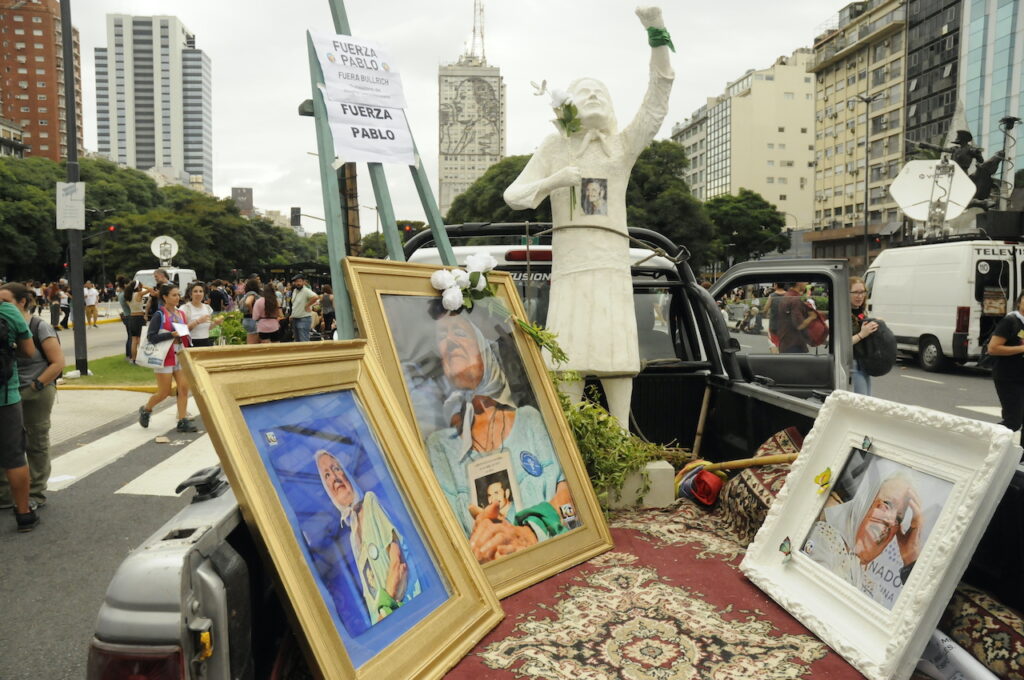
The street was also filled with posters reminding everyone that while photographer Pablo Grillo was leaving, he continues to fight for his life after an attack by security forces commanded by Patricia Bullrich. The Minister of Security was also remembered on several posters—"Patricia Bullrich," one read. While the walls were covered with crickets and demands for justice for Pablo, reminding everyone that it wasn't an accident, but the responsibility of the State, the streets yesterday also declared: Never Again.
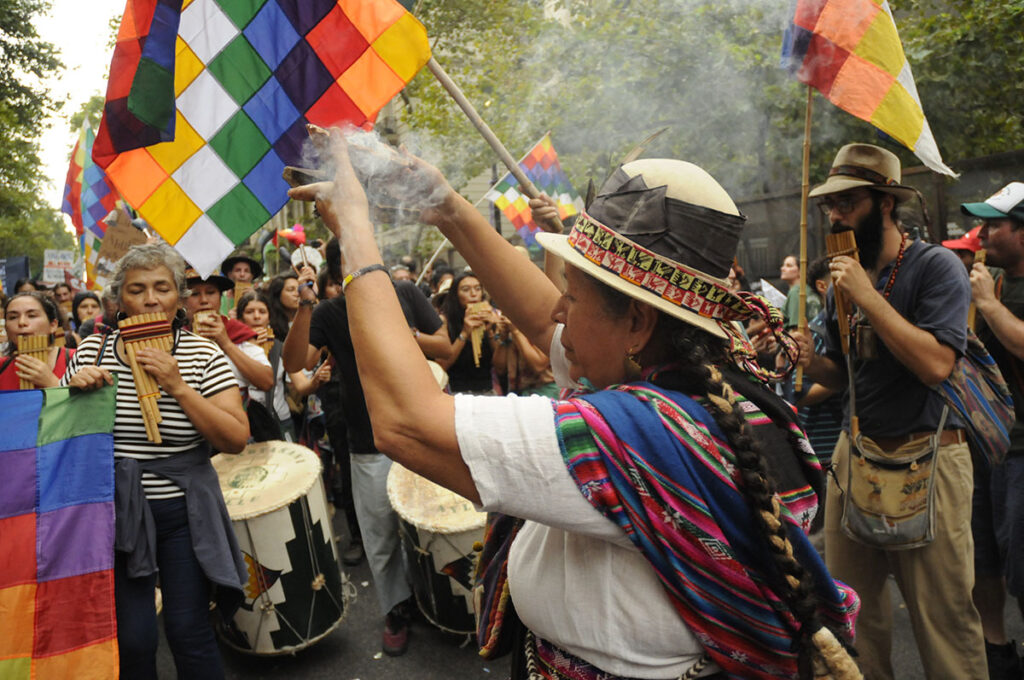
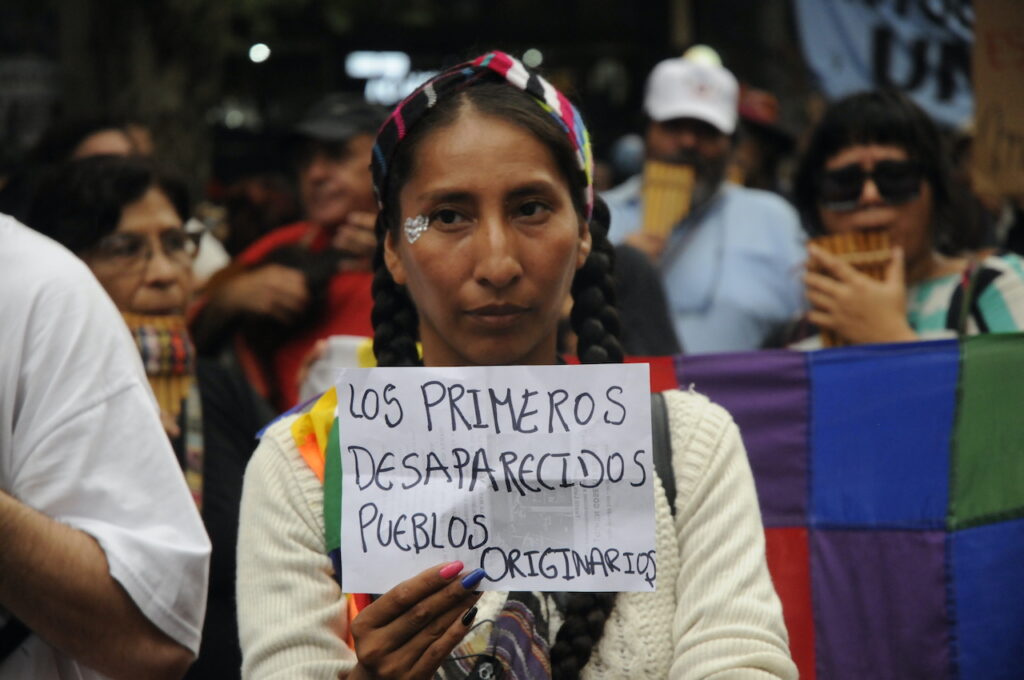
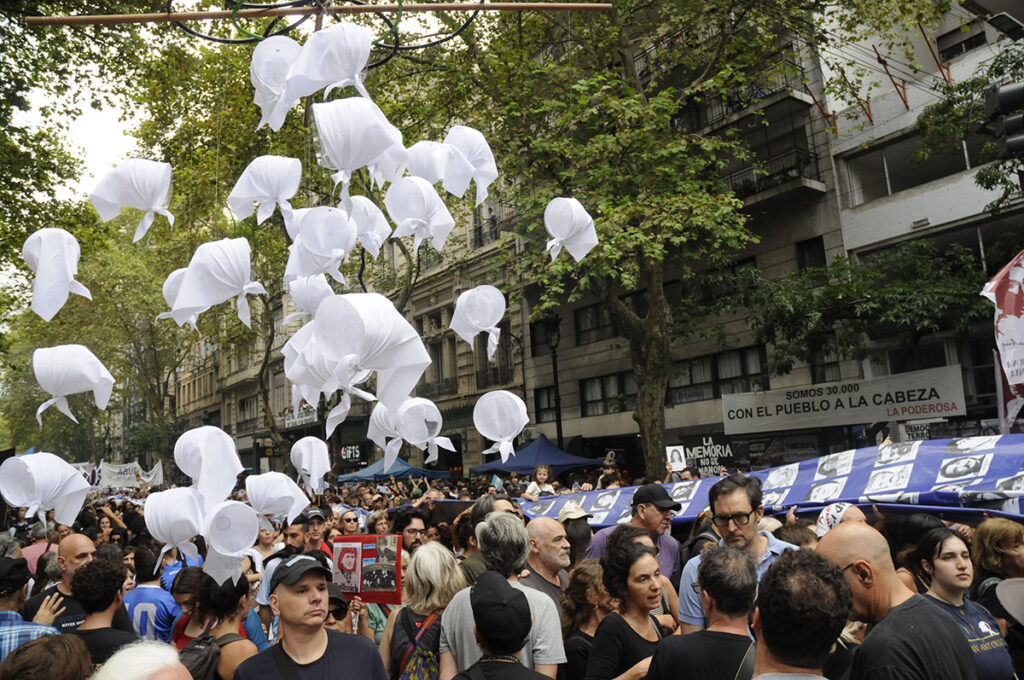
On a balcony, a large banner proclaimed: “We feminists say there are 30,000 and it was genocide.” All the activism pursuing justice and equality was present and growing stronger. “We are here as migrants for the memory, truth, and justice of those more than 30,000 disappeared, because the migrant community was also among them, at the service of the people,” commented Jessica Paola Vargas.
✊🏽📣 "We are here as migrants for the memory, truth, and justice of the more than 30,000 disappeared, because the migrant community was also among them, at the service of the people," says Jessica Paola Vargas. pic.twitter.com/PVAYjLa48O
— @presenteslatam.bsky.social (@PresentesLatam) March 24, 2025
“Brotherhood gives us strength to keep going,” said human rights activist Alda Pedernera, a worker at the Memory site and former clandestine center Pozo de Banfield.
📣🤍🇦🇷 "The camaraderie among us all is beautiful and gives us strength to keep going," expressed human rights activist Alda Pedernera. She works on building memory at the Pozo de Banfield Memorial Site and former clandestine detention center. pic.twitter.com/7bKpnQwsFe
— @presenteslatam.bsky.social (@PresentesLatam) March 24, 2025
Never Again means Never Again
#NeverAgain #Son30Mil #24M pic.twitter.com/nQhHYN758t
— @presenteslatam.bsky.social (@PresentesLatam) March 24, 2025
It was the first march without Nora Cortiñas and Lita Boitano, two major human rights figures. The document read on stage by representatives of the two large coalitions of organizations that joined together yesterday—Estela de Carlotto, Elia Espen, Adolfo Pérez Esquivel, and Taty Almeida—reminded the government of the long list of demands behind the march, which was also the best response to the denialist video released by the government in the early hours of the day.
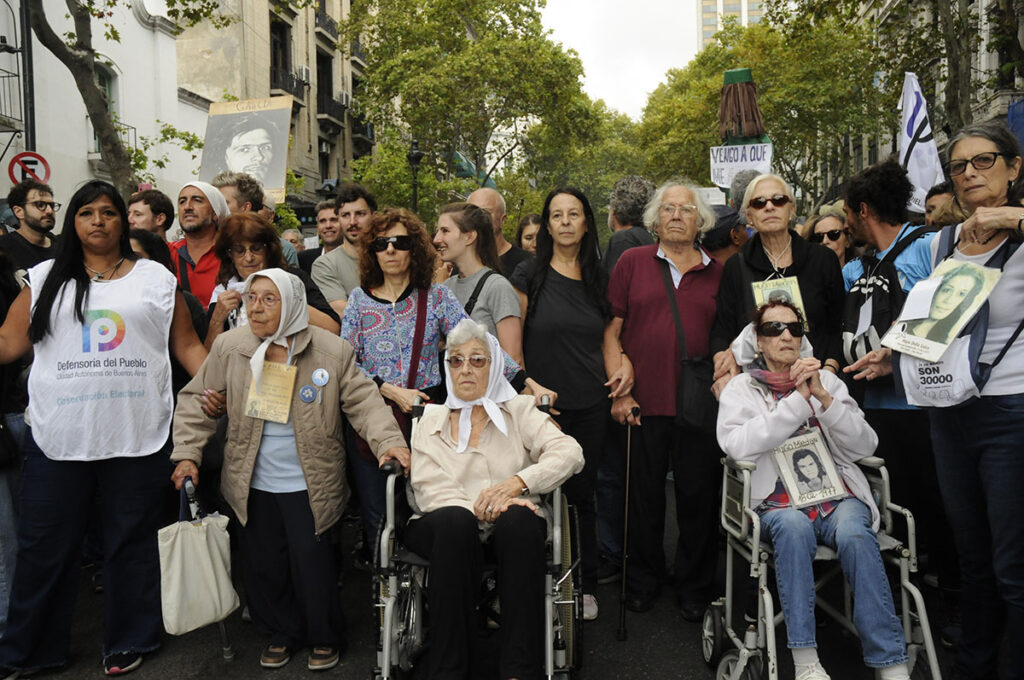
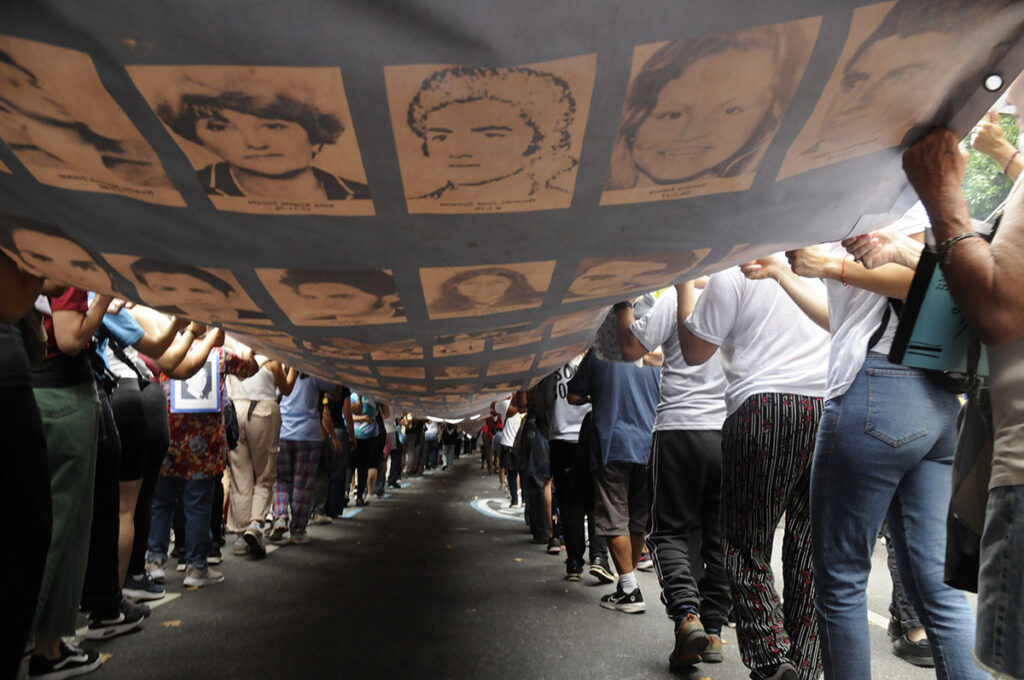
The document demanded “Repeal of Decree 70/23, the corrupt Framework Law, the delegated powers, and the RIGI!” and denounced “the growing poverty in which more and more families live, and the closure or dismantling of assistance programs for the most vulnerable.” Because speaking of memory means remembering that economic groups were also part of the dictatorship. It concluded by demanding: “Stop the hateful and misogynistic rhetoric of Trump and Milei. For a free Palestine. We condemn the genocide in Gaza. The feminist, trans-feminist, and LGBT+ movements won our rights in the streets, and we will defend them in the streets. In defense of free, legal, safe, and accessible abortion, the trans and travesti employment quota, comprehensive sex education, and the laws that guarantee the right to gender identity. Against racism, xenophobia, and the government's fascist-leaning policies. Stop attacking and persecuting migrants, young people, and Indigenous peoples. Enough, Milei. Bullrich out.”.
Never again means never again!!! 30,000 disappeared detainees, present!” After finishing the reading, Taty Almeida added: “Comrades, this march will be historic because after a long time we have achieved unity. We are demonstrating with actions, not words, that a united people will never be defeated.”.
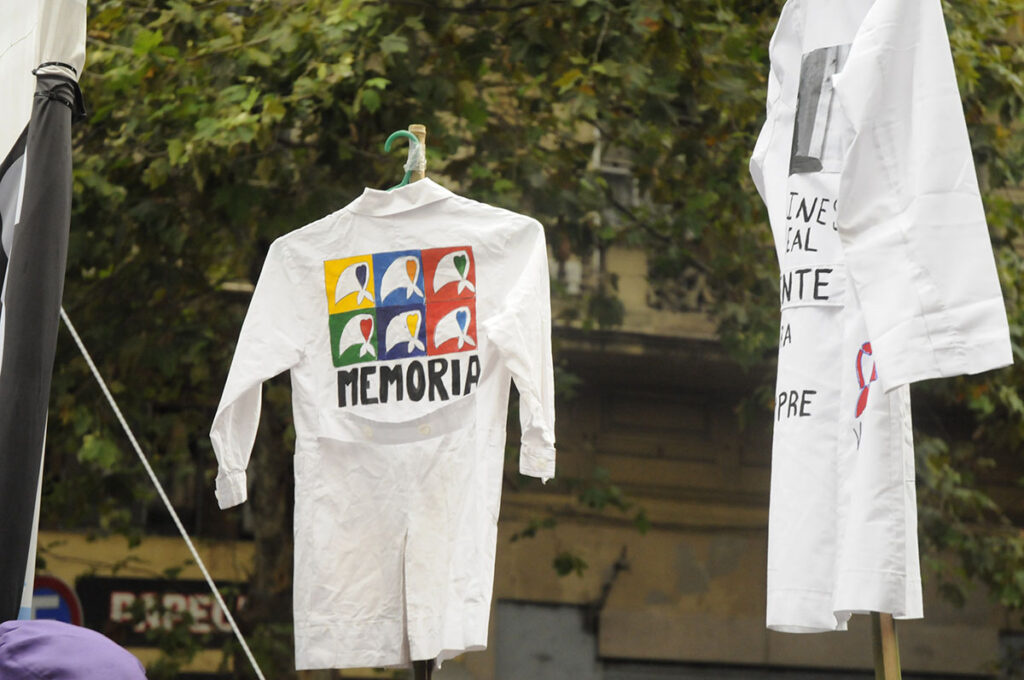
Thousands of us flooded Avenida de Mayo, and there was no disturbance. It was demonstrated that the security forces can provoke and distort narratives. But yesterday, the words of the eternally retired activist Norma Plá resonated: “We are more the people than the military.” Many more of us upheld memory as a way to illuminate the present. Because it's not just about the past, but about how our history is articulated and reinterpreted today, in this political context and moment. Yesterday it became clear: even though the Milei government continues to attack the policies of memory, truth, and justice with a chainsaw and a criterion of truth based on lies, these policies are already part of the identity of the Argentine people. Despite the bad news regarding human rights that we receive daily in Argentina, there are catalysts that organize us as a society amidst the chaos and the crisis of political representation. This #24M is one of them.
We are present
We are committed to journalism that delves into the territories and conducts thorough investigations, combined with new technologies and narrative formats. We want the protagonists, their stories, and their struggles to be present.
SUPPORT US

FOLLOW US
Related notes


We are present
This and other stories are not usually on the media agenda. Together we can bring them to light.