

Mexico of Colors: Folkloric dance and drag to talk about LGBT rights
México de colores is a folk dance company that rescues drag to vindicate LGBT rights in dance.


Share

MEXICO CITY, Mexico. Dance has the virtue of presenting itself in different forms without losing its essence. Folklore, in particular, harbors an arsenal of expressive possibilities. With that premise in mind, and given that one never knows what to expect in this country, the motto of magical Mexico finally comes to mind.
In Mexico, some examples of folk dances include the Jarabe Tapatío , the Danza de los Viejitos , the Huapango , and the Polka Norteña , among others. Therefore, it seemed impossible to combine these with drag culture, which is more popular in the LGBT+ community and nightlife. Drag is associated with platform heels, wigs, extravagant clothing, and makeup, mostly in metallic tones.
There's a dance company that made it possible: fusing these two cultures to create "México de Colores" (Mexico of Colors). It's the first LGBT+ dance company that embraces all masculinities with a passion for folk dance and drag. Most conventional folk dance companies have to meet certain requirements, from being young to having a fit physique. In " México de Colores, " none of that matters.
A journey of color and rhythms
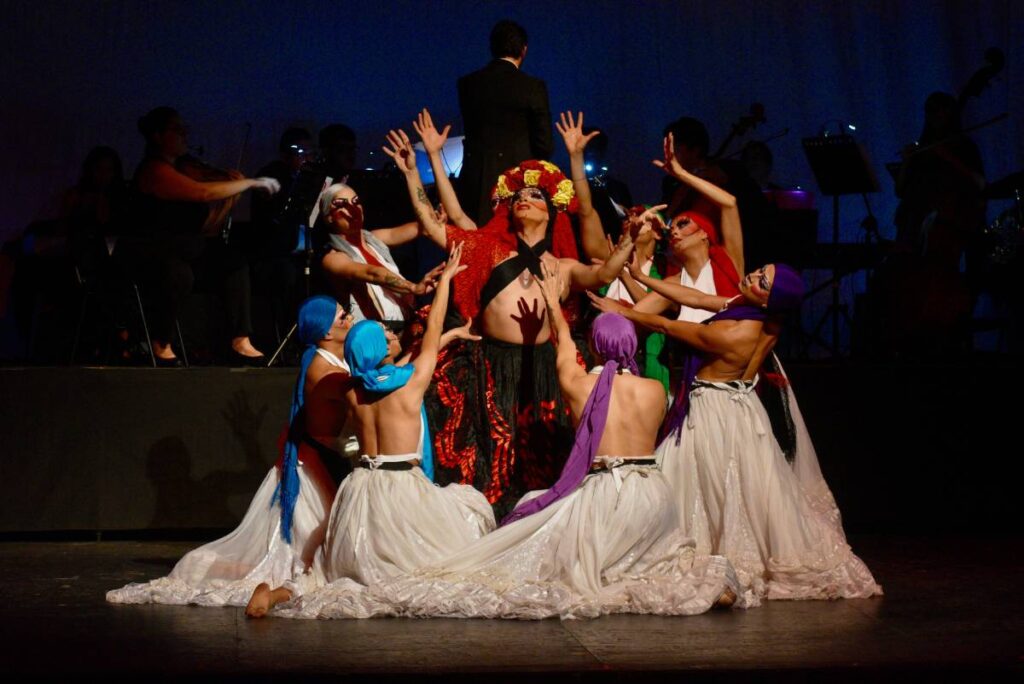
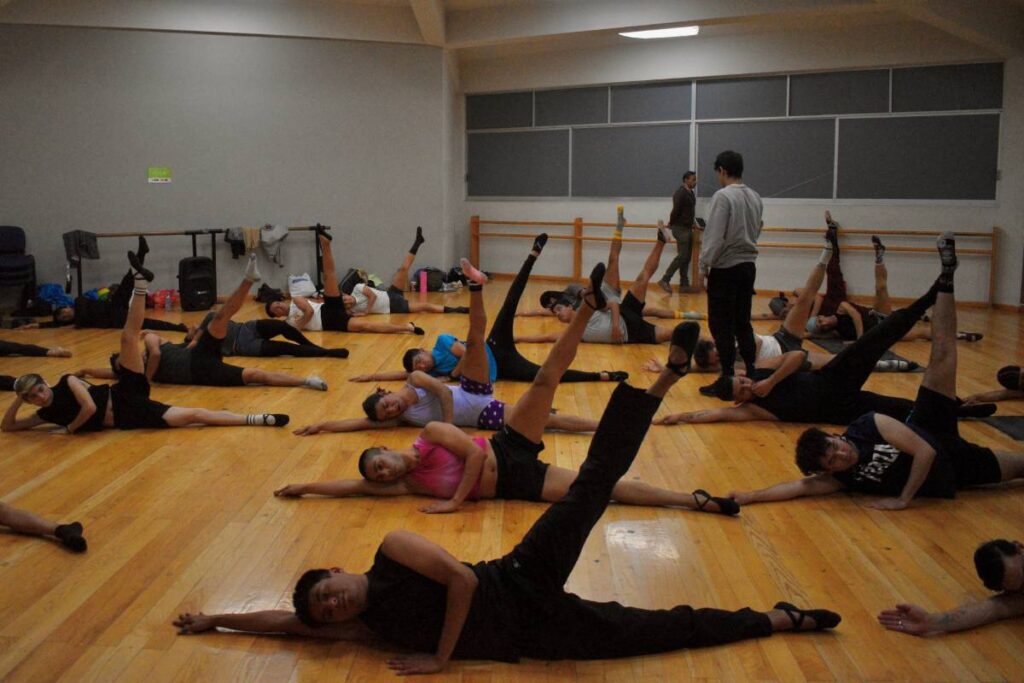
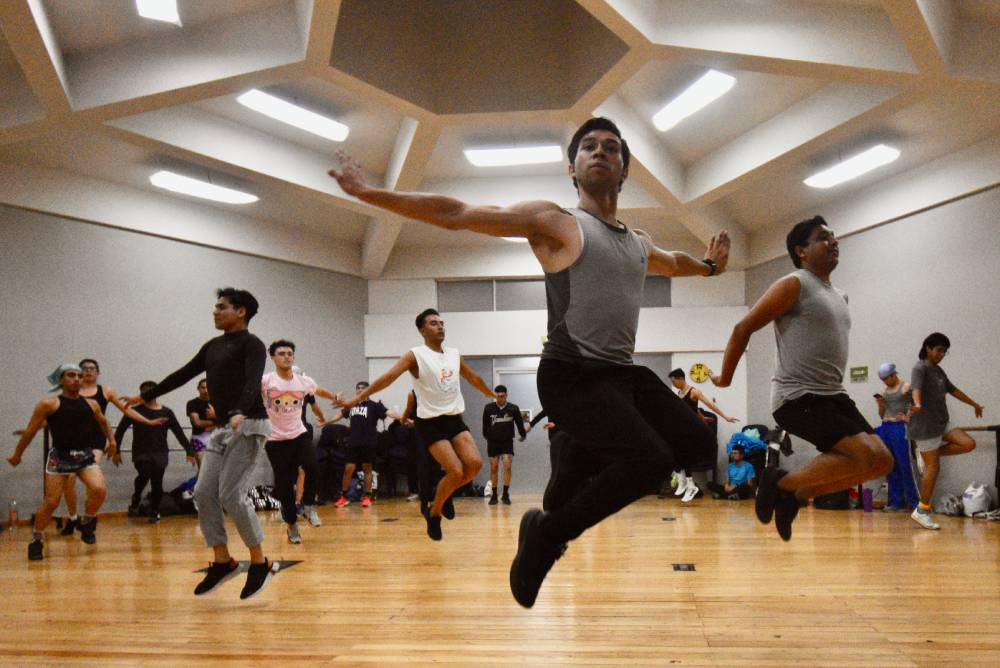
“Are you ready? We’re going to blow your mind when you see us rehearse, and even more so when you see us live in a performance,” commented Kevin Hernández, the ballet teacher. The company is 14 years old and has had more than 25 members. It currently has 20 official dancers, and every year they hold auditions to welcome new members who want to learn more about folkloric and drag dance. There are 9 men and one trans woman participating in workshops. The goal is to eventually join the company and become an official member of the first international company of its kind.
The rehearsals are amazing, and as the work progresses, it becomes even more astonishing. The company typically performs around 50 shows nationally and has had some international performances. They have been hosted by the United States, Cuba, and France, and were recognized for their great diversity throughout the show. The company is filled with pride in both its sexual diversity and its patriotism.
Sponsorships, on the other hand, are the responsibility of whoever hires them. Often, authorities at all three levels of government ignored them when they requested support.
Dance for all audiences
They currently rehearse at a cultural center in the Del Valle neighborhood of the Benito Juárez borough, thanks to an agreement they've had with the borough for the past five years. This agreement allows them to rehearse there free of charge. In exchange, they perform when the borough requests it. Previously, they rehearsed wherever they were allowed, most often in parks.
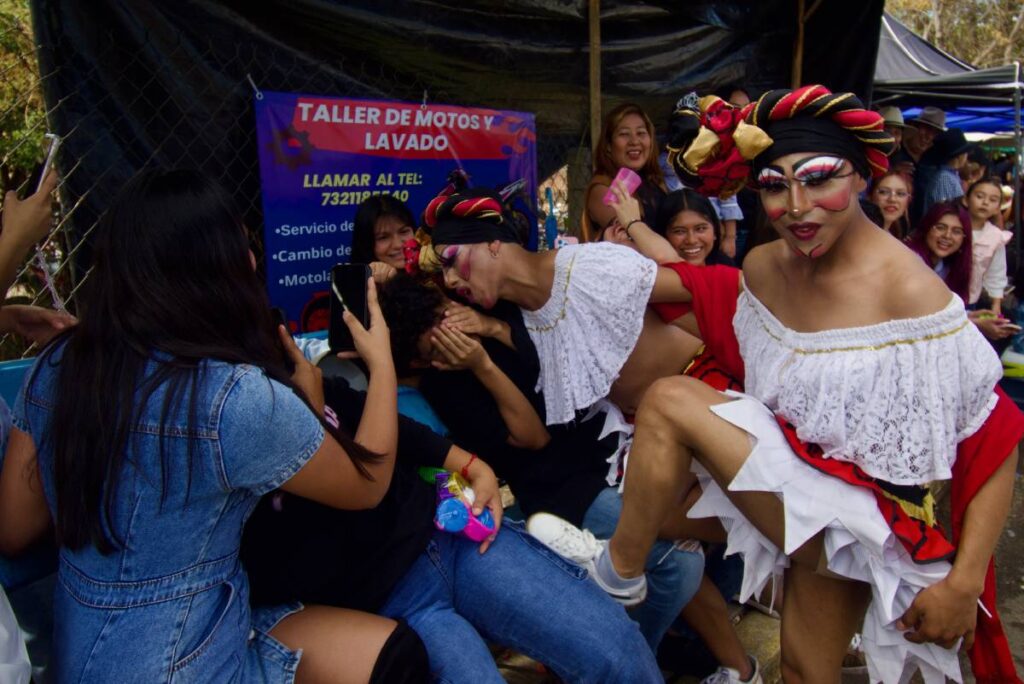
Performances range from large theaters to village festivals, so the audience is always diverse. This has led them to face situations of discrimination and insecurity, since homophobia still exists in some parts of the country. They have also faced harassment, because sometimes audience members, in a playful manner, make sexual advances towards them.
“Once we were in our dressing room, the show was over, when there was a knock at the door. When we opened it, it was a guy with two girls who looked kind of like drug dealers, who asked us for photos. We were already tired and had our makeup off, we didn't want anything. Discreetly, the guy showed that he was carrying a firearm, so we agreed. After that, who would say no?” Héctor Muruato recounted.
However, in other situations, they've been surprised. "They've applauded us so much that even children say they loved it and want to learn this dance. They even give us gifts, and that's priceless," says Antonio Vite, for example, adding that they received a great deal of praise as a way of thanking them. Nevertheless, Vite recalled that on one occasion they attended a wedding, not knowing who the couple was until the day they arrived and realized it was with people involved in drug trafficking. He mentioned that armed men were protecting them.
Honorary functions
They only perform a few times a year in Mexico City; they're often booked more for shows in other parts of Mexico. They say it's an honor for them because each performance is special, as they change the songs and dances.
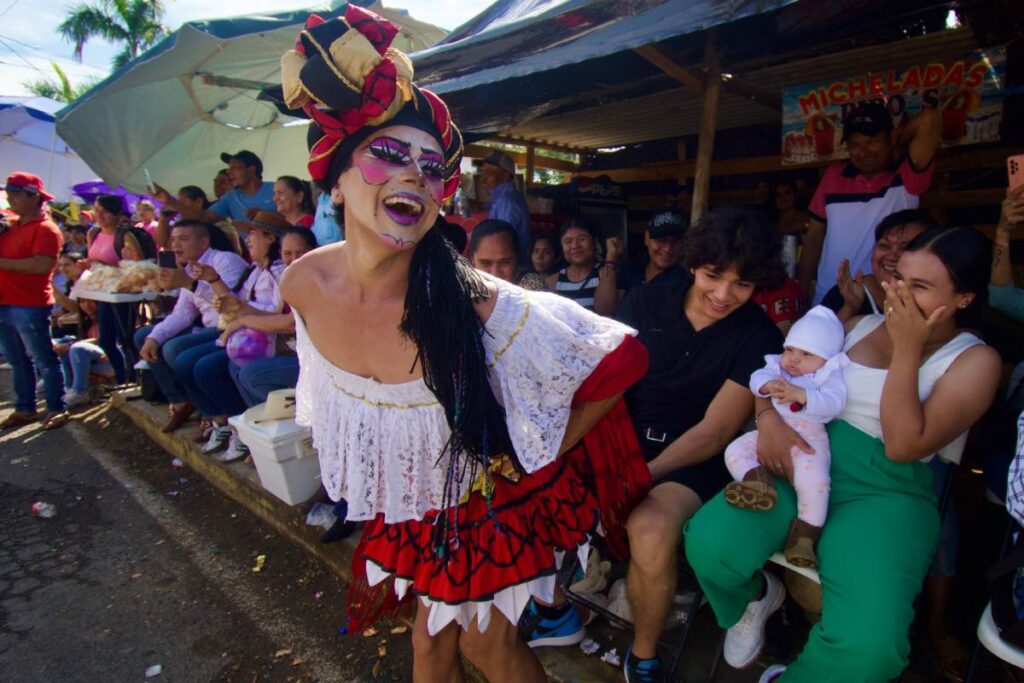
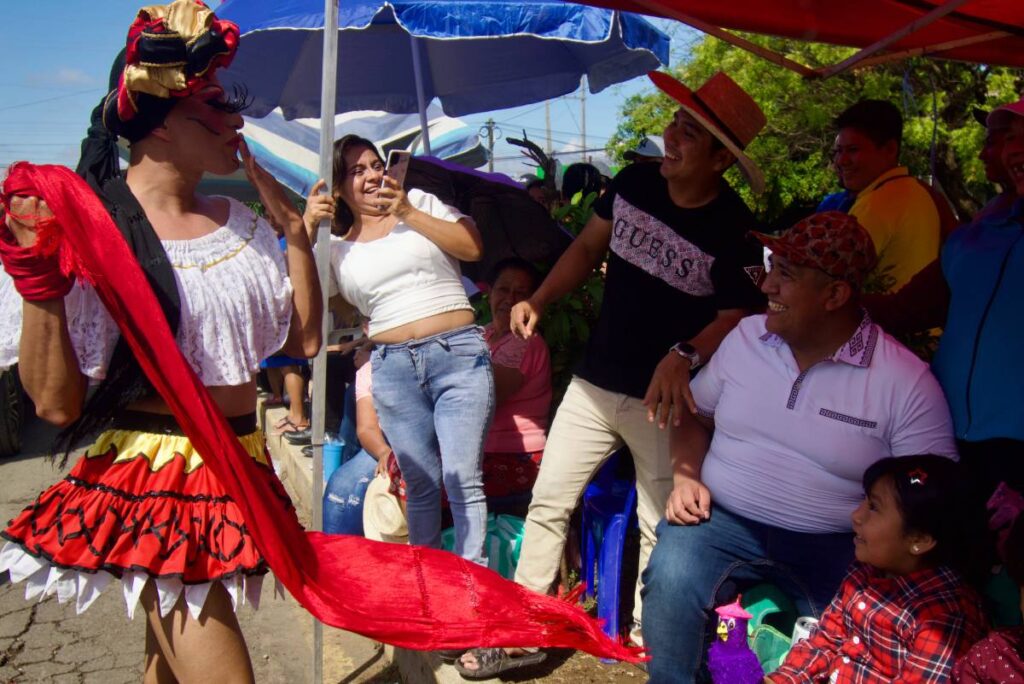
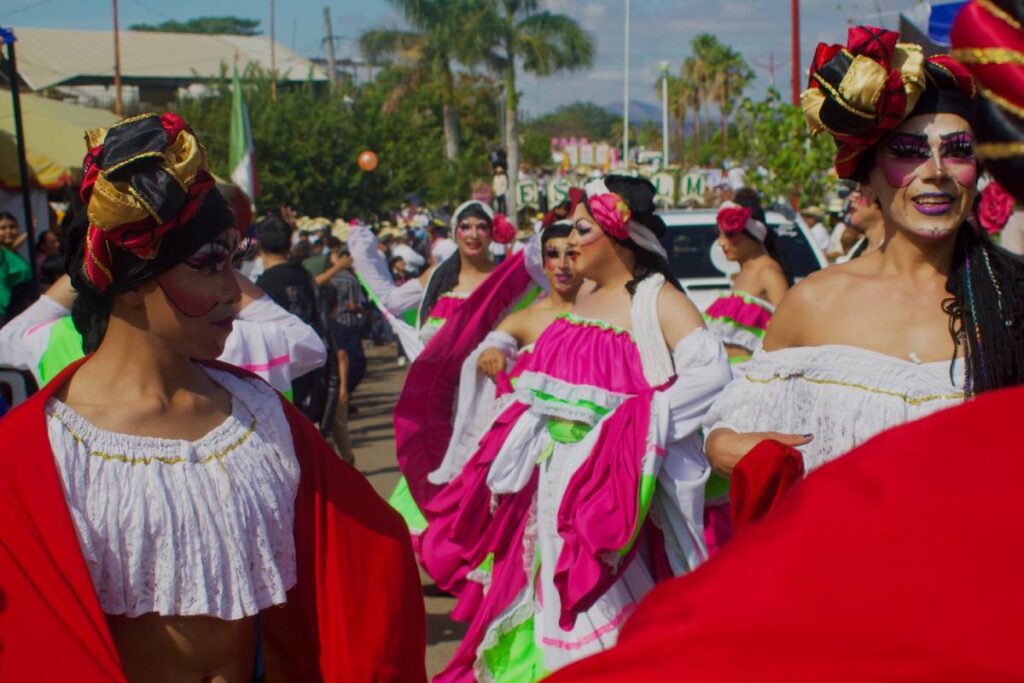
Another example is the company's performance in Arcelia, Guerrero, which has been running for four years. There, during the town's fair, they are the main attraction, both during the day with the parade—because they interact with the crowd—and at night with their show amidst the games and other entertainment. In town, people welcome them with mezcal, water, food, and lots of fun.
What's striking is that Arcelia is characterized as a region of the country where old customs are deeply rooted and machismo prevails. Not to mention the criminal environment that has plagued Tierra Caliente.
Dance with social content
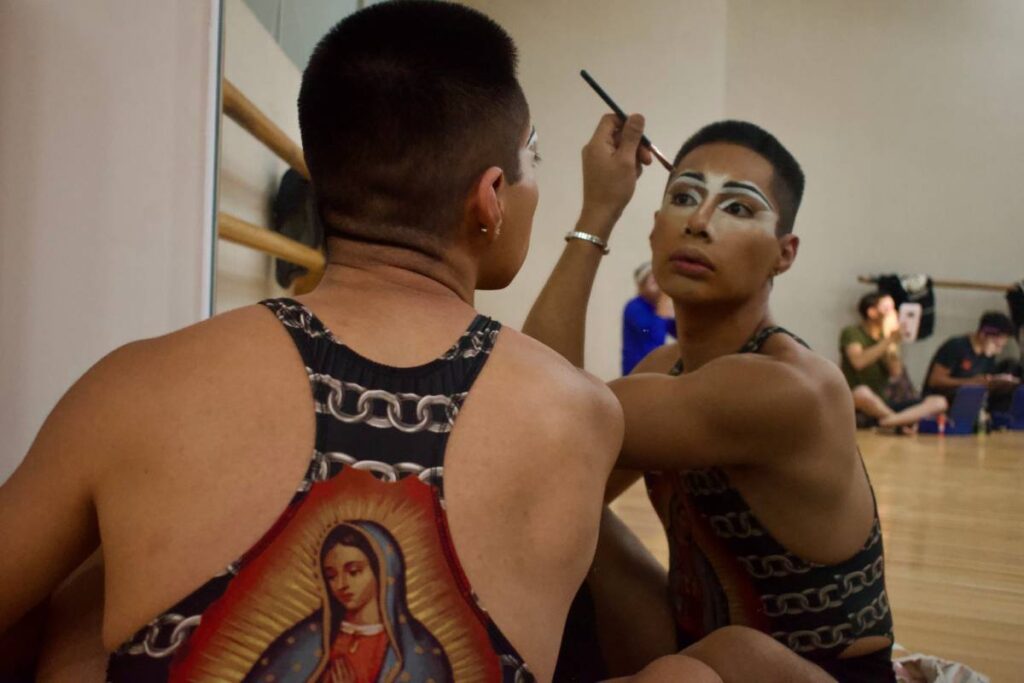
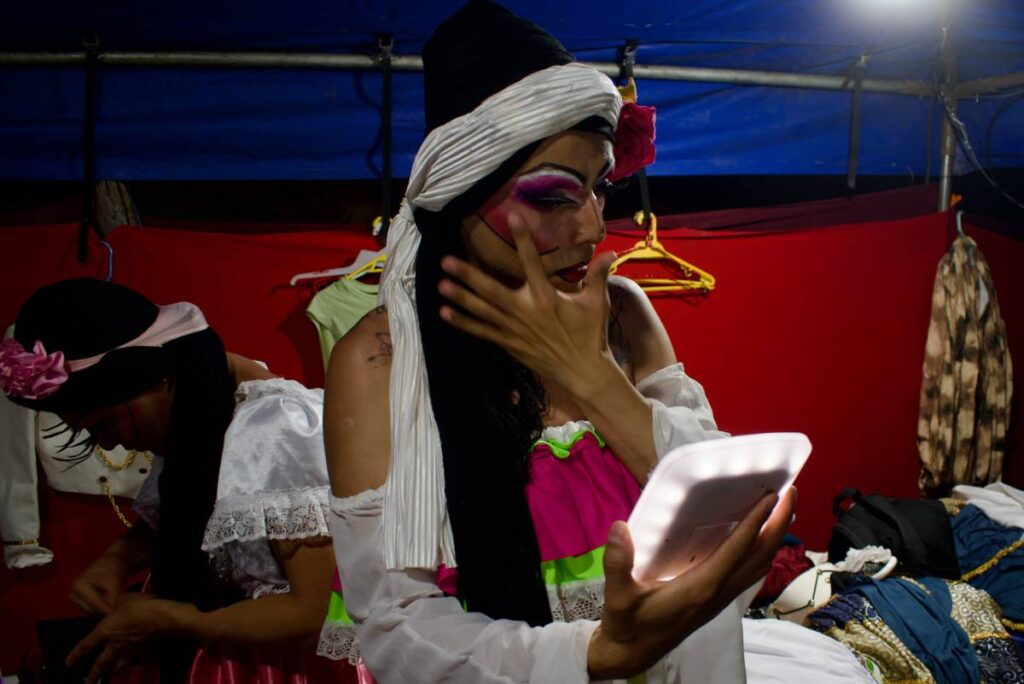
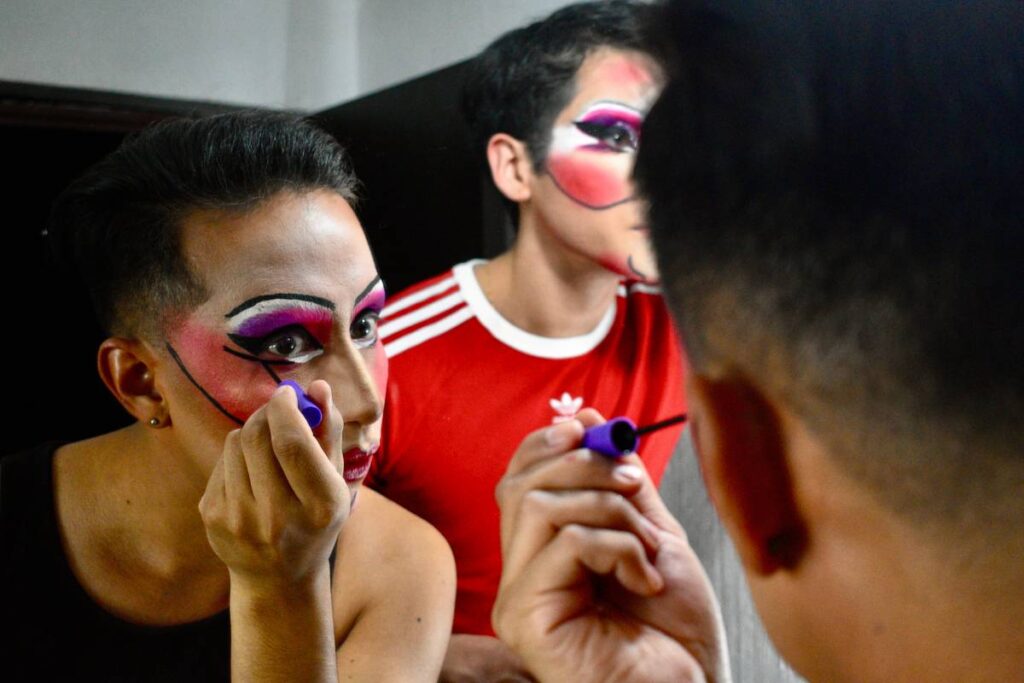
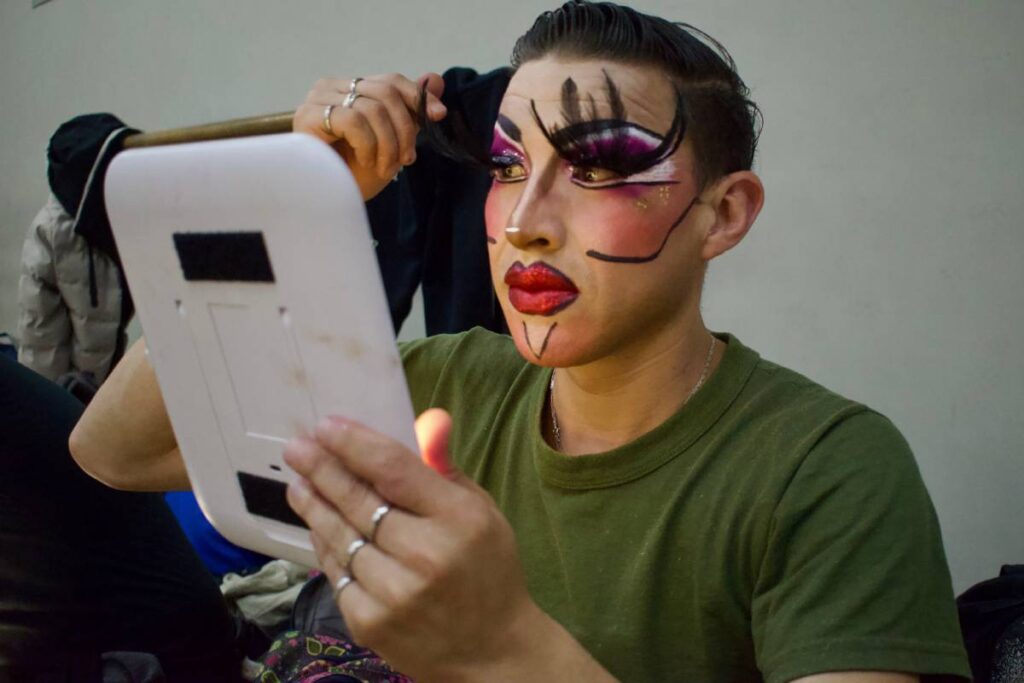
In most of the musical pieces, they usually wear a black shawl on their head, simulating long black hair. They use various makeup products and have a maximum of one hour to apply their makeup and pay tribute to the character of "La Roña"—a parody of the Mexican film diva María Félix, played by actor Dario T.
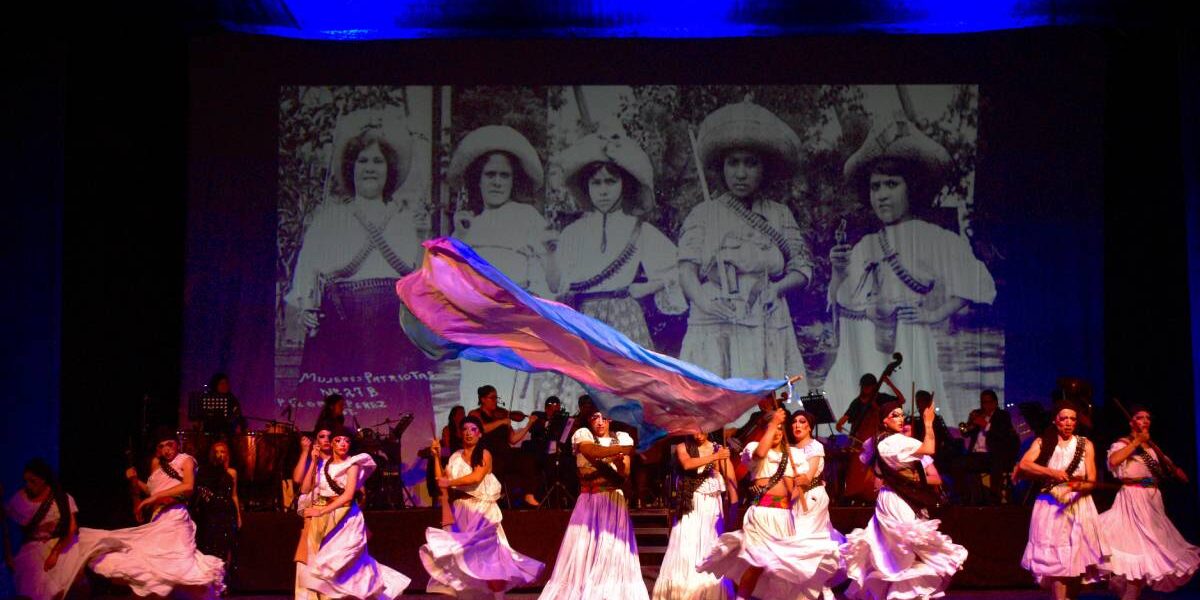
The dressing rooms are overflowing with women's clothing: thongs, bright pink skirts, the occasional tutu, jorongos, revolutionary-style dresses, traditional costumes from different regions of Mexico, ankle boots (with heels no higher than 7 centimeters), and closed-toe shoes. There are around 15 outfits per performance per person, in addition to flags and fans in rainbow colors and symbols of the trans community. LGBT+ music by artists like Lady Gaga, Dulce, Danna, Belinda, Kenia Os, and Beyoncé, among others, is always playing. There's also a large buffet—presented in a playful way—and everyone is always ready to help each other with their costumes when it's their turn to perform.
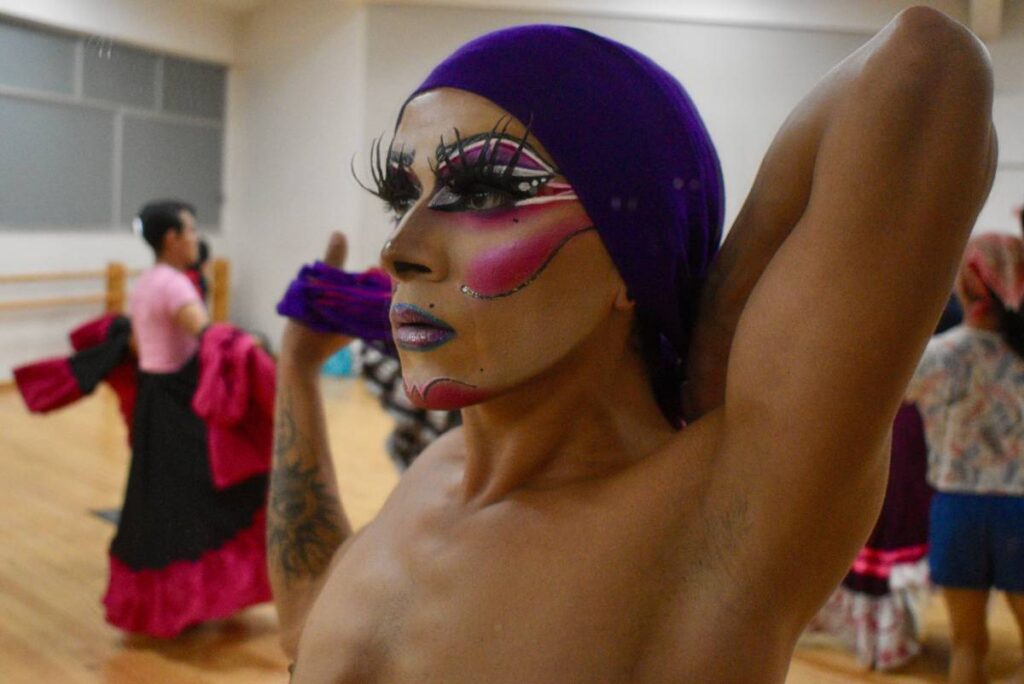
Each choreography carries a narrative, a social reference. One of the pieces is “The Other Struggle,” inspired by the character of Adelita in the revolution as a strong woman. But ultimately, the story they want to tell is that of the struggle faced by trans people: the struggle with society, the struggle within themselves to recognize their true selves, and the struggle within the trans community itself to recognize one another.
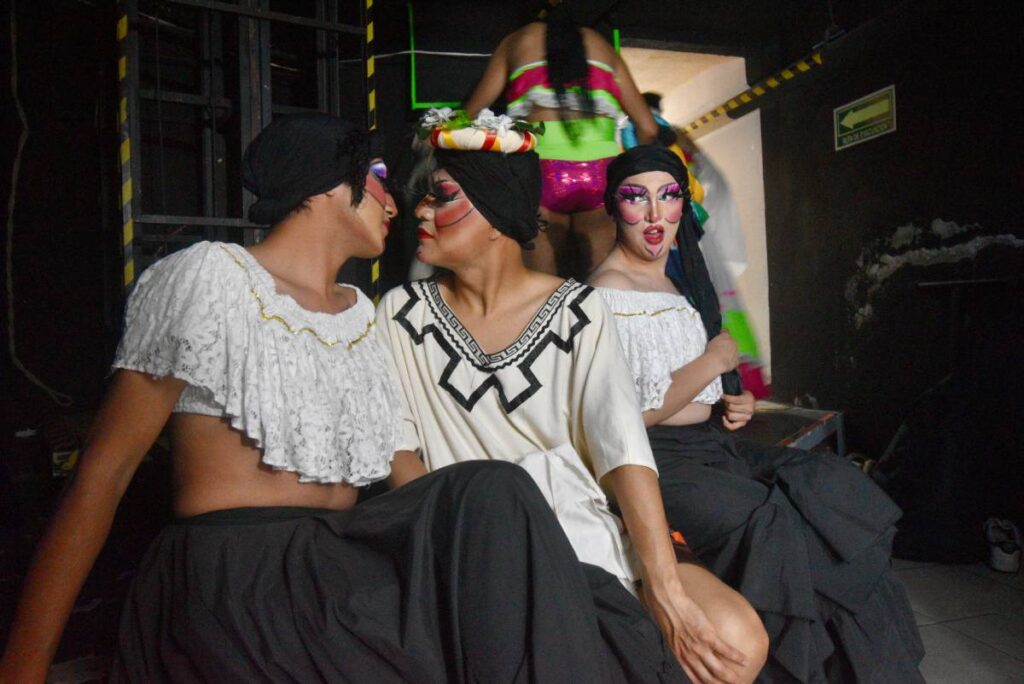
“Remember that love is for everyone, all of us.”
Another impactful musical number is “May God Forgive Them,” which tells the story of how the gay community is part of the faith, yet often faces barriers of discrimination. The piece is represented by a fabric and a banner bearing the image of the Virgin of Guadalupe, which is interpreted as rhetorical .
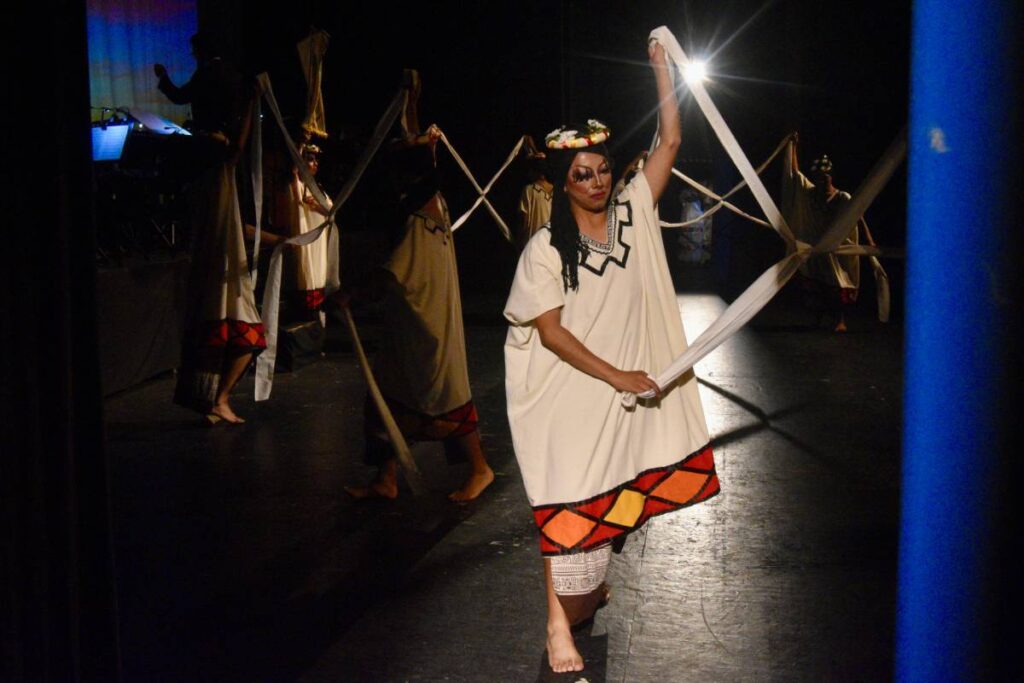
“México de Colores” is led by Carlos Antúnez, who has more than 40 years of experience and knows the subject well because he started in Silvia Lozano's ballet. He has also had to keep updating to incorporate and include all kinds of people who have a passion for dance.
Its artistic director, Alberto Salgado - or Beto as he is known in the company - mentioned that his main task is to give visibility and acceptance to people of sexual diversity so that heterosexual people have more empathy towards this sector of society.
“And remember that love is for everyone, all of us, and do it however you want.” That’s how they close every performance, with a message of love and unity for all people.
We are present
We are committed to journalism that delves into the territories and conducts thorough investigations, combined with new technologies and narrative formats. We want the protagonists, their stories, and their struggles to be present.
SUPPORT US

FOLLOW US
Related notes


We are present
This and other stories are not usually on the media agenda. Together we can bring them to light.