

They turned their house in Mar del Plata into a refuge for trans people
They are survivors and activists and created "Hogar Dignidad Trans" (Trans Dignity Home), a space of resistance and shelter built from the ground up, which earned them recognition from Pope Francis.


Share

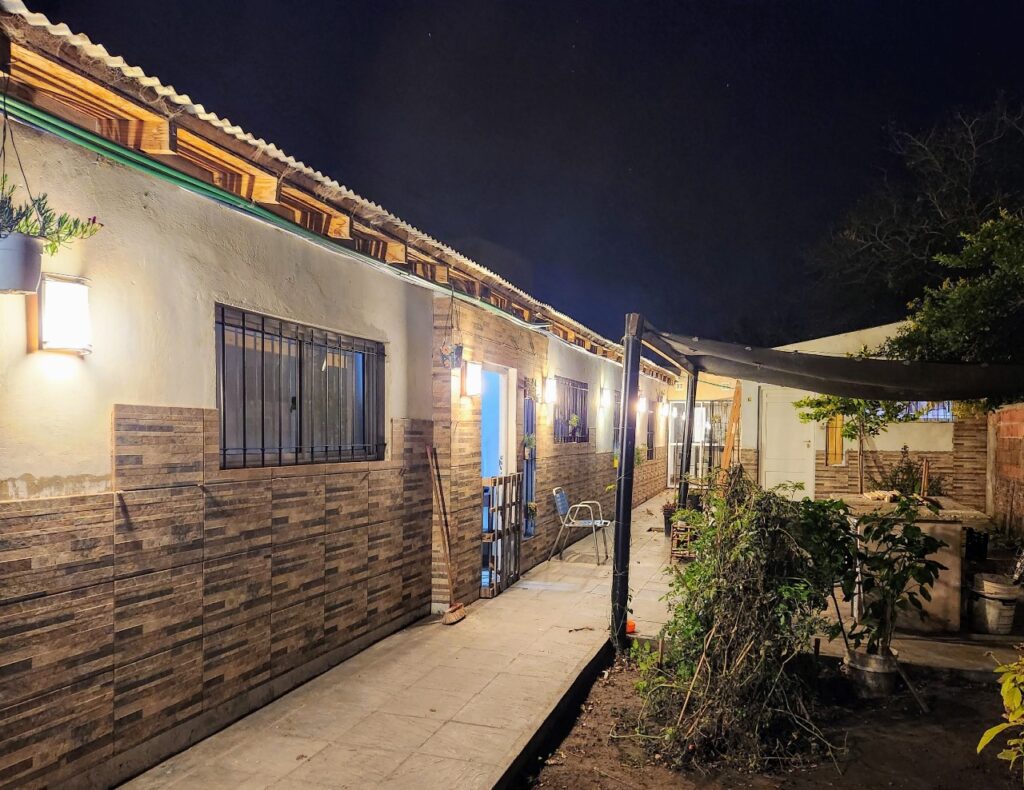
Since February of this year, Hogar Dignidad Trans, a pioneering project in Mar del Plata, has been operating. It currently provides permanent housing for four people and plans to open a Transit Space that will offer temporary shelter to three more. This space is not only a refuge but also a symbol of the struggle for the basic rights and dignity of the trans and travesti population.
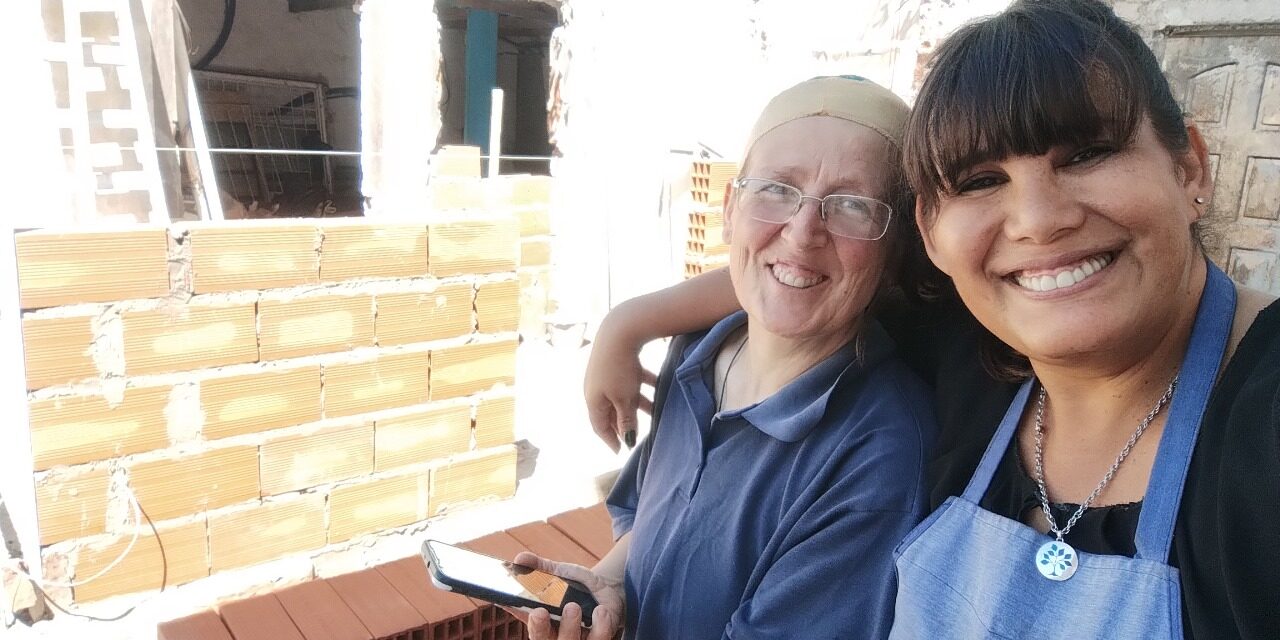
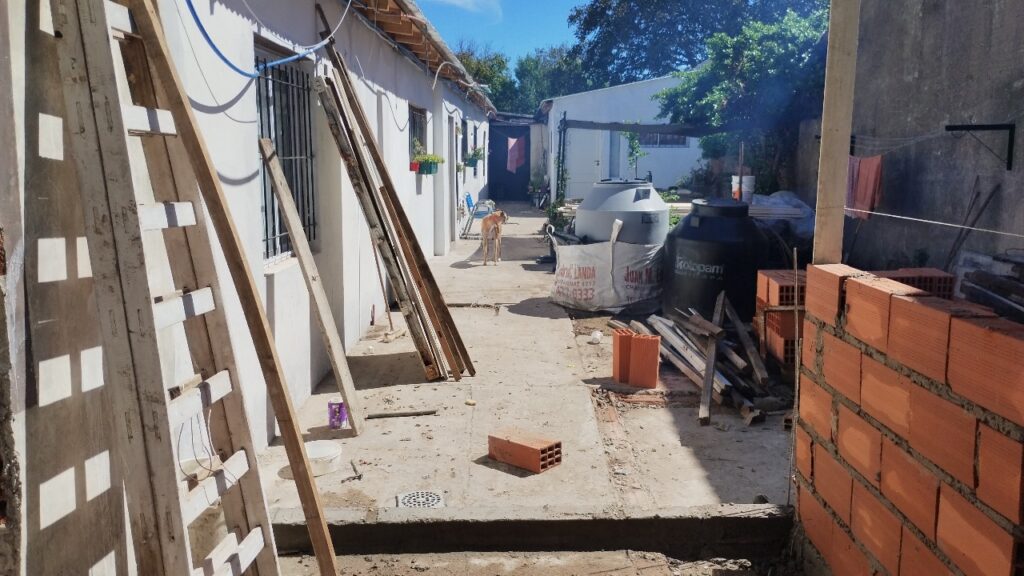
The house, located at 1767 Bordabehere Street in the San Cayetano neighborhood in the city center, holds historical significance. Since 1986, it has been the home of Marcela, a trans woman who arrived after being expelled from Tandil amidst police repression and the prevailing laws of the time. Despite the hardships she faced, Marcela opened her home to become a haven of support and hope for those facing the same struggles she endured.
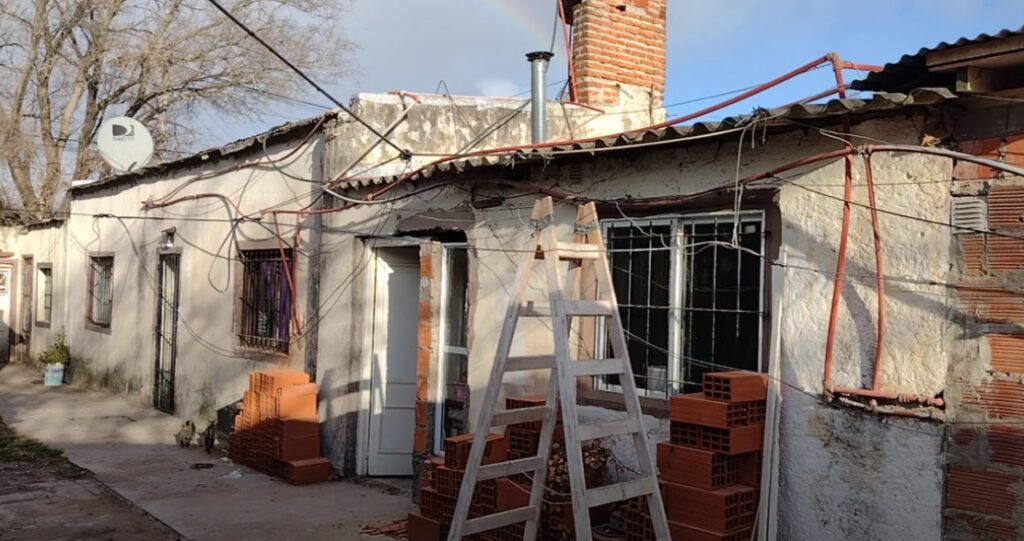
Over the years, and with a lack of opportunities, the house suffered the ravages of time, falling into ruin. One of its former residents, Maju Burgos, returned to Mar del Plata four years ago and suggested finding help to fix it up. Marcela uses the surname Bordabehere, as she identifies with her place of residence. Maju told Agencia Presentes: "This house could never be tamed; everything was always left unfinished, but she reluctantly agreed."
That's where Maju's search for resources to restore the house and build the dream of a temporary shelter began.
Maju
Maju Burgos is a 43-year-old trans woman and a public sector employee, a position she obtained through the trans quota system she championed with the group Mujeres Trans Argentinas (Argentine Trans Women). Born in Azul, a town in the province of Buenos Aires, she was kicked out of her home at the age of 12. “My mother kicked me out, she threw me out. I came from a very violent family. My identity was noticeable at a very young age, and they didn't know how to handle it, they didn't want to learn; it was a different time. I don't justify it at all, quite the opposite, I no longer have any contact with them. For some years, it was a relationship I tried to maintain out of emotional dependence. Trans women are alone. I tried to maintain a family that didn't exist, and I was able to completely sever ties thanks to therapy, medication, and meditation, because I practice Buddhism.”
She traveled to Mar del Plata with a friend who soon decided to return to her hometown, so Maju stayed alone in a hotel near the city's old bus terminal. She began prostituting herself. She had the clothes she had brought from the countryside—overalls and sneakers—and the figure of a pre-teen.
In the meantime, I met Marcela and her house, which had small rooms where other trans women lived. “I pestered Marcela because I wanted to live with her, but she told me there was no room, and it was true. Besides, it was a very complicated time; girls who were prostitutes were being arrested (articles 68 and 92 in this jurisdiction). One for wearing women's clothing and another for public disturbance. And sometimes the disturbance was eating an empanada here, like I'm doing now. My mere presence was considered a scandal. I insisted so much that I would go to the house every day to drink mate, as if I were in the countryside. I would go in the morning when the girls went back to sleep. In the end, she agreed to let me come, that I could sleep on a sofa bed in a kitchen that is now my kitchen.”
Driven by her convictions and her search for dignity for her life and the lives of her companions, she became an activist. “We are political beings; our trans identity is political, and politics as transformation. From this place, we access activism, and for many of us, it is what saves us. Creating networks with feminism saves us, creating networks from transfeminism, as Lohana and Diana said, so that we can position ourselves not only as first-class citizens , but also have the tools to build for others. To be transformers of realities and to transform our own lives. To transform the reality of other people who are affected by violence, stigmatization, and exclusion. And also by the lack of opportunities that, unfortunately, has been the guiding principle throughout our lives.”
The meeting with Sister Monica
With these tools, she began to investigate where to start, and the first person she consulted was Mónica Astorga Cremona, a Carmelite nun who has been supporting trans women in Neuquén for 20 years. She created the first housing complex for trans adults in that province. The complex has twelve apartments, was built with contributions from the province and the national government, and received the endorsement and praise of Pope Francis.
Mónica told her to start by designing a flyer to share on social media. “This was in 2021,” Maju recalls. “Who helps you when you come out of the pandemic? Because we thought we were going to come out better, that we were going to be beacons of light, and nothing! We started receiving help, but it was very little. Then a friend named Noni came to see us through a parish that followed Mónica on social media. She told us she did electrical work and also worked at a hospital here in Mar del Plata .” Noni Mariani became a key presence on the team because she donated her work, time, and listening ear, and she was able to bring in and coordinate the construction workers. In addition, through her current job, she helps manage the girls' paperwork at the hospital: “She takes them there, picks them up. She's essential. Nothing could have been done without Noni.”
Nothing is impossible
Maju never stopped looking for help. One day, thinking about how to find more sponsors for the project, she told Marcela she was going to write to Pope Francis. “I got his email address in April of 2021, and he replied in June. He answered with a beautiful email, handwritten. He writes it like that, and his secretary scans the letter and pastes it into the email. He replied very warmly and said we could count on his help. It was so kind; he addressed me as 'dear Maju,' and as I tell you this, look (she shows her arm with goosebumps). I'm not Catholic, I'm Buddhist, but he's a role model, and with our history… I remembered my childhood, I remembered when my mother kicked me out, and now the Pope is replying to me . And I said to myself, 'Well, that's it, I can leave this world in peace because nothing is impossible.'”
These past few days, she happened to be attending to the new bishop of Mar del Plata, who had not yet taken office (Monsignor Ernesto Giobando, who assumed the position on February 22). She knew him from when she lived in Buenos Aires, and they had organized meetings with Argentine trans women, in which Sister Mónica also participated. “We always got along very well, so we agreed that he would help us in any way he could.”
Trans adulthood
As a result of other coincidences, at her workplace Maju assisted a young woman who worked at ANSES (Argentina's social security administration). Maju told her about Marcela's situation: at 60 years old, she hadn't been able to retire. Maju helped her, and it was the first retirement application processed for a transgender person at that ANSES office in Mar del Plata.
“ It can’t be that we don’t have any adult trans women. As Marlene says, it’s genocide . It can’t be that in Mar del Plata you can count the women over 50 on one hand. It’s a scandal. And it’s not that trans women don’t exist or didn’t exist. There were tons of trans women here. There were trans women out on the streets at night, in the arts scene, for many, many years. The prostitution system, or sex work, was huge in Mar del Plata. We came from all over the province and from all over Argentina because this was a huge market. Where are all those women? They’re dead. Many didn’t even get to enjoy the sea.”
Maju recounts that Marcela went 30 years without seeing the sea, because she was still haunted by the stigma of another era. In Mar del Plata, she couldn't walk along the pedestrian street or go to the beach. “That enjoyment was taken from us. The mere fact of our presence caused a scandal. Transvestite visibility alone was scandalous, governed by the prevailing laws of the time.”
However, she is confident that the shift in perspectives and policies of recent years will generate a deeper change, despite current setbacks. “There has been a generational shift in life expectancy that we will surely see in a few years. Because it's not the same for the young women who are currently enrolled in school, who are supported by their parents, who are supported by a healthcare system that, despite the neo-fascist policies that are now rearing their heads, the renewed policies of stigmatization and pathologization of our identities, but who have also created support networks with doctors who have been working with our population for over 25 years, those children, those teenagers, those young women, those women who are already in university and have already graduated, will not have the life expectancy they have today of less than 40 years. That threshold will change.”
The Home, a reality and a project
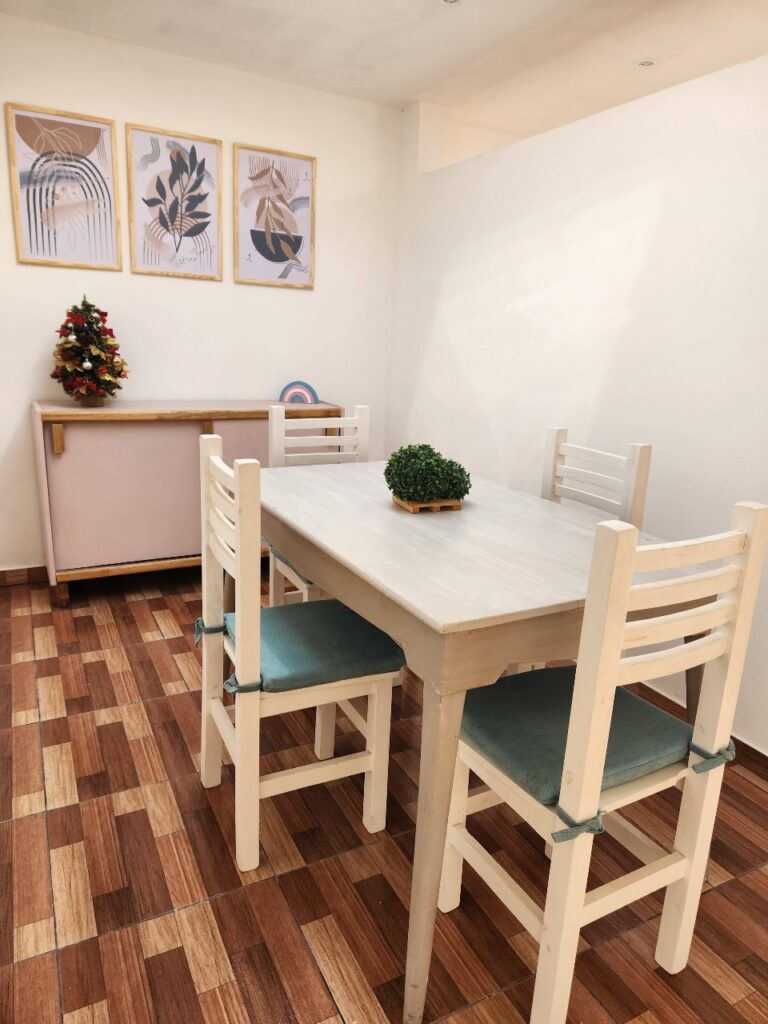
Part of the construction is finished. Today, Marcela and Maju live with two other women.
Claudia, 56, left Santiago del Estero to settle in Mar del Plata. After years of precarious employment and job exclusion, she recently landed her first formal job as a customer service representative at a kiosk, an achievement that represents a significant change in her life.
Luciana, the youngest in the group, migrated from the province of Buenos Aires after her transition in search of new study and work opportunities. Last year she completed a computer course and currently works in the city center at a fast-food restaurant and children's entertainment center, demonstrating that access to education and employment are key to personal and social development.
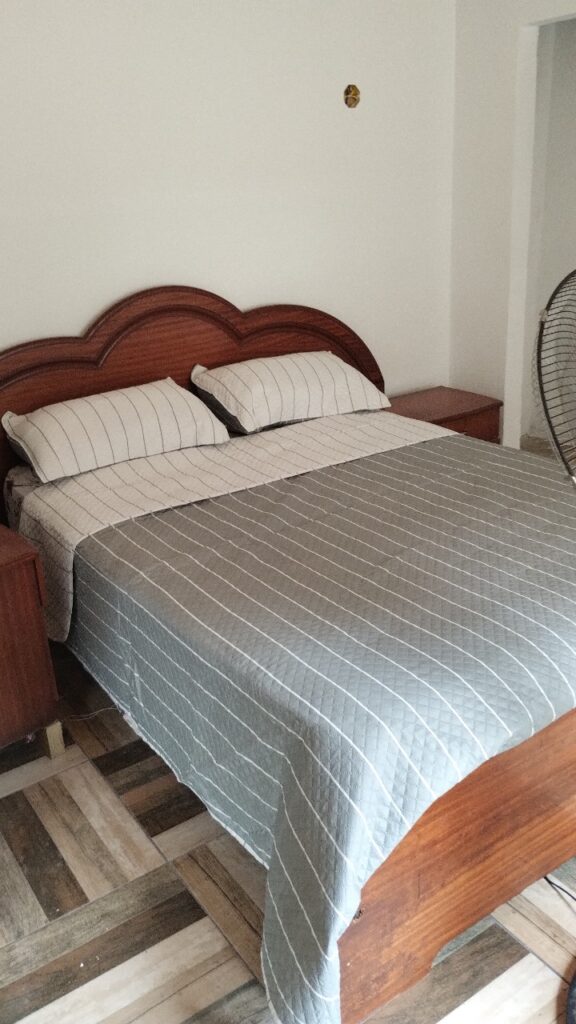
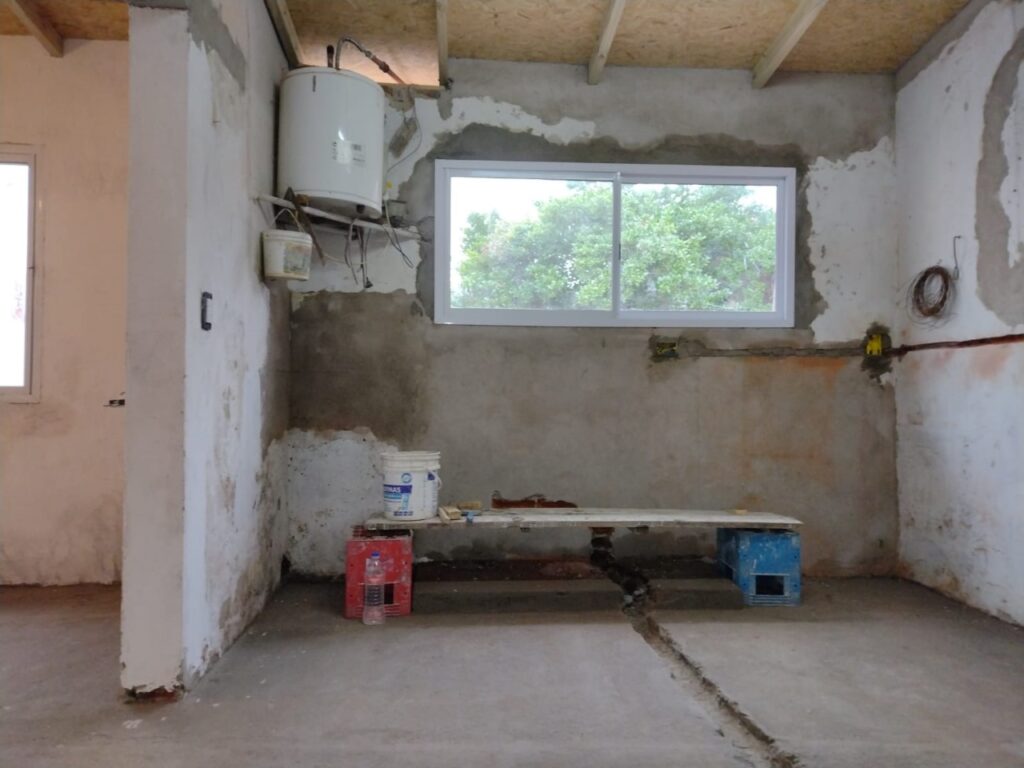
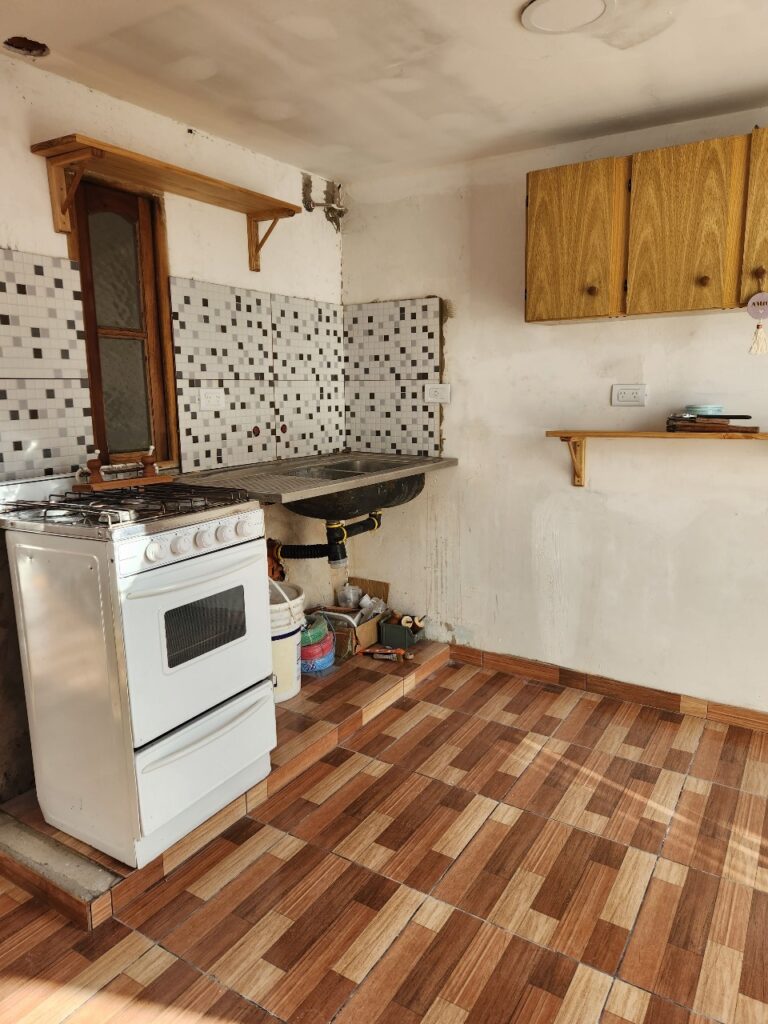
The Hogar Dignidad Trans project focuses on the restoration of the house, which has four apartments. Three of them are already habitable, while the fourth still needs to be finished. The completion of this project includes the finishing touches on the Transitional Space, intended to house three vulnerable transgender adults. Currently, this space only has the walls and roof up; all the interior finishes, electrical installations, plumbing, wall coverings, flooring, and basic furnishings are still pending. The construction of this space is essential to continue providing support and protection to those who need it most.
The Hogar Dignidad Trans is not just a shelter; it is a project that represents resistance, resilience and the tireless pursuit of equality and opportunities.
The completion of the works and the remaining improvements require support. Every contribution, no matter how small, helps more trans people access a safe and dignified space.
We are present
We are committed to journalism that delves into the territories and conducts thorough investigations, combined with new technologies and narrative formats. We want the protagonists, their stories, and their struggles to be present.
SUPPORT US

FOLLOW US
Related notes



We are present
This and other stories are not usually on the media agenda. Together we can bring them to light.