

Sports, a human right for LGBT people
February 19th is the International Day Against LGBT Hate in Sport. Experiences around the world and the advance of an anti-rights offensive targeting trans people.


Share

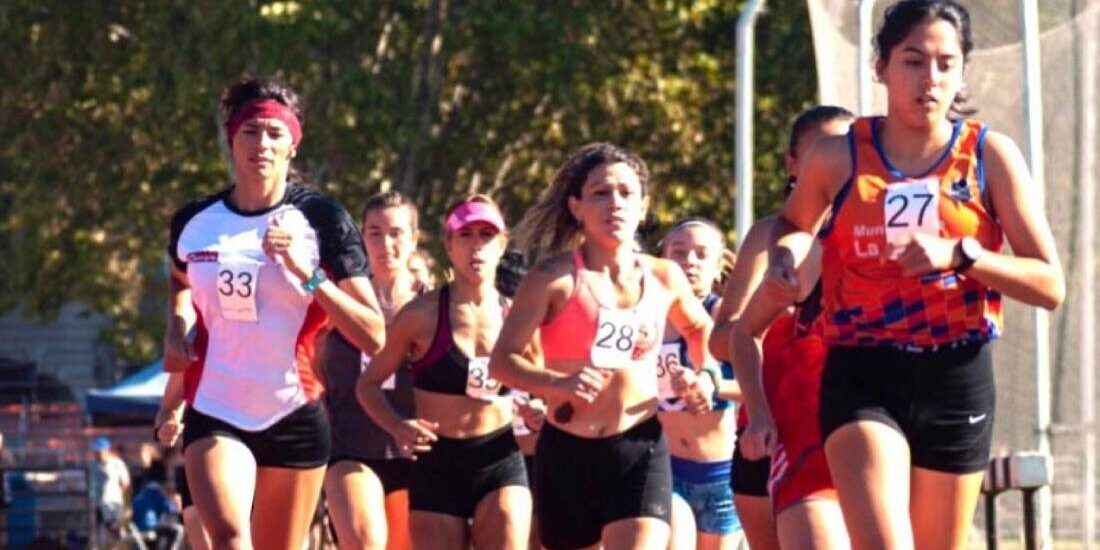
MEXICO CITY, Mexico. Sports have historically been a hostile and exclusionary space for LGBTI+ people because most sports have been structured under rules that reinforce gender stereotypes, excluding non-conforming individuals and leading to harassment and discrimination. However, despite this situation, LGBTI+ athletes are paving the way and organizing to ensure that their human rights are guaranteed at both the amateur and professional levels.
In observance of the International Day Against LGBT-Hate in Sports , commemorated on February 19, we'll tell you why LGBT+ inclusion in sports matters. We'll discuss the value of visibility and best practices, and the current challenges in a landscape that seeks to displace and deny this right, especially for transgender girls and women athletes.
This date was chosen in memory of Justin Fashanu, an English professional footballer who was Black and who came out as gay in 1990. After coming out, Fashanu was subjected to homophobic harassment and died by suicide eight years later.
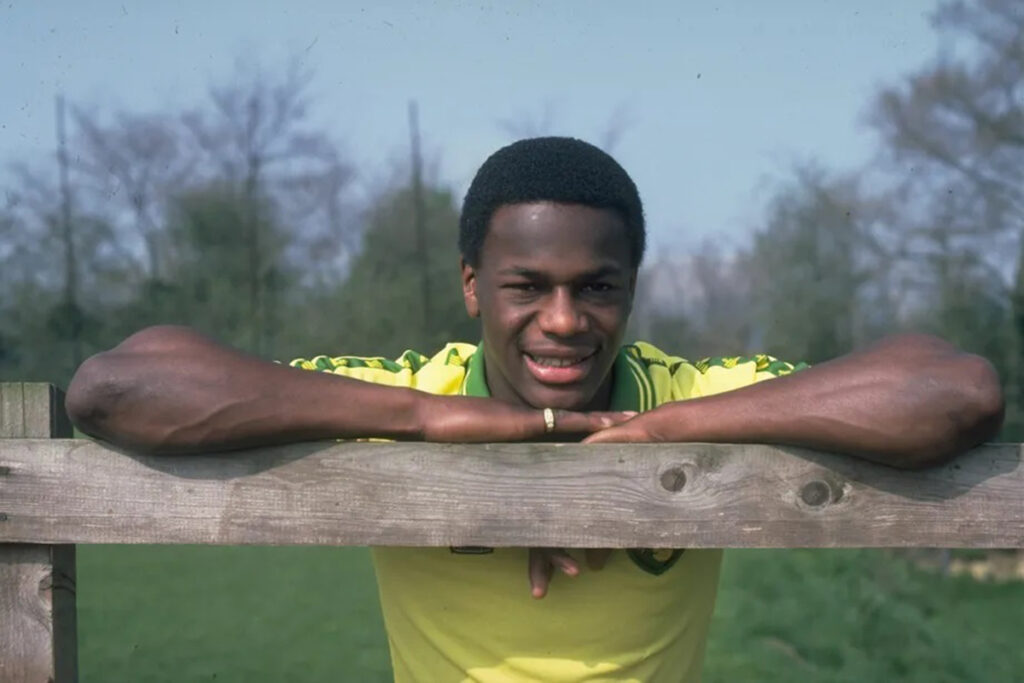
“Sport has the power to change prejudices: it should not be used to reinforce them.”
The participation of LGBT+ people in sports, at the amateur, professional and elite levels, opens up opportunities so that LGBTI children, adolescents and adults do not have to give up the sport they love just because of who they are.
According to several reports, including a 2023 report by a group of United Nations (UN) experts, States and sports organizations are urged to respect the right of all people to participate in cultural life through sport and games and to address discrimination against athletes, especially women and girls in all their diversity, LGBT people and intersex people.
“Sport has the power to change perceptions, prejudices, and behaviors: it should not be used to reinforce them. Therefore, we urge elite sports bodies to consider the implications of their decisions not only for LGBT and intersex athletes and people who participate in sports at all levels, but also for general societal perceptions and the ideal of inclusive sport,” the report states.
Spaces, LGBT athletes and good practices
In 1982, almost a decade before Justin Fashanu came out, in the United States, physician, former Olympic athlete, and LGBT+ activist Tom Waddell fought to bring the “Gay Olympics” to San Francisco, California. His main goal was “to create an inclusive space where professional and amateur LGBTQ+ athletes could participate without the threat of discrimination, fostering a sense of community and breaking down social barriers.”.
The first edition of the Gay Games , as they were later called, featured 1,300 athletes from 12 countries. Since then, eleven editions have been held, with the most recent one featuring over 10,300 athletes from 102 nations. In 2026, the city of Valencia, Spain, will host the twelfth edition. Any LGBT individual or team from around the world can participate in this competition.
According to the website Outsports , at least 199 openly LGBT+ athletes participated in the 2024 Paris Olympics; 40 of them were from Latin America A total of 38 LGBT+ athletes participated in the Paralympics
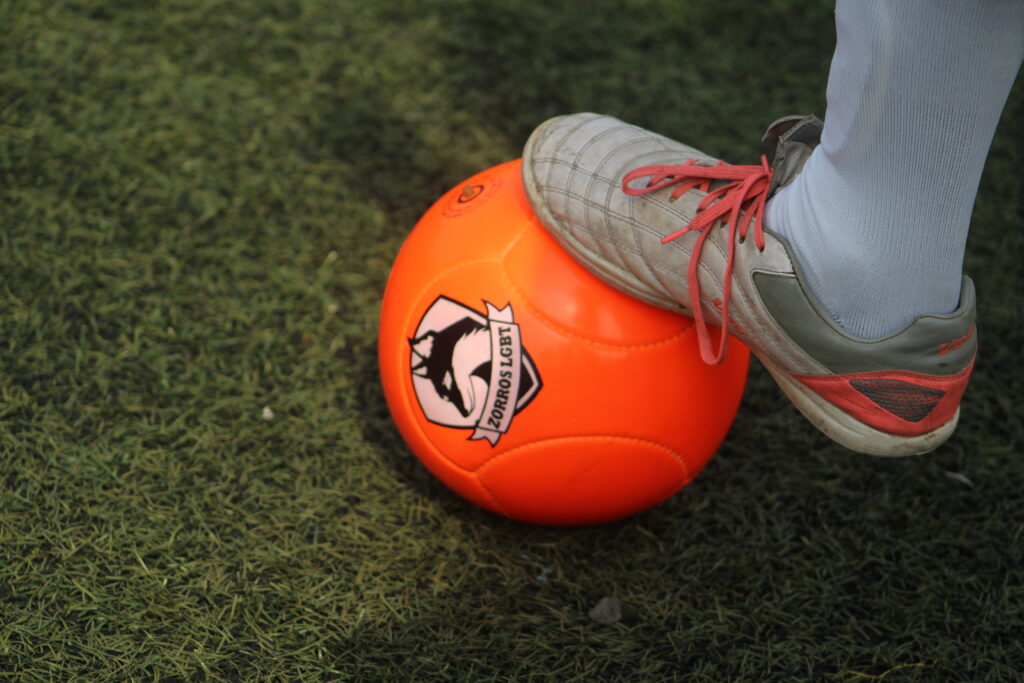
In Latin America, there are various LGBT teams, leagues, and associations where football , rugby, swimming, athletics, basketball, water polo, and other sports are practiced and trained. One of the first LGBT teams in the region is Dogos of Argentina, founded in 1997 .
There is even a Panini-style sticker album that promotes the visibility of LGBT clubs and athletes in Argentina.
In Mexico, the organization Somos Versus created the “Basic Guide for Inclusive and Prejudice-Free Communication ,” aimed at journalists and consisting of 13 points to improve the narratives surrounding LGBTI+ people and women in sports. In 2023 alone, there were at least 55 organized LGBT teams in different parts of the country.
In the United States, the organizations Stonewall Sports, Athlete Ally, and Trans Athlete promote research on sports and LGBT+ people, create public policies, and advocate for this human right and spaces of inclusion, especially at the educational and media levels.
In 2018, ILGA World , the world's largest LGBTI organization, joined the Centre for Sport and Human Rights as a member of the advisory board and is the first LGBTI+ organization to work with this Centre to guide its work towards a world of sport that fully respects human rights.
The value of the representation
The value of representation is vital so that LGBTI+ children, youth, and adults can continue to practice the sport they love. It's also crucial for fostering diversity, promoting more equal societies, and eradicating prejudices based on sexual orientation, gender identity, and sex characteristics.
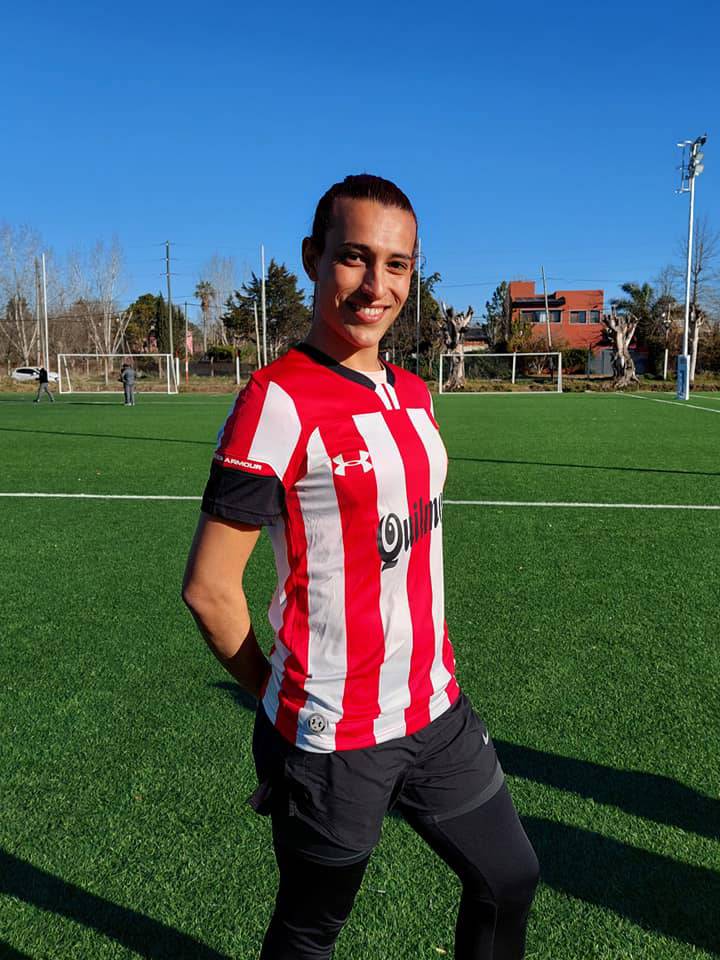
“Football saved my life. I was going through a tough time because of the discrimination I faced every day. It ended up being therapy for me, a form of psychological support.” -Mara Gómez, the first trans footballer to play in the first division in Argentina.
“I am incredibly proud to say that I am gay and also an Olympic champion. When I was younger, I thought I would never achieve anything because of who I was. Being an Olympic champion now just proves that you can achieve anything ,” -Tom Daley, British diver .
“You can’t win a championship without gay people on your team; it’s never been done before, never. That’s science! I’m motivated by the people who love me, who fight for the same things. I get more energy from that than from trying to prove someone wrong,” - Megan Rapinoe, US soccer player .
“I don’t just mean that I’m a better runner, it goes beyond that. I’m better being Sha’Carri. I’m better being myself,” – Sha’Carri Richardson, American sprinter and one of the fastest women in the world.
“It saddens me to know that there were Olympians before me unable to live their truth because of the world. I am aware of the realities; trans women are banned from playing sports, face discrimination and prejudice as they try to pursue their Olympic dreams. The fight is far from over… and I will celebrate when we are all here, ” – Quinn, Canadian soccer player .
Challenges in the face of growing opposition to human rights
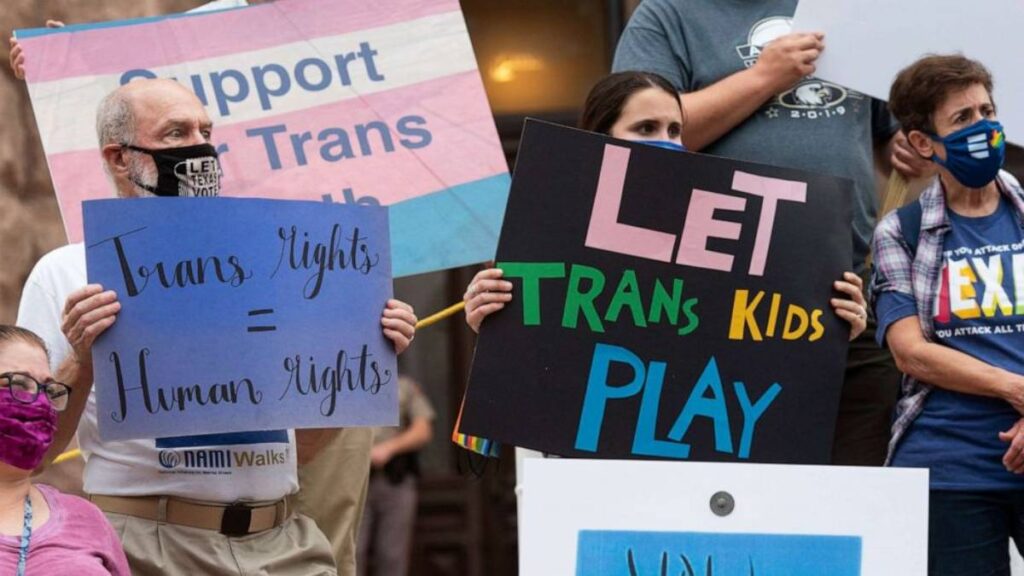
Around the world, we see growing opposition to the human rights of LGBTI people. And sports have become a particular hotspot where misinformation leads to waves of hate and attacks, especially against trans athletes, women of color , intersex people , and female athletes who naturally develop high levels of testosterone .
In Latin America, there is no data on the perceptions and experiences of LGBT children and youth in sports. But a 2022 UK study of transgender children and adolescents' experiences with sports sheds some light on the issue.
79% felt that their gender identity was a factor that affected their participation in sports. The main barriers are sports uniforms and their association with gender dysphoria, and the binary gender categorization of sports. 55% said that news reports with alarmist and negative narratives about the participation of trans athletes have influenced their feelings of not being able to participate in the sport they love.
Furthermore, there are no studies on LGBTphobia in sports in the region. However, some research , primarily conducted in countries of the Global North, indicates that exclusion, discrimination, and various forms of violence are concentrated among vulnerable groups, with the LGBTQ+ community being one of the most affected.
According to a study by the University of Cologne (Germany), 90% of respondents consider homophobia, and particularly transphobia, to be a current problem in sports environments. Furthermore, 82% witnessed homophobic and transphobic language, and of these, 46% were trans women who reported being victims of direct discrimination.
September 2021 report by The Trevor Project also found that only 32% participated in sports for a league, school, or community club, compared to 68% who never participated. The reasons given for not participating include violence and exclusion from coaches, other students, and their families. Among trans and non-binary individuals, 52% said they did not participate in sports due to a lack of interest combined with the stigma they face and fear of harassment and bullying.
We recently saw how an executive order from Trump denies transgender girls and women the participation of sports at the school level . In Latin America, no government has adopted this measure. Argentine President Javier Milei has, however, done so with other measures, such as modifying the Gender Identity Law by decree . He has also replicated the same hateful rhetoric and spread of misinformation about LGBT+ people.
We are present
We are committed to journalism that delves into the territories and conducts thorough investigations, combined with new technologies and narrative formats. We want the protagonists, their stories, and their struggles to be present.
SUPPORT US

FOLLOW US
Related notes
We are present
This and other stories are not usually on the media agenda. Together we can bring them to light.