

Grindr: App security flaws put LGBTQIA+ users at risk
This report reveals how security flaws in the Grindr dating app have facilitated crimes such as sexual abuse, the sale and consumption of illicit drugs, and harassment of the LGBTIQA+ community in Honduras and other Latin American countries.


Share

TEGUCIGALPA, Honduras. In Honduras, the case of Leonard Fabian Torres Licona, a 33-year-old man, shocked the LGBTI community when the Police Directorate of Investigations (DPI) arrested him for allegedly drugging and abusing his victims. According to authorities, his modus operandi was simple but effective: he offered slushies laced with sleeping pills to men he met through the dating app Grindr, and, once they were unconscious, he sexually assaulted them and stole their belongings.
Known on Grindr as “el princeso,” Torres is originally from the municipality of Orica, in the department of Francisco Morazán, in central Honduras. He was arrested on September 23, 2023, in Comayagüela, the twin city of the country's capital, after several complaints were filed by his victims. Some of these individuals sought support from the LGBTQIA+ rights organization Asociación Kukulcán to file their complaints. The organization's president, Danny Montecinos, stated that at least three people filed complaints and were accompanied to the Public Prosecutor's Office to formally file charges.
Torres found his potential victims on Grindr, the popular dating app aimed primarily at LGBTQ+ people—mostly gay men, bisexuals, and transgender people. Launched in 2009, this platform uses geolocation technology, allowing users to connect more easily with people near their location, increasing the chances of a physical encounter.
At first glance, Grindr may seem like a platform that promotes coexistence and peaceful interaction within the queer . However, cases like that of Leonard Torres Licona reveal that security gaps and a lack of oversight within the app have allowed users like him to use Grindr to commit crimes. The physical proximity the platform facilitates proved to be a key advantage for Torres, allowing him to approach his victims under the promise of a consensual encounter.
“Zero feet away from the queer ,” says its slogan, and although this could give an advantage to people looking to commit crimes, Grindr warns that it “is not responsible for what users do or say.” This disclaimer reveals a gap in user protection, which is why cases like Torres Licona’s could not generate legal problems for the company that owns the app.
Torres Licona was just one of the more than 10 million monthly users that Grindr has in over 190 countries. The app, in addition to connecting people worldwide, generated over $250 million in revenue in 2023, thanks to advertising sales and other services. Latin America is part of the extensive group of countries where Grindr operates, and it is in this region that concerns and complaints have arisen questioning whether the platform truly complies with its privacy policies and community guidelines.
Among these rules, the popular software insists that it does not tolerate discrimination, hatred, violence, threats, or abuse of any kind. However, the cases below suggest otherwise.
Failures in supervision and control
Creating a Grindr profile takes less than three minutes. The interface, with its orange and black tones, requires minimal information, such as an email address or phone number, to which a verification code is sent to activate the account. Providing a date of birth is also necessary to verify that the user is of legal age, in accordance with the platform's policies.

As with any online application, the process includes accepting terms and conditions. These vary depending on the user's country of residence; for example, if you live in a European Union country, the United Kingdom, or the United States, some policies differ from those in other countries due to arbitration , as detailed on the site.
In Honduras, Grindr can request that users delete their accounts if they violate its rules, and if the user refuses, the app's enforcement officers have the authority to delete the account or content deemed illegal. However, in practice, gaps in the monitoring and enforcement of these rules cast doubt on Grindr's actual ability to control what happens on its platform.
Section one of Grindr's Usage Guidelines states that the services should not be used by minors. In Honduras, according to Article 16 of the Family Code, the age of majority is 21, although some rights and freedoms are granted from the age of 18.
To find out how these guidelines are managed and whether the platform actually enforces them, we spoke with a former technical support agent in Honduras, who worked for Grindr through PartnerHero , a US outsourcing firm with offices in Tegucigalpa and San Pedro Sula.
This former agent, who asked us to protect his identity to avoid reprisals, commented that in his position in technical support he received multiple reports from users such as: “This person raped me, this user sent me child pornography photos, I was the victim of a hate crime, I encountered someone who tried to hit me.”.
When these reports were received, moderators were obligated to delete the offending account, especially in serious cases. However, according to the source, the app only penalized profiles if another user reported them directly. This meant that many people who violated the rules, harassed other users, or engaged in illegal activities went undetected and unpunished unless someone else reported them. In other words, if the illegal behavior wasn't reported, it went unnoticed and the profile remained active, despite blatantly violating Grindr's guidelines.
This former agent recounted that there was a legal department responsible for handling the most serious cases, but in 2018, that department consisted of only two people in the San Pedro Sula office , hindering a timely and effective response. In the United States, the situation was different, as authorities typically contacted the legal department directly to obtain information about suspects involved in crimes.
Furthermore, according to the former agent, illegal activities within the platform were not uncommon , and he gave other examples such as the sale of illicit drugs. This activity was often coded with emojis and hidden descriptions. Among the most frequently used were: the diamond emoji, which referred to crystal meth or methamphetamines; leaves, which represented marijuana; and banknotes, which indicated the offering of sexual services.

Grindr's moderation process was slow and often ineffective, allowing many users to continue their illegal activities for an extended period, even after being reported.
Grindr not only has support offices in the United States and Honduras, but also in China and Brazil, where they manage profile moderation. In Honduras, the most common incidents involved the creation of fake profiles, identity theft, the presence of minors on the platform, and the offering of drugs, specifically marijuana. These problems are not unique to Honduras, but rather part of a global pattern of lack of control over activities within the platform.
Minors on Grindr?
Juan Carlos Ponce is the communications officer for Colectivo Violeta , an organization that offers support to the LGBTI community in Honduras, including legal advice and psychological care for users who experience dangerous situations within the application, in this case.
According to Ponce, a 2024 study conducted by the Violeta Collective with a sample of 100 people found that Grindr's user base in Tegucigalpa is primarily divided into three age groups. 39% of users are between 18 and 24 years old, while 37% are between 25 and 35. Only 11% of users are over 35, meaning that 87% of the user base is comprised of young adults.

What's concerning about this data is the remaining 13%, representing users under 18 who access the platform despite Grindr's policies prohibiting minors. This age verification gap within the app exposes teenagers to vulnerable situations in an environment designed for adults.
Although Grindr presents itself as a space for connection between adults, the reality shows that many teenagers manage to circumvent the control systems and access an environment that leaves them exposed to sexual abuse and cyber harassment.
Lucía Barrientos, coordinator of the Ixchel Organization in Honduras, explains that she decided to create a Grindr profile to raise awareness about condom use and sexual safety. Through her work, she observed that the platform includes underage users who present themselves as sex workers, which clearly constitutes a case of commercial sexual exploitation.
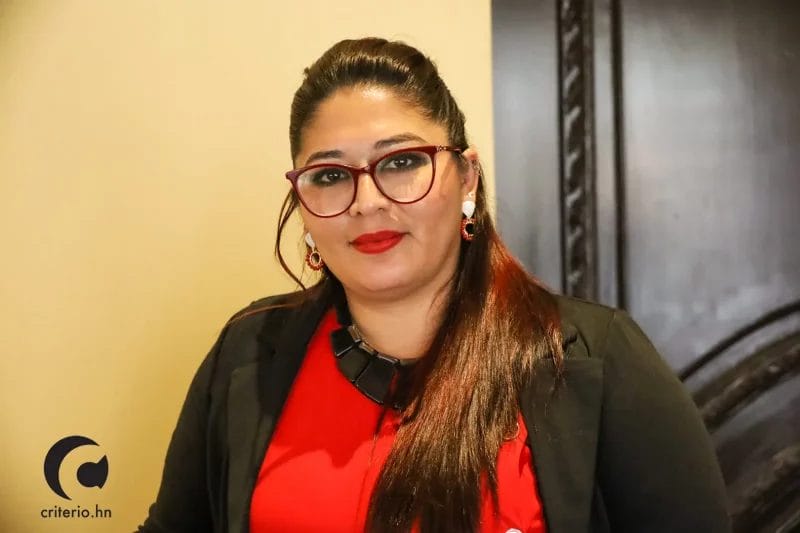
“Identifying minors involved in sex work only leads to more violence,” explains Barrientos, “because we’ve received reports from other users highlighting the danger the platform poses to these minors.” According to Barrientos, the vulnerability of these young people makes them easy targets for abuse and exploitation.
According to data obtained through a request for information from the Public Prosecutor's Office, between 2020 and September 2024, 31 complaints were received regarding sexual contact with minors through electronic means . The years with the most reported cases were 2021 and 2022.
Of the 31 complaints, 24 involved females, 6 involved males, and one complaint did not specify gender. The department of Francisco Morazán had the most complaints, with 9 reported cases.
Among the male minors, the ages ranged from 11 to 16 years, which shows that adolescents in the midst of puberty are a group highly vulnerable to unwanted contact.
Juan Carlos Ponce of Colectivo Violeta confirmed in conversations he had with adolescent users that many did not recognize that they had been victims of sexual abuse and, in some cases, lived in violent and dysfunctional environments that did not allow them to talk about what had happened to them.
These young people, whose ages ranged from 15 to 17, faced deep traumas that went unaddressed, partly due to a lack of family support and the absence of reliable channels for reporting.
As part of the process to understand how the Public Prosecutor's Office handles these types of complaints, we attempted to obtain information from the spokesperson for the Cybercrimes Prosecutor's Office, Carlos Vallecillo. In response to the inquiry, Vallecillo explained that, for legal reasons, he could not provide details about the techniques used to track the perpetrators of these crimes, arguing that "it's like telling a mouse where the cheese is hidden.".
This stance persisted despite the clarification that the questions were directed only at documented cases and not at active investigations; furthermore, he was not consulted about techniques but about case management and considerations for classifying the crime.
In this context of a lack of transparency on the part of the authorities, it was necessary to consult the Honduran Penal Code to understand the legal framework for these crimes. Article 253 establishes that anyone who, through communication technologies, proposes a physical encounter to a minor under fourteen years of age for the purpose of engaging in sexual activity, and accompanies this proposal with concrete actions aimed at facilitating said encounter, shall be punished with house arrest for between one and three years.
On the other hand, Article 265 establishes that any person who sells, disseminates or exhibits pornographic material to minors under eighteen years of age, seriously affecting their sexual development, must receive a sanction of six months to two years in the form of providing public utility services or services to the victims.
Commercial sexual exploitation and “sugar dating” on Grindr
Another concern shared by Juan Carlos Ponce of Colectivo Violeta was the presence of profiles offering sexual services on the platform, with descriptions like "prepaid" or phrases such as "looking for a sugar daddy." This trend not only affects adults but also minors, who become involved in dangerous dynamics like the "sugar dating" phenomenon, which has been exposed by various European media outlets and organizations as a form of covert sexual exploitation.
The concept of sugar dating has become popular through social media and dating platforms. According to the Spanish organization Por Ti Mujer , this phenomenon involves young people, often minors, establishing relationships with wealthy men in exchange for expensive gifts, companionship, or sexual intimacy. When the young person refuses to perform the acts requested by their "sugar daddy," they may lose these financial benefits, creating a form of economic coercion.
In Honduras, the Inter-Institutional Commission Against Commercial Sexual Exploitation and Trafficking in Persons (CICESCT) has warned that commercial sexual exploitation occurs when people in positions of power take advantage of the vulnerability of victims—whether due to their age, economic status, or geographic isolation—to obtain sexual favors in exchange for money or other benefits. Between 2021 and 2023, this commission handled 37 cases of sexual exploitation of minors, all of whom were female.
In 2022, the Public Prosecutor's Office's Unit Against Trafficking in Persons, Commercial Sexual Exploitation, and Smuggling of People (UTESCTP) reported 101 cases involving 120 individuals. During that same year, 31 convictions were obtained, resulting in the sentencing of 36 people involved in the exploitation of victims. An additional 22 cases were brought to trial, involving 30 individuals accused of sexual exploitation and trafficking.
Despite these legal advances, Ponce emphasizes that many victims prefer not to report the crimes for fear of media exposure or because they feel that the authorities do not take their cases seriously. In many instances, victims have stated that their complaints are ridiculed by the authorities, which discourages them from seeking justice, and they prefer to deal with the trauma privately, without going through a legal process.
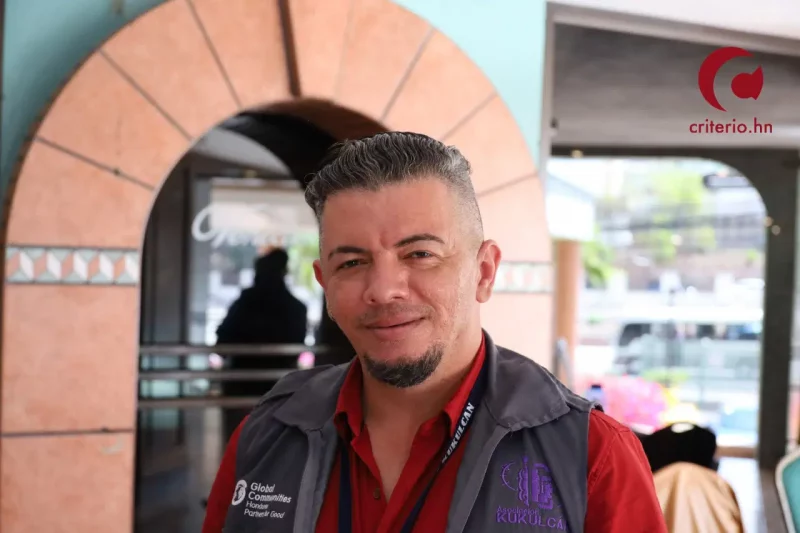
Danny Montecinos, president of the Kukulcán Association, explained that many young people under 18 turn to apps like Grindr as an escape from their family lives, which are marked by sexist and patriarchal norms . In many cases, these young people come from deeply traditional families with strict religious rules, where being part of the LGBTQ+ community is seen as a stigma. This search for refuge on Grindr puts minors in a vulnerable position, as they can easily be exposed to risky situations, such as drug use or sexual exploitation.
The role of the family environment in the vulnerability of minors
Psychologist Yang Padilla, from the organization Nuestros Pequeños Hermanos (Our Little Brothers) , which works with disadvantaged, vulnerable, and disabled children and youth in Latin America, explained that in most cases, young people who use apps like Grindr to have their first sexual experiences are generally linked to a history of emotional or sexual abuse within their family.
According to Padilla, the home environment is a determining factor in the sexual development of minors, and many teenagers who use these types of applications have already been exposed to inappropriate sexual behaviors in their own homes.
The expert explains that the first stage of a person's sexual development is critical and occurs between the ages of 7 and 11. During this period, if the family environment is dysfunctional or marked by abuse, it can profoundly influence how the child channels their sexual energy later in life. For example, he mentions cases in which parents have sex in the same room as their children, believing they are asleep, when in reality the child's senses—such as hearing—remain active.
This type of behavior can normalize sexuality in children at an early age, leading them to seek ways to satisfy their sexual needs during adolescence, sometimes with older people with malicious intentions.
Padilla emphasizes that these childhood traumas can manifest later in life as physical symptoms or psychological patterns that allow for the identification of sexual abuse. Common symptoms include behavioral disorders and emotional problems that can be traced back to an unresolved traumatic experience in childhood.
However, the specialist clarified that not all cases of abuse or sexual exploitation in adolescents stem from prior traumatic experiences. “Each case is unique and responds to specific circumstances and conditions,” he noted. This means that it cannot be assumed that all victims of sexual exploitation through platforms like Grindr have been previously abused; some adolescents are simply seeking an escape in a social environment that does not allow them to explore their sexuality in a healthy and safe way.
The psychologist also points out that many people who have suffered sexual or emotional violence seek outlets to cope with the trauma. “Some people turn to dysfunctional eating behaviors or develop eating disorders,” Padilla explains. Others, however, may hypersexualize themselves, that is, constantly seek to satisfy their sexual needs as a way of coping with the abuse or repression they have suffered.
Drugs and exploitation on Grindr: a related danger
When I asked Juan Carlos Ponce about the use of illicit substances on the Grindr platform, his response was emphatic: “The use of marijuana is heavily promoted on the app.” He also mentioned that profiles of minors have been found that include the number 420 in their descriptions, a code widely known in reference to marijuana. According to Ponce, this number implies that a person possesses marijuana or is looking to connect with someone who does.
One case Ponce remembers clearly is, “This minor told me he had started using marijuana because he heard—outside the app—that it could help him lose weight.” When Ponce spoke with him, the young man was about to turn 18 in April 2024, meaning he was still a minor when he started using it. In his interactions within the app, the young man would look for profiles that had the number 420 in their descriptions or initiate conversations by directly asking if anyone had marijuana.
Ponce explained that if a user enters “420” in their profile, it is highly likely that marijuana dealers will automatically appear in their results. According to Ponce, another worrying aspect is the presence of minors on the app, particularly in areas near schools.
Two specific cases that Ponce documented at a public school in Tegucigalpa reinforce this trend. One minor regularly changed his profile description on the platform, sometimes including terms like “looking for a sugar daddy” or “escort.” This suggests that the minor was not only looking for marijuana but was also involved in a cycle of sexual exploitation. The other case involved a 17-year-old who attended classes on weekends and also used Grindr to connect with marijuana dealers.
Cases in Mexico and Chile
A telling example of the platform's security and oversight failures occurred in Puebla, State of Mexico, 1,713 kilometers from Tegucigalpa. According to the news outlet Almanaque , between 2018 and 2020, the Puebla Attorney General's Office registered 78 cases of rape, cyber harassment, and sexual abuse related to encounters facilitated by dating apps, among which Grindr stood out. These cases reveal the vulnerability of users, exposed to various crimes when interacting in an environment where established rules are not always respected.
The most common offense in these complaints was invasion of privacy, which in Mexico refers to the publication of sexual content without the other person's consent. Interestingly, the platform's own rules explicitly prohibit the use or distribution of images without authorization, raising questions about Grindr's actual ability to control or penalize this type of behavior.
Following the events in Mexico, between 2020 and 2022, several complaints were reported in Chile. In early 2020, Congresswoman Ximena Ossandón requested the closure of Grindr in Chile due to the app's increasing use for drug trafficking. Amid this controversy, the news outlet T13 conducted an investigation by creating a fake profile on the platform. In just over an hour, the profile received 12 offers to sell illicit substances. However, the report drew criticism from internet users, who pointed out that the congresswoman's and the news outlet's approach promoted stigmatization of the LGBT community. They argued that the problem is not the platform itself, but rather the impunity surrounding crimes committed through it.
In 2022, Chile registered 1,046 reports of human rights violations against LGBTQ+ people. These cases included six murders and 40 physical or verbal assaults, according to the annual report on human rights for sexual diversity by the Movement for Homosexual Integration and Liberation (MOVILH) . Grindr, with a strong presence in the country, is one of the most widely used dating apps. Criminal activity through the platform has also been reported in several regions.
HIV testing sales and lawsuits against Grindr
Before Grindr Inc. became the company we know today, it was called Grindr LLC and was controlled by the Chinese conglomerate Kunlun Group. However, between 2020 and 2022, an unexpected sale of the platform took place, one that wasn't entirely voluntary. According to reports from reputable media outlets such as The New York Times , Reuters, and The Wall Street Journal in 2019, this sale was the result of pressure from the U.S. government during the Trump administration.

The concern wasn't just about foreign ownership, but also about Grindr's access to sensitive user information, such as location, health data (including HIV test results), and personal preferences. According to U.S. officials, this data could be used by the Chinese government for espionage.
Grindr, as part of its safe sex policy, allows users to enter their HIV status or the date of their last STI test . This became a major point of concern for US law enforcement agencies, as the platform stored and shared highly sensitive data.
The US government's concerns were not entirely unfounded. In January 2020, the Norwegian Consumer Council published a report titled " Out of Control ," which raised serious concerns about Grindr's handling of personal data. According to the report, in 2018 the platform was found to be sharing sensitive user data, such as HIV status, with third-party analytics companies, including Apptimize and Localytics. These companies, like Grindr, are based in California and provide services to mobile applications, focusing on increasing revenue through data collection and exploitation.
While the data sales scandal continued to cause controversy, in 2021, during the platform's sale process, the U.S. Federal Trade Commission (FTC) issued a consumer alert about extortion scams occurring within Grindr. According to the FTC, scammers posed as romantic partners, initiated conversations that led to the exchange of uncensored photos, and, once they obtained these images, threatened to share them with friends and family unless payment was made. The most common payment method demanded by the scammers was through gift cards, which complicated the tracking of the perpetrators.
Researcher Zach Edwards, who audited the app for the "Out of Control" report, discovered that, in addition to serological information, several third-party companies were also obtaining users' IP addresses, allowing them to track their location and other personal data. This type of data breach is especially concerning in contexts where people are vulnerable to discrimination and social stigma.

In Honduras, Donny Reyes, advocacy coordinator for the LGBT Association Arcoiris, expressed his concern about the violation of user confidentiality and privacy in a context like Honduras's. Reyes pointed out that the country faces a concentrated HIV epidemic, especially among the LGBTIQ and Garifuna communities. This is compounded by the absence of an effective national HIV prevention plan for the past 10 years, which exacerbates the situation for the most vulnerable groups.
The National Plan (2020-2024) confirms Reyes's statements, indicating that the epidemic in Honduras is concentrated, with 93% of transmission related to sexual contact. Despite the reform of the Special Law on HIV/AIDS in 2015, Reyes criticizes the insufficient state investment in public health and the lack of policies with a comprehensive human rights approach.
Lucía Barrientos recounted that, as part of sexual health and STI prevention programs, she attempted to create a personal profile on Grindr to offer HIV prevention services and promote contraceptive use within the platform. However, her accounts were repeatedly deleted, under the argument that her activity was considered “business-related,” depriving users of a vital opportunity to access prevention resources.
Norway is not the only country that has sanctioned Grindr for failing to protect its users' sensitive data . In fact, in Norway, the platform faces a $6 million fine for violating its privacy policies. But the controversies go much further. Grindr is also currently facing a class-action lawsuit in the United Kingdom, filed in July 2022 after the Information Commissioner's Office found that Grindr had violated the UK's General Data Protection Regulation (GDPR).
This lawsuit was filed by the law firm Austen Hays , which alleges that Grindr shared the personal and confidential data of more than 600 users between 2018 and 2021 with third-party advertising companies without the users' consent. Some of the shared data included HIV status, the date of the last test, and the use of preventative medications such as PrEP.
The firm's managing director, Chaya Hanoomanjee, stated in April 2024: “Grindr has an obligation to the LGBTQ+ community it serves to compensate those whose data has been compromised and who have suffered distress as a result, and to ensure that all its users are safe while using the app, wherever they are, without fear that their data may be shared with third parties.”
The UK High Court, in its latest ruling on May 16, 2024, granted anonymity requests for all plaintiffs. The judges acknowledged that the potential plaintiffs' privacy rights had already been violated.
Controversial management at Grindr Inc.
After the sale of Grindr and its transformation into Grindr Inc., the company underwent a merger with Tiga Acquisition Corp. , a firm incorporated in 2017 in the Cayman Islands, a British territory widely known as a tax haven and money laundering center due to its zero-tax policies for businesses. This blank-check firm was founded by G. Raymond Zage III and Ashish Gupta to facilitate strategic acquisitions.

According to official Tiga documents, Zage has over 26 years of experience in corporate finance and investments across multiple industries. Previously, he was Managing Director and CEO of Farallon Capital Asia Pte Ltd., a subsidiary of Farallon Capital Management LLC. This firm, founded in 1986 by Tom Steyer, specializes in merger arbitration and has been embroiled in controversy due to some of its investments.
Farallon Capital, through its subsidiary Farallon Resource , was involved in the mining sector in Mexico under the name Farallon Minera Mexicana, SA de CV. The company operated Campo Morado, a mine in the state of Guerrero, under exploration concessions granted by the Mexican government that covered approximately 11,814 hectares. After ceasing operations in 2009, a significant increase in cancer cases was observed in the Arcelia region. According to the news outlet Despertar del Sur , cancer cases rose to 120 in 2011, an alarming figure that continues to generate concern in the community.
Just weeks after taking over as CEO, tweets posted by Arison in 2020 were revealed, showing support for President Donald Trump and describing himself as conservative. This sparked a strong backlash on social media, questioning how someone with political leanings aligned with a leader who has been critical of the LGBTQ+ community could lead a platform that claims to be a safe and inclusive space for that community.
However, not all the accusations against Grindr Inc. are related to past corporate practices. The current CEO, George Arison, appointed in October 2022, has also been the subject of criticism. Although the company website presents him as a leader committed to “a world where the lives of its global community in more than 190 countries are free, equal, and fair,” his social media history has raised questions about his suitability for the position.
In an attempt to obtain Grindr's official position regarding the various demands and questions, several attempts were made to contact the company's press office through the official email address provided on its website for journalistic inquiries, as well as via social media, without receiving a response. Attempts were also made to contact them through their social media channels, but again, there was no reply.

Xiomora Castro's government: promises yet to be fulfilled for LGBTIQ people
Honduras is an especially dangerous country for people in the LGBTI community. In 2023, 50 violent deaths were recorded, the deadliest year for this group since 1994. According to figures from Cattrachas, between 2017 and 2024, 265 violent deaths of LGBTI people were recorded, reflecting an escalation of violence that the authorities have been unable to contain.
The Honduran government, under the presidency of Xiomara Castro, instituted a state of emergency in December 2022 with the aim of combating crime.
However, this measure has done little to protect the LGBTI community. As of October 2024, more than 68 murders of LGBTI people had been recorded, 29 of whom were gay men, according to the organization Cattrachas.
This is compounded by the persistence of discriminatory laws, such as the lack of legal recognition of same-sex marriage and the prohibition of conjugal visits for LGBTI people in prisons, as detailed in the 2024 Report Out by a UK-based human rights research organization. At the same time, LGBTIQ+ people face serious obstacles in accessing justice, where stereotypes prevail in police stations and courts that not only discriminate against them but also revictimize them, contributing to a growing distrust of the Honduran judicial system within the LGBTI community.
Colectiva Violeta: defenders of LGBTI human rights since the 1980s
The Violet Collective Association was founded in 1985 under the original name of the Honduran Association of Homosexuals Against AIDS (AAHCOS), in San Pedro Sula, the country's second largest city. Since its inception, the organization has worked on issues crucial to the LGBTI community, including human rights, reducing stigma and discrimination, political advocacy, and access to justice.

In 2023, in response to the urgent needs of the community, the association launched the Human Rights Observatory for LGBTIQ People in Honduras on December 15. This project, which had been envisioned since 2013, was initially supported by the organization Diakonia and, subsequently, by the Spanish Agency for International Development Cooperation (AECID). The observatory focuses on documenting and monitoring the violence suffered by the LGBTI community and is key to providing psychological support to people affected by violence or discrimination.
One of the essential services it offers is psychological support for Grindr users who have been victims of violence, discrimination, or who are experiencing mental health problems as a result of their experience on the platform. This support is provided directly through profiles created by the organization within Grindr, allowing for more immediate and confidential access for those who need help.
Juan Francisco Mencia, a lawyer with the Violeta Collective Association, reported that between 2021 and October 2024, the organization provided more than 500 systematic psychological consultations to members of the LGBTI community. They also registered 239 reports and complaints of violence against members of this population, reflecting the climate of discrimination and aggression that still persists in the country.
However, Mencia pointed out that the organization has requested a meeting with the Public Prosecutor's Office since March 2024, but seven months later they have not received a concrete response. This lack of attention from the prosecuting body directly affects those seeking justice. In one of the most concerning cases, a volunteer with the organization filed a complaint with the Public Prosecutor's Office, but to date has received no information on the progress of the case. Mencia emphasizes that this impunity generates a widespread disinterest among citizens in reporting human rights violations, as they lack confidence that their cases will receive due process.
During a conversation with Yulissa Gómez, communications officer for the Public Prosecutor's Office, she was questioned about why the office does not include a specific category for LGBTI people in cases of cybercrimes and other hate crimes. Gómez explained that institutional gaps still exist within the Ministry, preventing these forms of violence from being adequately documented in records and responses to formal requests.
Furthermore, the lawyer indicated that the organization has repeatedly requested information from the Institute for Access to Public Information (IAIP), without receiving satisfactory responses. Among the requests are key questions, such as the budget allocated to mental health and the figures for violent deaths of LGBTQ+ individuals.
Regarding President Xiomara Castro's administration, Mencia noted that although there have been recent efforts to engage with various LGBTI groups, a sense of uncertainty persists. The lawyer questioned why, despite President Castro's commitment to including LGBTI individuals in different plans and programs, the government has little time to fulfill these promises, and no serious actions are being taken to address the urgent needs of the LGBTI community.
* This journalistic work was originally produced and published in the third edition of #CambiaLaHistoria, a collaborative project of DW Akademie and Alharaca, promoted by the German Federal Foreign Office . Journalist Cristhian Matamoros, from the Criterio.hn staff, was part of this project.
Learn about the project and more stories at https://cambialahistoria.com .
We are present
We are committed to journalism that delves into the territories and conducts thorough investigations, combined with new technologies and narrative formats. We want the protagonists, their stories, and their struggles to be present.
SUPPORT US

FOLLOW US
Related notes



We are present
This and other stories are not usually on the media agenda. Together we can bring them to light.