

Argentina 2024: the year of the destruction of public policies on gender and diversity
It has been a year of dismantling public policies, especially those related to gender and diversity. Hate crimes increased in 2024, as did disinformation and hate speech. There were also some achievements and legal victories.


Share

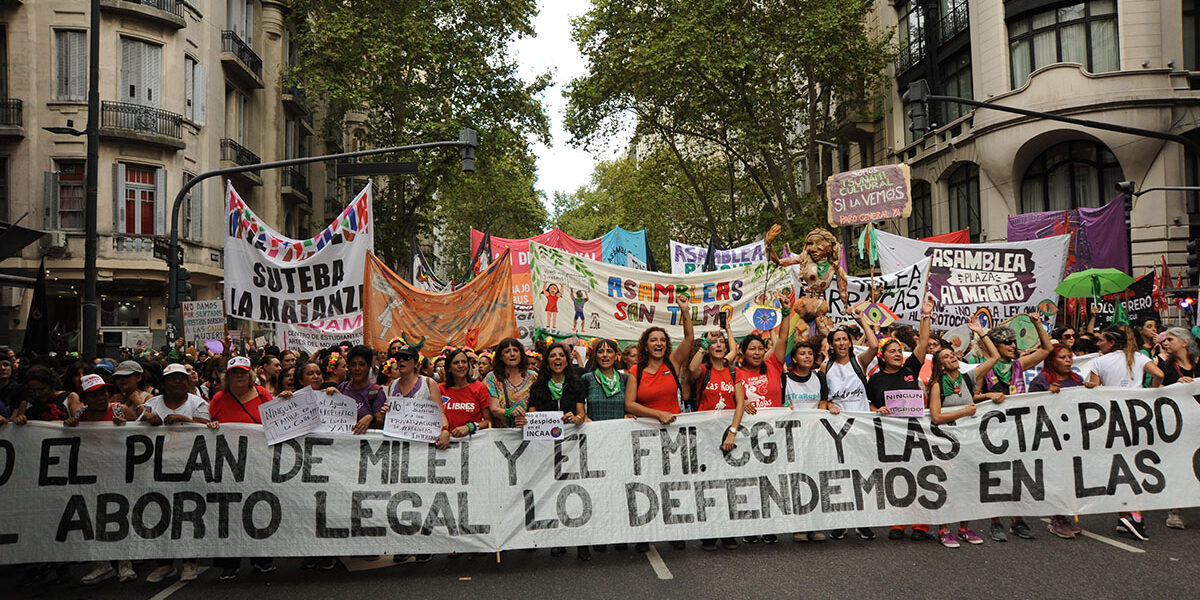
BUENOS AIRES. 2024 has been a difficult year for women and LGBTQ+ people in Argentina. A year after Javier Milei took office, and based on his view of the state as an obstacle, many crucial agencies for the protection of human rights were dismantled, their employees laid off, and the policies they promoted drastically cut or eliminated. All of this has had—and continues to have—a drastic impact on women's and LGBTQ+ people's access to basic rights.
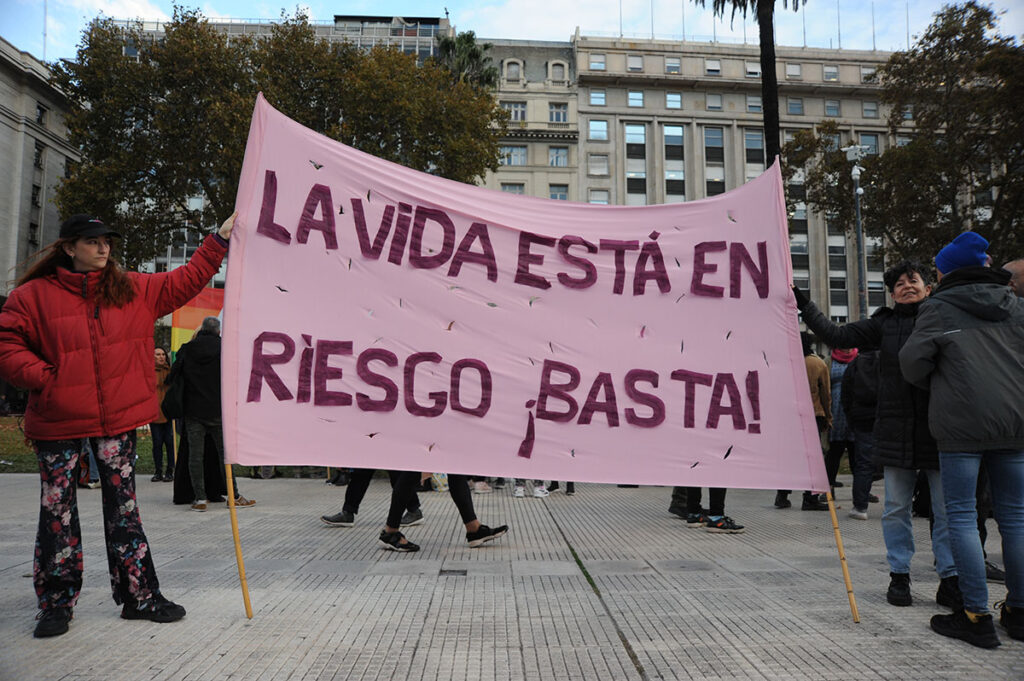
The dismantling of key agencies such as the Ministry of Women, Gender and Diversity and INADI (National Institute Against Discrimination, Xenophobia and Racism) was compounded by discriminatory statements from high-ranking officials. The Minister of Justice denied the diversity of sexual identities , to mention just one of the many misleading statements made by the government.
Institutional setbacks also led to an increase in violence. And a series of government measures emerged that aim to dismantle historic achievements such as the Gender Identity Law and the Voluntary Termination of Pregnancy Law.
More hate crimes and a triple lesbian murder
As it does every year, the Argentine LGBT Federation released its report on hate crimes, and in the 2024 report, they warned: “The LGBT+ Hate Crimes Observatory expresses its extreme concern about the exponential increase in murders of people from the LGBTQ+ community. The numbers are stark: in 2023, there were 9 murders throughout the year. In just the first 6 months of 2024, 9 hate crimes were recorded that resulted in the deaths of the victims.”
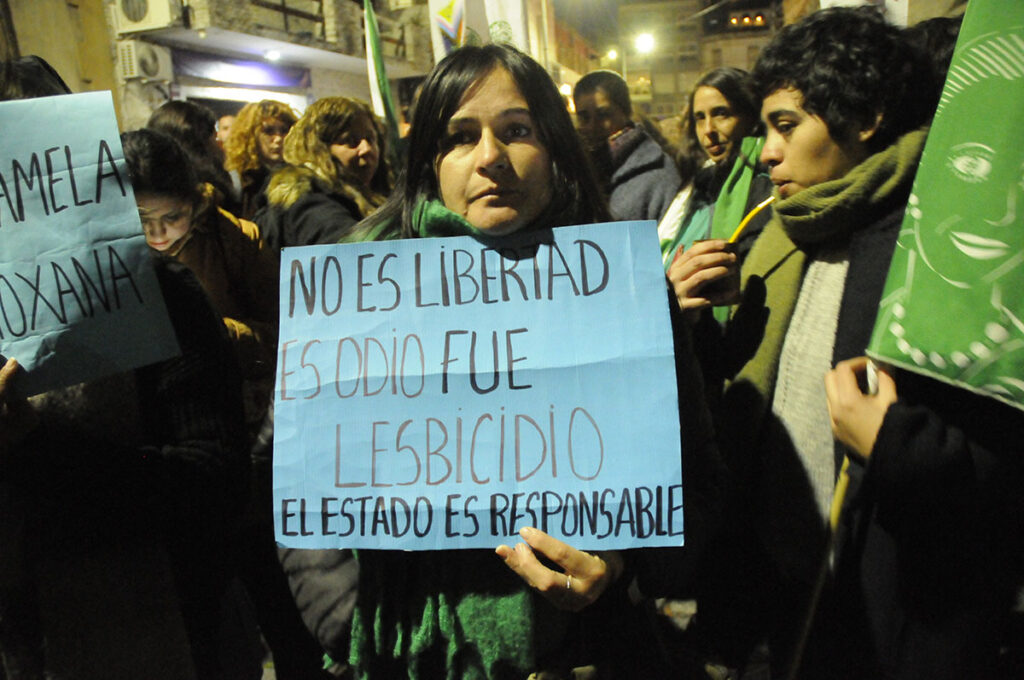
Among them was the triple lesbian murder in a family-run hotel in Barracas (Buenos Aires). On the night of May 5, Justo Fernando Barrientos attacked Pamela Cobbas, Roxana Mercedes Figueroa, Andrea Amarante, and Sofía Castro Riglos, four lesbian women, with a homemade explosive. Only Sofía survived. To date, the case is not being investigated as a hate crime, although witnesses told Presentes that the victims had been harassed by the perpetrator because of their sexual orientation. Judge Edmundo Rabbione classified it as "double aggravated homicide." In Sofía's case, the attack was reduced to "assault."
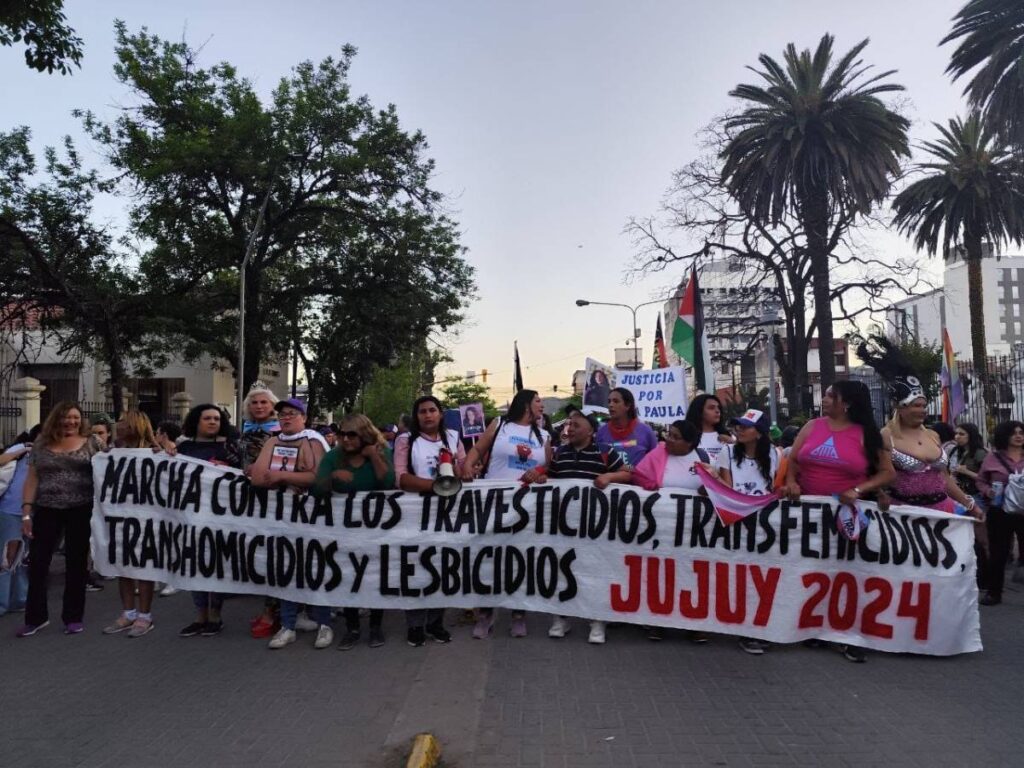
In Jujuy, the murder of 43-year-old trans woman Ana Paula Costas shocked the community. She died after a brutal attack in the Alto Comedero neighborhood, following 12 days in the hospital. The crime remains unsolved.
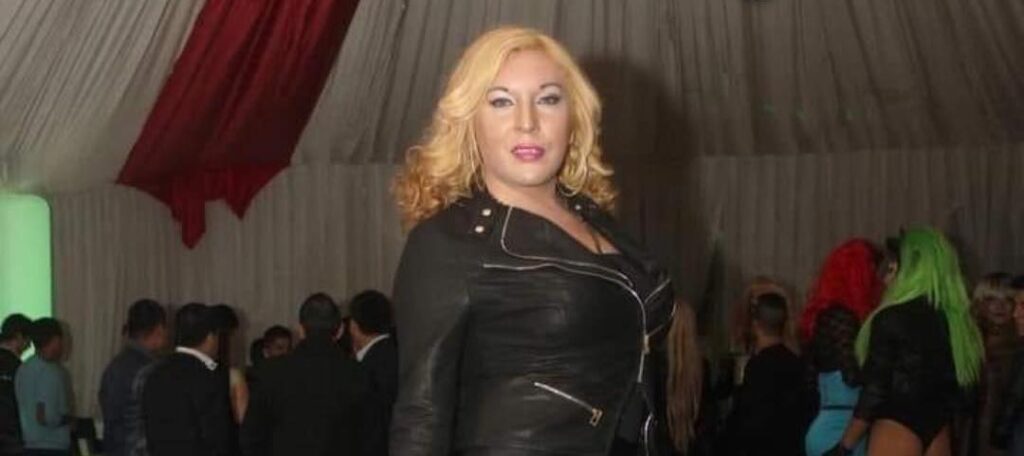
Violence against LGBTIQ+ migrants also claimed the life of Dámaris "Biscochito" León , who was murdered in April at the age of 38. She had arrived in Argentina in 2018 from Ecuador, seeking a country with a Gender Identity Law to fulfill her dream of becoming a dancer. Her case highlighted the double vulnerability faced by trans migrants, who often engage in sex work and financially support their families in their countries of origin.
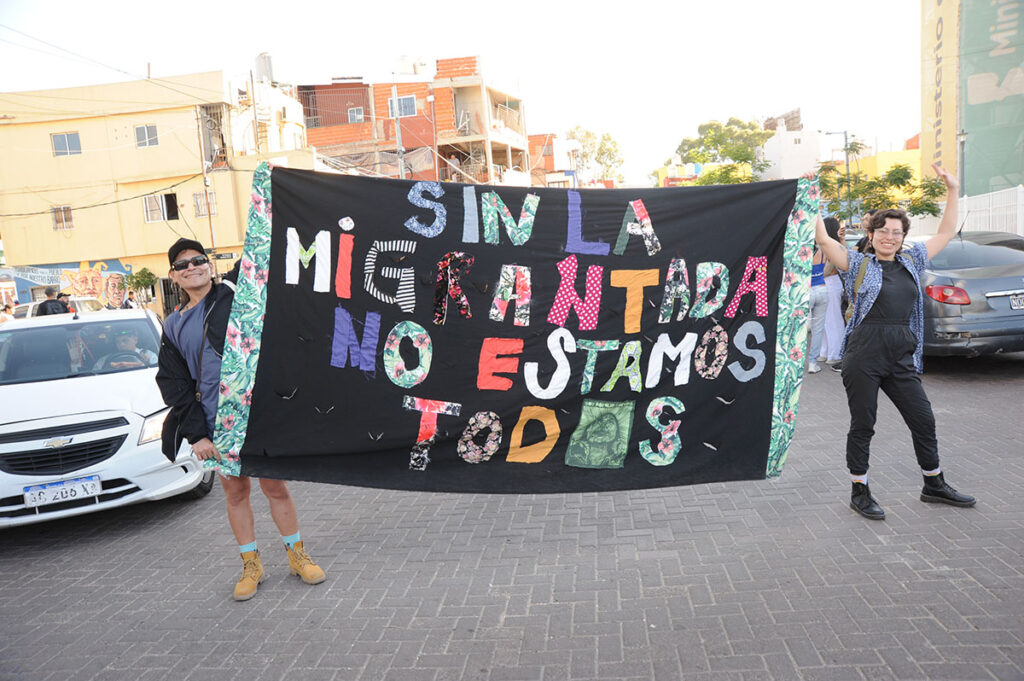
Rosario Sansone , a prominent figure in Salta's fight for LGBTQ+ rights, also died this year under circumstances that remain unclear. The case is being investigated as a possible transfemicide.
According to the report , in the first 6 months of 2024 there were 60 hate crimes, in which the sexual orientation, gender identity and/or expression of all the victims were used as a discriminatory pretext for the violation of their rights and violence towards them.
68% of the cases (41) correspond to trans women; in second place with 17% (7) are cis gay men; in third place with 10% (6) of the cases are lesbians; and finally, with 5% (3) of the total, are trans men.
Hate speech and disinformation
In 2024, misleading, false, and hostile statements against LGBT+ people from the government and influencers linked to La Libertad Avanza were commonplace.
On his social media accounts, as well as during prime-time interviews with media outlets, Nicolás Márquez, a lawyer and close associate of Javier Milei, spread false and dangerous ideas that pathologize homosexuality . His claims, such as that homosexuality is "encouraged" by the state or that LGBT+ people have shorter life expectancies, promoted hatred and discrimination.
Statements from the national government have reignited the controversy surrounding the housing of transgender people in prisons. Following a sexual abuse case and a request for gender reassignment by a drug kingpin, Javier Milei and Patricia Bullrich announced measures to limit these rights, stating that they will not allow prison transfers based on gender identity.
But as César Bisutti, author of this article on the myth of gender reassignment and privilege, , “the discussion about housing trans people in prisons is not new. Nor are the strategies used by conservative sectors to overturn our rights.” These sectors are using this and other cases to challenge the Gender Identity Law, denying rights and perpetuating stigmas in an already deeply unequal prison system. For trans activist Alba Rueda, these measures are part of a strategy to dismantle the Gender Identity Law .
In recent months, LGBTIQ+ activists and organizations have warned of the systematic attacks by Javier Milei's government on the rights of the LGBTQ+ community. These measures include legislative initiatives to prohibit legal gender changes for minors , hate speech promoted by government officials, and events such as an official seminar that pathologized transgender children.
A little bit of justice
In August 2024, the Oral Criminal Court No. 2 of La Plata set a historic precedent by sentencing Luis Alberto Ramos to life imprisonment for the aggravated homicide of Tehuel de la Torre, motivated by hatred based on his gender identity . This is the first time the Argentine justice system has addressed the murder and disappearance of a trans man from this perspective. Furthermore, the court ordered reparations for the trans and travesti community, including the creation of a protocol for searching for missing LGBTI people.

However, the case remains open: Oscar Montes, the other accused, has not yet been tried because he chose a jury, and Tehuel's body has not been found.
Regarding the disappearance and murder of Tehuel, an unusual case emerged in the courts, which was resolved this year. Pierina Nochetti had been prosecuted by the Municipality of Necochea for painting a mural with the phrase "Where is Tehuel?" in 2022. In 2024, the courts ended the criminalization process against the activist and municipal worker after reaching a settlement agreement. The criminal case, which had been initiated in 2022 for "aggravated damage," was dismissed. The Municipality of Necochea also committed to closing the administrative investigation and considering its reclassification in the 2025 budget. But for Pierina, it was almost three years of legal proceedings.

In Salta, the case of Camila Spears also set a legal precedent when her ex-partner was convicted of attempted transfemicide . In Santa Fe, the justice system also marked a milestone in that province by convicting Héctor Barrero of transfemicide for the murder of Alejandra Ironici, a trans activist and historical figure. Ironici was the first trans woman to obtain a national identity document before the Gender Identity Law and dedicated her life to fighting for the rights of her community.
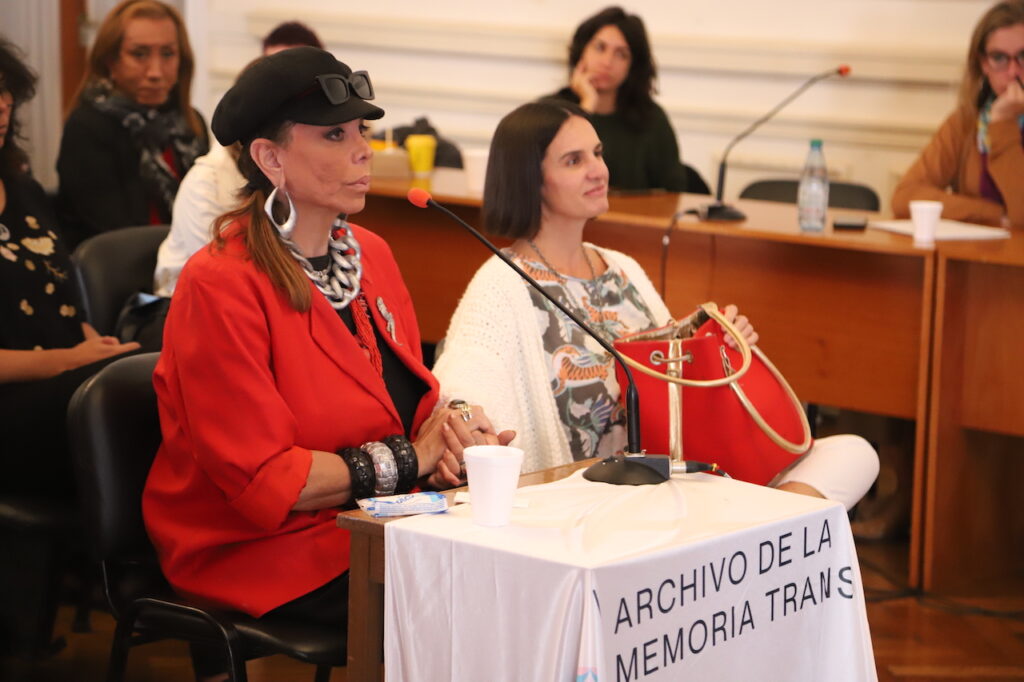
This year, the courts recognized eight transgender women and transvestites as victims of state terrorism for the first time. The ruling by Federal Oral Court No. 1 of La Plata sentenced 11 defendants for crimes against humanity committed during the state terrorism era. Ten of them received life sentences. “It’s a unique ruling, unprecedented in the world,” Assistant told Presentes after learning the grounds for the Brigadas trial.
There was also a landmark ruling that convicted libertarian influencer Manuel Jorge Gorostiaga (@danannoficial on social media) of discrimination. This is the first conviction for discrimination against a trans woman in digital environments .
According to the Buenos Aires City Prosecutor's Office, the influencer was sentenced to pay a fine. He was also prohibited from mentioning or referring to the victim on any of his platforms or through any public media outlet.
Justice for Sofía Fernández, a debt
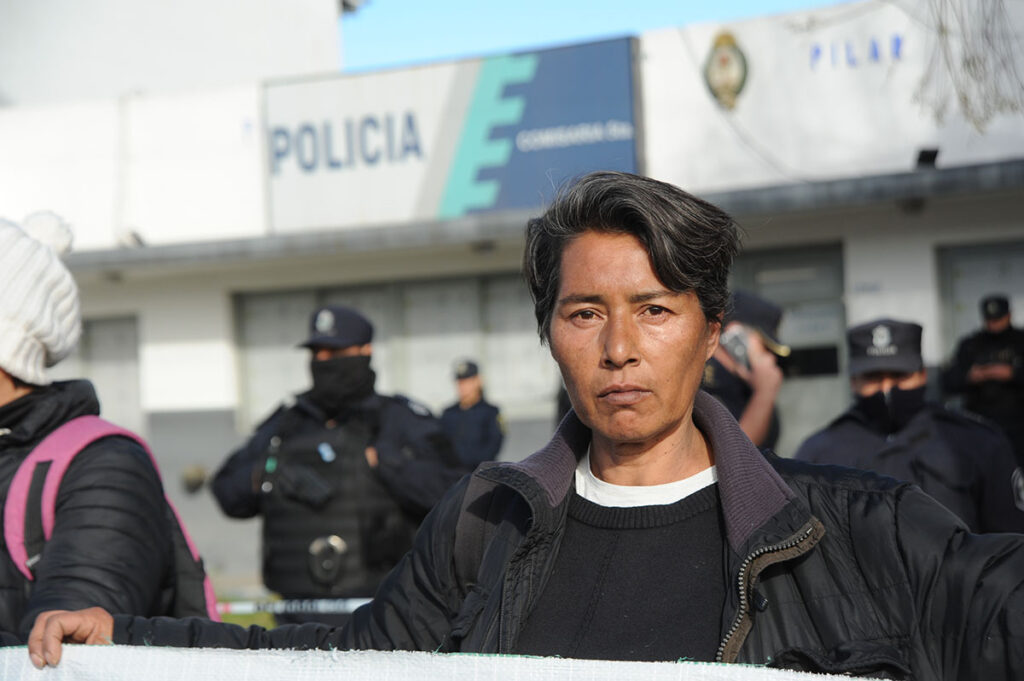
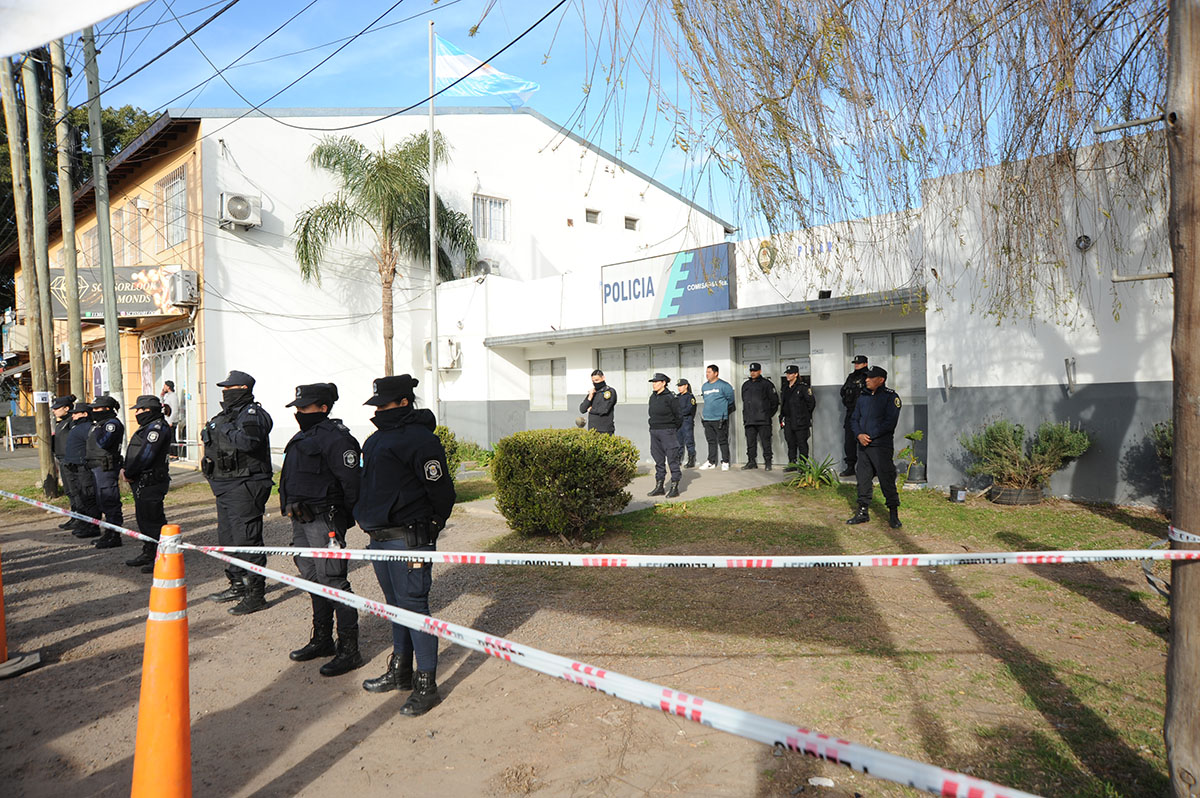
Among the outstanding demands for justice is that of Sofía Fernández, murdered in a police station in Pilar. Ten police officers have been charged, but nine remain free . The family has requested that the judge be removed from the case due to a series of irregularities. Throughout the year, her sister Mabel and activists organized various marches to ensure that Sofía does not go unpunished.
Goodbye to Ilse Fuskova
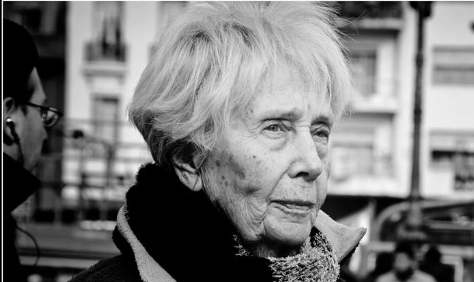
The year was also marked by the loss of historical figures in LGBT rights such as Ilse Fuskova , but also Nora Cortiñas, Mother of Plaza de Mayo Founding Line, a crucial ally of sexual diversity and all human rights struggles, among other figures.
Ilse was a pioneer of lesbian visibility. She passed away at 95, the day before Pride Month. The first lesbian to appear on Argentine television and organizer of the first gay and lesbian pride march in 1992, her legacy is captured in the Cuadernos de Existencia Lesbiana (Lesbian Existence Notebooks) and in the documentary about her life released in 2021.
Achievements and resistances
A 2024 achievement: the data gathered in the first National Survey of Living Conditions of Sexual and Gender Diversity that exposed data on the community: a significant presence of bisexual (22.5%) and non-binary (13.2%) people, as well as a significant proportion of trans masculinities (5.3%).
The study confirmed that the trans population continues to be the most affected by discrimination, both in the educational and labor fields.
Furthermore, in 2024 Buenos Aires hosted historic international LGBT+ sporting events, including the IGLA+ World Aquatics Championships and the LGBT+ World Cup. The "Al agua putx" swimming team from La Plata stood out by competing in the new Open category.

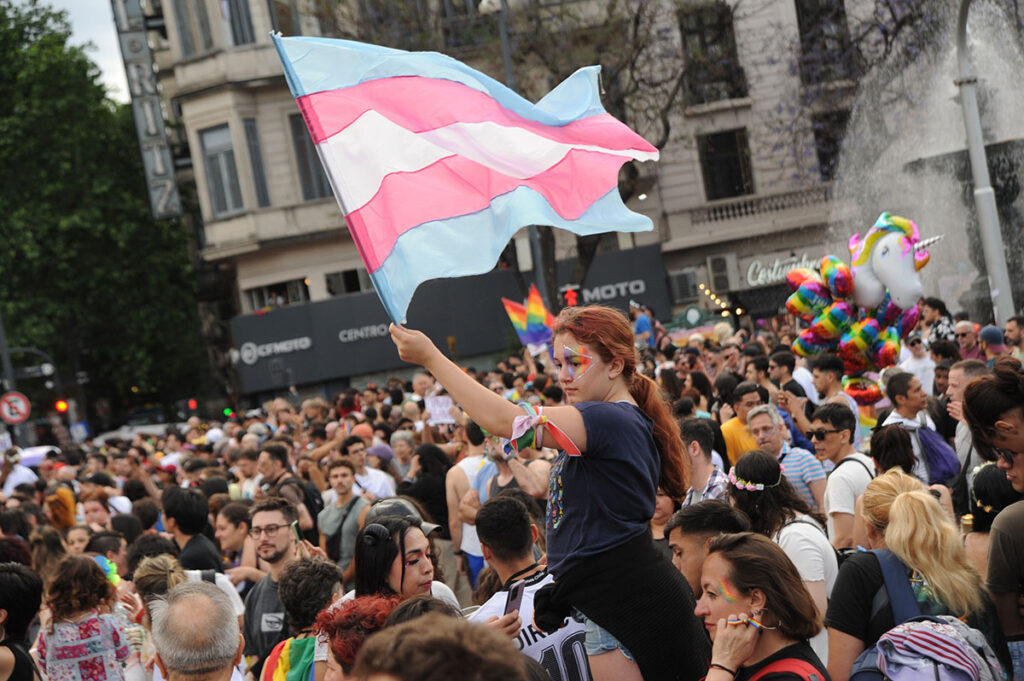
Once again, the Argentine capital was the scene of a massive Pride march, with nearly two million people taking to the streets. Pride demonstrations multiplied across the country, and many of them echoed slogans against austerity measures and repression.
Protests against the government were also strongly expressed in San Salvador de Jujuy, during the 37th Plurinational Meeting of Women, Lesbians, Transvestites, Trans, Bisexuals, Intersex and Non-Binary People.
During Pride Month, the international solidarity of thirty embassies prompted a declaration of support to demand the guarantee of LGBT rights, demonstrating that, in the face of the advance of hate speech, collective organization also resists in international relations.
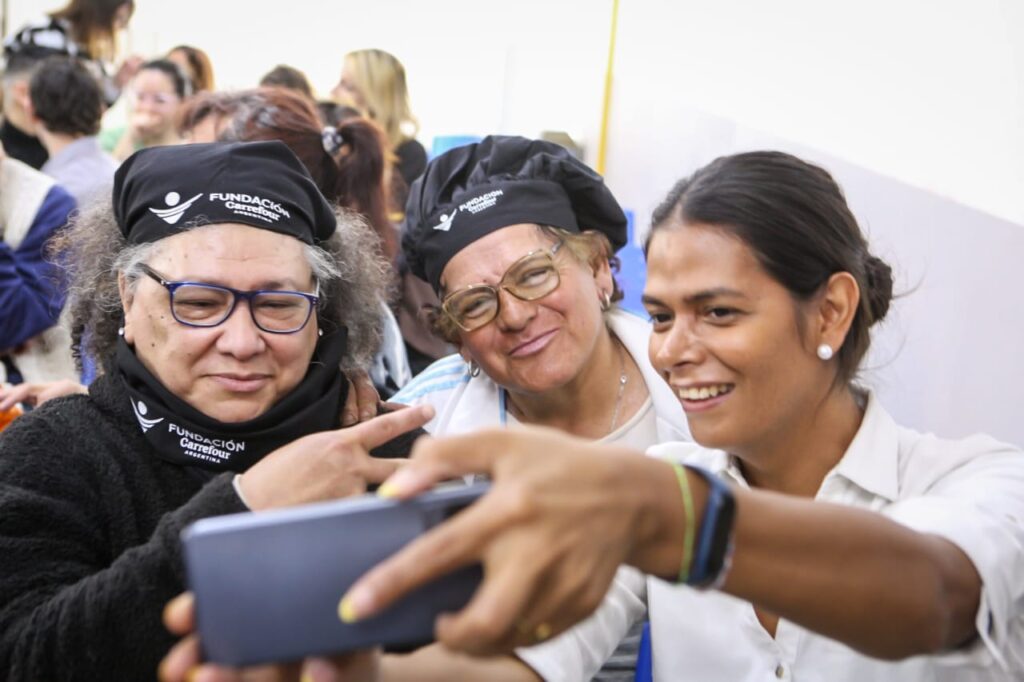
Culture also became a crucial space for resistance. The play " My Heart Is Not Made of Stone or Wood " brought to light little-known realities, while the Mocha Celis High School expanded its initiatives with a Sustainable Cooking School .
Setbacks in public policies
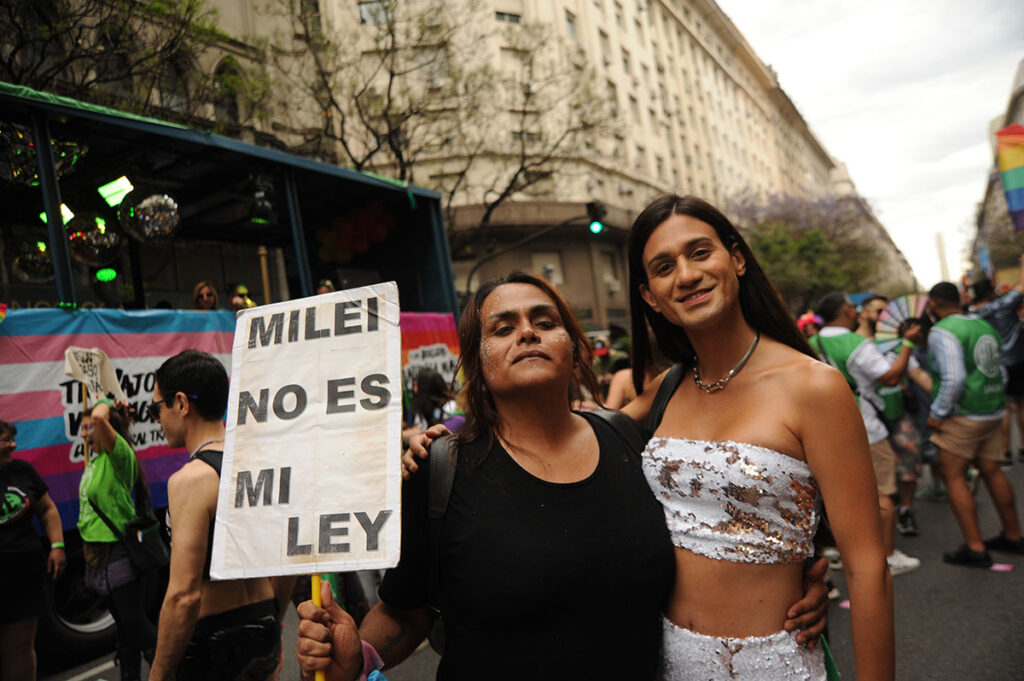
The state's "adjustment" had a devastating impact on gender policies during 2024. The now-defunct Ministry of Women, Gender and Diversity, which had 1,282 employees in December 2023, was reduced by 50% in six months, and subsequently by 80% of the remaining staff. Critical areas such as the Directorate for the Comprehensive Approach to Cases of Femicide and Transvesticide, and the Undersecretariat for Protection against Gender Violence were eliminated.
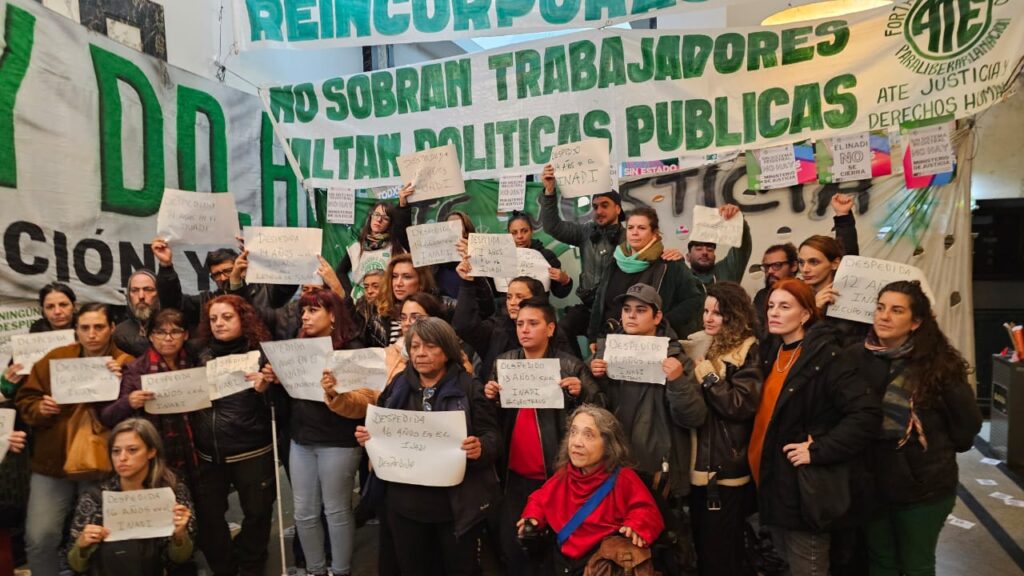
By decree, the Milei government closed INADI , an agency created in 1995 that served as a key resource for the LGBTIQ+ community facing discrimination and boasted a nationwide network. The dismantling of these institutions has created a void in the protection of fundamental rights, in a context marked by economic crisis and wage devaluation. Meanwhile, crucial programs such as Acompañar, which assisted victims of gender-based violence, and the Travesti Trans program, are virtually paralyzed.

The attack on the labor rights of the trans community deepened with the mass dismissal of at least 85 trans and gender-diverse state workers in just two weeks, violating Decree 84/2023, which exempted those hired through quotas. This direct attack on the trans employment quota , which had successfully placed 955 people in the national public sector since 2021, represents a significant setback for the community's labor inclusion. Organizations also documented the dismissal of 10 trans workers in various municipalities across the country, revealing a systematic pattern of exclusion.
Meanwhile, trans and travesti groups continue to pursue legal action demanding historical reparations and pensions for older adults. They are also pushing for the passage of a comprehensive trans and travesti law.
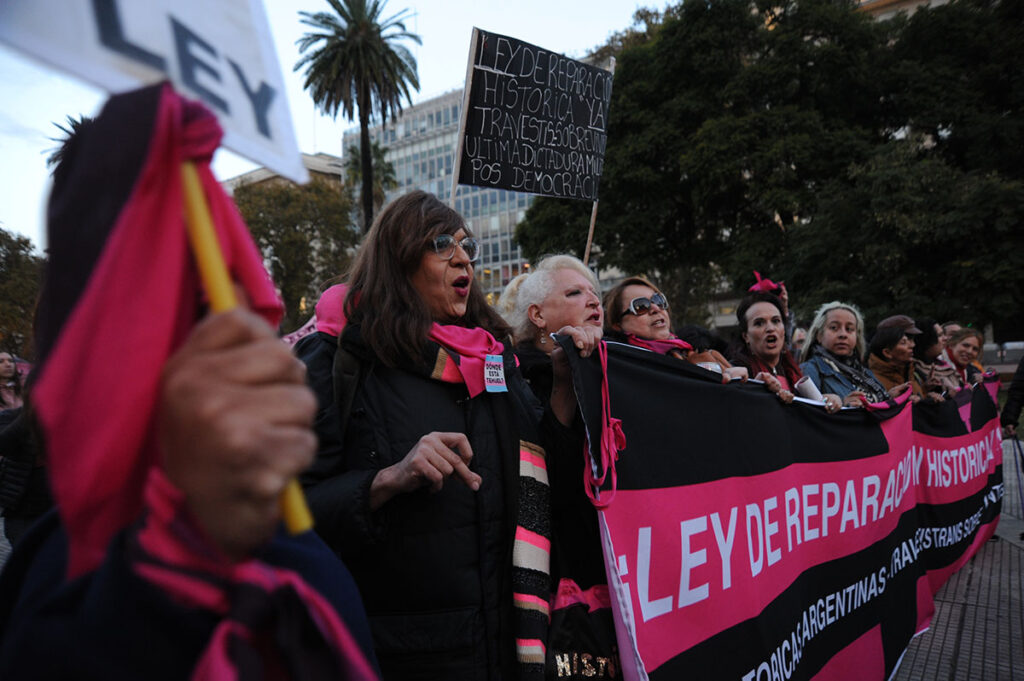
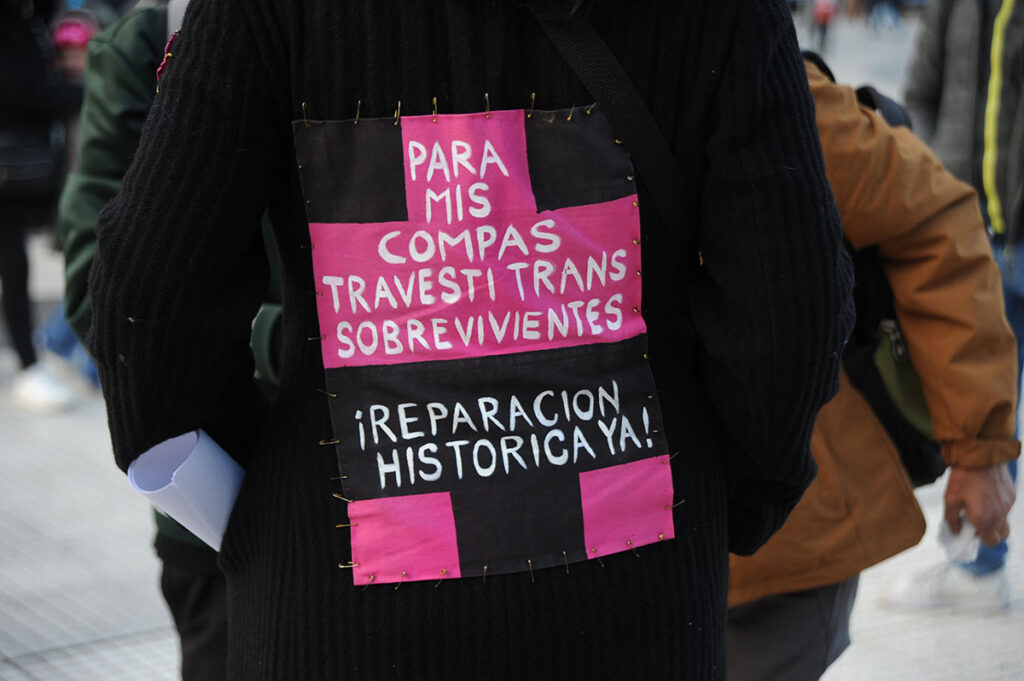
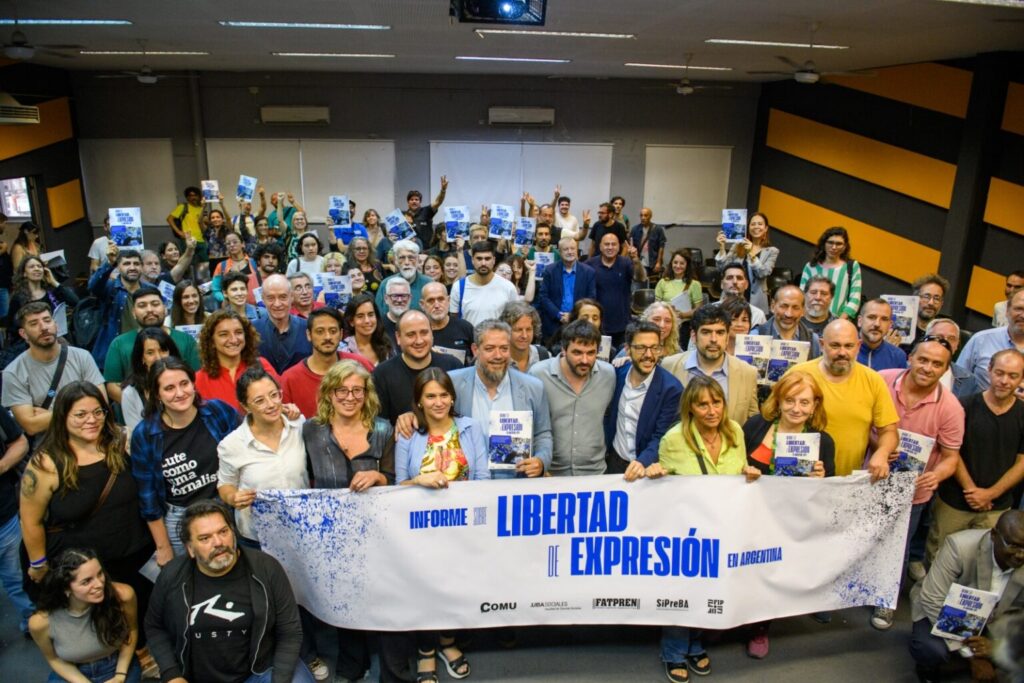
The year was also heavily marked by restrictions on the right to protest in the streets, through repressive operations, and by setbacks in freedom of expression. This is reported in the report "Freedom of Expression in Argentina 2024 ," prepared by the Federation of Press Workers (FATPREN), the Buenos Aires Press Union (SiPreBA), and the Department of Communication Sciences at the University of Buenos Aires. The report also highlights the decline in the representation of women and diverse voices in the media.
We are present
We are committed to journalism that delves into the territories and conducts thorough investigations, combined with new technologies and narrative formats. We want the protagonists, their stories, and their struggles to be present.
SUPPORT US

FOLLOW US
Related notes
We are present
This and other stories are not usually on the media agenda. Together we can bring them to light.