

Mexico 2024: The decriminalization of abortion is progressing, but trans-feminicidal violence continues
Legalization of abortion in several states, militarization, 59 hate crimes against trans women and some progress: an LGBTI+ assessment in Mexico.


Share

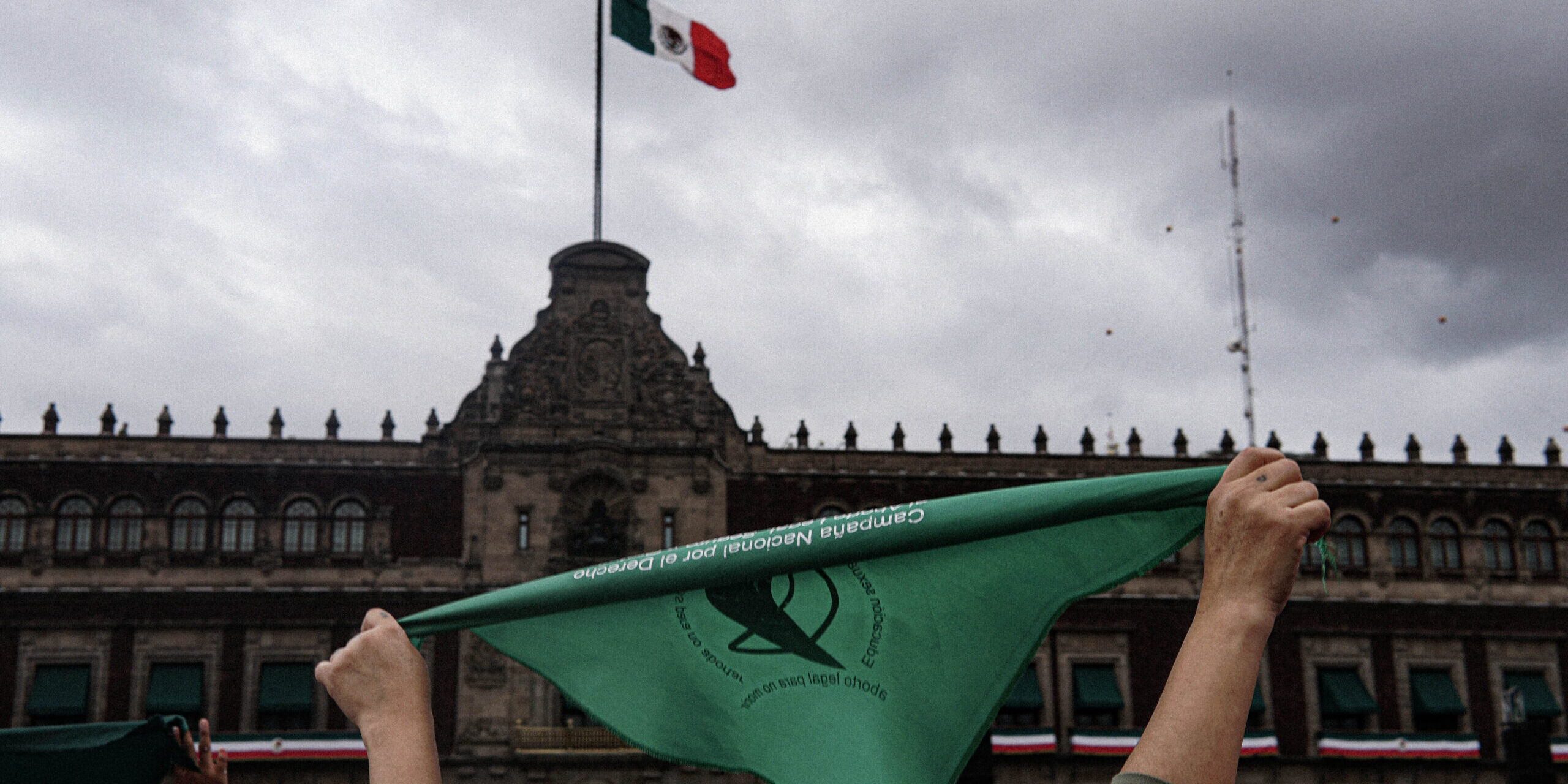
2024 was the year in which the most local legislatures in Mexico removed abortion from their penal codes. In 19 of the 32 states, abortion is not a crime, at least during the first trimester of pregnancy. But it was also a year marked by violence against transgender women.
It was an election year, and for the first time, a woman became president. However, in the debates, the candidates offered little in the way of proposals regarding the protection and guarantee of the rights of women, Afro-Mexicans, and LGBTQ+ people.
have passed since the disappearance of 43 students from Ayotzinapa . This state crime is part of the broader crisis of enforced disappearances in the country. More than 116,000 people remain missing in a context of widespread violence and a security strategy that keeps the army deployed in the streets.
In Presentes we documented how activists see it as important not to lose sight of the fact that under a context of militarization, women and LGBT+ people are greatly affected.
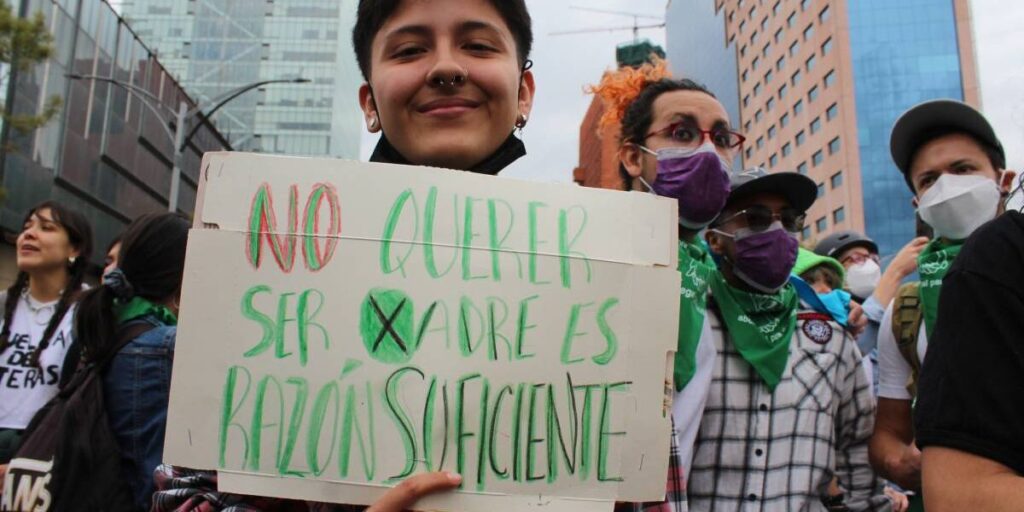
Partial decriminalization of abortion in more than half of the country
The decriminalization of abortion advanced considerably this year. This followed significant progress last year with the Supreme Court's rulings against the state of Aguascalientes and the declaration of unconstitutionality of the penalties for abortion in the Federal Penal Code .
In 2024 alone, seven states—Puebla, Jalisco, Michoacán, San Luis Potosí, Zacatecas, the State of Mexico, and Chiapas—amended their penal codes. Thus, today a total of 19 of the 32 states in the country have partially legalized abortion up to 12 weeks of gestation . These advances are a victory for abortion rights organizations. It is important to note that Michoacán approved this right without a time limit. Along with Guerrero, it is one of the only states with full decriminalization in its penal code.
Furthermore, this year there were other court rulings that are forcing Morelos, Yucatán, and Nayarit to repeal the crime of abortion from their penal codes. Other important advances have been made with the reform of health laws in some states (eight so far), which outline how to provide the service. It is important to clarify that a health law reform is not necessary to receive medical care related to abortion.
Amid this green wave, there was also a setback this year. In Aguascalientes, the conservative-majority congress approved a reform that reduces access to legal abortion services from 12 to 6 weeks. And the paragraph concerning pregnant people was removed from the reform.
This year in Mexico City, the first state to decriminalize abortion up to 12 weeks, Congress approved a ruling that seeks to eliminate the crime of consensual abortion without time limits.
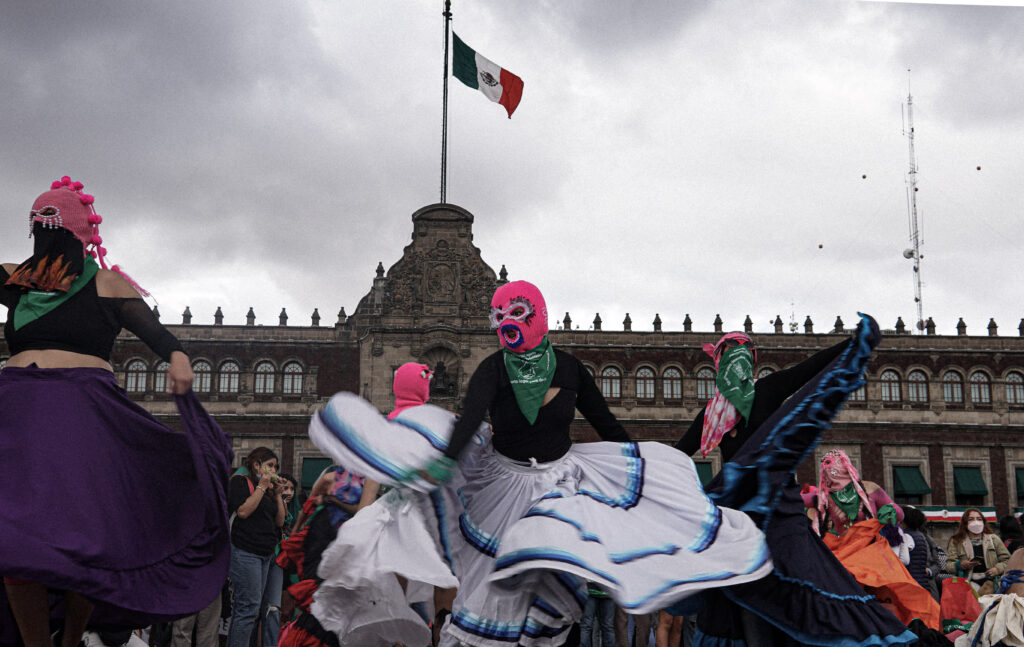
“The most violent year”: 59 trans women murdered
This year, activists have documented at least 59 violent deaths of transgender women. This represents Mexican transgender women called on the Mexican State to investigate with due diligence and a gender and human rights perspective. The IACHR also insists that institutions must “redouble their efforts to prevent violence against transgender people.”
To put the scale of what is happening into perspective, it is important to mention that in 2023 the organization Letra S documented 43 transfeminicides , which represented 65% of the total number of violent deaths against LGBT people in Mexico that year.
As of December 1, 2024, the National Trans Non-Binary Assembly and the Transcontingenta collective have documented at least 59 transfeminicides.
Most of the victims are trans women living in precarious conditions and engaged in sex work. Firearms stand out as the lethal weapon in most of these crimes, and in a militarized country, activists do not rule out this connection.
Activist Rocío Suárez of the Center for Support of Trans Identities (CAIT), who has been documenting these forms of violence since 2007, insisted this year that activists urgently need to understand the scope of this violence and connect it to the contexts of widespread violence in the country. Some of these crimes occurred in contexts of militarization and drug trafficking, where trans women are vulnerable to being forced to work for organized crime groups, harassed and pressured into paying fees to work on the streets as sex workers, and subjected to other forms of control by the police and the army , even in electoral contexts, as happened with two trans women activists and candidates for political office in Michoacán and Mexico City .
The records kept by activists and the investigations by the IACHR highlight the prevailing impunity, as the perpetrators are unknown and there are no detainees.
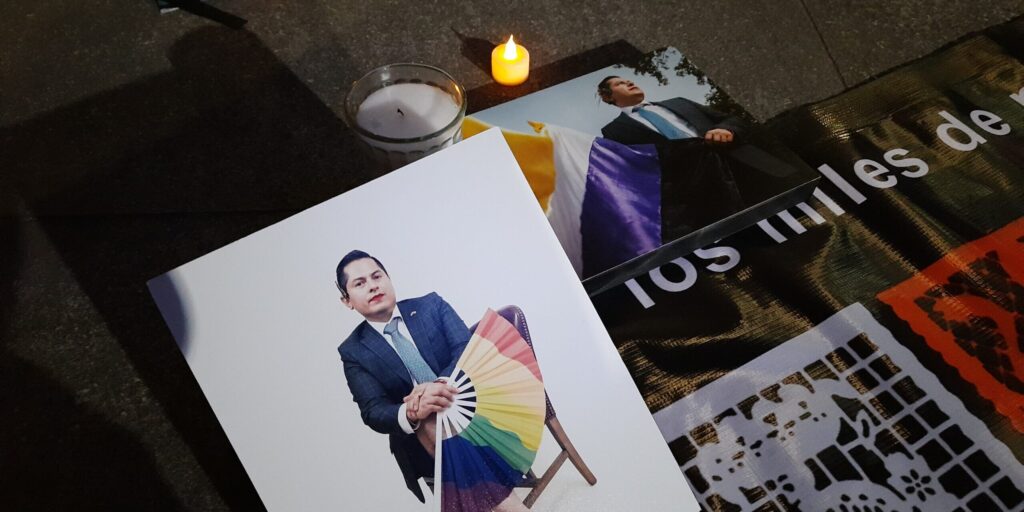
Such is the case of the double hate crime against Ociel Baena, a non-binary person and judge who was found dead alongside their partner inside their home. A year after the crime, the justice system continues to refer to it as a "crime of passion," there are no arrests, and no information is being released about the investigation.
Progress and outstanding issues regarding rights
The recognition of the right to gender identity for trans people has progressed in Yucatán and Campeche, but they fell short by not guaranteeing this right to trans children.
This year there was no progress toward the recognition of transgender children . And although in Jalisco and Puebla this right is guaranteed by decree and by a court ruling, respectively, both local congresses voted against making this right law.
In Mexico City, the repeal of the criminal offense of endangering public health through contagion . This offense was used to criminalize people living with HIV. This repeal also occurred in Nayarit last year.
Efforts to correct sexual orientation and gender identity (ECOSIG) were banned at the federal level following the approval in the Senate and Chamber of Deputies of reforms to the Federal Penal Code and the General Health Law.
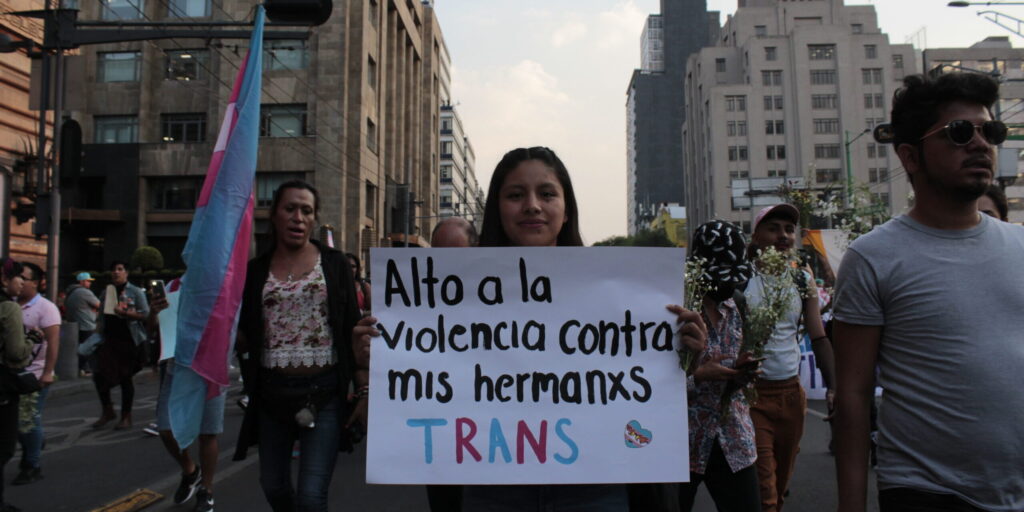
Transfeminicide is now a crime in Mexico City, and the chosen family is now included in the legal framework.
This year, the path to justice for the victims of transfeminicide in Mexico City had an achievement thanks to activists Natalia Lane, Victoria Sámano and Kenya Cuevas, along with Congressman Temístocles Villanueva.
The classification of the crime of transfeminicide, which is called the Paola Buenrostro Law , was achieved after working groups where victims and survivors of institutional violence and attempted femicide put forward important points that should not be ignored, such as the consideration of the families chosen in the process of access to justice and the importance of analyzing the contexts and the differentiated approach when investigating crimes where the victims are trans women.
So far, only the state of Nayarit and Mexico City consider transfeminicide a crime in their penal codes.
Also this year, the Supreme Court of Justice of the Nation (SCJN) and the National Human Rights Commission (Conapred) determined that every violent death of a trans woman must be investigated under the femicide protocol and demanded that local congresses establish measures that guarantee access to justice for this population.
The first female president in Mexico: no explicit discourse on the human rights of women and LGBT people, and continuing militarization
This year, elections were held in the country, and for the first time, a woman is president. Scientist Claudia Sheinbaum received the most votes in Mexico's democratic history . She assumes the presidency as a successor to the national project known as the "Fourth Transformation," initiated by her predecessor, Andrés Manuel López Obrador, a politician who promised justice, truth, and remembrance in emblematic cases such as the Ayotzinapa students and the return of the army to its barracks . However, in reality, he did the opposite, granting it even more power [as we explained in this article] .
Sheinbaum appeared in the presidential debates without a clear message regarding the human rights of women, LGBTQ+ people , Afro-Mexicans, and other vulnerable groups. Although she mentioned women in her inaugural address as Mexico's first female president, her speech lacked any stance on gender and sexual diversity. She said, "We have all arrived," referring to women, but feminist and LGBTQ+ activists remain vigilant regarding her administration and the guarantees of rights that the executive branch can provide.
Also during his first day as president, he asserted that there was no militarization in the country, and in his first weeks in office, he affirmed that they would continue with the security strategy that keeps the army and the National Guard in the streets—institutions linked since 2007 to serious human rights violations.
Anti-rights groups spread misinformation about trans people and comprehensive sexuality education (CSE).
This year , Presentes launched La Factoría , its fact-checking unit to combat gender misinformation in Latin America. Presentes countered these narratives through explainers and articles in collaboration with the media outlet Verificado .
This year, we found that during the electoral process, anti-rights candidates spread false information regarding trans people , especially trans children , and sex education, falsely accusing educational textbooks of "imposing an LGBT ideology .
The Paris Olympic Games also took place, and we at La Factoría joined in countering the transphobic, racist, and misogynistic narratives used to falsely and scientifically claim that trans women with high testosterone levels have an unfair athletic advantage over other athletes.
We are present
We are committed to journalism that delves into the territories and conducts thorough investigations, combined with new technologies and narrative formats. We want the protagonists, their stories, and their struggles to be present.
SUPPORT US

FOLLOW US
Related notes

We are present
This and other stories are not usually on the media agenda. Together we can bring them to light.