

The Pride of the slums, plurinational and transfeminist marched in the 31st of Retiro
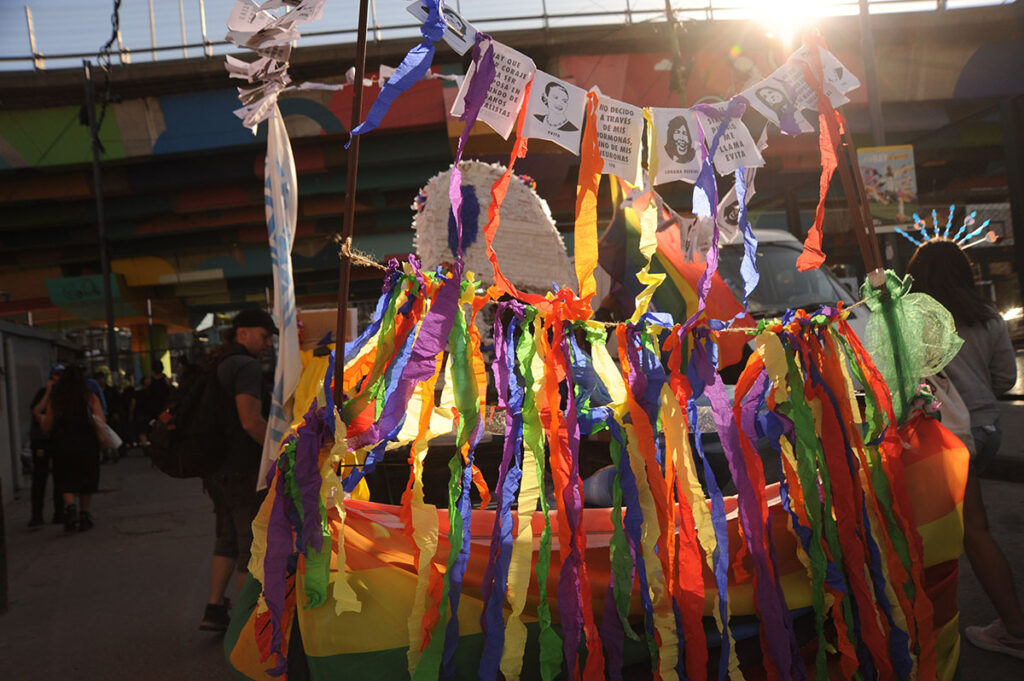
The sixth Transvillera Plurinational Diversity Pride March brought the LGBT demands of the Autonomous City of Buenos Aires to the Retiro neighborhood, specifically to the intersection of 31st and 1 Bis streets. A celebration and a show of resistance against the advance of the right wing.


Share

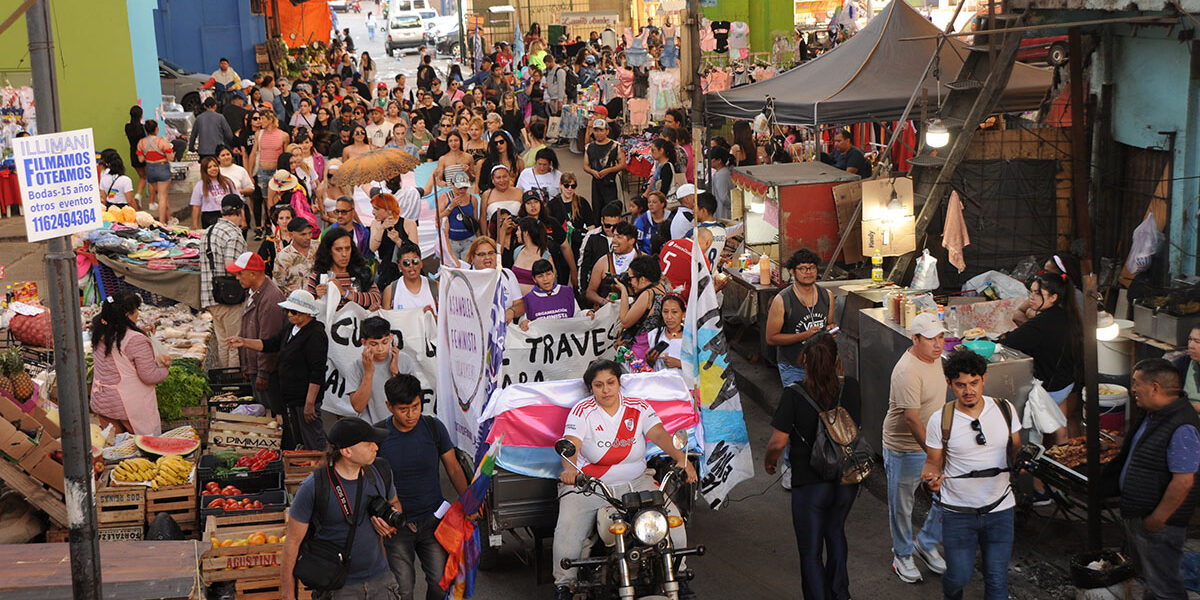
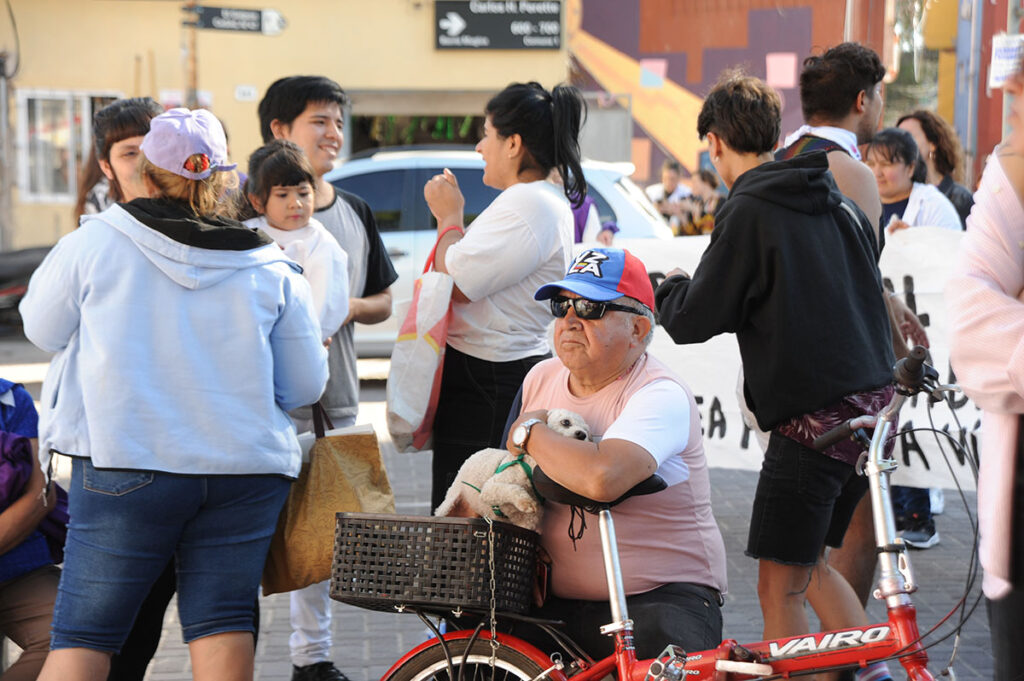
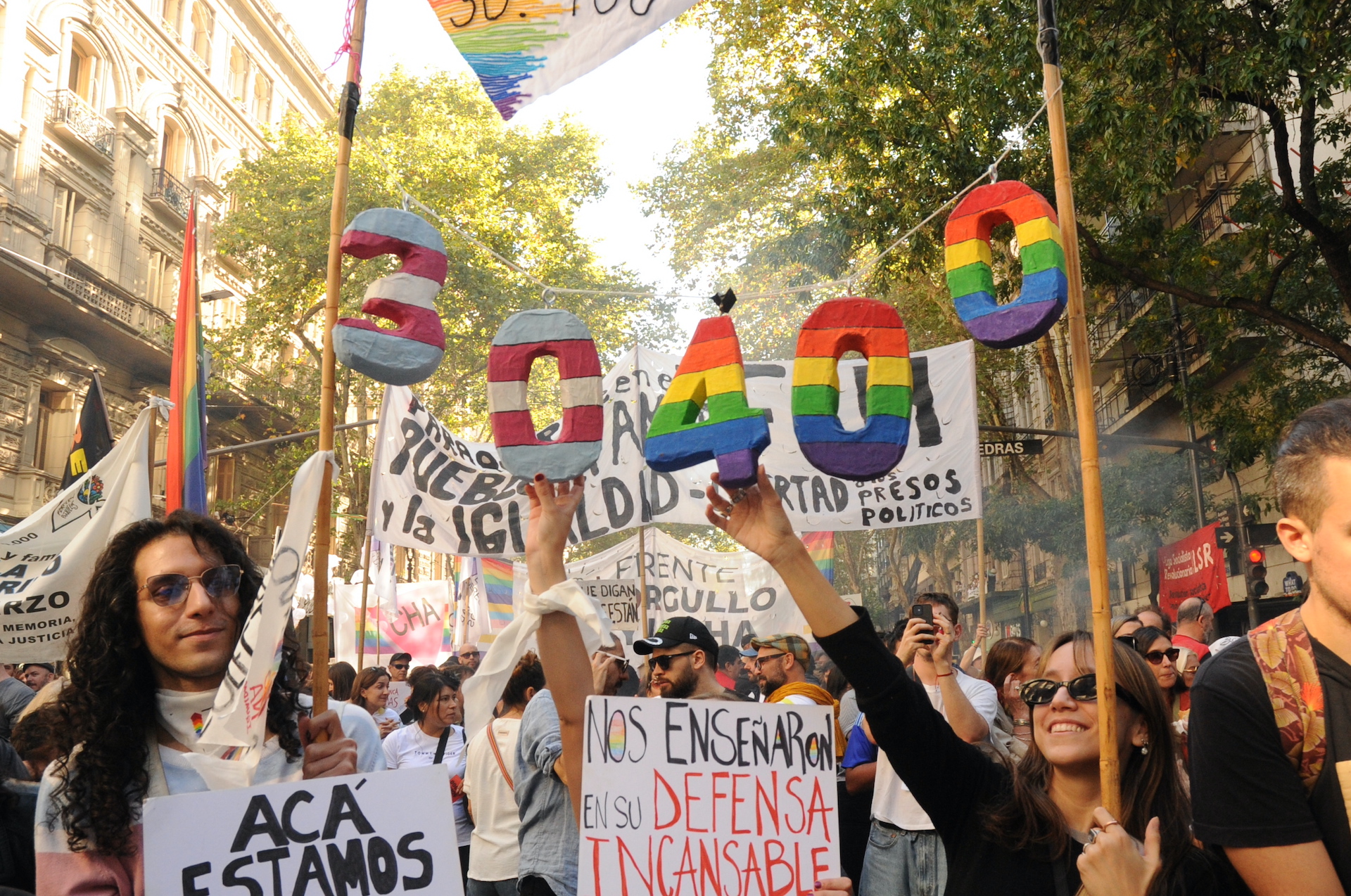
BUENOS AIRES, Argentina . The sixth Transvillera Plurinational Diversity Pride March brought the demands and claims of the LGBT community of the Autonomous City of Buenos Aires to the streets of Villa 31 and Villa 31 Bis in Retiro. They demanded justice for Zoe García, jobs and decent housing for trans people, asked about Tehuel's whereabouts, and said "Stop the murders of lesbicides and transvesticides." One of the main slogans was that this sector of the city should not be left out of urbanization. But above all, they shouted: Pride is also for the slums .
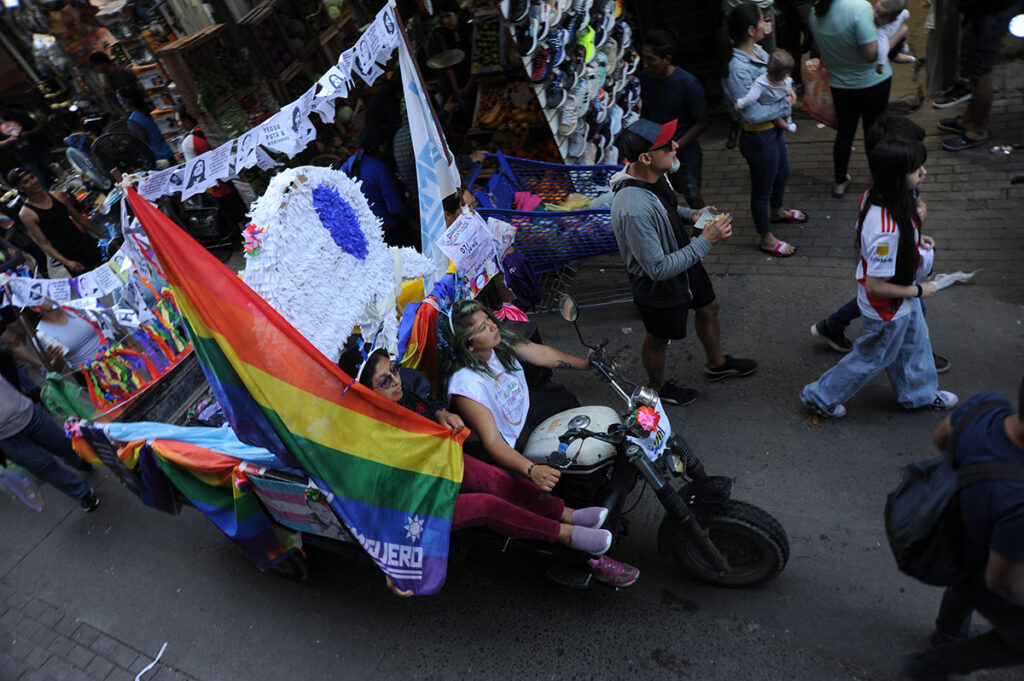
Because the shantytown march is a celebration. At siesta time on Saturday, December 7th, trans women dance among the motorcycle taxis and neighbors, while in front of the mural of former president Néstor Kirchner, Paraguayans play soccer. Lesbians cheer, gay men shout. Pride is also a shantytown pride. The river knows it, the neighbors know it. Today the trans women take communion, the gay men are baptized, the lesbians confess. Large glasses of cold beer are passed from hand to hand as the Gendarmerie marches by.
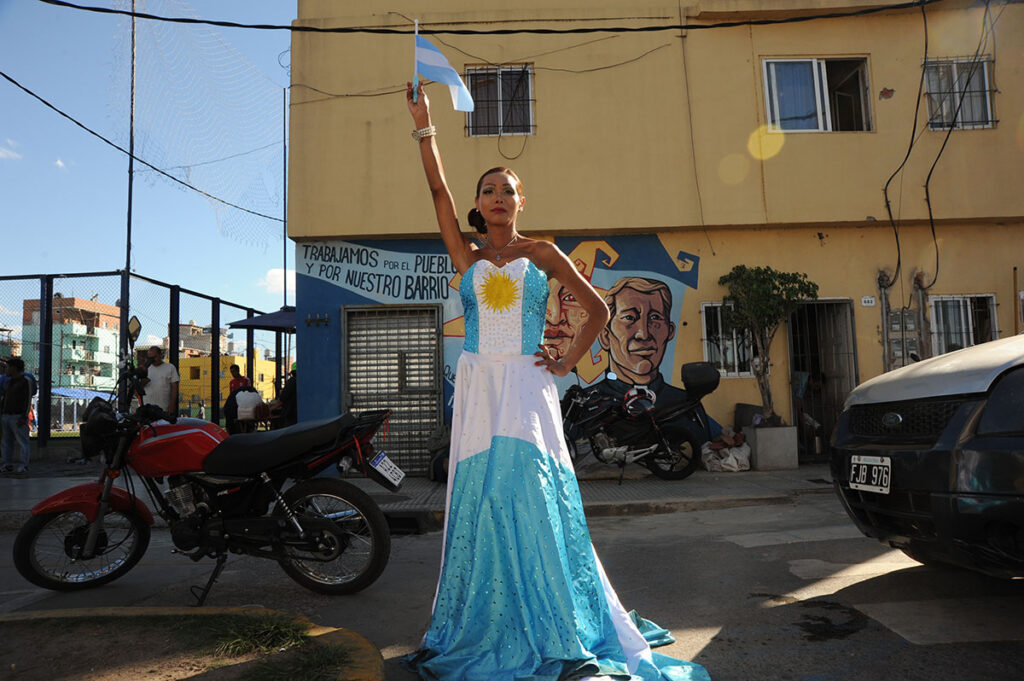
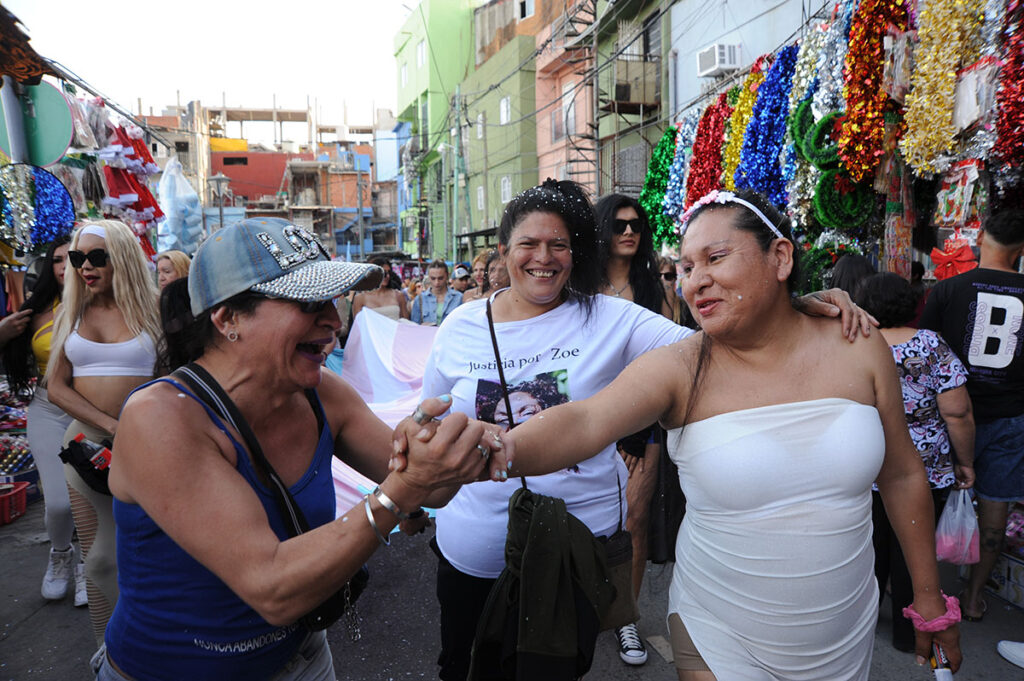
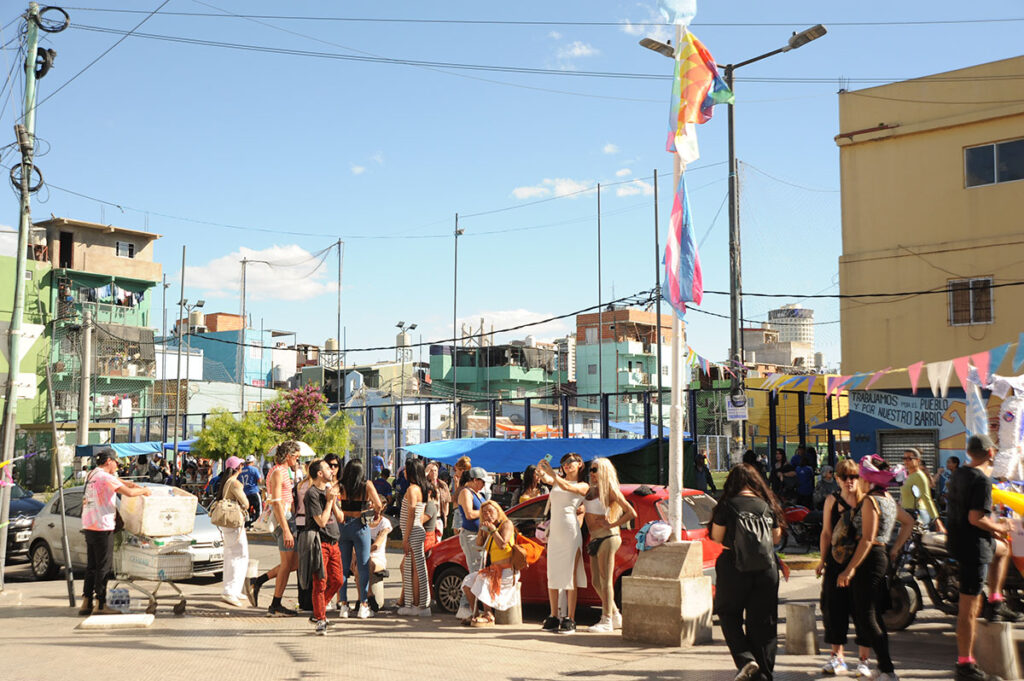
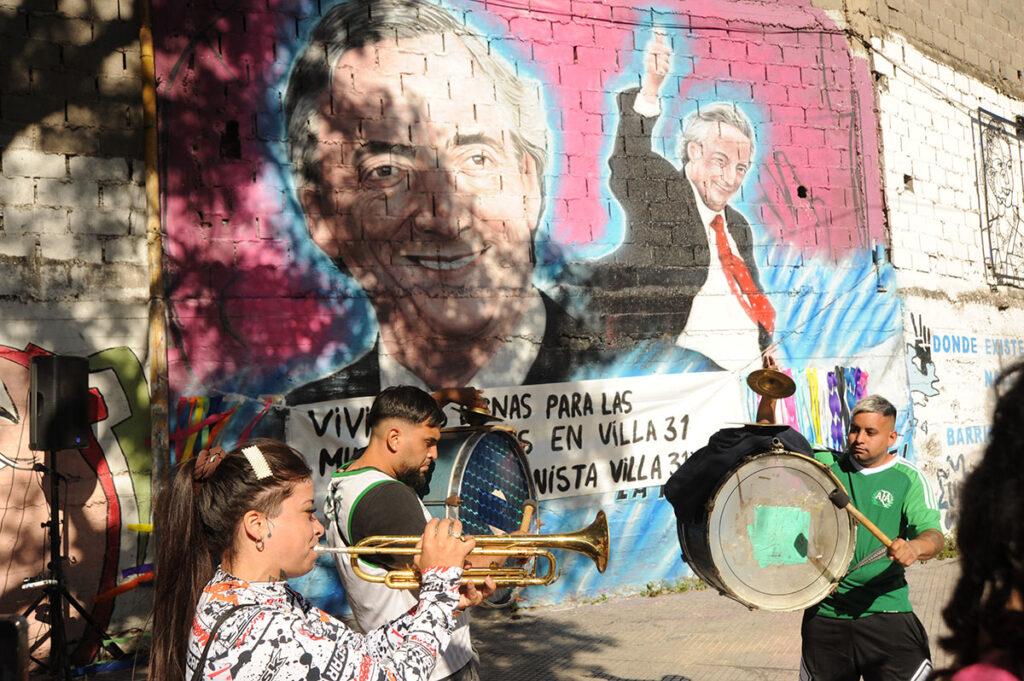
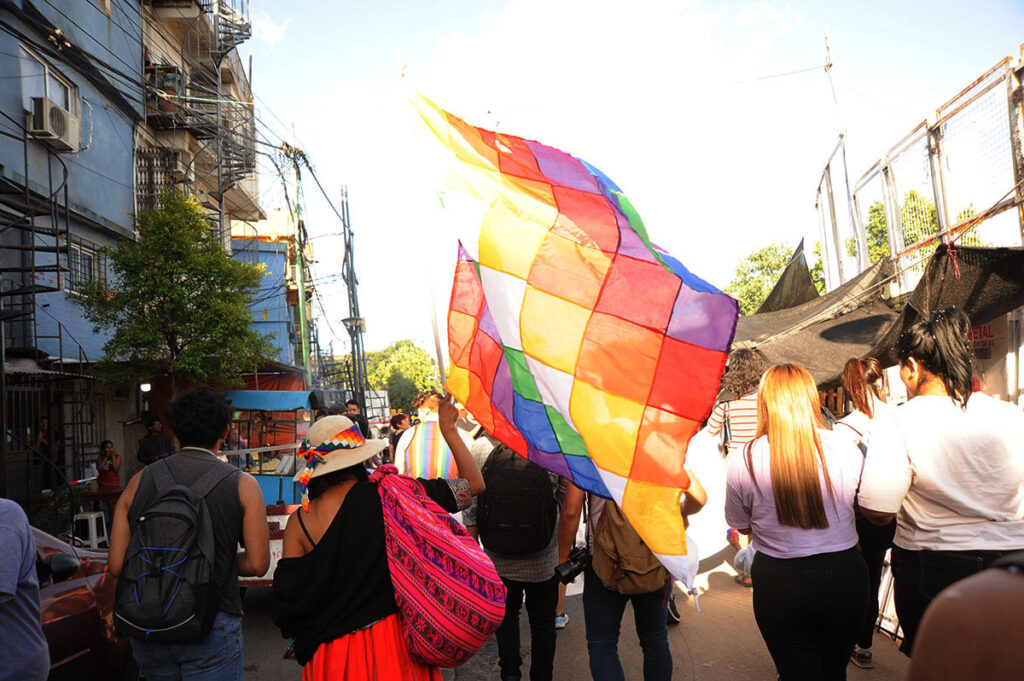
Families arrive, accompanying relatives who are attending for the first time, even though this is the sixth Trans Pride march in the wealthiest city in the country. A six-year-old boy runs through the aisles with a rainbow flag, defying urbanization, momentarily forgetting the lack of food in the soup kitchen, embracing his pain with pride. Glitter spills down the open-air highway, the march bursts into the market to the rhythm of Sudor Marika, and the salchipapa (a popular street food) explodes.
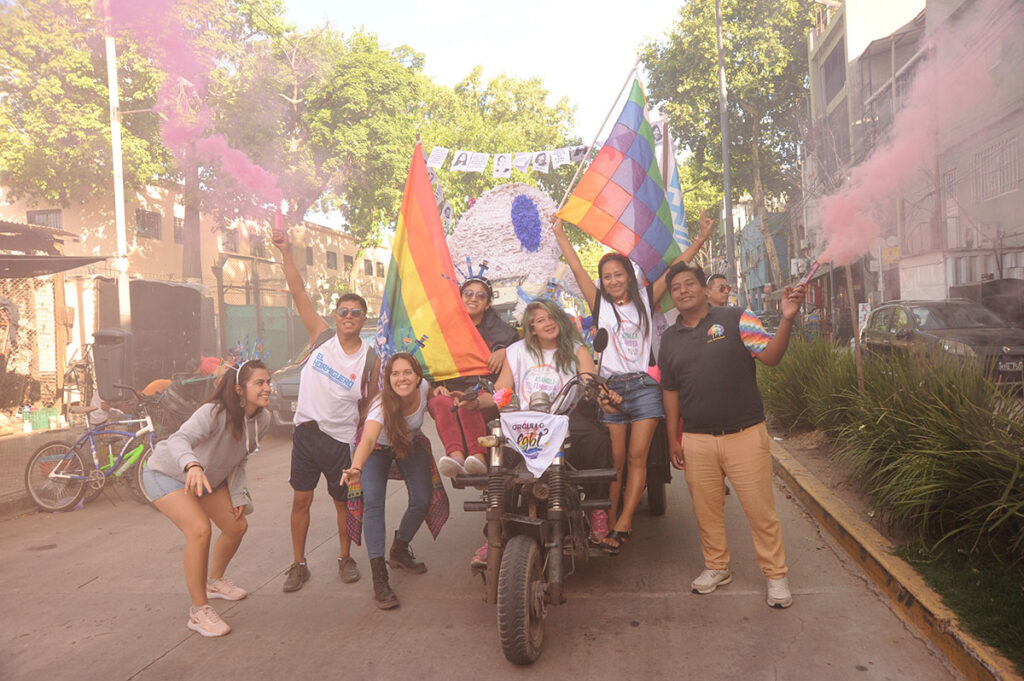
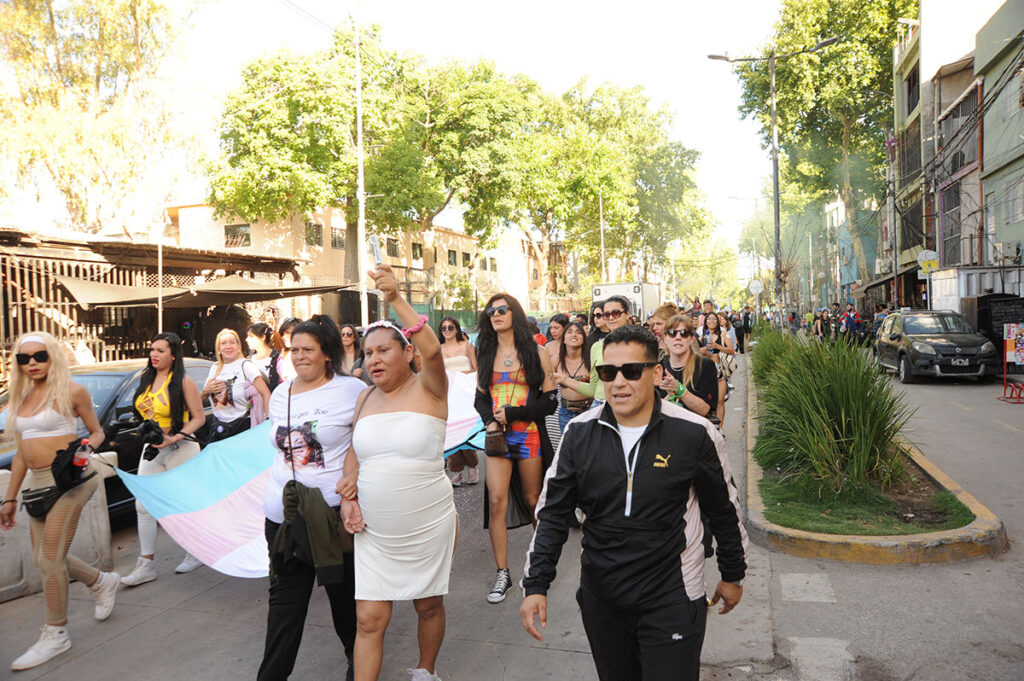
Building community, occupying space, learning that when you can't grow to one side, you grow upwards with everyone—that's what being from the slums means to me. Today we march, tomorrow we pray, the day after tomorrow we protest, but today we dance cumbia atop the motorcycle of life. With all the flags, with all the t-shirts, we march in the slum for all those who are no longer here, in a celebration organized by the Feminist Assembly of Villa 31 and 31 Bis and INTI Travesti Trans.
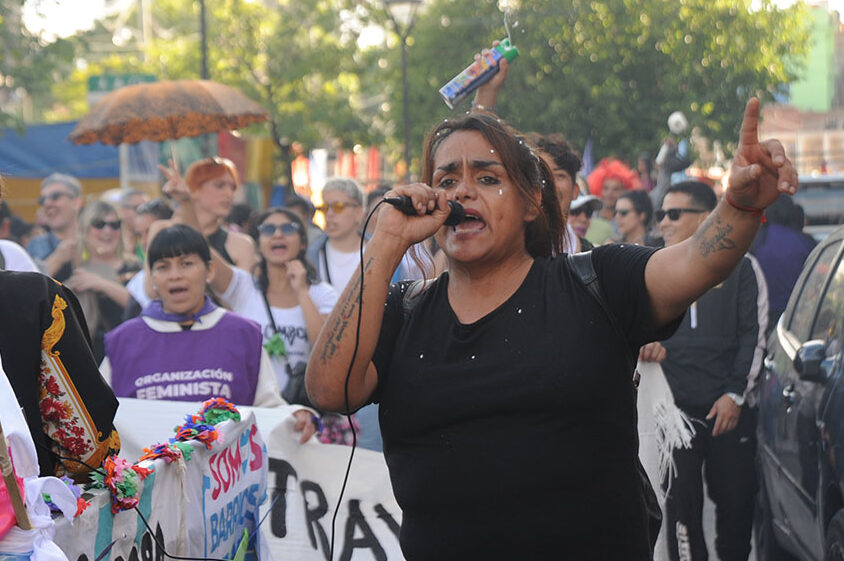
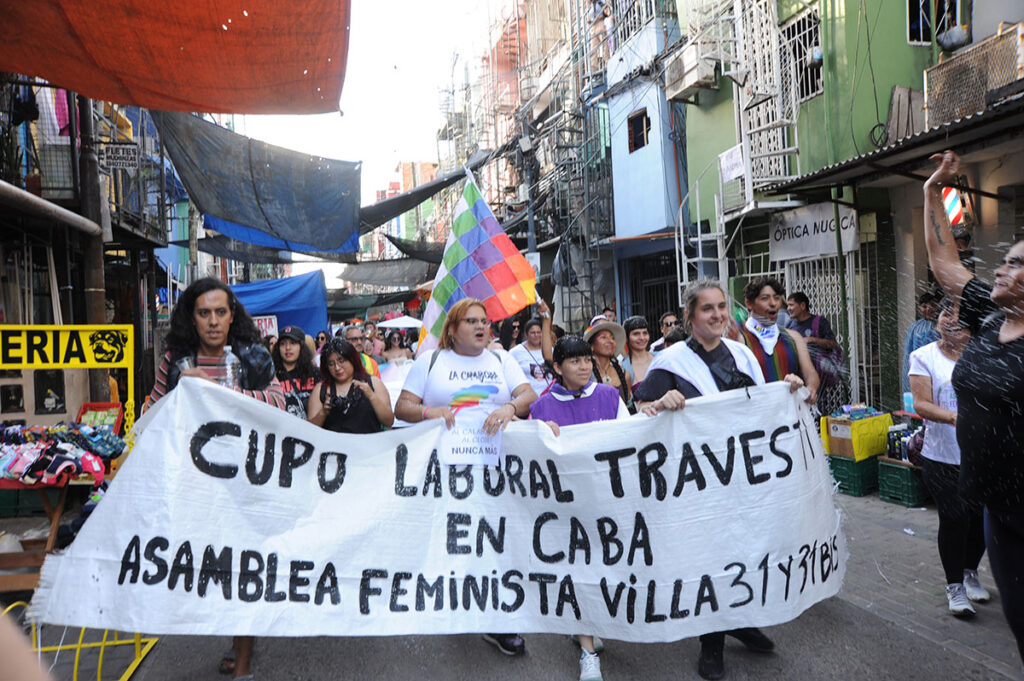
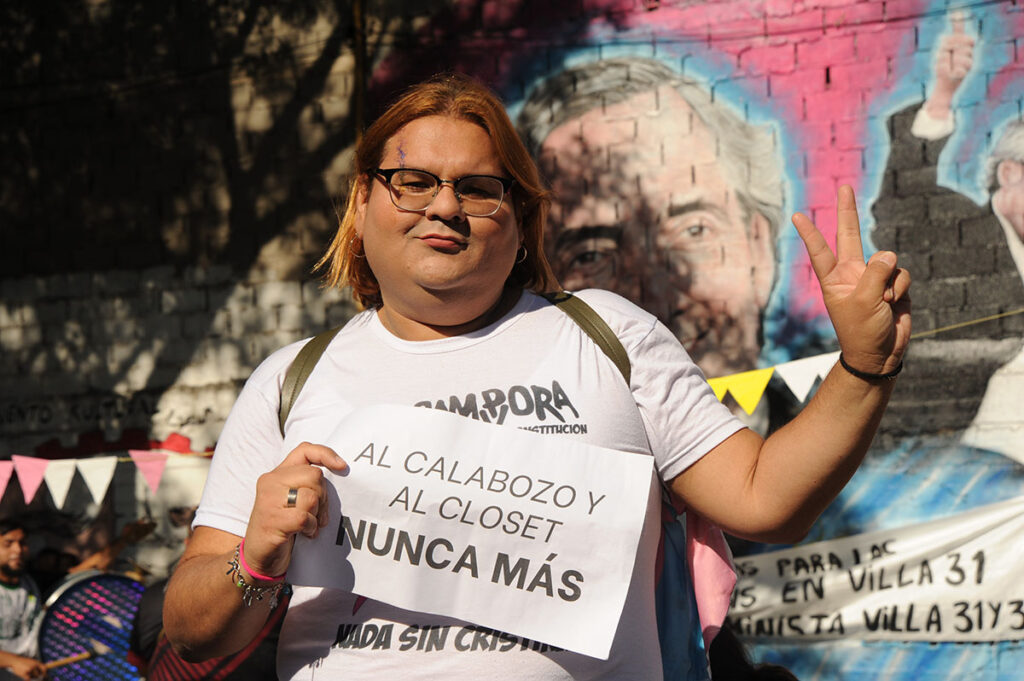
“I live in the Correo Viejo neighborhood,” says Gustavo Arias, a member of Las Norteñas, the group organizing the march. “For us, this Trans Pride March has a very deep meaning. It’s not just about participating in the struggle, but also about reaffirming our presence and our identities in a context where the right-wing advance seeks to erase us with a stroke of the pen ,” he says. “ We want to assert that gay men, lesbians, trans people, and transvestites exist in this neighborhood. Taking to the streets and making our needs visible is an act of resistance, especially in the face of gentrification processes that exclude our communities . Transvestites and trans people are the ones who suffer the most from the lack of resources; they often don’t have access to formal employment.”
Gustavo is one of many who denounce the fact that the trans and travesti employment quota in the public sector in Buenos Aires is not being met. “It’s outrageous that no trans or travesti person works, for example, at the City’s Ministry of Education, which is just steps from our homes. Our struggle comes from our trenches, our neighborhood. Long-time trans women, neighbors who have lived here for over 30 years, couldn’t access the new housing. All this despite being an essential part of these hallways and spaces that we consider our own. We are here living in and defending our neighborhood, proud of who we are,” he says.
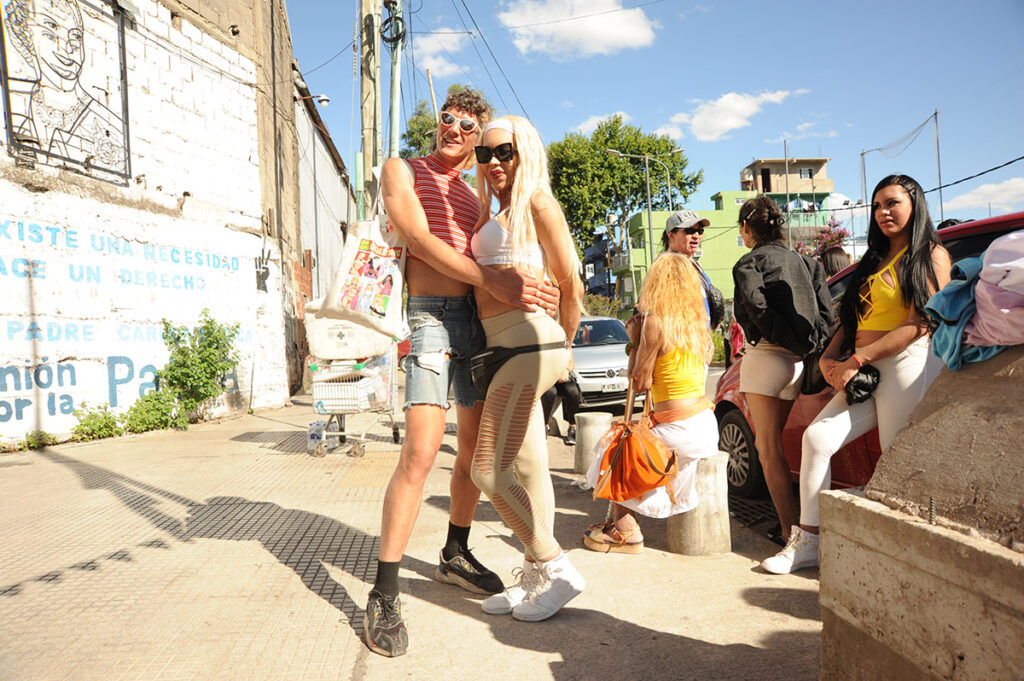
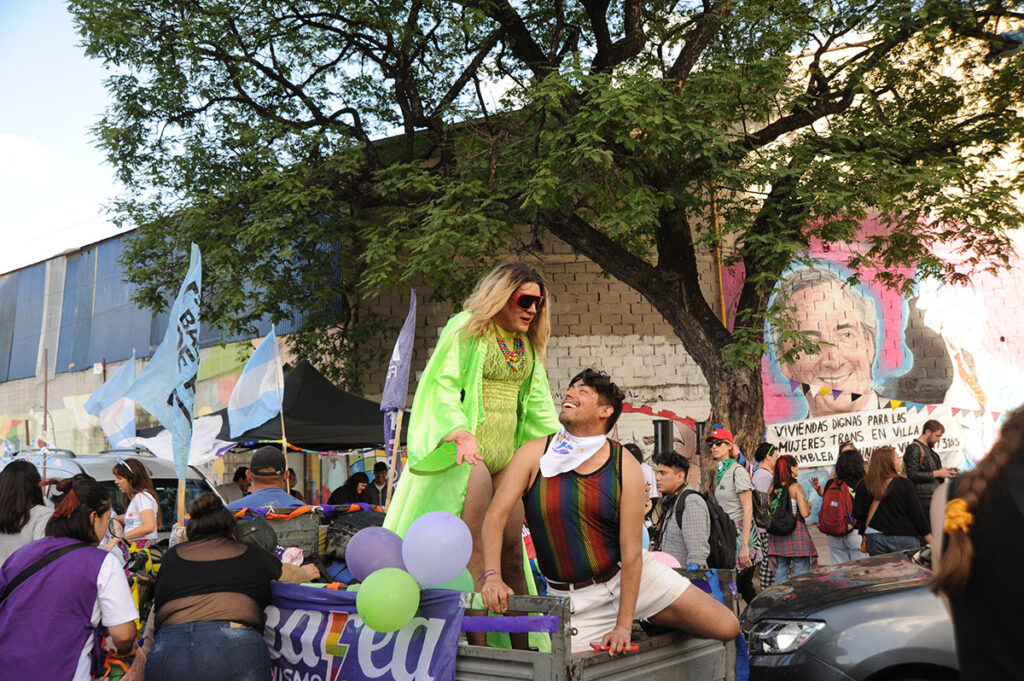
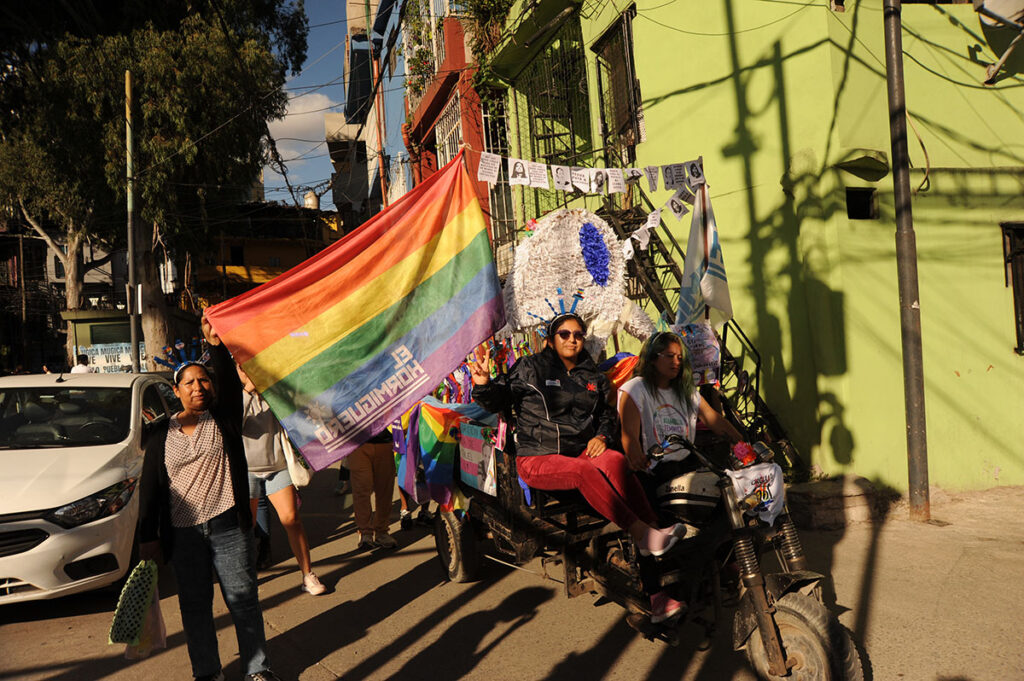
The march from the shantytown echoes through the streets that were once dirt and are now paved. Little brown hands wave from the windows of the houses to the trans women, who ride in their finest clothes from some motorcycle taxi, shouting "Justice for Zoé López García!" She would have been here today with the girls from the Gondolín Hotel, drinking. But we all know that today Aunt Zoé marches and watches over us from above.
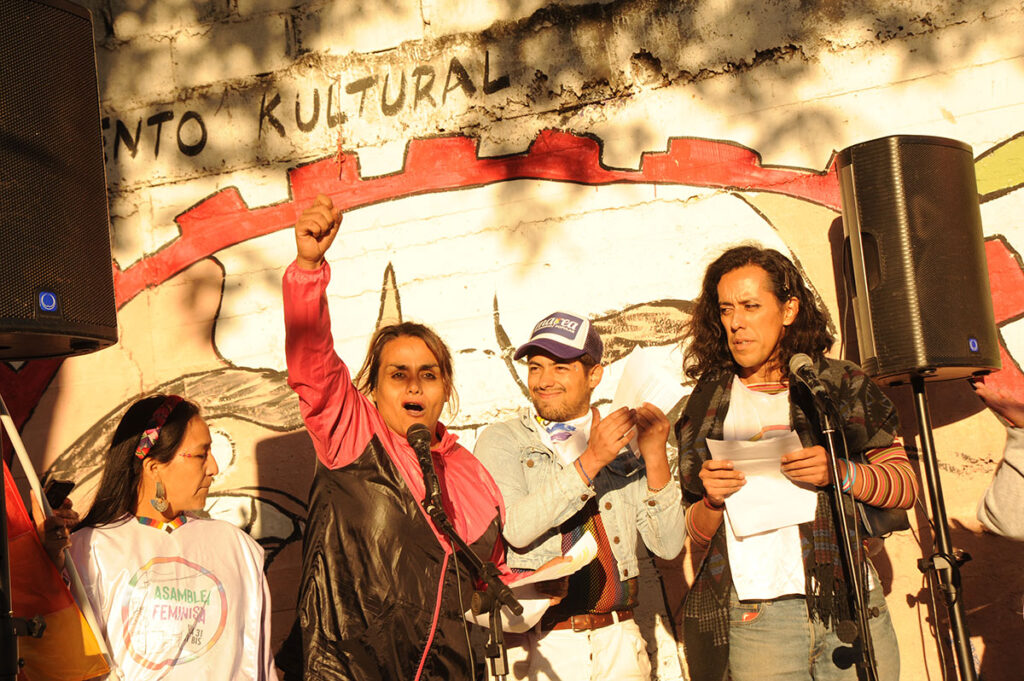
Pauli Burgos is a cultural manager and resident of the neighborhood. She says, “The trans march in the slums is a meeting place for trans women and gender non-conforming people, in a very difficult year for our neighbors. Even with all the difficulties people face, we hold these events. Even with the unmet needs of our neighbors, we are committed to culture. And the march is culture in Retiro. We come together to dance, to hug each other, to demand justice, and to remember the violence, the transphobic murders, and the transfemicides. I think it's very important that this continues to happen in the neighborhood, for the rights of everyone,” she concludes.
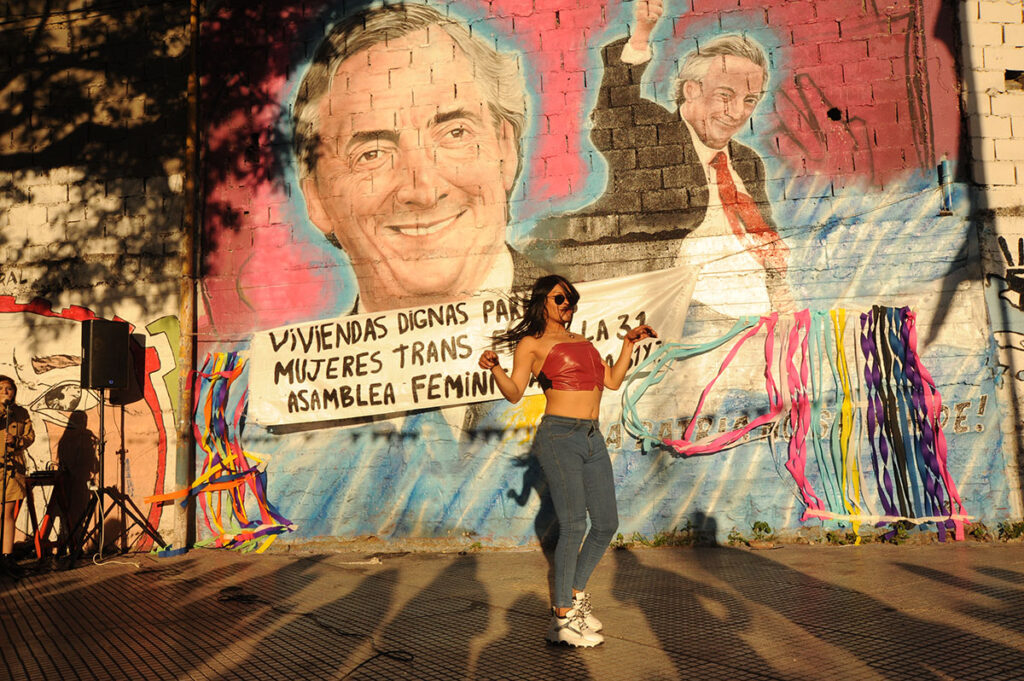
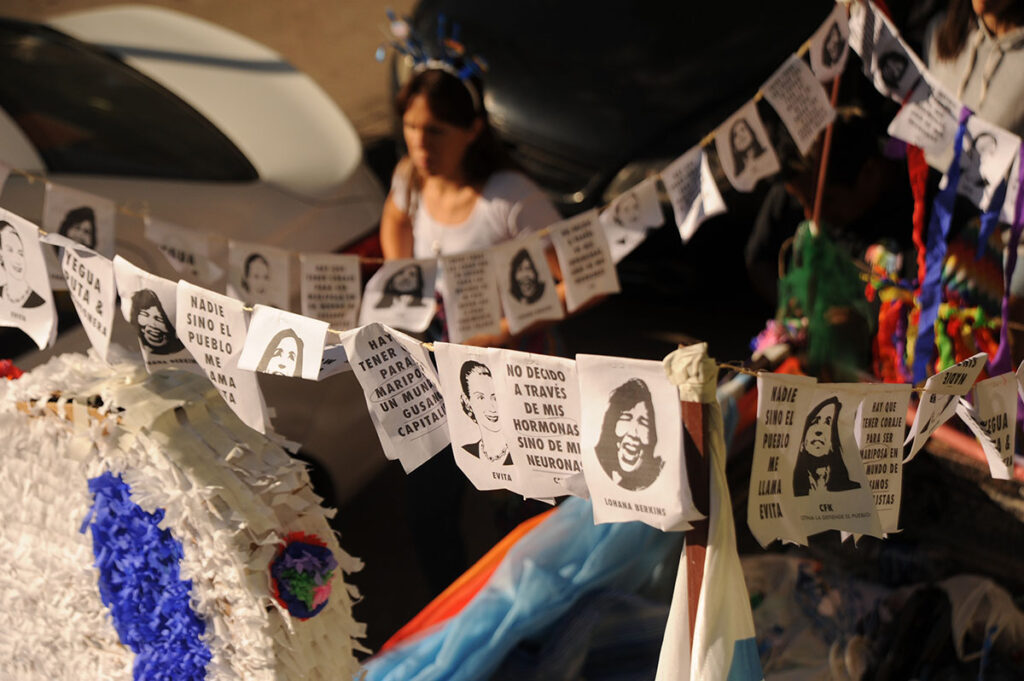

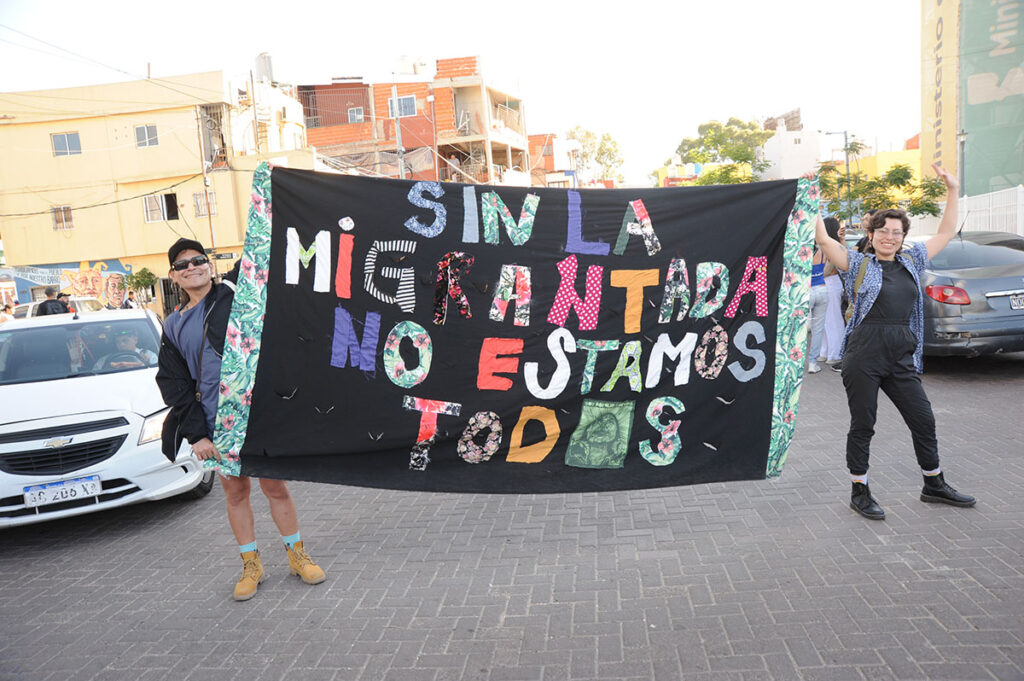
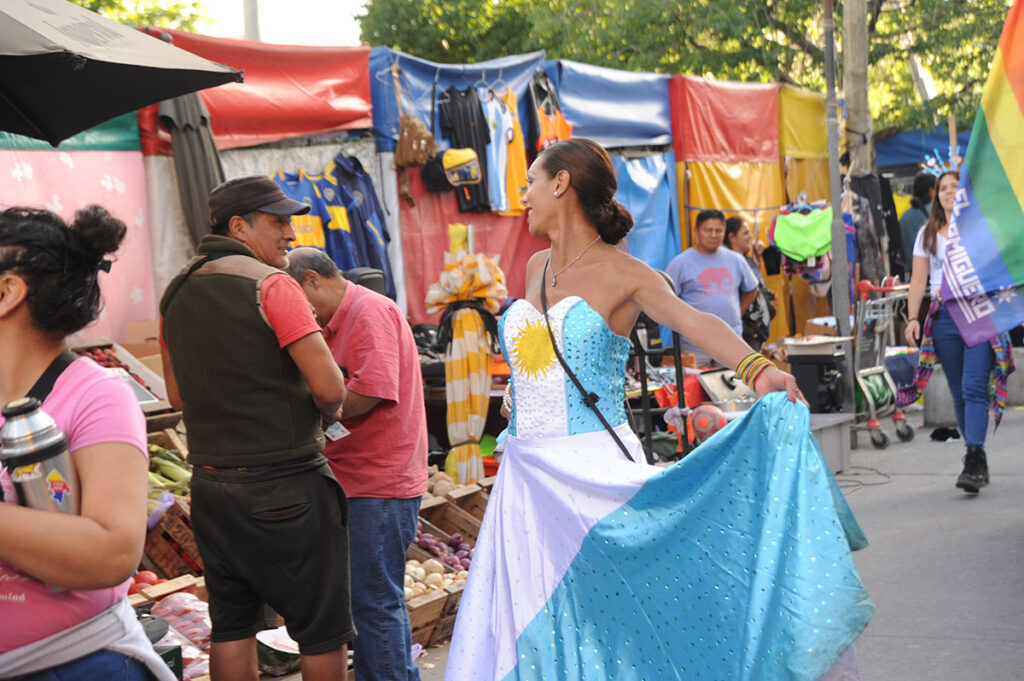
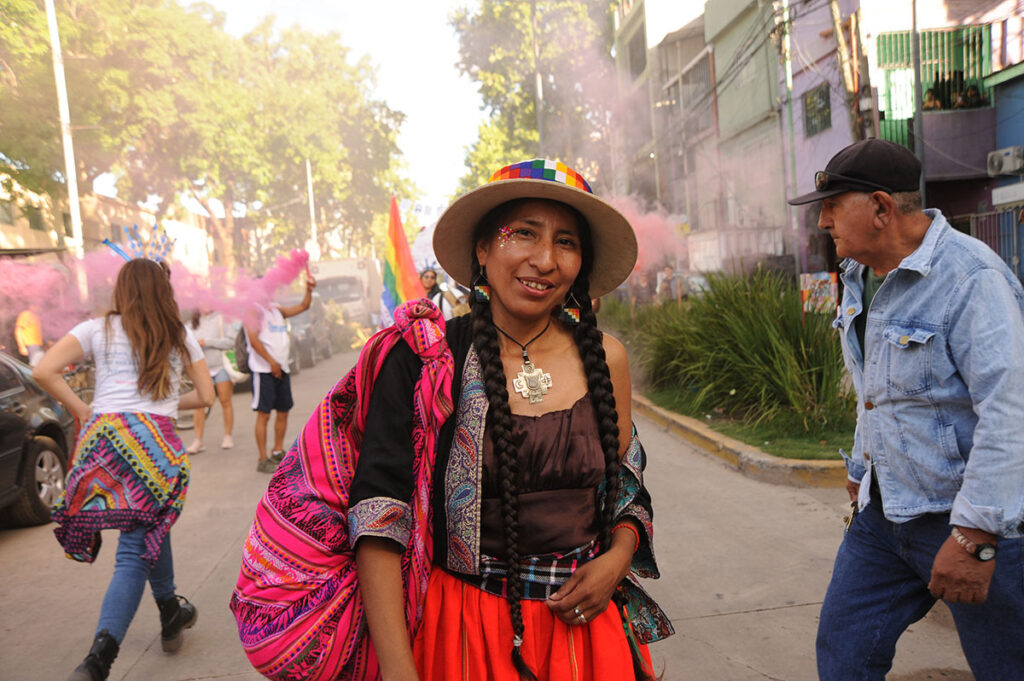
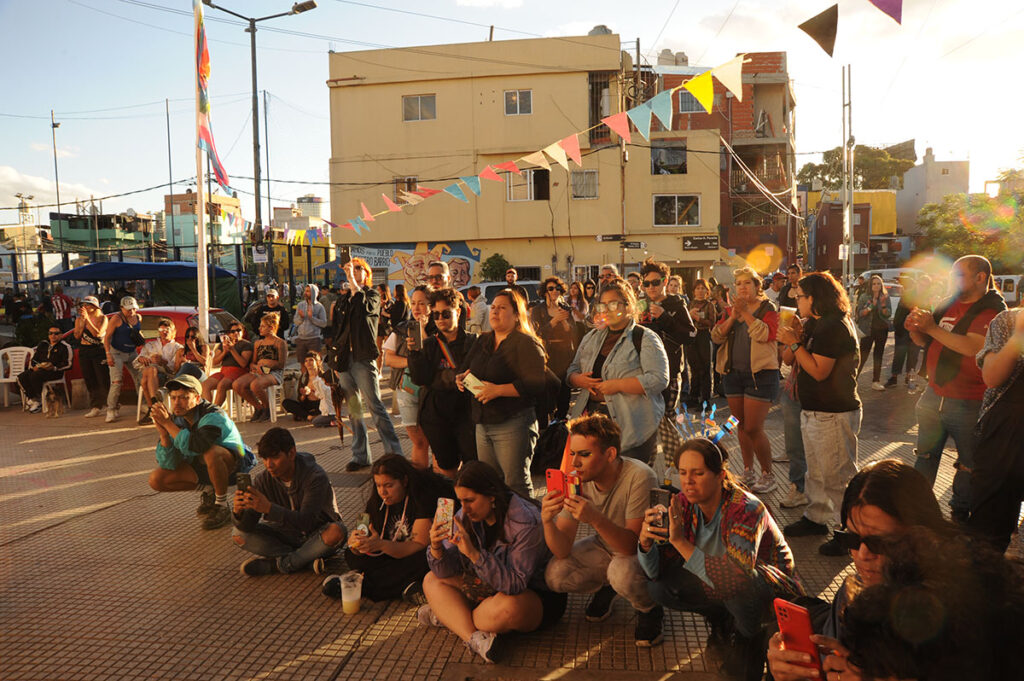
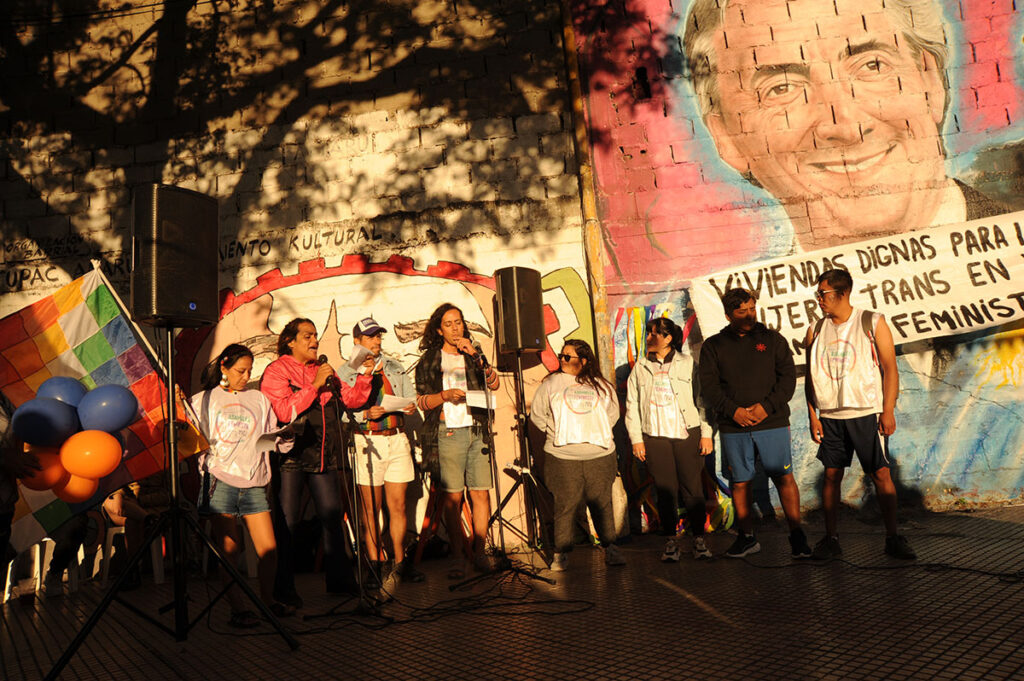
The shantytown march crosses the corner, heading back the way it started, and upon arrival joins the procession of the Virgin of Urkupiña. Neighbors and trans women greet each other, the Virgin blesses the march, Father Mujica rises to embrace the trans women, the colors, the space, and the customs of the Retiro neighborhood. On the stage, the document is read, and those who are no longer with us are remembered. Aunt Lali dances as evening falls. The chant " Milei, Milei, lots of gay sex for you . The march has ended. Kings and pawns return to their boxes, as do the gossips and onlookers. See you next year. Long live trans women!
We are present
We are committed to journalism that delves into the territories and conducts thorough investigations, combined with new technologies and narrative formats. We want the protagonists, their stories, and their struggles to be present.
SUPPORT US

FOLLOW US
Related notes


We are present
This and other stories are not usually on the media agenda. Together we can bring them to light.